How to Use Food to Improve Your Gut Microbiome
Your gut microbiome is the community of trillions of bacteria, along with smaller numbers of fungi and viruses, that live mainly in your large intestine. What you eat is one of the most modifiable influences on which microbes thrive there, more responsive to diet than to almost anything else you...
What it is
Your gut microbiome is the community of trillions of bacteria, along with smaller numbers of fungi and viruses, that live mainly in your large intestine. What you eat is one of the most modifiable influences on which microbes thrive there, more responsive to diet than to almost anything else you control day to day. You don't need a supplement stack or an at-home stool test to start: eating a wider variety of plant foods and adding a serving of a fermented food most days are the two changes with the best evidence behind them right now.
Key takeaways
- Diet, especially fiber variety and fermented foods, is one of the most modifiable influences on gut microbiome composition and diversity.
- A 2021 Stanford trial found that a 10-week diet built around fermented foods increased microbial diversity and lowered markers of inflammation, effects not seen with a high-fiber diet over the same short window.
- Large citizen-science data from the American Gut Project links eating 30 or more distinct plant foods a week to greater microbial diversity than eating fewer than 10.
- At-home microbiome tests aren't diagnostic tools, and there's no scientifically validated "ideal" profile to test your results against yet.
- Persistent digestive symptoms need medical evaluation; food changes support general gut health but don't replace care for a diagnosed condition.
Why it matters
Gut bacteria ferment fiber and other plant compounds that your own digestive enzymes can't break down, producing short-chain fatty acids that serve as fuel for the cells lining your colon and appear to play a role in immune signaling and gut barrier function. A more diverse microbiome, one with a wider range of bacterial species, is generally considered a marker of a more resilient gut ecosystem, though researchers are still working out exactly which diversity patterns matter most and for whom. The International Scientific Association for Probiotics and Prebiotics (ISAPP) defines gut health broadly as normal digestive function without active disease or symptoms that affect quality of life, a useful reminder that microbiome diversity is one input into gut health, not a diagnosis or a score to chase for its own sake.
Core principles
- Prioritize fiber variety over any single "best" fiber food. Different bacterial species specialize in fermenting different fiber types, so a diet built around one fiber source feeds a narrower slice of your microbial community than a diet mixing legumes, whole grains, vegetables, fruit, nuts, and seeds.
- Add fermented foods regularly. In a Stanford-led randomized trial, healthy adults assigned to a 10-week diet including yogurt, kefir, fermented vegetables, and kombucha saw an increase in overall microbial diversity, with larger servings producing a stronger effect, while a matched high-fiber diet group didn't show the same diversity increase over that short period.
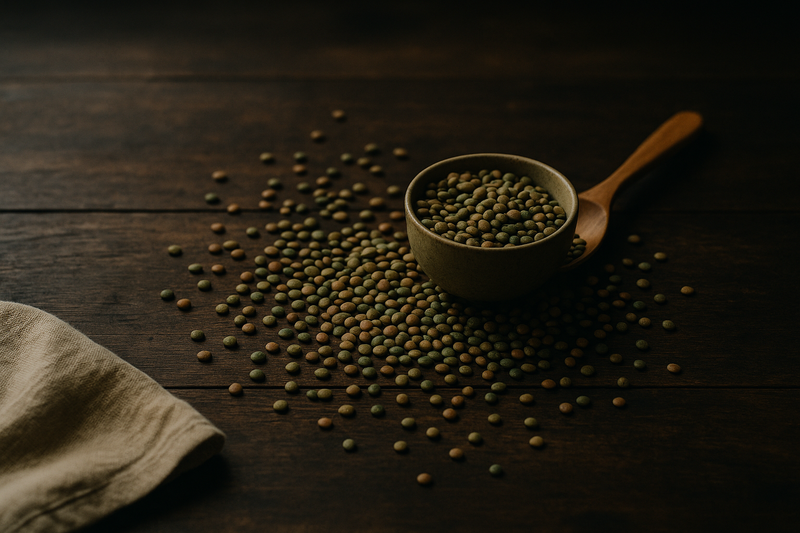
- Close the fiber gap most people actually have. US dietary guidance points to roughly 25 to 38 grams of fiber a day depending on age and sex, and most adults get closer to half that; lentils, chickpeas, and oats are practical, inexpensive ways to close it.
- Change gradually. A sudden jump in fiber or fermented food intake commonly causes temporary gas or bloating as your gut community adjusts; scaling up over two to three weeks is more comfortable and just as effective.
- Don't let ultra-processed food dominate the plate. It's not about eliminating convenience foods entirely, but a diet where they make up the majority of intake leaves little room for the fiber diversity your microbiome depends on.
A starter plate / simple checklist
A simple daily checklist to work from:
- Two or more different plant foods at each meal (a vegetable and a whole grain, or a legume and a fruit)
- One serving of a fermented food, such as kefir, kimchi, sauerkraut, or plain Greek yogurt
- A legume serving most days, like chickpeas or lentils
- A whole grain instead of a refined one at least once a day
- One new-to-you plant food each week, working toward the 30-plants-a-week mark researchers have linked to greater diversity
Myths and limits
It's worth naming a few common overstatements. No single "superfood" fixes or resets a gut microbiome; the research consistently points to variety and consistency, not one ingredient, as the driver of diversity. Probiotic supplements aren't required for a healthy gut in someone without a specific condition; the fermented-food trial described above used whole foods, not supplement capsules, to produce its effect. Commercial at-home microbiome tests can describe which bacteria showed up in a stool sample, but the field doesn't yet have a validated way to translate an individual's results into a specific diet prescription, so it's reasonable to treat these tests as curiosities rather than medical guidance. It's also worth being honest about the limits of the underlying evidence: most microbiome-diet trials run for weeks, not years, involve relatively small groups, and measure microbial composition rather than long-term health outcomes, so the connection between "more diverse microbiome" and "better health" is a reasonable, evidence-supported hypothesis rather than a fully proven chain.
Next steps
Start by noticing your current plant food variety for a week or two; most people are surprised how narrow their usual rotation is. Add one fermented food you actually enjoy, rather than one you feel obligated to eat, since consistency matters more than any single choice. If you have a diagnosed digestive condition such as irritable bowel syndrome, inflammatory bowel disease, or celiac disease, work with a registered dietitian or your gastroenterologist before making large fiber or fermented food changes, since some conditions call for individualized, sometimes opposite, fiber strategies. If digestive symptoms show up and don't settle within a few weeks of gradual changes, that's a signal to get evaluated rather than keep adjusting your diet on your own.
When to seek care
Diet changes support general gut health, but they are not a way to self-diagnose or self-treat a digestive problem. See a clinician if you have blood in your stool, unexplained weight loss, persistent abdominal pain, a fever alongside digestive symptoms, or new digestive symptoms that start after age 50, since these can signal conditions that need medical evaluation rather than dietary experimentation. If you've been diagnosed with inflammatory bowel disease, celiac disease, or another gastrointestinal condition, involve your care team before significantly increasing fiber or fermented food intake, since the right approach can differ from general guidance.
Bottom line
The most evidence-backed way to support your gut microbiome through food is unglamorous: eat a wider variety of plants than you probably do now, add a fermented food most days, and give your gut a few weeks to adjust to any change. Skip the expensive test and the single miracle ingredient, and treat persistent digestive symptoms as a reason to see a clinician, not a reason to try another diet tweak.
Frequently asked questions
How quickly can food change my gut microbiome?
Measurable shifts in microbial diversity have shown up in as little as a few weeks in controlled studies, including the 10-week fermented-food trial referenced above. That said, individual responses vary, and lasting change tends to come from sustained habits rather than a short-term diet push.
Do I need a probiotic supplement to improve my gut microbiome?
Not necessarily. The strongest recent evidence for improving microbial diversity in generally healthy adults comes from whole fermented foods, not supplement capsules. If you're considering a probiotic supplement for a specific condition, that's worth discussing with a clinician rather than choosing one on your own.
Is a home microbiome test worth taking?
These tests can tell you which bacteria were detected in a sample, but the science isn't yet at the point where results reliably translate into a personalized diet plan. They're better treated as a curiosity than a basis for major dietary or medical decisions.
What counts toward "30 plants a week"?
More than vegetables: fruits, whole grains, legumes, nuts, seeds, and even herbs, spices, coffee, and dark chocolate count as distinct plant foods in the citizen-science data behind this idea. It's a rough target for variety, not a strict rule.
Can improving my microbiome cure a digestive disorder?
No. Diet changes may support general gut function, but they aren't a treatment for diagnosed conditions like IBS, IBD, or celiac disease, and they shouldn't replace prescribed care. Talk to your clinician about how diet fits alongside any treatment you're already receiving.
Sources and evidence
- Stanford Medicine, fermented-food diet increases microbiome diversity and lowers inflammation
- UC San Diego Microsetta Initiative, American Gut Project data on 30 plants per week
- ISAPP consensus statement on fermented foods, Nature Reviews Gastroenterology & Hepatology
- ISAPP, roundup of consensus definitions for probiotics, prebiotics, and fermented foods
- USDA FoodData Central
- NIDDK, symptoms and causes of constipation, for digestive red-flag guidance
Know Your Numbers
Eating healthy is a start. Now get to know your biomarkers.
Food changes bloodwork — inflammation, lipids, blood sugar and nutrient status all respond to what you eat. 59 markers from $59.
- Results in 7–10 days at 2,000+ Quest sites
- Licensed provider reviews every result
- One flat price, no membership, HSA/FSA eligible
Educational information only, not medical advice. Panels are ordered and reviewed through our licensed partner; Plantopedia may earn a commission.