Kimchi is a traditional Korean probiotic powerhouse rich in lactic acid bacteria and unique bioactive compounds like HDMPPA. Discover how th
Fermentation and gut-culture angle; explain live-culture, sodium, and heat-treatment differences
The Short Answer
Kimchi is a fermented vegetable dish that provides approximately 22 calories and 55% of the Daily Value for Vitamin K per cup. It is a potent source of live lactic acid bacteria and anti-inflammatory compounds like HDMPPA.
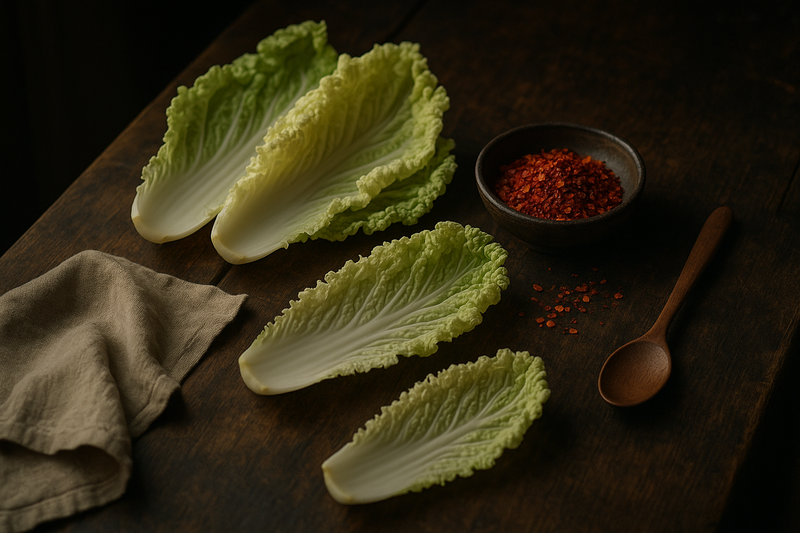
Kimchi · Photograph
In an era of highly processed, sterilized foods, kimchi provides a rare source of live, active cultures that are critical for maintaining a resilient gut ecosystem. The fermentation process does more than preserve the vegetables; it increases the bioavailability of vitamins and creates new bioactive metabolites that are not present in raw cabbage.
Key Nutrients
% Daily Value based on 2,000 cal diet
Key Takeaways
- 1. Contains diverse strains of Lactic Acid Bacteria (LAB) that enhance microbiome diversity and support the gut barrier.
- 2. Features a unique aromatic compound formed during fermentation that is scientifically studied for its ability to reduce inflammatory markers.
- 3. A 100g serving provides up to 55% of the daily value for Vitamin K, essential for bone density and blood coagulation.
- 4. Early research suggests kimchi may improve insulin sensitivity and support glucose metabolism through its probiotic-fiber matrix.
- 5. Contains a significant amount of sodium (up to 32% DV per serving), requiring mindful portioning for those with hypertension.
Why Kimchi Health Benefits Matter for Modern Wellness
In an era of highly processed, sterilized foods, kimchi provides a rare source of live, active cultures that are critical for maintaining a resilient gut ecosystem. The fermentation process does more than preserve the vegetables; it increases the bioavailability of vitamins and creates new bioactive metabolites that are not present in raw cabbage.
For those looking to support their immune system and metabolic health, kimchi offers a high-impact, low-calorie way to ingest both prebiotics (fiber) and probiotics (bacteria) in a single serving.
Key Active Compounds
- Lactic Acid Bacteria (LAB): Beneficial microbes that support intestinal health and immune modulation.
- HDMPPA: A fermentation-derived compound being researched for its potent anti-inflammatory effects.
- Capsaicin: Found in chili flakes, it supports thermogenesis and provides secondary anti-inflammatory support.
- Allyl Sulfides: Sulfur-rich compounds from garlic that support cardiovascular and immune resilience.
- Vitamin C & K: Essential vitamins for antioxidant defense, collagen production, and skeletal health.
Conclusion
Kimchi is a complex, nutrient-dense food that offers a unique combination of probiotics, vitamins, and anti-inflammatory compounds. While its sodium content requires a strategic approach, its benefits for gut diversity and metabolic health make it a standout functional food.
By choosing fresh, refrigerated varieties and pairing them with high-potassium foods, you can effectively integrate kimchi into a balanced, health-focused diet.Ready to add more gut-friendly foods to your routine? Explore our meal planner to discover recipes featuring kimchi and other fermented ingredients that support digestive wellness.
How Kimchi Compares
| Compared with | What's different |
|---|---|
| Kimchi vs. Sauerkraut | Fermented with chili, garlic, and ginger for a spicy, complex flavor profile. |
| Kimchi vs. Pickles | Fermented for days or weeks to develop probiotics, unlike vinegar-based quick pickles. |
Health Benefits
Things to Know
Sodium Sensitivity: One serving can contain up to a third of your daily sodium limit. Monitor your total salt intake when including kimchi in your diet.
Vitamin K & Warfarin: The high Vitamin K content can interfere with blood-thinning medications. Maintain consistent intake and consult your doctor if you are on anticoagulants.
Histamine Intolerance: As a fermented food, kimchi is high in histamines. If you experience headaches or hives after eating fermented products, you may have a sensitivity.
FODMAPs: Cabbage and garlic are high-FODMAP foods. Those with IBS or SIBO should start with tiny portions to assess tolerance.
The Prebiotic Synergy: Pair kimchi with a prebiotic source like slightly under-ripe bananas, onions, or asparagus. This provides the "food" the probiotics need to thrive in your gut.
The Low-Sodium Balance: Serve kimchi alongside potassium-rich foods like sweet potatoes or spinach. Potassium helps the body process and excrete excess sodium more effectively.
The "Live" Stir-Fry: Add kimchi to your stir-fry or eggs after you have turned off the heat. Excessive heat will kill the live probiotics, so it is best enjoyed raw or slightly warmed.
Standard Maintenance: 50g to 100g (approx. 1/2 to 2/3 cup) daily is the amount typically used in research to observe probiotic and metabolic benefits.
Introductory Dose: If you are new to fermented foods, start with 25g (about 2 tablespoons) to allow your digestive system to adapt to the new bacterial strains.
Sodium Cap: Try to limit intake to one serving per day if you are also consuming other processed or salty foods.
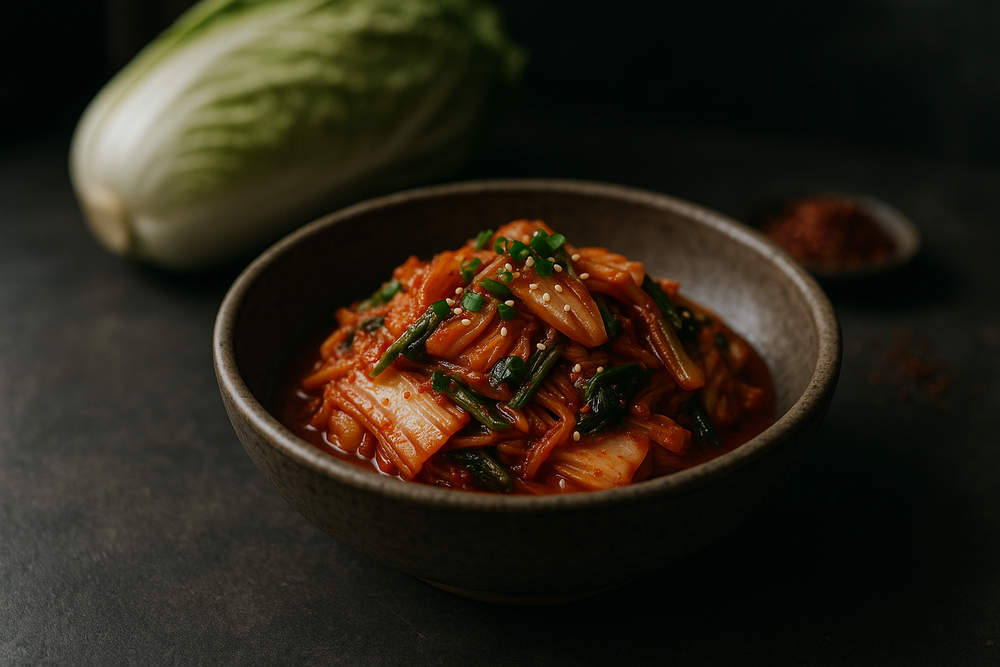
Common Uses
- —Used as a daily functional food to introduce live cultures into the digestive system.
- —Consumed alongside meals to leverage organic acids and probiotics that assist in nutrient breakdown.
- —Integrated into diets to utilize the combined antiviral potential of garlic, ginger, and Vitamin C.
- —Added to low-calorie meals to provide intense flavor and fiber without adding significant calories.
Active Compounds
Beneficial microbes that support intestinal health and immune modulation.
A fermentation-derived compound being researched for its potent anti-inflammatory effects.
Found in chili flakes, it supports thermogenesis and provides secondary anti-inflammatory support.
Sulfur-rich compounds from garlic that support cardiovascular and immune resilience.
Essential vitamins for antioxidant defense, collagen production, and skeletal health.
Best Forms
This is the best form for health benefits. The cold temperature keeps the probiotics alive and active.
Typically offer the highest diversity of probiotic strains and the greatest concentration of polyphenols compared to radish or cucumber versions.
An ideal choice for those managing blood pressure. These versions use less salt during the brining process while still allowing for successful fermentation.
If the kimchi is stored at room temperature on a shelf, it has likely been pasteurized, which kills the beneficial live bacteria.
Prep Ideas
- — The Prebiotic Synergy: Pair kimchi with a prebiotic source like slightly under-ripe bananas, onions, or asparagus. This provides the "food" the probiotics need to thrive in your gut.
- — The Low-Sodium Balance: Serve kimchi alongside potassium-rich foods like sweet potatoes or spinach. Potassium helps the body process and excrete excess sodium more effectively.
- — The "Live" Stir-Fry: Add kimchi to your stir-fry or eggs after you have turned off the heat. Excessive heat will kill the live probiotics, so it is best enjoyed raw or slightly warmed.
Glossary
Shop This Ingredient
Stock your pantry with quality kimchi.
Buy on AmazonAs an Amazon Associate, Plantopedia earns from qualifying purchases. This costs you nothing extra and helps us keep the encyclopedia free.
Frequently Asked Questions
Research suggests 50-100g daily provides beneficial probiotics and nutrients while managing sodium intake. Start with smaller amounts (25-50g) to assess tolerance, especially if you're new to fermented foods or have digestive sensitivities. This gradual approach helps your gut microbiome adapt to the latest live bacterial strains without discomfort.
Yes, kimchi contains 498-747mg of sodium per 100g serving, which is significant. While generally safe for most people, those with high blood pressure or on sodium-restricted diets should choose low-sodium varieties or limit portions. Always consider your total daily salt intake from all food sources when adding kimchi regularly.
Research indicates kimchi's lactic acid bacteria (LAB) may support digestive health and microbiome diversity. The fermentation process creates beneficial probiotics, though individual responses vary and more human studies are needed. These microbes help maintain a balanced intestinal environment, which is foundational for adequate nutrient absorption and overall immune system function.
Fermented kimchi is considered safe during pregnancy due to the fermentation process. Still, pregnant women should choose refrigerated varieties from reputable sources and consult their healthcare provider, especially if they have digestive sensitivities. It provides a natural source of probiotics and vitamins, though the high sodium levels should be monitored carefully.
Aged, properly fermented kimchi typically contains more diverse probiotic strains and higher levels of beneficial compounds like HDMPPA. Fresh kimchi has less fermentation time, potentially fewer probiotics, but still provides vitamins and polyphenols from the vegetables. Both versions offer nutritional value, but aged kimchi is superior for those seeking maximal probiotics.
Quick Answers
Common questions, answered in a line.
Kimchi contains a fermentation-derived compound called HDMPPA, which is being researched for its potent anti-inflammatory effects. In addition to this unique compound, kimchi provides capsaicin from chili flakes and allyl sulfides from garlic to support immune resilience.
Kimchi provides a rare source of live, active cultures that help maintain a resilient gut ecosystem. The fermentation process creates new bioactive metabolites and increases the bioavailability of vitamins not found in raw cabbage.
Kimchi is a high-impact, low-calorie food that provides both prebiotics (fiber) and probiotics (bacteria) in a single serving. This combination supports both immune system function and metabolic health.
To preserve live probiotics, you should add kimchi to dishes like stir-fries or eggs only after the heat has been turned off. Excessive heat will kill the beneficial bacteria, so it is best enjoyed raw or slightly warmed.
People with IBS or SIBO should start with very small portions of kimchi because its primary ingredients, cabbage and garlic, are high-FODMAP foods. This allows you to assess your digestive tolerance to these specific fermentable carbohydrates.
Kimchi is rich in Vitamin K, which can interfere with the effectiveness of blood-thinning medications like Warfarin. If you are on anticoagulants, you should maintain a consistent intake and consult a doctor before making it a regular part of your diet.
You can balance the high sodium in kimchi by serving it alongside potassium-rich foods like sweet potatoes or spinach. Potassium helps the body process and excrete excess sodium more effectively, mitigating the salt's impact.
For Readers in the USA
Local context — sourcing, seasonality, and regional notes.
You can find kimchi at major U.S. retailers like Costco, Whole Foods, Kroger, and Trader Joe's, typically located in the refrigerated produce or fermented foods section. Specialized Korean grocers like H-Mart offer a wider variety of regional styles and larger bulk containers.
While Napa cabbage is grown year-round in states like California and Florida, traditional 'Kimjang' season (communal kimchi making) typically occurs in late fall in Korean-American communities. Many U.S. farmers markets offer locally fermented batches during the autumn harvest.
Yes, look for the 'USDA Organic' seal to ensure the cabbage and ingredients were grown without synthetic pesticides, and check the label for 'Live and Active Cultures.' In the U.S., premium brands often highlight these labels to distinguish refrigerated, raw products from shelf-stable ones.
In the U.S., kimchi is increasingly used as a versatile topping for burgers, tacos, and grain bowls, reflecting a fusion of traditional Korean flavors with American culinary staples. It is also a popular addition to 'gut-health' smoothies and breakfast avocado toasts.
AI Clinical Review
- Accurately explains that kimchi is a fermented food rich in lactic acid bacteria (LAB—beneficial microbes) that can support a healthy gut ecosystem.
- Provides a realistic nutrient snapshot: low calorie, with vitamins C, K, and B6, plus polyphenols and bioactive compounds from garlic, ginger, and chili.
- Appropriately flags sodium as the main trade‑off and notes that low‑sodium options exist.
- Correctly distinguishes refrigerated “live culture” products from shelf‑stable versions, which typically have fewer or no live microbes.
- Cardiometabolic benefits (heart health, anti‑atherosclerotic effects) are promising but based on small human studies; high sodium could offset gains in salt‑sensitive people.
- Effects on blood sugar and insulin sensitivity remain preliminary, with limited, short‑term trials and likely modest impact within an overall dietary pattern.
- Compounds like HDMPPA are mostly studied in lab or animal models; human relevance and effective intakes are not well established.
- The extent to which kimchi’s microbes survive digestion and colonize the gut varies; benefits may stem from both microbes and fermentation by‑products.
- Practical intake: 25–100 g per day (about 1/4–2/3 cup) is a reasonable range; monitor total daily sodium if you’ve been advised to limit it.
- If you take warfarin or other vitamin K–sensitive anticoagulants, keep vitamin K intake consistent and coordinate with your clinician.
- Those with histamine intolerance, IBS/FODMAP sensitivity, or reflux may tolerate small amounts better and may prefer milder, less garlicky or less spicy styles.
- During pregnancy or if immunocompromised, choose commercially prepared, properly refrigerated products and handle them with standard food‑safety practices.
Fermented does not always mean probiotic; note sodium and live/active culture differences.
References
- USDA FoodData Central nutrition database for kimchi nutritional values (fdc.nal.usda.gov)
- Health-Promoting Constituents and Selected Quality Parameters of Kimchi Variants - PMC study (pmc.ncbi.nlm.nih.gov)
- NIH National Center for Complementary and Integrative Health on probiotics and fermented foods (nccih.nih.gov)
- Production, Characteristics and Health Functions of Kimchi - research review (actahort.org)
- Mayo Clinic guidance on fermented foods and digestive health (mayoclinic.org)
- Healthline review of kimchi nutritional benefits and research (healthline.com)
- BBC Good Food analysis of kimchi health benefits (bbcgoodfood.com)
Know Your Numbers
Eating healthy is a start. Now get to know your biomarkers.
Food changes bloodwork — inflammation, lipids, blood sugar and nutrient status all respond to what you eat. 59 markers from $59.
- Results in 7–10 days at 2,000+ Quest sites
- Licensed provider reviews every result
- One flat price, no membership, HSA/FSA eligible
Educational information only, not medical advice. Panels are ordered and reviewed through our licensed partner; Plantopedia may earn a commission.
Filed Under
Health Goals This Supports
Related Ingredients
Best Foods for a Healthy Gut Lining
The gut lining, a single layer of cells covered in mucus and sealed by tight junctions, is best supported by a dietary pattern rich in diverse fiber, polyphenols, and some fermented foods, not any one ingredient. Fermentable fibers from legumes, oats, and vegetables feed bacteria that produce...
Best Foods for Gut Health
High-fiber plants eaten in variety plus a small daily serving of genuinely fermented food is the combination with the best human evidence behind it. Here is the food list, the dosing, and the cautions.
Best Foods to Feed Good Gut Bacteria
Gut bacteria run on fermentable carbohydrate your own enzymes cannot digest. Here are the foods with the best human evidence behind them, how to introduce them without wrecking your week, and the honest limits of what microbiome research can currently claim.
Fermented Foods vs. Fiber: What Helps the Gut More?
A head-to-head look at the two most popular gut strategies: what the single randomized trial comparing them found, what the long-term data say, and how to decide which one to work on first.
Fermented Vegetables: Methods, Microbes & Nutrition
Brine ferments, dry-salted krauts, bran beds and water kimchi explained — which contain live cultures, how much to eat, and an index of every fermented vegetable on Plantopedia.
Foods That Support Mood and Mental Clarity
People who follow traditional dietary patterns, built around vegetables, legumes, whole grains, olive oil, and fermented foods, have consistently lower rates of depression in large observational studies than people eating a typical Western diet heavy in processed and refined foods. Foods tied to...
Foods That Support Recovery and Resilience
No food or supplement "boosts" immunity on demand, but a consistent pattern of foods rich in vitamin C, zinc, fiber, and plant compounds gives your immune system the raw materials it needs to function normally and supports recovery from everyday illness and physical stress. The strongest...
Gut Health and Brain Fog: What's the Connection?
Brain fog, the fuzzy thinking, poor focus, and word-finding trouble many people describe, is linked to gut health through what researchers call the gut-brain axis: a two-way communication system between the digestive tract and the brain involving nerves, immune signaling, and molecules made by...
Gut Health for Beginners
A plain-English starting point for gut health: what the microbiome is, what actually shifts it, and which popular claims do not hold up.
Gut Microbiome Testing: A Beginner's Guide
At-home gut microbiome tests analyze DNA from a stool sample to estimate which bacteria live in your colon, then compare that mix to reference data to generate a report on diversity, specific microbes, and sometimes diet or supplement suggestions. They can be genuinely interesting to look at,...
How Gut Health and Brain Health Are Connected
A plain-language walkthrough of how the gut and brain communicate, followed by an honest account of what human trials have and have not demonstrated.
How Gut Health Supports Immunity
The intestine holds a large share of the body's immune tissue, and resident microbes help calibrate it. Here is the mechanism in sequence, the human trial evidence, and an honest account of where the science stops.
How Plant-Based Foods Support the Gut
Plant foods feed the microbes in your large intestine, which ferment fiber into short-chain fatty acids. Variety across the week matters more than any single gut food.
How the Gut Affects Energy, Mood, and Inflammation
A step-by-step walk through the gut-brain and gut-immune pathways, followed by an honest account of what human trials have shown, what remains mechanism only, and what to do with the difference.
How to Build a Gut-Friendly Plate
A beginner's guide to assembling meals that feed your gut microbiome, built on fiber, plant variety and a small daily fermented food. Includes a starter plate, a weekly checklist, and an honest account of what the evidence does and does not show.
How to Use Food to Improve Your Gut Microbiome
Your gut microbiome is the community of trillions of bacteria, along with smaller numbers of fungi and viruses, that live mainly in your large intestine. What you eat is one of the most modifiable influences on which microbes thrive there, more responsive to diet than to almost anything else you...
Prebiotics vs. Probiotics: What's the Difference?
A side-by-side comparison of prebiotics and probiotics, including what each one is, how strong the human evidence is for each, and a practical guide to deciding whether either is worth your money.
Signs Your Gut Microbiome May Be Out of Balance
There is no single symptom or test that proves your gut microbiome is "out of balance," a state researchers call dysbiosis, because a healthy microbiome varies between people and there is no agreed definition of "normal" for most adults. Persistent bloating, excess gas, and changes in bowel...
The Gut-Brain Connection Explained Simply
The gut and brain communicate constantly through nerves, hormones, immune signals and bacterial metabolites. This explains the mechanism step by step, then separates what human trials have demonstrated from what remains laboratory theory.
What Is the Gut Microbiome?
A beginner's guide to the community of microbes living in your large intestine: what it does, how diet shifts it, and where the science is genuinely uncertain.
What to Do After Getting Gut Microbiome Results
If you've just gotten a gut microbiome test back, don't overhaul your diet based on it yet. These tests have documented reproducibility problems (the same stool sample, split and sent to testing companies, has come back with meaningfully different results), and a 2024 international expert...