Fermented Grape Leaves — health benefits and uses
Mediterranean and Levantine cooks brine grape leaves to preserve them year-round.
The Short Answer
Fermented grape leaves are a low-calorie, nutrient-dense wrapper providing 3853 IU of Vitamin A and 1.5g of fiber per 5-leaf serving. They are rich in antioxidants like quercetin and rutin, though they should be rinsed before eating to reduce their high sodium
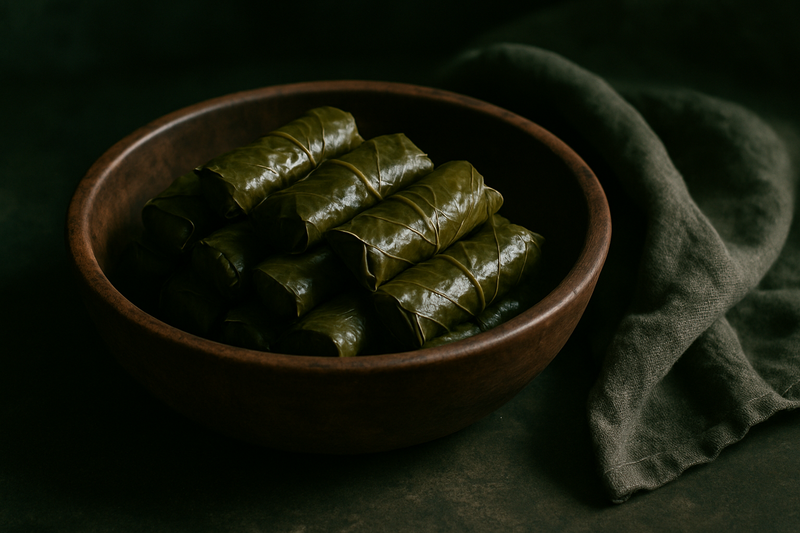
Fermented Grape Leaves · Photograph
Discover the full picture on fermented grape leaves health benefits, nutrition and side effects — from gut-friendly fiber and antioxidants to the sodium reality of brined dolma leaves, with evidence-based guidance on how to use them safely.
Key Nutrients
% Daily Value based on 2,000 cal diet
Key active compounds
- Quercetin — A flavonol (a type of plant pigment and antioxidant) with anti-inflammatory and vascular-protective activity in preclinical models.
- Rutin — A flavonol glycoside (quercetin attached to a sugar molecule) found abundantly in grapevine leaves; studied for potential capillary-strengthening effects.
- Caffeic acid — A phenolic acid (a category of antioxidant plant compound) present in many plant foods; associated with antioxidant and potential antimicrobial properties in lab settings.
- Gallic acid — A phenolic acid with strong radical-scavenging (neutralizing unstable, cell-damaging molecules) activity; contributes to the overall antioxidant capacity of grape leaves.
- Carotenoids (beta-carotene, lutein, zeaxanthin) — Fat-soluble pigment antioxidants concentrated in green leaves; support eye health, immune function, and oxidative defense.
- Mixed flavonoids — A broad group of polyphenols abundant in grapevine foliage; fermentation research confirms they are well-retained — and sometimes increased — in brined vine leaf preparations.
- Lactic acid bacteria (in lacto-fermented preparations) — Microorganisms that drive traditional fermentation; may contribute to gut microbiome diversity, though this has not been formally tested in grape leaf-specific human trials.
Prep and pairing ideas
Fermented grape leaves are most famous as a dolma wrapper, but their uses extend well beyond the classic stuffed roll.
Rinse first, always. Place leaves in a colander, run cold water over them for 30–60 seconds, gently shake, and pat dry or allow to drain. This single step removes a significant portion of surface brine sodium and mellows any harshness.
Classic whole-grain dolma. Stuff rinsed leaves with a mixture of short-grain brown rice, fresh herbs (parsley, mint, dill), lemon zest, and finely diced onion. Roll tightly, pack snugly in a pot, cover with water and a squeeze of lemon juice, and simmer for 40–50 minutes. The leaf softens further and perfumes the grain filling.
Lentil and herb rolls. Replace half the rice with cooked green lentils for an extra protein and fiber boost. The earthy lentil pairs naturally with the tangy leaf and brightens with a tahini-lemon dipping sauce.
Mediterranean grain bowl wrap. Use a single large rinsed leaf as a low-calorie wrap for a spoonful of tabbouleh, roasted chickpeas, or falafel. It adds a briny, herby note with almost no additional calories.
Buying guide for fermented grape leaves
Jar vs. can. Glass-jarred leaves often allow you to inspect the color and check the brine; look for deep olive-green leaves without brown patches. Canned leaves are typically fine but may be harder to assess before opening.
Check the ingredient list. The shortest list is usually best: grape leaves, water, salt, citric acid (or lemon juice). Some products add calcium chloride (a firming agent) or other preservatives — these are food-safe but unnecessary. Avoid products listing artificial colors or flavor enhancers.
Sodium per serving on the label. Numbers vary widely between brands — some list 200 mg per serving, others over 800 mg. This reflects both brine concentration and how thoroughly leaves were pre-rinsed during processing. Choose lower-sodium options when available and rinse regardless.
Leaf size. Medium-to-large uniform leaves roll most easily. If leaves are very small or torn, they still work well for layering in casseroles or chopping into grain salads.
Homemade lacto-fermented option. If you have access to fresh grape vine leaves in spring or early summer (before they become tough), home fermentation in a 2–3% salt brine for 3–7 days at room temperature produces tender, tangy leaves with controlled sodium and, potentially, live lactic acid bacteria — though no formal probiotic studies exist for this preparation.
Bottom line
Fermented grape leaves are a genuinely nutrient-dense, low-calorie food that contributes meaningful vitamin A (from carotenoids), vitamin K, calcium, fiber, and a rich array of polyphenol antioxidants to a plant-based diet. Fermentation adds tang, tenderness, and may preserve or boost their phytochemical profile compared to raw leaves.
The evidence for specific health benefits — gut support, cardiovascular protection, blood sugar steadying, anti-inflammatory effects — is promising but largely indirect: inferred from their nutrient and phytochemical composition and from research on similar foods and compounds, rather than from clinical trials testing fermented grape leaves directly. That is honest, not dismissive. Their profile is consistent with what human nutrition research broadly endorses.
The one concrete, action-oriented finding is clear: always rinse commercial brined leaves before eating. The sodium in the brine is real, substantial, and largely avoidable with 30 seconds under a tap.
If you enjoy dolma, grain rolls, or simply want a tangy, almost calorie-free leafy wrap, fermented grape leaves earn their place in a thoughtful, plant-forward kitchen.
Explore more plant-based eating patterns on Plantopedia: See our goals page to find evidence-based guidance matched to your personal health priorities.
How Fermented Grape Leaves Compares
| Compared with | What's different |
|---|---|
| Fermented Grape Leaves vs. Sauerkraut (Fermented Cabbage) | Cabbage is sweeter and crunchier, while grape leaves are tangy, earthy, and more fibrous. |
| Fermented Grape Leaves vs. Nori (Seaweed) | Nori is sea-salty and brittle, whereas grape leaves are acidic, herbal, and structurally pliable. |
Health Benefits
Things to Know
Sodium is the headline risk.: Commercial brined grape leaves can contribute over a third of a daily sodium target in a single 6-leaf serving before rinsing. Rinsing substantially lowers this, though exact reduction varies.
Vitamin K interaction with warfarin.: Grape leaves are a meaningful source of vitamin K. If you take warfarin (a blood-thinning medication that works by blocking vitamin K), sudden large changes in grape leaf intake could shift your INR (a blood test measuring clotting time) and affect medication effectiveness. Keep intake consistent and inform your prescriber if you plan to eat grape leaves regularly.
Antihypertensive medications.: High-sodium brined leaves may work against blood-pressure-lowering medications such as ACE inhibitors, ARBs, and diuretics. Rinsing and portion control are especially important in this group.
Kidney disease and heart failure.: High sodium and potassium loads may worsen fluid retention or blood pressure in people with chronic kidney disease or heart failure; consult a dietitian.
Histamine intolerance.: Fermented foods can contain biogenic amines (compounds produced by bacteria during fermentation, including histamine) that trigger reactions in sensitive individuals — symptoms may include headache, flushing, or digestive discomfort.
Irritable bowel syndrome (IBS).: The fiber and fermentable carbohydrates in grape leaves may cause bloating or gas in people with IBS or other functional gut disorders; start with small portions.
Grape or vine allergy.: Anyone with a known allergy to grapes or vine-derived products should avoid grape leaves entirely.
Pregnancy and breastfeeding.: Grape leaves in normal culinary amounts are generally considered food-safe; however, the high sodium in brined commercial products is worth managing.
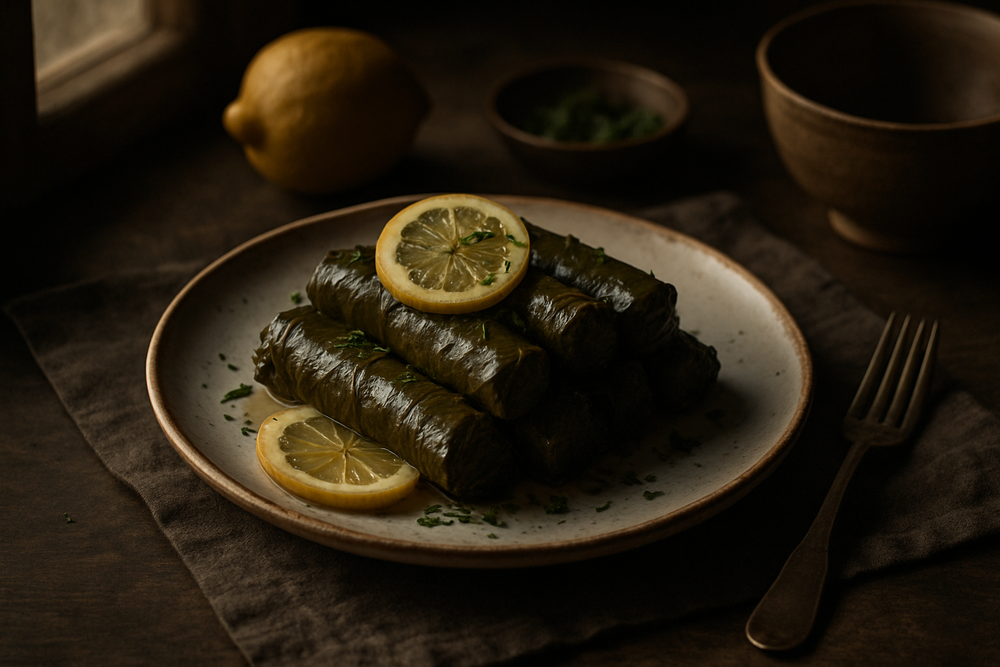
Shop This Ingredient
Stock your pantry with quality fermented grape leaves.
Buy on AmazonAs an Amazon Associate, Plantopedia earns from qualifying purchases. This costs you nothing extra and helps us keep the encyclopedia free.
Frequently Asked Questions
Heart and circulation Fermented grape leaves bring several nutrients linked to cardiovascular health: potassium (which supports healthy blood pressure), calcium, fiber, and a meaningful load of polyphenol antioxidants. Their low calorie and low saturated-fat profile also fits well within heart-healthy dietary patterns. The complication is sodium. Gram for gram, canned or jarred brined grape leaves can contain around 2,850 mg of sodium per 100 g — enough to potentially counteract any cardiovascular benefit if consumed in quantity without rinsing. Always rinse and drain commercial leaves before use, and keep portions moderate if you are managing blood pressure. There are no controlled human trials testing grape leaves directly as a heart-health intervention; benefits are inferred from their nutrient profile. Digestive health and microbiome Grape leaves are reasonably high in dietary fiber, with around 9.9 g per 100 g for canned leaves. Dietary fiber is one of the best-supported nutrients in human research for promoting regular bowel movements, reducing constipation, and supporting a diverse gut microbiome (the community of microorganisms living in the digestive tract). Fermented grape leaves may also carry lactic acid bacteria — the same family of microorganisms found in yogurt, kimchi, and sauerkraut — and fermentation-derived metabolites (by-products of microbial activity) that can interact positively with gut bacteria. However, direct human probiotic studies using grape leaves have not yet been conducted. Current evidence for microbiome benefits is extrapolated from research on other fermented vegetables rather than tested specifically in grape leaf interventions. Blood sugar and metabolism Grape leaves are very low in calories and simple sugars, and their fiber content slows the absorption of glucose from a meal — a characteristic associated with steadier blood sugar responses when fibrous foods replace refined carbohydrates. Some polyphenols found in grape leaves, including certain flavonoids and phenolic acids, have shown inhibitory effects on carbohydrate-digesting enzymes in cell and animal models, suggesting a potential supporting role in glucose management. That said, no controlled human clinical trials have evaluated fermented grape leaves as a specific intervention for fasting blood sugar, insulin resistance, or diabetes outcomes. Using grape leaf wraps instead of refined-flour pastry for grain and legume rolls is a practical lower-glycemic choice, but there is no clinical evidence of a targeted blood sugar effect beyond their contribution to an overall fiber-rich dietary pattern. Inflammation and recovery The polyphenol profile of grape leaves — quercetin, rutin, caffeic acid, gallic acid, and carotenoids — is well-established in laboratory and preclinical research as having antioxidant (neutralizing cell-damaging free radicals) and anti-inflammatory (reducing the biological signaling processes that drive chronic inflammation) activity. Fermentation studies on vine leaves specifically report that total phenolic content and antioxidant capacity are preserved or increased compared to fresh leaves. What is missing is human clinical data. No trials have measured whether eating fermented grape leaves reduces markers of inflammation such as C-reactive protein (a protein the liver produces in response to inflammation, used as a blood test marker) or pro-inflammatory cytokines (signaling proteins that regulate immune responses). Anti-inflammatory effects, while plausible, should be understood as potential contributions within a broader plant-rich diet rather than demonstrated outcomes. Hormones and cycle health Grape leaves contain vitamin K, which plays a well-established role in blood clotting and interacts with calcium metabolism — processes that intersect with hormonal regulation of bone density. Some grapevine polyphenols, including flavonoids, have been studied for weak phytoestrogenic (mildly mimicking estrogen at a molecular level) or endocrine-modulating properties in preclinical models. However, the amounts typically consumed in grape leaves are modest, and no human clinical evidence directly links fermented grape leaf intake to changes in sex hormones, thyroid function, or menstrual cycle health.
Commercial fermented and brined grape leaves (jars or cans) The most widely available option. Leaves are preserved in salty brine and may have undergone lactic acid fermentation, which enhances tenderness and tang. Always rinse and drain thoroughly before use to reduce sodium. Vitamin A, K, calcium, and polyphenols are well-retained. Homemade lacto-fermented grape leaves Fresh vine leaves fermented in a salt-water brine at home, sometimes with spices or garlic. May contain live lactic acid bacteria similar to other homemade fermented vegetables. Sodium content is typically lower and more controllable than commercial products. The probiotic profile has not been systematically studied, but the principle is consistent with other lacto-fermented foods. Fresh (raw or blanched) grape leaves Share a similar nutrient and phytochemical profile to fermented leaves without the fermentation-derived tang or microbial changes. Blanching softens them for wrapping. Very low sodium unless salt is added during preparation. Blanched and frozen grape leaves Nutrient and antioxidant content is generally well-preserved through freezing. Sodium depends entirely on the individual preparation method. A good lower-sodium alternative to commercial brined products when you want to control salt. Bottom line on form: For everyday culinary use, rinsed commercial brined leaves are convenient and nutritionally solid. For the lowest sodium and potential live-culture benefit, homemade lacto-fermented or fresh-blanched leaves are preferable.
No standardized therapeutic dose exists for fermented grape leaves — they are a food, not a supplement, and there is no human clinical research establishing an optimal daily intake for health outcomes. Typical culinary range. Most recipes use 3–10 leaves per serving (roughly 15–50 g drained weight). Six leaves is a common nutrition reference serving. In traditional Mediterranean and Middle Eastern meal patterns, dolma is typically a side dish or part of a mezze spread rather than a primary protein, so quantities tend to be modest. Practical guidance: Start with 3–6 rinsed leaves per meal if you are new to fermented foods; fiber and fermentable carbohydrates can cause temporary bloating if introduced rapidly. If you are monitoring sodium, prioritize rinsing over restricting quantity — rinsing is more effective at reducing sodium than simply eating fewer leaves. Eating grape leaves a few times per week as part of a varied plant-rich diet is consistent with the dietary patterns (Mediterranean and similar) associated with the strongest human evidence for long-term health. If you take warfarin, keep your weekly intake consistent rather than eating large amounts occasionally, and discuss with your prescriber.
Quick Answers
Common questions, answered in a line.
Fermented grape leaves are a rich source of polyphenol antioxidants like quercetin, rutin, and gallic acid, which support immune function and oxidative defense. They also provide fiber, vitamin A, vitamin K, and calcium while remaining very low in calories.
Yes, you should always rinse commercial brined grape leaves under cold water for 30–60 seconds before eating or cooking. This simple step removes a significant portion of surface sodium and mellows the harshness of the brine.
Fermented grape leaves are an excellent low-calorie, nutrient-dense wrap for those managing their weight. Using a single leaf to wrap chickpeas or falafel adds a briny, herby flavor with almost no additional calories compared to bread or tortillas.
People taking warfarin should be cautious because grape leaves are a significant source of vitamin K, which can interfere with blood-thinning medications. Additionally, those with kidney disease or heart failure should monitor their intake due to the high sodium content in the brine.
When buying jarred grape leaves, look for deep olive-green leaves without brown patches and check that the ingredient list is short. The best options typically contain just grape leaves, water, salt, and citric acid or lemon juice.
Fermented grape leaves can be used as low-calorie wraps for grain bowls, layered into savory casseroles, or chopped into herb-heavy salads. Beyond classic dolma, they pair well with lentils, roasted chickpeas, and tahini-lemon sauces.
Fermented grape leaves contain fiber and lactic acid bacteria, which are generally associated with supporting gut microbiome diversity. However, those with Irritable Bowel Syndrome (IBS) should start with small portions, as the fiber may cause bloating or gas.
For Readers in the USA
Local context — sourcing, seasonality, and regional notes.
You can find jarred or canned grape leaves at major US retailers like Whole Foods Market, Trader Joe's, and Kroger, as well as at local Mediterranean or Middle Eastern specialty grocers. While national chains carry them in the international aisle, specialty markets often offer a wider variety of leaf sizes and domestic brands.
In the US, fresh grape leaves are typically harvested during the late spring and early summer, specifically from May through July, before the heat makes them too tough for fermentation. Foraged leaves from wild North American vines or domestic Vitis vinifera varieties are most tender and pliable during this window.
The USDA National Nutrient Database recognizes grape leaves as a significant source of vitamins A and K, and products sold in the US must follow FDA labeling requirements regarding sodium content. To ensure the highest quality, look for the USDA Organic seal, which guarantees the leaves were grown without synthetic pesticides.
While most commercial grape leaves in the US are imported from the Mediterranean, they are also a staple in Greek-American, Armenian-American, and Arab-American culinary traditions across the country. In states like California and New York, you may even find locally preserved leaves at farmers markets near wine-growing regions.
AI Clinical Review
- Clearly explains that grape leaves are very low in calories yet provide meaningful fiber plus vitamins A (from carotenoids), K, and calcium.
- Appropriately identifies sodium from commercial brining as the main nutritional concern and recommends rinsing to lower salt.
- Accurately notes that fermentation tends to preserve or increase polyphenols (antioxidant plant compounds like quercetin and rutin) while improving texture and flavor.
- Sensibly frames heart, gut, blood sugar, and anti-inflammatory benefits as plausible based on nutrient and phytochemical profiles, not as proven clinical outcomes.
- Human trials specifically testing fermented grape leaves for blood pressure, glycemia, inflammation, or microbiome changes are lacking; most benefits are inferred from related foods or lab/animal data.
- “Probiotic” effects are uncertain in store-bought products; live cultures are more likely in home ferments but remain unstudied in people.
- Reported nutrient and sodium values can vary by brand, brine strength, and rinsing/soaking method, so real-world intake may differ from labels.
- Typical culinary portions are 3–10 rinsed leaves (about 15–50 g drained). If you’re new to fermented or high-fiber foods, start small and assess tolerance.
- If you take warfarin, keep vitamin K intake consistent and discuss regular grape-leaf consumption with your clinician. Those with hypertension, kidney disease, or heart failure should prioritize lower-sodium options and thorough rinsing.
- Fermented foods can contain biogenic amines (including histamine); people with histamine intolerance or IBS may experience symptoms and may prefer smaller portions.
- Homemade lacto-fermented or fresh–blanched/frozen leaves can help you manage sodium and, in the case of home ferments, may offer live cultures; commercial leaves are convenient but benefit from a 30–60 second cold-water rinse.
Salty brine; rinse before rolling.
References
- USDA FoodData Central — grape leaves (canned and raw entries) (fdc.nal.usda.gov)
- USDA nutrient data summary for canned grape leaves (energy, macronutrients, sodium) (batchbase.com.au)
- Compositional review: "More than Just Wine" — grapevine leaves nutrition and mineral content (PMC 2021) (pmc.ncbi.nlm.nih.gov)
- Comprehensive review of grape leaves nutritional value and health benefits (The Pharma Journal, 2022) (thepharmajournal.com)
- Effect of fermentation on antioxidant activity and phenolic content of vine leaves (AGRIS/FAO research report) (agris.fao.org)
- Grape leaves, raw — nutrient breakdown per leaf (University Hospitals nutrition database) (uhhospitals.org)
- Phytochemical profile and antioxidant compounds in grape leaves (plantchemsci.com)
- Wild and fermented grape leaves — traditional use and nutrient highlights (superfoodevolution.com)
- FoodStruct macro and micronutrient analysis of grape leaves (foodstruct.com)
Know Your Numbers
Eating healthy is a start. Now get to know your biomarkers.
Food changes bloodwork — inflammation, lipids, blood sugar and nutrient status all respond to what you eat. 59 markers from $59.
- Results in 7–10 days at 2,000+ Quest sites
- Licensed provider reviews every result
- One flat price, no membership, HSA/FSA eligible
Educational information only, not medical advice. Panels are ordered and reviewed through our licensed partner; Plantopedia may earn a commission.