Champagne Vinegar — health benefits and uses
A refined French pantry vinegar for foods where balsamic would be too heavy.
The Short Answer
Champagne vinegar is a mild, floral vinegar made from Chardonnay and Pinot Noir grapes. It contains roughly 5–7% acetic acid and just 3 to 5 calories per tablespoon, making it a low-calorie way to add acidity to salads and marinades.
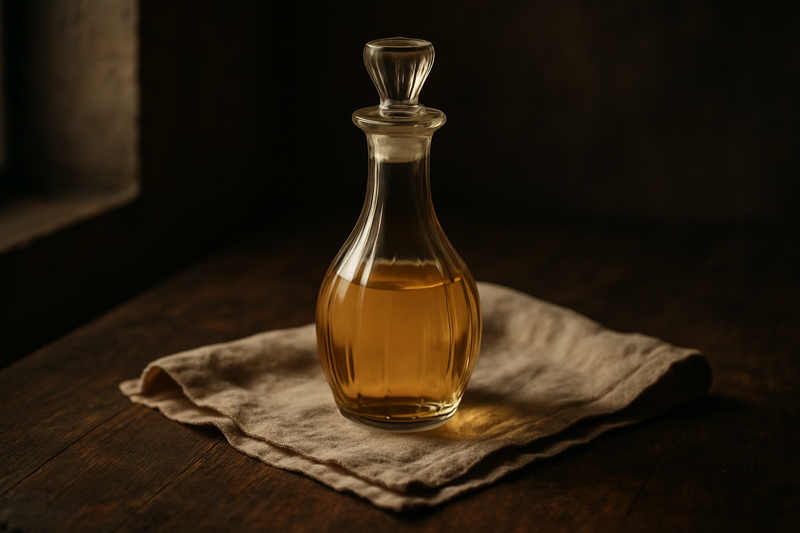
Champagne Vinegar · Photograph
Explore the champagne vinegar health benefits and side effects in plain English. Learn how this delicate sparkling wine vinegar may support blood sugar, digestion, and heart health — plus tooth enamel tips, daily dose guidance, and how it compares to apple cider vinegar.
Key Nutrients
% Daily Value based on 2,000 cal diet
Key active compounds
- Acetic acid — The primary bioactive (health-influencing) compound in all vinegars. Produced when acetic acid bacteria convert ethanol (alcohol) to acid during fermentation. Responsible for the tangy flavor and most of the health-related effects observed in clinical research.
- Wine-derived polyphenols (trace amounts) — Small residual quantities of grape antioxidants such as tartaric acid and other polyphenolic compounds that survive the two-stage fermentation process. Present in too small an amount to be a meaningful antioxidant source on their own, but they contribute to the distinctive flavor profile.
- Water — Champagne vinegar is predominantly water; acetic acid typically makes up 5–7% of the total volume.
Prep and pairing ideas
Champagne vinegar's mild, floral acidity makes it one of the most food-friendly vinegars in the kitchen. Here are three practical ways to use it:
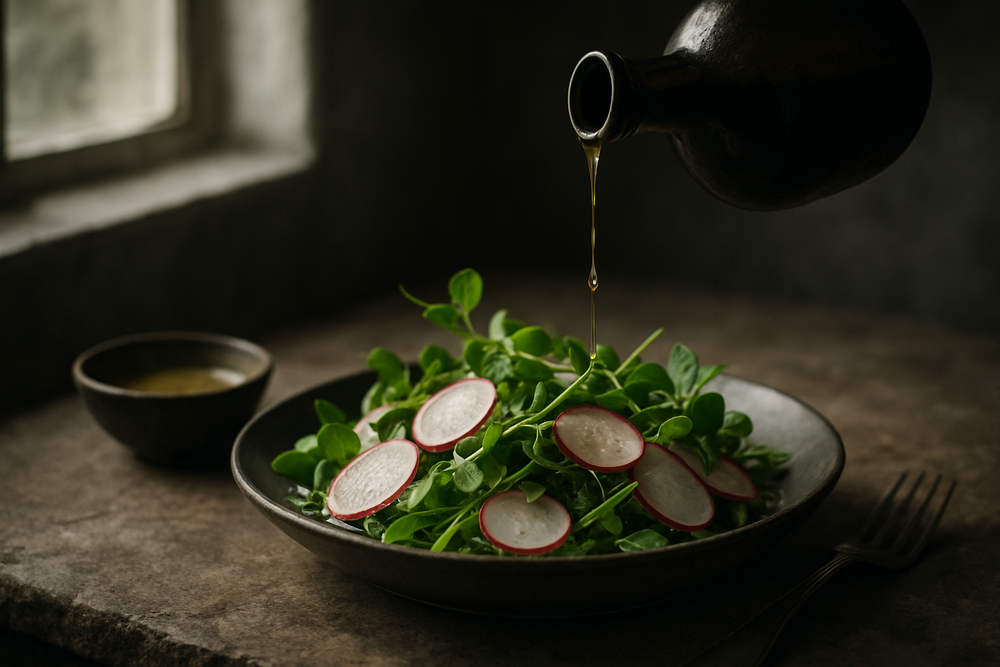
1. Classic spring green vinaigrette Whisk 2 tablespoons of champagne vinegar with 1 teaspoon of Dijon mustard, a small crushed garlic clove, and 3 tablespoons of extra-virgin olive oil. Season lightly and toss with butter lettuce, pea shoots, and shaved radish. The vinegar's delicacy means the greens stay center-stage.
2. Shallot and herb marinade for white beans Combine 1 tablespoon champagne vinegar with finely diced shallot, fresh tarragon, and a pinch of sea salt. Toss with cooked white beans and let sit for 20 minutes before serving. The acid brightens the beans without making them taste sharp or overwhelming.
3. Quick-pickled cucumbers Slice thin cucumber rounds and toss with 2 tablespoons of champagne vinegar, a pinch of sugar, and a pinch of salt. Rest for 15–30 minutes. The result is a light, refreshing pickle that pairs beautifully with grain bowls or simple tofu dishes without the heaviness of a heavier vinegar.
Common pairings and why they work:
- Champagne vinegar + fresh herbs (tarragon, chervil, chives): The vinegar's gentle acidity does not compete with delicate herbs the way red wine vinegar can.
- Champagne vinegar + stone fruit (peaches, apricots): Its slight floral note echoes the sweetness of summer fruit, making it ideal in fruit-forward slaws or grain salads.
- Champagne vinegar + avocado: Where lemon can turn an avocado dressing sharp, champagne vinegar adds brightness with a softer edge — a particularly good match for WFPB (whole-food, plant-based) bowls.
Myths vs. facts
Myth 1: Champagne vinegar is a probiotic food. Fact: Most commercially available champagne vinegar is pasteurized and filtered, which removes any live bacterial cultures. While it is made through fermentation, the finished product does not reliably deliver live probiotics to your gut. If you are looking for a probiotic-rich fermented food, consider unpasteurized sauerkraut, kimchi, or live-culture yogurt instead.
Myth 2: Champagne vinegar is just a fancy name for white wine vinegar. Fact: Champagne vinegar is made specifically from sparkling wine (Champagne or Champagne-style wines), which gives it a finer, slightly more floral flavor profile compared to standard white wine vinegar. The difference is subtle but noticeable in delicate dishes, which is why chefs often reach for it when they want brightness without harshness.
Myth 3: Drinking vinegar daily will detox your liver. Fact: There is no clinical evidence that champagne vinegar or any other vinegar "detoxifies" the liver. The liver is a self-regulating organ and does not require external acidic compounds to do its job. The modest benefits observed in vinegar research are related to glycemic control and lipid markers, not detoxification.
Bottom line
Champagne vinegar is a genuinely useful pantry staple for anyone building a flavorful, low-calorie, plant-forward diet. Its near-zero calorie count, delicate flavor, and acetic acid content make it a smart alternative to heavier dressings and sauces. The research on acetic acid-rich vinegars does suggest real — if modest — benefits for blood sugar balance and some cardiometabolic markers, and those effects are biologically plausible for champagne vinegar even though it has not been tested directly in clinical trials.
It is not a superfood, and it will not replace medical treatment for any condition. But used daily as part of balanced, whole-food meals, it is an easy, low-risk way to add brightness and depth to cooking while keeping calories in check. Just protect your teeth — rinse with water after meals that include vinegar, and never sip it straight.
How Champagne Vinegar Compares
| Compared with | What's different |
|---|---|
| Champagne Vinegar vs. White Wine Vinegar | Sharper, more aggressive acidity with a fruitier, less floral profile. |
| Champagne Vinegar vs. Apple Cider Vinegar | Stronger, fruity flavor with higher sugar content and a cloudy appearance. |
| Champagne Vinegar vs. Balsamic Vinegar | Deeply sweet and syrupy with a dark color, unlike the light and dry champagne profile. |
Health Benefits
Things to Know
Tooth enamel: Champagne vinegar is acidic (typically pH 2.5–3.5). Sipping it undiluted, using it in large amounts, or consuming it frequently throughout the day can gradually erode dental enamel (the hard outer layer of your teeth). Use it as part of a full meal, then rinse with plain water. Wait at least 30 minutes before brushing, as enamel is temporarily softened by acid and brushing immediately can increase abrasion.
GERD and acid-sensitive conditions: If you have reflux, gastritis, or a peptic ulcer, acidic foods including vinegar may worsen symptoms. Start with small amounts and see how you feel.
Diabetes medications: If you use insulin or oral hypoglycemic agents (medications that lower blood sugar, such as sulfonylureas), increasing your daily vinegar intake may modestly enhance their glucose-lowering effect, raising the risk of hypoglycemia (low blood sugar). Monitor your glucose and talk to your prescriber.
Diuretics and potassium: Very large, chronic intake of vinegar has occasionally been linked to shifts in the body's acid-base balance and potassium levels. This is unlikely at culinary doses but worth noting if you are on medications that affect potassium.
Children: Children's teeth and digestive tracts are more sensitive to acid; avoid offering undiluted vinegar or large amounts to young children.
Pregnancy: Culinary use is generally considered safe; supplemental doses have not been formally studied in pregnancy.
Not a probiotic: Most champagne vinegars are pasteurized. Do not rely on this product as a source of live beneficial bacteria.
Prep Ideas
- — **Champagne vinegar + fresh herbs (tarragon, chervil, chives):** The vinegar's gentle acidity does not compete with delicate herbs the way red wine vinegar can.
- — **Champagne vinegar + stone fruit (peaches, apricots):** Its slight floral note echoes the sweetness of summer fruit, making it ideal in fruit-forward slaws or grain salads.
- — **Champagne vinegar + avocado:** Where lemon can turn an avocado dressing sharp, champagne vinegar adds brightness with a softer edge — a particularly good match for WFPB (whole-food, plant-based) bowls.
Glossary
Shop This Ingredient
Stock your pantry with quality champagne vinegar.
Buy on AmazonAs an Amazon Associate, Plantopedia earns from qualifying purchases. This costs you nothing extra and helps us keep the encyclopedia free.
Frequently Asked Questions
Because champagne vinegar has not been studied in dedicated clinical trials, the sections below draw on research into acetic acid and other vinegars (primarily apple cider vinegar and generic wine vinegar). Where this is the case, we say so clearly. Heart and circulation A 2024 systematic review published in BMJ Nutrition, Prevention & Health found that daily consumption of 15–30 mL of apple cider vinegar over 8–12 weeks was associated with modest reductions in total cholesterol, triglycerides (a type of blood fat), body weight, and waist circumference in overweight and obese adults. Researchers believe acetic acid plays a central role by improving how the body handles glucose (blood sugar) and by influencing lipid (fat) metabolism. Champagne vinegar contains the same active compound — acetic acid — so similar cardiometabolic (heart and metabolism) benefits are biologically plausible. That said, the amounts used in recipes (a drizzle in a vinaigrette) are much smaller than the research doses, so the effect from typical culinary use may be smaller. Champagne vinegar benefits for heart health are best thought of as a small, supportive tool within a broader heart-healthy diet rather than a standalone intervention. Digestive health and microbiome Acetic acid slows gastric emptying (the rate at which food leaves the stomach), which can increase feelings of fullness and blunt sharp rises in blood sugar after meals. Small human studies using other vinegars report this effect when vinegar is consumed alongside carbohydrate-rich foods. You may have seen champagne vinegar marketed for gut health or probiotic support. Most commercial bottles, however, are pasteurized and filtered — meaning any live bacteria from fermentation have been removed. The "mother" of vinegar (a cloudy strand of beneficial bacteria and enzymes sometimes seen in unfiltered vinegars) may be present in artisanal varieties, but even then, champagne vinegar is not a reliable probiotic source. Any digestive benefits are more likely related to acetic acid's effect on gastric motility than to live cultures. People with GERD (gastroesophageal reflux disease), gastritis, or ulcers may find that acidic foods like vinegar aggravate symptoms. Blood sugar and metabolism This is the most evidence-supported area for acetic acid-rich vinegars. Multiple randomized controlled trials (studies where participants are randomly assigned to a vinegar or placebo group) have found that 15–30 mL of vinegar taken with or just before a carbohydrate-containing meal can reduce postprandial glucose (blood sugar after eating) and improve insulin sensitivity (how well your body responds to insulin) over time. If you are curious whether champagne vinegar is good for blood sugar, the honest answer is: probably yes, in the same modest way that other vinegars appear to be — but we do not have champagne-vinegar-specific trial data yet. The effect at culinary doses is likely smaller than in research settings, where participants drank measured amounts of diluted vinegar daily. Inflammation and recovery Animal and cell studies suggest acetic acid and grape polyphenols may have anti-inflammatory and antioxidant properties, but these findings have not yet been confirmed in well-designed human clinical trials specifically for champagne vinegar. Given the trace amounts of polyphenols per tablespoon, it is more accurate to call champagne vinegar a flavorful, low-calorie condiment than a primary anti-inflammatory food.
Plain, unsweetened champagne vinegar is the most versatile and nutritionally straightforward option. Look for bottles where the only ingredient is champagne vinegar (or "sparkling wine vinegar") with no added sugar, caramel color, or preservatives beyond sulfites. Unfiltered or artisanal champagne vinegar may have a slightly fruitier, more complex flavor and may contain some natural sediment. It is a fine choice if you prefer a more nuanced taste, but do not expect it to deliver reliable probiotic activity. Flavored champagne vinegars (citrus-infused, herbal, or fruit-forward varieties) can be delicious, but check the label: some add sugar or fruit purees that meaningfully increase the calorie and carbohydrate content per serving. Ready-made champagne vinaigrettes are convenient, but the calorie count depends almost entirely on the oil and sweeteners used, not the vinegar itself. Making your own at home gives you full control over oil quantity, sodium, and sugar.
For culinary use, 1–2 tablespoons (15–30 mL) per day is a reasonable and well-tolerated range for most healthy adults when used as part of meals rather than drunk straight. Human trials studying vinegar's effects on blood sugar and metabolic markers have typically used 15–30 mL daily, diluted in water or taken with carbohydrate-rich meals, over periods of 4–12 weeks. These doses appear safe and well-tolerated, with the most common side effect being mild gastrointestinal discomfort in some participants. Practical guidance: If you are new to vinegar in larger amounts, start with 1 teaspoon (5 mL) per day mixed into a dressing or diluted in water, and increase gradually. Never drink vinegar straight from the bottle; always dilute or consume it alongside food to minimize acid exposure to teeth and the esophagus (the tube connecting your throat to your stomach). Culinary doses in a homemade vinaigrette are typically much lower than research doses, so the health effects from a salad dressing alone may be modest. There is no established upper limit specifically for champagne vinegar; the general guidance for vinegar as a supplement (not just a seasoning) is to keep daily intake at or below 2 tablespoons unless directed otherwise by a healthcare provider. If you want to explore whether vinegar is a good fit for a specific health goal — particularly blood sugar management — speak with a registered dietitian or your doctor. Looking for recipes and goals that feature fermented foods? Browse our gut and digestion goal guides for meal ideas built around ingredients like champagne vinegar.
Quick Answers
Common questions, answered in a line.
Champagne vinegar contains acetic acid, which may help manage blood sugar by improving glycemic control and lipid markers. The primary bioactive compound, acetic acid, is produced when bacteria convert ethanol into acid during the fermentation process.
No, champagne vinegar is not a probiotic food because most commercial versions are pasteurized and filtered, which removes live bacterial cultures. If you are looking for live probiotics, the article recommends consuming unpasteurized sauerkraut, kimchi, or live-culture yogurt instead.
Champagne vinegar is distinct from white wine vinegar because it is made specifically from sparkling wine, giving it a finer and more floral flavor profile. While the difference is subtle, chefs often prefer champagne vinegar for delicate dishes where brightness is needed without harshness.
Champagne vinegar can damage tooth enamel because it is highly acidic, typically ranging from a pH of 2.5 to 3.5. To protect your teeth, you should use it as part of a full meal, rinse with plain water afterward, and wait 30 minutes before brushing.
There is no clinical evidence that champagne vinegar detoxifies the liver, as the liver is a self-regulating organ that does not require external acidic compounds. Observed benefits of vinegar are actually related to blood sugar balance and lipid markers rather than detoxification.
People taking diabetes medications, such as insulin or sulfonylureas, should be cautious as vinegar may enhance glucose-lowering effects and increase the risk of hypoglycemia. Additionally, those with GERD or peptic ulcers should be careful, as acidic foods can worsen symptoms.
For Readers in the USA
Local context — sourcing, seasonality, and regional notes.
You can find champagne vinegar at most major U.S. grocery chains like Whole Foods, Trader Joe’s, Kroger, and Safeway, typically located in the oil and vinegar aisle. Many American shoppers also find high-quality, small-batch versions at local farmers markets or specialty culinary boutiques.
In the U.S., look for the USDA Organic seal to ensure the vinegar is made from grapes grown without synthetic pesticides and processed according to federal organic standards. While "Champagne" is a protected region in France, many U.S. brands use the term to describe the style of sparkling wine vinegar produced domestically.
Champagne vinegar is a year-round pantry staple in the U.S., though it peaks in popularity during the spring and summer for use in light salads and fruit-based dressings. It is especially common in California-style cuisine, where its delicate acidity complements fresh, seasonal West Coast produce like stone fruits and avocados.
AI Clinical Review
- Accurately frames champagne vinegar as very low calorie (~5 kcal/Tbsp) and useful for adding flavor while displacing higher-calorie dressings.
- Correctly identifies acetic acid as the main bioactive, with modest, plausible benefits for post‑meal glucose and some lipid markers based on studies of other vinegars.
- Sets appropriate expectations about probiotics: most commercial products are pasteurized/filtered and not reliable sources of live cultures.
- Provides sensible dental guidance and notes that acidic foods can aggravate reflux or gastritis in some people.
- There are no clinical trials specific to champagne vinegar; benefits are extrapolated from apple cider and generic wine vinegars, and effects at typical culinary doses may be smaller than trial doses.
- Claims around antioxidant/anti‑inflammatory effects are theoretical here—the residual wine polyphenols are present in trace amounts and have not been shown to produce meaningful clinical outcomes per tablespoon.
- Longer‑term, clinically important endpoints (e.g., HbA1c change, cardiovascular events) have not been established for vinegar use.
- Practical intake used in studies is typically 15–30 mL/day (1–2 Tbsp) with meals, diluted or in dressings; avoid sipping vinegar straight to protect teeth and esophagus.
- People using insulin or sulfonylureas should monitor for low blood sugar when increasing vinegar intake and discuss changes with their clinician.
- Those with GERD, gastritis, peptic ulcer disease, or sensitive enamel may experience symptom flares; children’s teeth are more vulnerable to acids.
- Check labels: some flavored vinegars or bottled vinaigrettes add sugars/sodium; sensitive individuals should note sulfites commonly present in wine vinegars.
Acidic; protect tooth enamel.
References
- USDA FoodData Central — wine vinegar nutrition data (fdc.nal.usda.gov)
- BMJ Nutrition, Prevention & Health (2024) — randomized and controlled trials on apple cider vinegar and metabolic health in overweight adults (nutrition.bmj.com)
- Kanata South Dental — effects of vinegar and acidic foods on dental enamel (kanatasouthdental.com)
- SnapCalorie — champagne vinegar nutrition values per tablespoon (snapcalorie.com)
- Prospre ingredient database — champagne vinegar macronutrient breakdown (prospre.io)
- CarbManager — Napa Valley Naturals champagne vinegar calorie and carb data (carbmanager.com)
- NIH National Center for Complementary and Integrative Health (NCCIH) — overview of vinegar as a dietary supplement (nccih.nih.gov)
Know Your Numbers
Eating healthy is a start. Now get to know your biomarkers.
Food changes bloodwork — inflammation, lipids, blood sugar and nutrient status all respond to what you eat. 59 markers from $59.
- Results in 7–10 days at 2,000+ Quest sites
- Licensed provider reviews every result
- One flat price, no membership, HSA/FSA eligible
Educational information only, not medical advice. Panels are ordered and reviewed through our licensed partner; Plantopedia may earn a commission.