Pomegranate Vinegar — health benefits and uses
Middle Eastern kitchens prize pomegranate's polyphenols; fermentation adds a living tang.
The Short Answer
Pomegranate vinegar is a fermented condiment containing acetic acid and ellagic acid, which may support metabolism and blood sugar regulation. It is best used diluted in water or dressings to protect tooth enamel while providing potent antioxidants like

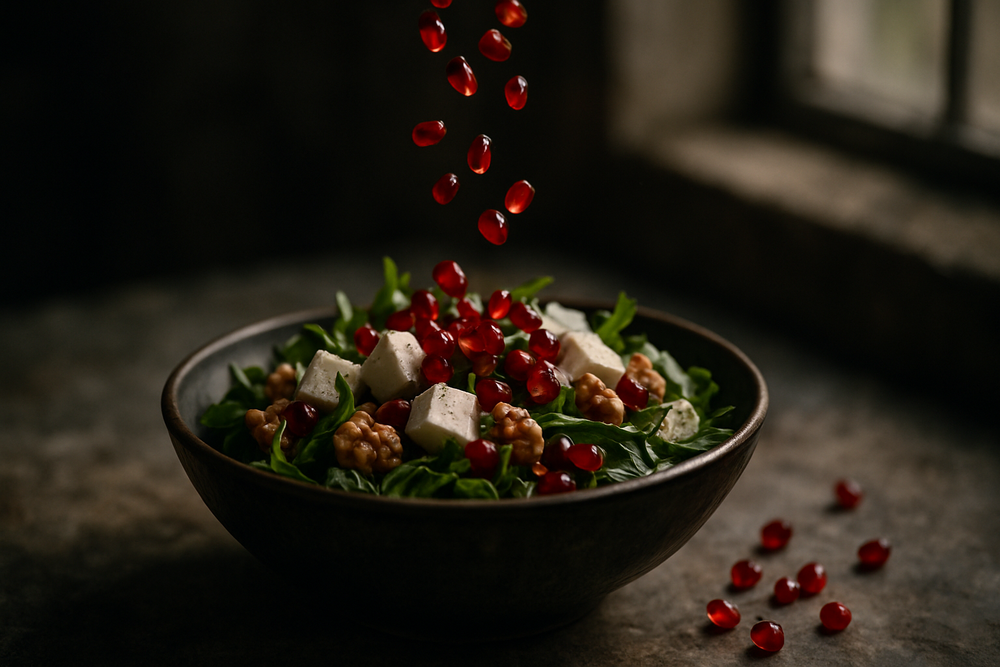
Pomegranate Vinegar · Photograph
Discover the evidence-backed pomegranate vinegar health benefits and side effects, including its effects on visceral fat, blood sugar, heart health, and digestion—plus safe daily amounts, tooth-enamel tips, and easy ways to use it in cooking.
Key Nutrients
% Daily Value based on 2,000 cal diet
Key active compounds
- Acetic acid — The primary organic acid produced during fermentation. Responsible for vinegar's sharp taste and most of its studied metabolic effects, including activating an enzyme called AMPK (see Glossary) that regulates energy use in cells.
- Ellagic acid — A polyphenol naturally present in pomegranate juice and peel. The main human trial used a beverage providing 700 micrograms (µg) per day; it appears to work alongside acetic acid in supporting fat metabolism.
- Punicalagins — Large tannins (a class of polyphenol) unique to pomegranate. Among the most potent antioxidants in the fruit; small amounts survive the fermentation process and may contribute to cardiovascular and anti-inflammatory effects.
- Anthocyanins — The red-purple flavonoid pigments from pomegranate arils (seeds). They give the vinegar its color and provide additional antioxidant capacity, though concentrations are lower after fermentation than in fresh juice.
- Organic acids (malic, citric, quinic) — Minor acids from the original fruit that contribute to flavor complexity and mildly support digestive function.
Prep and pairing ideas
Pomegranate vinegar's slightly sweet tartness makes it a versatile kitchen ingredient. Here are three practical pairings that make the most of its flavor and phytochemical profile:
1. Roasted root vegetable and farro grain bowl Whisk 1 tablespoon pomegranate vinegar with 1 teaspoon extra-virgin olive oil, a pinch of cumin, and a small amount of maple syrup. Drizzle over a warm bowl of roasted beets, carrots, and cooked farro. The acidity cuts through the earthiness and brightens the whole dish. Why it works: whole grains provide fiber that complements the blood-sugar-modulating acetic acid; olive oil's fat helps absorb fat-soluble polyphenols.
2. Lentil and walnut salad dressing Shake together 2 tablespoons pomegranate vinegar, 1 tablespoon tahini, 1 small garlic clove (minced), and water to thin. Toss with cooked green lentils, arugula, and toasted walnuts. Why it works: lentils provide protein and resistant starch (fiber that feeds gut bacteria); walnuts add omega-3 fatty acids; the dressing's polyphenols pair with arugula's glucosinolates for a broad phytonutrient mix.
3. Sparkling tonic mocktail Stir 1 tablespoon pomegranate vinegar into 250 mL sparkling water with a squeeze of orange and a few mint leaves. Serve over ice and drink through a straw. Why it works: a low-sugar, naturally acidic alternative to flavored sodas; using a straw and the dilution protect enamel while still delivering the acetic acid and ellagic acid present in the vinegar.
Buying guide: what to look for on the label
Not all pomegranate vinegars are equal. Here is what to check before buying:
- Ingredients list: ideally, the only ingredient is fermented pomegranate juice (or pomegranate juice and water). Avoid products where the first ingredient is generic white vinegar with pomegranate flavoring added — that is not true pomegranate vinegar.
- Added sugars: some commercial products add sweeteners to balance the tartness. Check the nutrition label; ideally, added sugars should be under 2–3 g per serving.
- Acidity / acetic acid percentage: look for 4–6% acidity, similar to standard culinary vinegars. Very high concentrations (>8%) are harder on teeth and the esophagus.
- "With the mother" label: some raw, unfiltered pomegranate vinegars retain the mother — a strand-like colony of bacteria and cellulose. This may indicate less processing, though the live bacteria content is not clinically proven for probiotic effects.
- Polyphenol content: very few brands declare this, but it is worth noting if they do; the RCT used 700 µg ellagic acid daily.
- Organic certification: reduces pesticide residue risk in the base fruit; worth considering but not obligatory.
Bottom line
Pomegranate vinegar is a genuinely interesting fermented food that sits at the crossroads of two well-studied areas: vinegar research and pomegranate polyphenol research. The most compelling direct evidence is a single well-designed 8-week RCT showing meaningful reductions in visceral fat in overweight women, alongside supportive animal and cell data on AMPK activation and fatty acid metabolism. For blood sugar, lipids, and heart-health markers, the evidence is plausible but currently extrapolated from related products.
In practical terms, pomegranate vinegar earns its place in a food-as-medicine kitchen as a flavorful, low-calorie, polyphenol-rich culinary acid — not as a therapeutic supplement. Use 1–2 tablespoons per day in dressings, grain bowls, or diluted tonics; always dilute and protect your teeth; and treat it as one enjoyable layer of a broader whole-food diet rather than a standalone solution.
If you take medications for blood sugar, cholesterol, or reflux, flag your use to your doctor. The evidence is promising, and the culinary applications are genuinely delicious.
Looking to build a broader gut-health or metabolic-health eating pattern? Explore the Plantopedia health goals guide for ingredient combinations that work together.
How Pomegranate Vinegar Compares
| Compared with | What's different |
|---|---|
| Pomegranate Vinegar vs. Apple Cider Vinegar | Lower in acidity with a sweeter, fruity profile and higher polyphenol content. |
| Pomegranate Vinegar vs. Balsamic Vinegar | Contains less sugar and a thinner consistency than syrupy balsamic glazes. |
Health Benefits
Things to Know
Dilute always.: Pomegranate vinegar has a pH of approximately 2–3 — similar to lemon juice. Never consume it undiluted, whether as a shot or straight from the bottle.
Protect your teeth.: An 8-week study found daily vinegar ingestion increased erosion scores by ~18% compared with controls. Use a straw for any liquid form, rinse with water immediately after, and wait at least 30 minutes before brushing to avoid scrubbing softened enamel.
Take it with food.: Consuming acidic vinegars with a meal buffers their effect on the esophagus and stomach, and the food matrix slows gastric emptying alongside the acetic acid.
Reflux caution.: If you have GERD, esophagitis, or a peptic ulcer, acidic vinegars can worsen heartburn and irritation. Discuss with your doctor before starting.
Medication interactions:
Insulin and hypoglycemic drugs (e.g., metformin, sulfonylureas): acetic acid may lower blood glucose, potentially adding to medication effects and increasing hypoglycemia risk.
Statins and fibrates: pomegranate polyphenols may modestly affect lipid levels; monitor for additive effects.
NSAIDs and bisphosphonates: highly acidic foods can worsen mucosal irritation in the esophagus; use caution.
Kidney disease.: If you have impaired kidney function or acid-base regulation issues, frequent acidic beverages may contribute to acid load. No specific pomegranate vinegar data exist, so err on the side of caution and check with your nephrologist.
Pregnancy and breastfeeding.: Culinary amounts in food are generally considered acceptable; concentrated supplemental doses lack safety data and should be avoided.
Children.: Enamel is more vulnerable during tooth development; regular vinegar tonics or shots are not recommended for children or adolescents.
Glossary
Shop This Ingredient
Stock your pantry with quality pomegranate vinegar.
Buy on AmazonAs an Amazon Associate, Plantopedia earns from qualifying purchases. This costs you nothing extra and helps us keep the encyclopedia free.
Frequently Asked Questions
Heart and circulation No clinical trials have directly tested pomegranate vinegar on cardiovascular endpoints, but the evidence mosaic is suggestive. Studies on pomegranate juice in people with metabolic syndrome (a cluster of conditions — high blood pressure, high blood sugar, excess abdominal fat — that raise heart-disease risk) report reductions in systolic and diastolic blood pressure, C-reactive protein (CRP, a marker of inflammation), and improvements in lipid profiles (lower LDL cholesterol and triglycerides, modestly higher HDL). Results across trials are heterogeneous, meaning not every study shows the same effects. On the vinegar side, Harvard Health commentary notes that evidence for acetic acid's direct benefit on arterial function is limited and any effect is small relative to established strategies like diet and exercise. The visceral fat reduction seen in the one pomegranate vinegar RCT is indirectly relevant here — excess visceral fat (the deep belly fat that wraps around organs) is a strong independent risk factor for heart disease. Bottom line for heart health: emerging, not established. Use alongside, not instead of, proven lifestyle strategies. Digestive health and microbiome Pomegranate vinegar is often marketed as a gut-health product, and fermented beverages do contribute small amounts of organic acids and phytochemicals that interact with the digestive system. Acetic acid has been shown in some research to slow gastric emptying (the rate at which food leaves the stomach), which can blunt post-meal blood sugar spikes and may affect satiety. However, pomegranate vinegar is not a confirmed probiotic source in clinical literature — fermentation may not leave meaningful numbers of live bacteria in the finished product. If gut microbiome diversity is your goal, traditional fermented foods like kefir, kimchi, or kombucha have stronger probiotic evidence. Importantly, the high acidity of vinegar can worsen symptoms in people with GERD (gastroesophageal reflux disease, or chronic acid reflux) or esophagitis. Always dilute, take with food, and stop use if burning or reflux symptoms worsen. Blood sugar and metabolism This is the most researched area for pomegranate vinegar specifically. The one direct human RCT (8 weeks, 78 overweight women) found that a standardized pomegranate vinegar beverage — 200 mL per day providing 1.5 g acetic acid and 700 µg ellagic acid — significantly reduced visceral adipose tissue (deep belly fat measured by CT scan) compared with placebo, with increased AMPK activation in fat tissue. AMPK activation promotes fatty acid oxidation (fat burning) and reduces lipogenesis (new fat creation). For blood sugar specifically, no pomegranate vinegar trials have measured glycemic endpoints directly. But a 12-week RCT on apple cider vinegar found significant reductions in fasting blood glucose, triglycerides, and total cholesterol in overweight participants. Because pomegranate vinegar shares acetic acid as its active backbone, similar glycemic benefits are biologically plausible — but not yet proven in direct trials. Cell studies show that the combination of acetic acid and pomegranate polyphenols upregulates genes involved in fatty acid oxidation (PPAR-α, CPT-1, acyl-CoA oxidase), suggesting the two components work together rather than simply adding up. Inflammation and recovery Pomegranate polyphenols — particularly punicalagins and ellagic acid — are among the better-studied natural anti-inflammatory compounds. Clinical trials using pomegranate juice in metabolic syndrome patients show reductions in CRP and other inflammatory markers. Whether these effects translate to pomegranate vinegar at typical culinary doses has not been tested in an RCT with inflammation as the primary outcome. Animal studies show pomegranate vinegar reduces hepatic (liver) and plasma triglycerides via AMPK signaling, which is closely linked to metabolic inflammation. The evidence is mechanistically coherent, but clinical confirmation in humans is still needed. Hormones and cycle health Evidence here is minimal and largely speculative. Some systematic reviews mention randomized trials of pomegranate interventions in women with PCOS (polycystic ovary syndrome), but those focused on metabolic and cardiovascular markers rather than reproductive hormones. No human trials have evaluated pomegranate vinegar specifically for sex hormone levels, menstrual regularity, or menopausal symptoms. Any claims about hormonal balance should be treated as extrapolation from the broader pomegranate literature.
Pomegranate vinegar comes in a few practical forms, and your choice affects both safety and how much of the active compounds you actually get. Culinary liquid vinegar is the most common and the safest starting point. Whisked into dressings or drizzled over food, it is naturally diluted by the meal, reducing direct enamel and esophageal exposure. This is the recommended everyday form. Diluted tonic (1–2 tablespoons in at least 240 mL / 8 oz of water) is closer to the beverage format used in the clinical trial, but the trial used a standardized formulation — commercial products vary widely in acetic acid and polyphenol concentration. If drinking it as a tonic, always use a straw and rinse your mouth with water afterward. Pre-formulated vinegar beverages (ready-to-drink products blending pomegranate vinegar with other fruit vinegars or sweeteners) may alter the sugar content and acidity. Check the label: added sugars and caloric sweeteners can offset metabolic benefits. Concentrated shots (undiluted) carry the highest risk of enamel erosion and esophageal irritation and are not supported by the clinical evidence base. Avoid.
The metabolically curious home cook Wants functional foods that fit naturally into meals, not a supplement routine Already eats a largely whole-food, plant-based diet and is looking for flavorful additions with some evidence behind them Will use 1–2 tablespoons in grain bowls, roasted vegetable dressings, or lentil salads — enjoying the flavor as much as any potential benefit The person managing weight or metabolic health alongside lifestyle changes Working with a doctor or dietitian on blood sugar, lipids, or visceral fat reduction Interested in evidence-based adjuncts and wants to understand what the one human RCT actually showed (and its limits) Will dilute carefully, track how their body responds, and flag any use to their prescribing physician — especially if on metformin, insulin, or a statin
The only published human trial used 200 mL per day of a standardized pomegranate vinegar beverage — not neat vinegar — providing exactly 1.5 g acetic acid and 700 µg ellagic acid over 8 weeks under medical supervision. That is a formulated, controlled dose; most commercial pomegranate vinegars will vary significantly in polyphenol content. For everyday culinary use, 1–2 tablespoons (15–30 mL) per day is a practical and safe range consistent with general guidance on using acidic vinegars. This translates to roughly 0.5–1.0 g acetic acid, depending on concentration — enough to potentially contribute to the metabolic effects observed in vinegar research, while remaining well within a tolerable acid load for most healthy adults. Start with 1 teaspoon (5 mL) diluted in water or incorporated into food, then increase gradually over 1–2 weeks to assess tolerance. If you experience heartburn, throat irritation, or increased tooth sensitivity, reduce the amount or stop. There is no established optimal dose for pomegranate vinegar, and more is not necessarily better — higher acidity means greater risk to teeth and the gastrointestinal tract.
Quick Answers
Common questions, answered in a line.
Pomegranate vinegar helps with weight management by activating the AMPK enzyme, which regulates energy use in cells and supports fat metabolism. A clinical study showed that daily consumption over eight weeks led to meaningful reductions in visceral fat among overweight women.
To protect your teeth, always dilute pomegranate vinegar in water, use a straw to minimize contact with enamel, and rinse your mouth with plain water immediately after. You should also wait at least 30 minutes before brushing your teeth to avoid scrubbing softened enamel.
Pomegranate vinegar is rich in acetic acid, ellagic acid, punicalagins, and anthocyanins. These compounds provide a mix of organic acids and potent antioxidants that support metabolic health, cardiovascular function, and anti-inflammatory processes.
People taking insulin, metformin, statins, or NSAIDs should consult a doctor before using pomegranate vinegar regularly. The acetic acid and polyphenols may increase the risk of hypoglycemia or cause additive effects with cholesterol-lowering and anti-inflammatory medications.
When buying pomegranate vinegar, look for a label where the only ingredient is fermented pomegranate juice rather than white vinegar with flavoring. Check that the acidity is between 4–6% and that added sugars are kept under 2–3 grams per serving.
Pomegranate vinegar should never be consumed as a straight shot because its low pH of 2–3 can irritate the esophagus and erode tooth enamel. It is safest to consume it diluted in at least 250 mL of liquid or as part of a food-based dressing or sauce.
You can use pomegranate vinegar in salad dressings with tahini and walnuts, as a drizzle for roasted root vegetables, or stirred into sparkling water for a low-sugar mocktail. Its sweet-tart profile pairs well with fats like olive oil and earthy flavors like beets or lentils.
For Readers in the USA
Local context — sourcing, seasonality, and regional notes.
In the US, you can find authentic pomegranate vinegar at national retailers like Whole Foods Market, Sprouts Farmers Market, and Trader Joe's, or via online specialty importers. Look for brands in the vinegar aisle or the international foods section, ensuring the label specifies "naturally fermented" rather than just pomegranate-flavored white vinegar.
Domestic pomegranate vinegar is typically produced using fruit harvested between September and January, primarily from orchards in California’s San Joaquin Valley. While the vinegar is shelf-stable and available year-round, many artisanal American producers release small-batch bottles shortly after the winter pressing season.
USDA Organic certification ensures the pomegranates were grown without synthetic pesticides and the vinegar was processed without prohibited additives like artificial dyes. While not required for health benefits, the USDA seal provides a verified standard for consumers looking to avoid residual agricultural chemicals in their fermented tonics.
Pomegranate vinegar is a popular staple in Middle Eastern and Mediterranean specialty markets across the US, often labeled as "pomegranate molasses vinegar" or simply "pomegranate vinegar." In American culinary circles, it is frequently used as a premium substitute for balsamic vinegar in California-style fusion cooking and modern salad dressings.
AI Clinical Review
- Clearly explains that pomegranate vinegar combines acetic acid with fruit polyphenols (ellagic acid, punicalagins, anthocyanins), which may act together on metabolic pathways like AMPK (a cellular energy sensor).
- Accurately frames the evidence: one 8‑week randomized controlled trial in overweight women found a reduction in visceral fat with a standardized pomegranate vinegar beverage, supported by mechanistic animal/cell data.
- Provides practical, food-first guidance (1–2 tablespoons daily in meals or well‑diluted) and emphasizes dilution and enamel protection—key for an acidic product.
- Appropriately notes that heart and glycemic benefits are plausible but should complement, not replace, established lifestyle measures.
- Human data specific to pomegranate vinegar are limited to a small, short trial in a narrow population; results may not generalize to men, older adults, or those with chronic disease.
- The trial used a formulated beverage (≈1.5 g acetic acid + 700 µg ellagic acid/day); it’s unclear whether typical retail vinegars match this composition or effect size.
- Direct glycemic outcomes with pomegranate vinegar haven’t been tested; current claims lean on studies of apple cider vinegar or pomegranate juice rather than head‑to‑head data.
- Cardiovascular endpoints (events, arterial function) haven’t been studied for this vinegar; juice studies show mixed results, so expectations should remain modest.
- Safety: Vinegar is highly acidic (pH ~2–3). Regular undiluted intake can erode tooth enamel and aggravate reflux—dilution, using a straw for beverages, rinsing with water, and taking with food are sensible precautions.
- Reasonable use: Culinary amounts of 1–2 tablespoons (15–30 mL) per day are a practical ceiling for most healthy adults; start with ~1 teaspoon (5 mL) to assess tolerance.
- Who should check with a clinician: People with GERD/esophagitis or peptic ulcer; those on glucose‑lowering drugs (including insulin) or drugs affecting lipids (e.g., statins, fibrates); individuals with significant dental erosion; people with kidney disease; pregnant or breastfeeding individuals; and children.
- Product choice matters: Look for true pomegranate vinegar (not white vinegar with flavoring), 4–6% acidity, minimal added sugars; “with the mother” indicates less filtration but does not guarantee probiotic effects.
Acidic; dilute and protect tooth enamel.
References
- USDA FoodData Central — distilled vinegar nutritional data (fdc.nal.usda.gov)
- Pomegranate vinegar reduces visceral fat via AMPK in overweight women (8-week RCT) (semanticscholar.org)
- Pomegranate polyphenols and acetic acid enhance fatty acid oxidation in liver cells (HepG2 cell study) (pmc.ncbi.nlm.nih.gov)
- Pomegranate vinegar attenuates adiposity in obese rats via AMPK activation (animal study) (pubmed.ncbi.nlm.nih.gov)
- Pomegranate and metabolic syndrome risk factors — systematic review of clinical studies (pubmed.ncbi.nlm.nih.gov)
- Apple cider vinegar for weight management in adolescents and adults — 12-week RCT (nutrition.bmj.com)
- In vitro dental erosion caused by different vinegar varieties (pubmed.ncbi.nlm.nih.gov)
- Daily vinegar ingestion and erosive tooth wear — clinical evidence (pubmed.ncbi.nlm.nih.gov)
- Harvard Health: Is vinegar good for the arteries? (safety and cardiovascular commentary) (health.harvard.edu)
- Harvard Health: Apple cider vinegar for heartburn — reflux and safety overview (health.harvard.edu)
Know Your Numbers
Eating healthy is a start. Now get to know your biomarkers.
Food changes bloodwork — inflammation, lipids, blood sugar and nutrient status all respond to what you eat. 59 markers from $59.
- Results in 7–10 days at 2,000+ Quest sites
- Licensed provider reviews every result
- One flat price, no membership, HSA/FSA eligible
Educational information only, not medical advice. Panels are ordered and reviewed through our licensed partner; Plantopedia may earn a commission.