Gut Health for Beginners
A plain-English starting point for gut health: what the microbiome is, what actually shifts it, and which popular claims do not hold up.
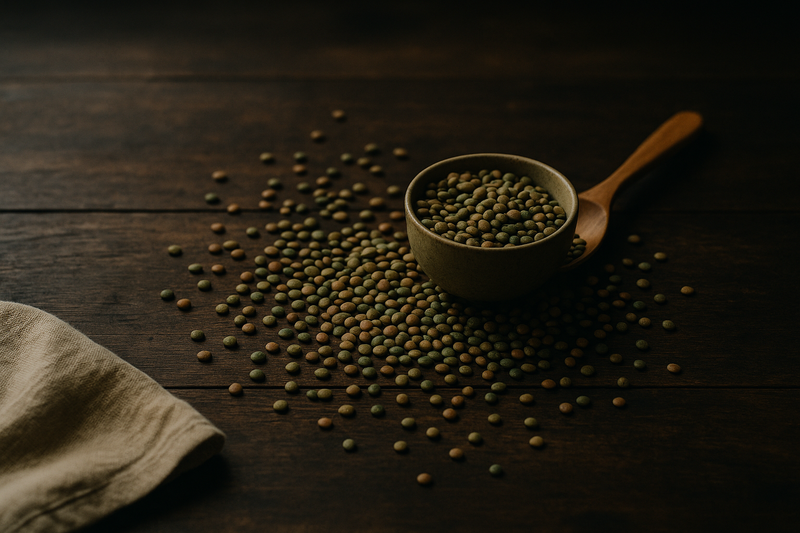
Gut health, in practice, comes down to three things: digestion that is comfortable and reasonably predictable, an intestinal lining that does its job, and a diverse community of gut microbes that are being fed. For most beginners the highest-yield move is not a probiotic capsule. It is eating more fiber, eating a wider variety of plants, and adding a small daily portion of fermented food. Those three changes have the most human evidence behind them.
Key takeaways
- Your gut microbiome is the community of bacteria and other microbes living mostly in the colon, and diet is one of the few levers you directly control.
- Fiber is the main food for those microbes, and the vast majority of American adults fall short of fiber recommendations.
- Plant variety appears to matter independently of diet label: in the American Gut Project, people eating more than 30 different plant types per week had more diverse gut microbiomes than those eating 10 or fewer.
- A 10-week Stanford randomized trial found that a fermented-food diet increased microbial diversity and lowered 19 inflammatory blood proteins, while a high-fiber diet over the same period did not produce those specific changes.
- Most microbiome and disease links are associations, not proven cause and effect, and persistent digestive symptoms need medical evaluation rather than a supplement.
What gut health actually is
The digestive tract is a tube running from mouth to anus, and most of what people mean by gut health happens in its last stretch. The colon houses trillions of bacteria, plus fungi, viruses and other microbes, collectively called the gut microbiome.
Three components are worth separating.
Motility and comfort. How food moves through, and whether that process produces pain, bloating, urgency or constipation. This is what most people notice.
The intestinal barrier. A single layer of cells, covered in mucus, that absorbs nutrients while keeping bacteria and bacterial products out of the bloodstream. Intestinal permeability is a real, measurable phenomenon. "Leaky gut syndrome" as a standalone diagnosis sold alongside a supplement protocol is a different thing, and is not a recognized clinical diagnosis.
The microbial community. Its composition and diversity. Higher diversity is generally associated with better health outcomes in population studies, though "more diverse is always better" is an oversimplification, and there is no single ideal microbiome.
Why it matters
When gut bacteria ferment fiber they produce short-chain fatty acids, mainly acetate, propionate and butyrate. Butyrate is the preferred fuel for the cells lining the colon and supports barrier function, and short-chain fatty acids act as signaling molecules that influence immune and metabolic pathways. This is well-characterized biochemistry.
The gut is also where a large share of immune tissue sits, which is why the microbiome shows up in research on immune regulation, inflammation and metabolic health.
The honest caveat: much of what you read connects microbiome patterns to conditions ranging from obesity to depression using observational data. Those studies show that patterns travel together. They rarely establish that changing the microbiome changes the disease. Treat mechanistic stories about specific bacterial species with skepticism, especially when they arrive attached to a product.
Core principles
1. Eat more fiber, and increase it slowly. This is the highest-yield change available. Fiber intake is a recognized shortfall in the United States, with the large majority of adults below recommended amounts. Legumes, intact whole grains, vegetables, fruit, nuts and seeds all contribute. See /food/lentils and /food/oats.
2. Prioritize variety over any single food. Different fibers feed different microbes. The American Gut Project found that the number of distinct plant types eaten per week tracked with microbiome diversity more closely than diet labels like vegan or vegetarian did. Herbs, spices, nuts, seeds, grains and different colored vegetables all count as separate plants. See /food/black-beans and /food/kale.
3. Add a small daily portion of fermented food. In the Stanford trial, 36 healthy adults were randomized to a fermented-food or high-fiber diet for 10 weeks. The fermented-food group increased overall microbial diversity, with larger servings producing stronger effects, and showed decreases in 19 inflammatory proteins. This was a small study, and it does not mean fiber is unimportant. It does suggest fermented foods add something fiber alone did not, at least over 10 weeks. See /food/sauerkraut and /food/kimchi.
4. Go gradually. Jumping from 12 g of fiber a day to 35 g overnight reliably produces gas and bloating. Add one serving at a time and hold for several days. Drink enough water.
5. Do not neglect the non-food levers. Sleep, regular movement, managing stress and avoiding unnecessary antibiotics all interact with digestive function. Restrictive dieting, done without reason, tends to reduce plant variety, which works against you.
A starter plate and a simple checklist
A workable starter plate looks like this. Half the plate is vegetables, ideally two or three different ones with different colors. A quarter is an intact whole grain, such as oats, barley, farro or brown rice. A quarter is legumes or another plant protein. Add a spoon of olive oil, a scatter of nuts or seeds, and a small side of something fermented.
A first-month checklist:
- Eat legumes at least four days a week. Canned, drained and rinsed is fine.
- Swap one refined grain for an intact one each day.
- Add two tablespoons of seeds to something daily. See /food/chia-seeds.
- Include a fermented food most days, roughly a quarter cup of sauerkraut or kimchi, or a serving of unsweetened yogurt or kefir if you eat dairy.
- Count distinct plants across a week and try to raise the number. Aim in the direction of 30, but treat that as a target rather than a rule.
- Keep fruit whole rather than juiced most of the time. See /food/apple.
- Increase water alongside fiber.
Myths and limits
"You need a probiotic supplement." Probiotic effects are strain-specific and condition-specific. Some strains have evidence for particular situations, such as antibiotic-associated diarrhea. General claims that a multi-strain capsule will improve gut health in a healthy adult are not well supported, and fermented foods are cheaper.
"Cleanses and detoxes reset the gut." They do not. The liver and kidneys handle detoxification. Colon cleansing carries real risks including dehydration and electrolyte disturbance.
"A stool test will tell you what to eat." Consumer microbiome tests can describe what was in a sample. Translating that into individualized dietary prescriptions is not validated, and results vary substantially between kits and between samples from the same person.
"More fiber is always better." Not for everyone. In irritable bowel syndrome, certain fermentable carbohydrates can worsen symptoms, and a temporary low FODMAP approach under professional guidance is sometimes used. IBS is a disorder of gut-brain interaction and needs proper assessment rather than self-management by internet protocol.
"Bone broth or collagen seals the gut." There is no reliable human evidence for this claim.
Next steps
Weeks one and two: add legumes and one fermented food. Change nothing else. Note how you feel.
Weeks three and four: swap refined grains for intact ones, and start counting plant variety across the week.
Months two and three: build the habit, keeping variety high and portions reasonable. Digestive comfort often improves within a few weeks. Microbiome changes measured in trials took weeks to months, and they partly revert when the diet reverts.
When to seek care, not more fiber. See a clinician promptly for rectal bleeding, black or tarry stools, unintentional weight loss, iron deficiency anemia, a persistent change in bowel habits lasting more than a few weeks, difficulty swallowing, vomiting, symptoms that wake you at night, or a family history of colorectal cancer or inflammatory bowel disease. Also follow national colorectal cancer screening guidance for your age and risk group. These symptoms deserve evaluation, and dietary change should never delay it.
Bottom line
Gut health for beginners is not complicated: more fiber, more different plants, a little fermented food most days, added gradually. Those changes have the most direct human evidence behind them and are cheap. Skip the cleanses and the stool-test-driven protocols. And treat persistent or alarming digestive symptoms as a medical question, because they are one.
Frequently asked questions
How long does it take to change my gut microbiome? Measurable shifts appear within weeks. The Stanford fermented-food trial ran 10 weeks and saw increases in diversity. Changes also tend to reverse when the diet reverses, so the useful frame is a sustained pattern rather than a short reset.
Do I have to eat 30 plants a week? No. The number comes from an observational study in which people eating more than 30 plant types per week had more diverse microbiomes than those eating 10 or fewer. It is a helpful prompt to increase variety, not a validated clinical threshold. Moving from 10 to 20 is meaningful progress.
Are fermented foods safe for everyone? For most people, yes, in ordinary food portions. They are high in sodium, which matters if you are managing blood pressure or kidney disease. People who are significantly immunocompromised or pregnant should ask their clinician about unpasteurized products. Start with small servings if you are not used to them.
Why do I get bloated when I eat more fiber? Usually because you increased too fast. Gut bacteria adapt over days to weeks, and fermentation produces gas in the meantime. Slow the rate of increase, spread fiber across meals, and drink enough water. If bloating is severe, persistent or accompanied by pain or weight loss, get it assessed.
Is yogurt enough on its own? It contributes, but it is one food. The evidence points toward a combination of variety and volume: many different fiber sources plus regular fermented foods. A single yogurt on an otherwise low-fiber diet is unlikely to accomplish much.
Sources and evidence
- American Gut: an open platform for citizen science microbiome research, mSystems
- Stanford Medicine on the fermented-food diet trial, microbiome diversity and inflammatory proteins
- Effects of dietary fibers on short-chain fatty acids and gut microbiota in healthy adults, systematic review
- Gut microbiota and short-chain fatty acids, review
- Dynamics of human gut microbiota and short-chain fatty acids with fermentable fibers, mBio
- NIDDK, symptoms and causes of irritable bowel syndrome
- NIDDK, definition and facts for irritable bowel syndrome
- USDA Economic Research Service on dietary fiber consumption in the United States
- Dietary Guidelines for Americans, pulses, dietary fiber and chronic disease risk
Know Your Numbers
Eating healthy is a start. Now get to know your biomarkers.
Food changes bloodwork — inflammation, lipids, blood sugar and nutrient status all respond to what you eat. 59 markers from $59.
- Results in 7–10 days at 2,000+ Quest sites
- Licensed provider reviews every result
- One flat price, no membership, HSA/FSA eligible
Educational information only, not medical advice. Panels are ordered and reviewed through our licensed partner; Plantopedia may earn a commission.