Best Foods for Gut Health
High-fiber plants eaten in variety plus a small daily serving of genuinely fermented food is the combination with the best human evidence behind it. Here is the food list, the dosing, and the cautions.
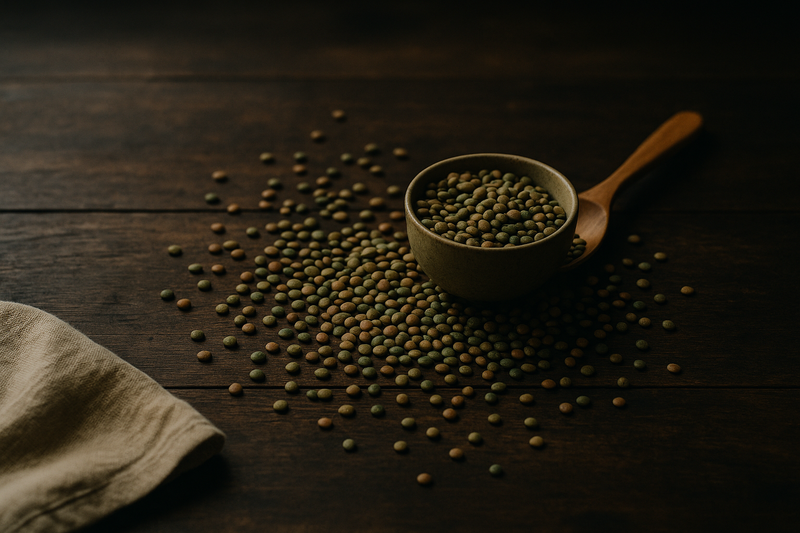
The best foods for gut health are high-fiber plants eaten in variety, plus live-culture fermented foods. In practice that means legumes, whole grains, vegetables, fruit, nuts and seeds, alongside kimchi, sauerkraut, miso or tempeh. No single food fixes a gut. What holds up in human trials is that fermentable fiber feeds bacteria that produce short-chain fatty acids, and that fermented foods can raise microbial diversity and lower some markers of inflammation.
Key takeaways
- Variety of plants appears to matter more than any single "gut food," and most people can raise variety without buying anything exotic.
- Dietary fiber is one of the nutrients the Dietary Guidelines for Americans flags as underconsumed in the United States, so the gap is large for most people.
- A 10-week randomized trial at Stanford found that a fermented-food diet increased gut microbial diversity and lowered several inflammatory proteins.
- Fiber's main gut effect runs through fermentation into short-chain fatty acids such as butyrate, the preferred fuel of the cells lining the colon.
- Increase fiber gradually, and treat bleeding, persistent pain or unexplained weight loss as a reason to see a clinician rather than a reason to change your diet.
How these foods were chosen
Four filters were applied. Human evidence came first: randomized or controlled feeding trials where they exist, prospective cohorts where they do not, and mechanisms labeled clearly as mechanisms rather than results. Second, fermentable substrate. Does the food actually supply carbohydrate that colonic bacteria can use, rather than only adding bulk? Third, alignment with mainstream guidance, so nothing here conflicts with the Dietary Guidelines for Americans or with standard gastroenterology advice. Fourth, practicality, meaning widely stocked in US supermarkets and cheap enough to eat several times a week.
One category was deliberately left out. General-purpose probiotic supplements are marketed for "gut health" as though probiotics were one thing. The National Center for Complementary and Integrative Health notes that effects are strain-specific and that evidence remains inconclusive for most conditions. Whole foods are the more defensible starting point, and they bring fiber, minerals and polyphenols that capsules do not.
The food list, and why each earns its place
Pulses. Lentils, chickpeas, black beans and split peas carry an unusual combination of soluble fiber, resistant starch and oligosaccharides. That mix reaches the colon largely intact, which is exactly what fermenting bacteria need. Pulses are also among the densest fiber sources per dollar in an American grocery store.
Oats and barley. Oats supply beta-glucan, a viscous soluble fiber that is readily fermented. Barley carries more of it per serving. Both are cheap, shelf-stable and easy to eat daily, which matters more in practice than any theoretical ranking.
Alliums and other prebiotic-rich vegetables. Garlic, onions, leeks, asparagus and artichoke contain inulin-type fructans, the carbohydrate class most often studied under the label "prebiotic." Green bananas and cooked-then-cooled potatoes add resistant starch. Most of these are seasoning-level ingredients, so they raise plant variety with almost no effort.
Berries and other high-fiber fruit. Blueberries bring fiber plus polyphenols, most of which are not absorbed in the small intestine and instead arrive in the colon, where microbes metabolize them. Apples, pears and raspberries do similar work.
Nuts and seeds. Chia seeds form a gel that slows transit and adds fermentable fiber. Walnuts, almonds, sunflower seeds and pumpkin seeds all count toward plant variety and contribute fiber that gets overlooked because portions are small.
Kiwifruit and prunes. These earn a place for a narrow, well-tested reason. In a randomized comparative-effectiveness trial in US adults with chronic constipation, green kiwifruit, prunes and psyllium each significantly increased weekly complete spontaneous bowel movements, with kiwifruit producing the fewest adverse events and the lowest dissatisfaction. That is a motility finding rather than a microbiome finding, and the two are worth keeping separate.
Live-culture fermented foods. Kimchi, sauerkraut, tempeh, miso and unpasteurized vegetable ferments deliver live microbes plus compounds produced during fermentation. In the Stanford trial, a fermented-food diet increased overall microbial diversity and reduced several inflammatory proteins over 10 weeks, with larger servings producing stronger effects. Look in the refrigerated section. Shelf-stable pickles made with vinegar are not fermented.
How to actually use them
Go slowly. A jump from 12 grams of fiber a day to 35 will usually produce gas and bloating, which people then misread as intolerance. Adding roughly 5 grams a week gives the microbial community time to adjust.
Anchor fiber to meals you already eat. Beans into a soup you were making anyway, oats instead of a refined-grain breakfast, a spoonful of seeds on an existing salad. Keep two or three fermented foods in the refrigerator and treat them as condiments rather than as a separate ritual.
Count variety, not only grams. Herbs, spices, whole grains, nuts, seeds, legumes and produce all count as distinct plants, so a spice-heavy stew can move the number several points in one pot. Drink enough water, since viscous and bulking fibers behave better hydrated.
Why the overall pattern matters more than any single food
In the American Gut Project, participants reporting more than 30 different plant types per week had more diverse gut microbiomes than those eating 10 or fewer, and that plant-variety signal tracked microbiome differences more closely than broad labels such as "vegan" or "vegetarian." Thirty is a useful prompt, not a validated threshold, and the study was observational.
The fiber evidence points the same direction. A large series of systematic reviews and meta-analyses of carbohydrate quality found that people with the highest fiber intakes had lower all-cause and cardiovascular mortality than those with the lowest, with most of the benefit appearing at roughly 25 to 29 grams a day and above. Certainty of evidence was graded moderate for fiber. That is honest framing: strong observational evidence supported by trial data on intermediate outcomes, not proof that any one food changes an outcome.
Who should adapt or be cautious
People with irritable bowel syndrome often react badly to exactly the foods listed above, because fermentable carbohydrates are the trigger. A structured low-FODMAP approach supervised by a dietitian, followed by systematic reintroduction, is the usual path. Long-term blanket restriction is not the goal.
During an inflammatory bowel disease flare, or with a known intestinal stricture, high-residue foods may be restricted on medical advice. Follow the clinical plan rather than a general article.
If you are severely immunocompromised, discuss live-culture foods with your care team before adding them. Fermented vegetables can be high in sodium, which matters if you are managing blood pressure. Some people report symptoms with aged or fermented foods for reasons unrelated to the microbiome, and personal tolerance is a legitimate reason to choose differently.
Seek care rather than adjusting your diet if you have rectal bleeding not explained by hemorrhoids, unintentional weight loss, iron-deficiency anemia without a clear cause, symptoms that wake you at night, difficulty swallowing, or a persistent change in bowel habits. These are recognized alarm features and warrant evaluation. Sudden severe abdominal pain or heavy bleeding is an emergency.
Bottom line
Eat more plants, in more kinds, most days, and add a small daily serving of a genuinely fermented food. That combination has the best human evidence behind it. Fiber targets and plant-variety counts are useful scaffolding rather than scores to win, and the direction of travel matters more than hitting an exact number this week.
Frequently asked questions
Does yogurt count as a fermented food?
Yogurt and kefir with live active cultures were part of the fermented-food arm in the Stanford trial, so they count if you eat dairy. Plantopedia focuses on plant foods, and the plant-side equivalents are kimchi, sauerkraut, miso, tempeh and live-culture non-dairy yogurts. Check the label for live or active cultures, since heat treatment after fermentation kills them.
Should I take a probiotic supplement instead?
Probiotic effects are strain-specific, so "a probiotic" is not a single intervention with a single evidence base. NCCIH describes the evidence as inconclusive for most conditions, and the American College of Gastroenterology recommended against probiotics for global IBS symptoms in its 2021 guideline. Food first is reasonable, and if you do use a supplement, use it for a specific indication with a clinician.
How much fiber should I actually aim for?
Common adult targets fall in the range of about 25 to 38 grams a day depending on age and sex, and average US intake sits well below that. The carbohydrate-quality reviews found benefit clustering at roughly 25 to 29 grams and above. Build toward it over a couple of months rather than in a week.
Will eating more fiber make bloating worse?
Often yes, temporarily. Gas is a normal byproduct of fermentation and usually settles over two to four weeks as intake stabilizes and the community adapts. If bloating is severe, persistent, or paired with pain, weight loss or bleeding, stop experimenting and get assessed.
Do I need a stool test to know my microbiome status?
Consumer stool tests can report which organisms appeared in one sample, but there is no agreed definition of a "healthy" composition to compare against, and results vary with sampling and method. In most cases the report does not change what anyone would advise you to eat. The money is usually better spent on food.
Sources and evidence
- Dietary Guidelines for Americans 2020-2025, scientific process and key recommendations
- USDA FoodData Central, the national food composition database
- NCCIH, Probiotics: What You Need To Know
- NCCIH, irritable bowel syndrome and complementary health approaches
- Stanford Medicine, fermented-food diet randomized trial
- Reynolds and colleagues, carbohydrate quality and human health, systematic reviews and meta-analyses
- American Gut Project, plant variety and microbiome diversity
- Randomized comparative-effectiveness trial of green kiwifruit, psyllium or prunes in chronic constipation
- Butyrate, gut barrier function and dysbiosis-related conditions, narrative review
Know Your Numbers
Eating healthy is a start. Now get to know your biomarkers.
Food changes bloodwork — inflammation, lipids, blood sugar and nutrient status all respond to what you eat. 59 markers from $59.
- Results in 7–10 days at 2,000+ Quest sites
- Licensed provider reviews every result
- One flat price, no membership, HSA/FSA eligible
Educational information only, not medical advice. Panels are ordered and reviewed through our licensed partner; Plantopedia may earn a commission.