Tempeh — health benefits and uses
Fermentation and gut-culture angle; explain live-culture, sodium, and heat-treatment differences
The Short Answer
Tempeh is a highly nutritious fermented soy product providing 20 grams of complete protein and 9 grams of fiber per 100g serving. It is prized for its firm, nutty texture and contains bioactive compounds like isoflavones and GABA created during fermentation.
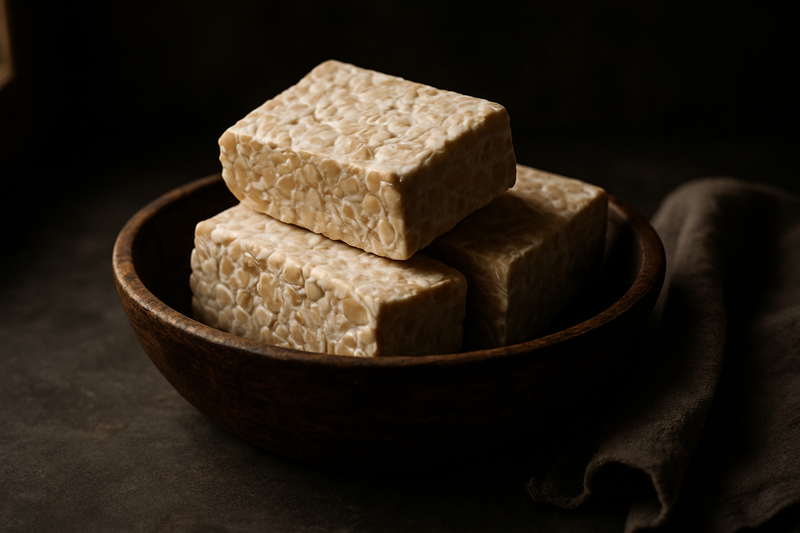
Tempeh · Photograph
Tempeh (Rhizopus oligosporus fermented soybeans) stands out as one of the most nutritionally complete plant-based proteins available. This traditional Indonesian fermented food delivers impressive health benefits through its unique combination of complete protein, probiotics, and bioactive compounds created during fermentation.
Key Nutrients
% Daily Value based on 2,000 cal diet
Key active compounds
The fermentation process creates several unique bioactive compounds:
- Isoflavones (daidzein and genistein) - Phytoestrogens with antioxidant properties, more concentrated in fermented tempeh than raw soybeans
- GABA (Gamma-Aminobutyric Acid) - A calming neurotransmitter produced during fermentation
- Meglutol - A metabolite that may support healthy cholesterol metabolism
- Oligosaccharides - Prebiotic fibers that feed beneficial gut bacteria (partially broken down during fermentation for better tolerance)
- Peptides - Protein fragments created during fermentation with potential bioactive effects
Who benefits most from tempeh
Plant-based athletes and active individuals
- Complete amino acid profile supports muscle building and recovery
- High protein content (20g per 100g) rivals animal proteins
- Iron content helps prevent deficiency common in plant-based diets
People managing cholesterol levels
- Isoflavones and niacin support healthy lipid profiles
- High fiber content aids cholesterol management
- Low saturated fat alternative to animal proteins
Prep and pairing ideas
Tempeh has a nutty, slightly tangy flavor that works well with bold seasonings. Always cook tempeh before eating - it's not meant to be consumed raw.
Preparation methods:
- Steam for 10 minutes to reduce any bitterness, then marinate and cook
- Pan-fry sliced tempeh until golden and crispy
- Crumble and sauté for a ground meat substitute
- Grill marinated tempeh steaks for smoky flavor
Common pairings that enhance benefits
With vitamin C-rich foods (bell peppers, broccoli, citrus): Enhances iron absorption from tempeh, especially important for plant-based eaters.
With healthy fats (avocado, olive oil, nuts): Improves absorption of fat-soluble vitamins and isoflavones while creating satisfying, balanced meals.
With fermented vegetables (kimchi, sauerkraut, miso): Creates synergistic probiotic effects and adds complementary flavors that enhance tempeh's natural umami taste.
Bottom line
Tempeh health benefits stem from its unique position as a fermented, complete protein source. The combination of all essential amino acids, probiotics, and bioactive compounds created during fermentation makes it nutritionally superior to many other plant proteins.
While more research is needed on specific health outcomes, tempeh's nutrient density and traditional use suggest it's a valuable addition to most healthy eating patterns. The key is choosing quality tempeh products and preparing them in ways that retain their beneficial compounds.
Ready to incorporate more nutritious whole foods into your routine? Try our meal planner to build balanced meals around ingredients like tempeh.
How Tempeh Compares
| Compared with | What's different |
|---|---|
| Tempeh vs. Tofu | Tempeh uses whole fermented soybeans for a firm, nutty texture; tofu is smooth, processed soy curd. |
| Tempeh vs. Seitan | Tempeh is a whole food with 20g protein per serving; Seitan is made from concentrated wheat gluten. |
Health Benefits
Things to Know
Soy sensitivity: Tempeh is still a soy product and should be avoided by those with soy allergies
Medication interactions: High vitamin K content may interfere with blood-thinning medications like warfarin
Thyroid concerns: Large amounts of soy may affect thyroid function in sensitive individuals; moderate intake is generally fine
Estrogen-sensitive conditions: Consult your healthcare provider if you have hormone-sensitive cancers due to isoflavone content
Digestive adjustment: Start with smaller portions if you're not used to fermented foods
Pregnancy: Generally safe in moderate amounts, but discuss with your healthcare provider

Prep Ideas
- — Steam for 10 minutes to reduce any bitterness, then marinate and cook
- — Pan-fry sliced tempeh until golden and crispy
- — Crumble and sauté for a ground meat substitute
- — Grill marinated tempeh steaks for smoky flavor
Shop This Ingredient
Stock your pantry with quality tempeh.
Buy on AmazonAs an Amazon Associate, Plantopedia earns from qualifying purchases. This costs you nothing extra and helps us keep the encyclopedia free.
Frequently Asked Questions
Research suggests tempeh may support several areas of health through its unique nutritional profile and fermentation-derived compounds. Heart and circulation Tempeh's isoflavones show promise for cardiovascular health. A systematic review in the American Journal of Clinical Nutrition found that soy isoflavones can significantly decrease total and LDL cholesterol levels. The niacin content (16% daily value per serving) provides additional support by helping manage triglycerides and supporting healthy HDL cholesterol levels. The combination of complete protein, fiber, and low saturated fat content makes tempeh heart-friendly compared to many animal protein sources. Digestive health and microbiome The fermentation process creates natural probiotics that may support gut health, though cooking can reduce live cultures. More importantly, tempeh provides prebiotic fibers that feed beneficial bacteria already in your digestive system. Fermentation also breaks down proteins and reduces compounds that can cause digestive upset, making tempeh generally easier to tolerate than unfermented soy products like tofu or whole soybeans. Blood sugar and metabolism Tempeh's low glycemic index and high fiber content support steady blood sugar levels. The substantial manganese content (54-56% daily value) plays important roles in carbohydrate metabolism and insulin function. The complete protein profile helps maintain stable energy levels and supports healthy metabolism, making tempeh valuable for weight management goals. Hormones and cycle health The isoflavones in tempeh have mild phytoestrogenic activity, which research suggests may help with menopausal symptoms. However, these effects are gentle compared to pharmaceutical hormones. For reproductive-age women, the iron content (2.7-3.6mg per serving) can help prevent iron deficiency anemia, especially important during menstruation. Inflammation and recovery Fermented tempeh demonstrates higher antioxidant activity than unfermented soybean flour. The bioactive compounds including isoflavones, GABA, and meglutol may help reduce oxidative stress that contributes to chronic inflammation. The complete protein profile supports muscle recovery after exercise, while the anti-inflammatory compounds may help with post-workout inflammation.
Whole tempeh cakes offer the most benefits, retaining all fermentation-derived probiotics and bioactive compounds. Look for tempeh made from organic soybeans with minimal added ingredients - just soybeans and the Rhizopus oligosporus culture. Fresh tempeh from the refrigerated section typically has more live probiotics than shelf-stable versions. Some brands fortify their tempeh with vitamin B12, which can be valuable for plant-based eaters. Tempeh flour, while useful for research, loses some of the texture and probiotic benefits of whole tempeh cakes.
A typical serving ranges from 100-200 grams (3.5-7 ounces), providing 20-40 grams of protein. This can easily replace meat in most meal contexts. Start with smaller portions (50-75g) if you're new to fermented foods or soy products. Most people can safely enjoy tempeh several times per week as part of a varied diet. For plant-based eaters, 100-150g daily can provide substantial protein while supporting overall nutrition goals.
Quick Answers
Common questions, answered in a line.
Tempeh is a complete protein source providing approximately 20 grams of protein per 100 grams, making it comparable to animal-based proteins. It contains a full profile of essential amino acids, which is particularly beneficial for muscle building and recovery in plant-based athletes.
It is essential to always cook tempeh before consumption rather than eating it raw. You can prepare it by steaming for 10 minutes to reduce bitterness, pan-frying until golden and crispy, or crumbling it into a sauté as a ground meat substitute.
Tempeh contains several bioactive compounds including isoflavones, GABA, meglutol, and prebiotic oligosaccharides. The fermentation process involving Rhizopus oligosporus also creates specific peptides and a calming neurotransmitter that are not found in raw soybeans.
You can improve iron absorption from tempeh by pairing it with vitamin C-rich foods like bell peppers, broccoli, or citrus. Additionally, eating tempeh with healthy fats like avocado or olive oil helps your body absorb its fat-soluble vitamins and isoflavones more effectively.
Tempeh supports heart health through its high fiber content, niacin, and isoflavones which help manage cholesterol levels. It also contains meglutol, a metabolite created during fermentation that may specifically support healthy cholesterol metabolism.
Tempeh may interfere with blood-thinning medications like warfarin due to its high vitamin K content. Individuals with soy allergies, thyroid sensitivities, or hormone-sensitive cancers should also consult a healthcare provider before adding large amounts to their diet.
For Readers in the USA
Local context — sourcing, seasonality, and regional notes.
In the U.S., you can find tempeh at major grocery chains like Whole Foods, Trader Joe's, Kroger, and Safeway, typically located in the refrigerated produce or dairy-alternative section. Specialty natural food stores and Asian markets also carry a wider variety of brands and grain-blended versions.
The USDA Organic seal on tempeh ensures the soybeans were grown without synthetic pesticides and are non-GMO, which is a common concern for soy consumers in the U.S. Choosing organic tempeh also guarantees that no hexane was used during the soybean processing.
While tempeh is available year-round in the U.S., it is often featured in "plant-forward" summer grilling recipes or as a hearty protein in winter stews and chilis. Some American artisanal producers also offer seasonal varieties blended with local grains like wild rice or quinoa.
The most popular US-based tempeh brands include Lightlife, Tofurky, and Franklin Farms, which are widely distributed across the country. These brands often offer pre-marinated "tempeh bacon" or "fumé" styles tailored to American breakfast and sandwich preferences.
AI Clinical Review
- Tempeh is a nutrient-dense, complete plant protein; fermentation tends to improve digestibility and reduce some antinutrients compared with unfermented soy. • Regularly swapping tempeh for higher–saturated-fat meats can modestly improve cholesterol profiles and overall cardiometabolic risk. • Fermentation converts soy isoflavones to more bioavailable forms and yields bioactive peptides; pairing tempeh with vitamin C–rich foods can enhance non‑heme iron absorption. • Practical prep advice (steaming to reduce bitterness, then marinating/cooking) and serving ranges are appropriate for most people.
- Probiotic claims are nuanced: many commercial tempeh products are pasteurized, and cooking inactivates most live microbes, so benefits likely relate more to fermentation byproducts and prebiotic fiber than to live “probiotics.” • Lipid effects from soy are generally small; evidence is stronger for whole soy protein replacing animal protein than for isoflavones alone, and the niacin naturally present in tempeh is far below therapeutic doses used to treat dyslipidemia. • Compounds like GABA are detectable in fermented foods, but clinical effects at typical dietary intakes are uncertain; the article’s mention of “meglutol” as a tempeh metabolite linked to cholesterol needs stronger documentation. • Data on glycemic control, inflammation, and exercise recovery with tempeh specifically are limited; most findings come from broader soy-food research.
- Avoid tempeh if you have a soy allergy. If you take levothyroxine, separate it from soy foods by several hours; if you take warfarin, keep vitamin K–containing foods (including fermented soy) consistent and monitor INR with your clinician. • Vegans should not rely on unfortified tempeh for vitamin B12; choose fortified products or a supplement. • Portion guidance: a common serving is 100–150 g (about 3.5–5 oz). Nutrition values vary by brand and whether products are pre-marinated; check labels for sodium. • Fermented foods can contain biogenic amines (like histamine/tyramine); those with sensitivity or migraine history may wish to trial smaller amounts and assess tolerance.
Fermented does not always mean probiotic; note sodium and live/active culture differences.
References
- USDA FoodData Central nutrition database (fdc.nal.usda.gov)
- American Journal of Clinical Nutrition systematic review on soy isoflavones and cholesterol (academic.oup.com)
- NIH National Center for Complementary and Integrative Health soy fact sheet (nccih.nih.gov)
- Metabolite profiling study on tempeh vs soybean flour bioactive compounds (pmc.ncbi.nlm.nih.gov)
- International Journal of Food Microbiology fermentation research (sciencedirect.com)
- Harvard T.H. Chan School of Public Health protein sources guide (hsph.harvard.edu)
- Mayo Clinic soy products and health information (mayoclinic.org)
Know Your Numbers
Eating healthy is a start. Now get to know your biomarkers.
Food changes bloodwork — inflammation, lipids, blood sugar and nutrient status all respond to what you eat. 59 markers from $59.
- Results in 7–10 days at 2,000+ Quest sites
- Licensed provider reviews every result
- One flat price, no membership, HSA/FSA eligible
Educational information only, not medical advice. Panels are ordered and reviewed through our licensed partner; Plantopedia may earn a commission.
Filed Under
Health Goals This Supports
Related Ingredients
Best Foods for Gut Health
High-fiber plants eaten in variety plus a small daily serving of genuinely fermented food is the combination with the best human evidence behind it. Here is the food list, the dosing, and the cautions.
Best Foods to Feed Good Gut Bacteria
Gut bacteria run on fermentable carbohydrate your own enzymes cannot digest. Here are the foods with the best human evidence behind them, how to introduce them without wrecking your week, and the honest limits of what microbiome research can currently claim.
Fermented Foods vs. Fiber: What Helps the Gut More?
A head-to-head look at the two most popular gut strategies: what the single randomized trial comparing them found, what the long-term data say, and how to decide which one to work on first.
How Gut Health Supports Immunity
The intestine holds a large share of the body's immune tissue, and resident microbes help calibrate it. Here is the mechanism in sequence, the human trial evidence, and an honest account of where the science stops.
How Plant-Based Foods Support the Gut
Plant foods feed the microbes in your large intestine, which ferment fiber into short-chain fatty acids. Variety across the week matters more than any single gut food.
How the Gut Affects Energy, Mood, and Inflammation
A step-by-step walk through the gut-brain and gut-immune pathways, followed by an honest account of what human trials have shown, what remains mechanism only, and what to do with the difference.
Prebiotics vs. Probiotics: What's the Difference?
A side-by-side comparison of prebiotics and probiotics, including what each one is, how strong the human evidence is for each, and a practical guide to deciding whether either is worth your money.
The Gut-Brain Connection Explained Simply
The gut and brain communicate constantly through nerves, hormones, immune signals and bacterial metabolites. This explains the mechanism step by step, then separates what human trials have demonstrated from what remains laboratory theory.
Zinc-Rich Plant Foods
Where zinc actually comes from on a plant-based plate, why absorption is the harder problem than intake, and what zinc does and does not do for immunity.