How Gut Health Supports Immunity
The intestine holds a large share of the body's immune tissue, and resident microbes help calibrate it. Here is the mechanism in sequence, the human trial evidence, and an honest account of where the science stops.
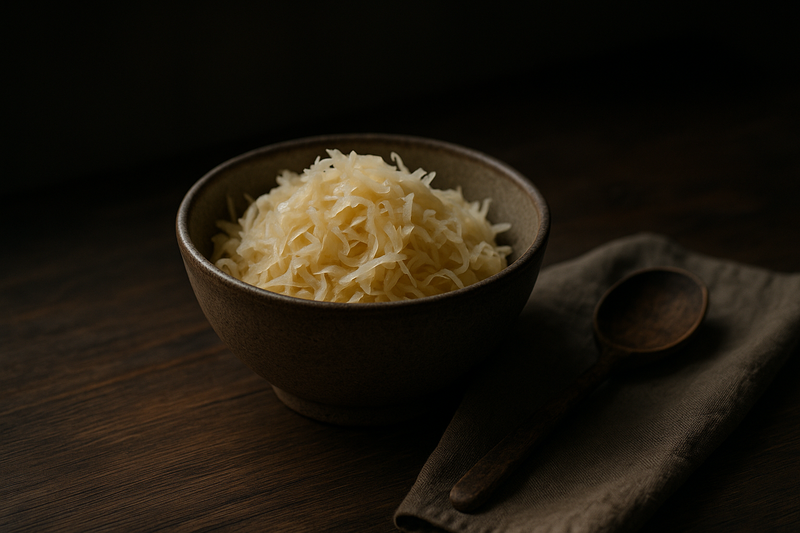
The intestine is the largest interface between your body and the outside world, and it holds a substantial share of the body's immune cells. Resident microbes help calibrate that system: they help build the barrier, drive antibody production, and generate metabolites that push immune cells toward tolerance rather than reflexive inflammation. This is a training relationship, not a strength dial. Nothing you eat "boosts" immunity, and a well-calibrated immune system is the actual goal.
Key takeaways
- Gut immunity involves a physical barrier, secretory antibodies, immune tissue in the intestinal wall, and the microbes that help tune all three.
- Germ-free animals show clear immune deficits, which establishes that microbes are required for normal immune development in those models.
- Short-chain fatty acids from fiber fermentation act as signals that support the gut lining and encourage regulatory immune responses.
- Human trials on probiotics for respiratory infections show modest benefits with mostly low to moderate certainty and suspected publication bias.
- "Boosting immunity" is not a real clinical target, and no food, supplement or fermented product substitutes for vaccination, hygiene or medical care.
Plain definition
"Gut health" is not a diagnosis. In immunology, the relevant structures are concrete: a single layer of epithelial cells, a mucus blanket over it, tight junctions holding those cells together, antimicrobial peptides secreted into the mucus, secretory immunoglobulin A antibodies, and gut-associated lymphoid tissue such as Peyer's patches and the mesenteric lymph nodes. The microbiota is the community of bacteria, archaea, fungi and viruses living on the outside of that barrier.
When people say gut health supports immunity, the defensible version is that these structures are physically and chemically shaped by the microbes they encounter, and that diet shapes which microbes are there and what they produce.
Step-by-step mechanism
- Colonization shapes the barrier. Bacterial colonization drives glycosylation of epithelial surface proteins, mucus production, and expression of antimicrobial peptides such as RegIII gamma. Germ-free animals show abnormal microvilli and altered epithelial turnover.
- Dendritic cells sample the contents. Specialized cells reach across or capture material from the lumen and carry commensal bacteria to the mesenteric lymph nodes.
- Antibody production is induced. Those dendritic cells drive naive B cells to produce immunoglobulin A. Secretory IgA is exported back into the gut, where it coats microbes and limits their attachment to the epithelium. Germ-free mice show a profound reduction in secretory IgA, smaller Peyer's patches and fewer CD8 T cells.
- Fermentation generates signaling molecules. Bacteria ferment fiber from foods like oats, lentils and garlic into acetate, propionate and butyrate. Butyrate is the main fuel for colonocytes, which supports barrier integrity directly.
- Those metabolites tune immune cells. Short-chain fatty acids activate receptors including GPR43 and GPR109A and inhibit histone deacetylases. In the gut's TGF-beta rich environment, this favors the generation of regulatory T cells and interleukin-10 production, and influences interleukin-22, which supports epithelial repair.
- Some signals travel. Short-chain fatty acids enter the circulation and can modulate immune cell function in tissues far from the gut, which is the mechanistic basis for claims about systemic effects.
- Colonization resistance runs alongside all of this. A dense resident community competes with incoming pathogens for nutrients and attachment sites, which is immunological only in part.
What human evidence actually shows
Most of the mechanism above comes from animal and cell work. The human evidence is thinner and more equivocal.
Probiotics and respiratory infections. A 2022 Cochrane review pooled 24 trials with 6,950 participants. Probiotics reduced the risk of having at least one upper respiratory tract infection by about 24 percent and at least three episodes by about 41 percent, shortened episodes by roughly 1.2 days, and reduced antibiotic use by about 42 percent. Certainty was rated moderate for the three-episode and antibiotic outcomes and low for most others. Most trials had unclear risk of bias, blinding was imperfect, and funnel plot asymmetry suggested publication bias. Strains and doses varied widely, so the results do not transfer to any specific product on a shelf.
Diet and immune markers. A 17-week randomized trial at Stanford compared a high-fiber diet with a high-fermented-food diet in healthy adults, about 20 per arm. The fermented food arm, using foods such as sauerkraut, kimchi and miso, increased overall microbial diversity and decreased 19 inflammatory proteins, including interleukin-6. The high-fiber arm showed stable average diversity and no average decrease in those markers over ten weeks, with strongly individual responses. This is a small, well-conducted study measuring biomarkers rather than infections or disease.
What is not shown. No trial demonstrates that a food or fermented product reduces the risk of serious infection in healthy adults. Inflammatory protein levels are not clinical outcomes.
What mechanisms cannot prove
Germ-free animals are an extreme comparison. Comparing a sterile mouse with a colonized one tells you microbes are necessary for normal immune development. It says nothing about whether adding more fiber or a probiotic to an already colonized adult human changes infection risk.
Association can run backward. Altered microbial communities are found alongside many diseases. In a large share of cases, the illness, its treatment, or the appetite changes that come with it plausibly caused the microbial shift rather than the reverse.
Biomarkers are not outcomes. Higher regulatory T cell counts, lower interleukin-6 or greater diversity are all steps in an argument. The argument is only complete when someone measures illness.
Strain specificity is real. Probiotic effects do not generalize across species, strains or doses. Evidence for one organism in one population says little about another.
"Immune boosting" is not a coherent goal. An overactive immune response drives allergy and autoimmunity. Calibration, not amplification, is what the gut appears to contribute.
Practical implications
- Eat a wide range of plants. Different fibers feed different organisms, and diversity of substrate is the lever you actually control. Blueberries, broccoli, legumes, whole grains, nuts and alliums across a week cover far more ground than one supplement.
- Include fermented foods if you enjoy them. Live-culture sauerkraut, kimchi, miso, tempeh and yogurt or kefir have the most encouraging small-trial data on diversity and inflammatory markers. Look for refrigerated, unpasteurized products where live cultures matter.
- Do not skip the basics. Adequate total energy, protein and micronutrient intake matter more for immune competence than any specialty food, particularly in older adults and during illness or recovery.
- Keep the proven tools. Vaccination on schedule, hand hygiene, sleep and physical activity have far stronger evidence for reducing infection than any dietary intervention.
- Use antibiotics only when indicated. They disrupt the community substantially, and unnecessary courses carry cost without benefit.
Cautions
Probiotic supplements are not appropriate for everyone. People who are significantly immunocompromised, critically ill, have central venous catheters, short bowel syndrome or compromised gut barriers face a small but documented risk of bacteremia or fungemia from live organisms. Anyone in these groups should ask their clinical team before starting a probiotic.
Unpasteurized fermented foods carry standard food safety considerations and are usually avoided during pregnancy in some categories, so check current guidance for your situation. Traditional ferments can also be high in sodium, which matters if you are managing blood pressure.
A rapid increase in fermentable fiber commonly produces gas and bloating, and people with irritable bowel syndrome often tolerate high-FODMAP prebiotic foods poorly. Increase gradually.
Nothing here replaces medical treatment, and no dietary change should prompt stopping a prescribed medication or immunosuppressive therapy.
When to seek care. Persistent or recurrent fever, infections that keep coming back or need repeated antibiotics, unexplained weight loss, night sweats, blood in the stool, diarrhea lasting more than two to four weeks, or any new severe abdominal pain all warrant medical assessment. Frequent unusual infections in particular can indicate an immune deficiency that requires diagnosis.
Bottom line
The gut genuinely helps train the immune system, through the barrier, secretory IgA, gut-associated lymphoid tissue and metabolites produced by resident microbes. That mechanism is well described in animals and increasingly mapped in humans. The evidence that changing your diet meaningfully changes how often you get sick is much weaker: modest, low to moderate certainty benefits for some probiotics against upper respiratory infections, and small trials showing shifts in inflammatory markers with fermented foods. Eat a wide range of plants, include fermented foods if you like them, and treat any product promising an immune boost as marketing rather than medicine.
Frequently asked questions
Is it true that most of the immune system is in the gut?
A large proportion of the body's immune cells and lymphoid tissue is associated with the intestine, which makes sense given the surface area and the constant exposure. The commonly quoted percentages vary by source and by how you count. The underlying point stands without needing a precise figure.
Will taking a probiotic stop me getting colds?
Probably not reliably. Pooled trial data show modest reductions in the risk of repeated upper respiratory infections and in antibiotic use, but certainty is low to moderate, publication bias is suspected, and effects are strain-specific. If you try one, choose a strain studied for that purpose and set modest expectations.
Are fermented foods better than fiber for immunity?
One small randomized trial found fermented foods increased microbial diversity and lowered inflammatory proteins where a high-fiber arm did not, over ten weeks. That is a single study with about 20 people per arm measuring biomarkers, not illness. Both food groups have independent support, and there is no reason to choose between them.
Can a leaky gut cause immune problems?
Intestinal permeability is a real, measurable property that changes in conditions such as celiac disease and inflammatory bowel disease. Whether increased permeability causes disease in otherwise healthy people, and whether any supplement reverses it, is not established. Commercial "leaky gut" protocols run well ahead of the evidence.
Does eating this way help if I take immunosuppressive medication?
A varied, nutrient-adequate diet is reasonable for almost everyone, but people on immunosuppressants have specific food safety considerations and may be advised against live probiotic products. Discuss any change with the team managing your treatment, and do not adjust medication.
Sources and evidence
- The gut microbiome shapes intestinal immune responses during health and disease
- Probiotics for preventing acute upper respiratory tract infections, Cochrane review 2022
- Cochrane Library record for the same review
- Gut-microbiota-targeted diets modulate human immune status, randomized trial, Cell (https://www.cell.com/cell/fulltext/S0092-8674(21)00754-6)
- Intestinal microbiota-derived short-chain fatty acids regulate IL-22 production and gut immunity, Nature Communications
- Short-chain fatty acids and human health, metabolic pathways and therapeutic implications
- Gut microbiota-derived short-chain fatty acids, T cells and inflammation
- IgA and the intestinal microbiota, Mucosal Immunology
- USDA FoodData Central, food composition database
Know Your Numbers
Eating healthy is a start. Now get to know your biomarkers.
Food changes bloodwork — inflammation, lipids, blood sugar and nutrient status all respond to what you eat. 59 markers from $59.
- Results in 7–10 days at 2,000+ Quest sites
- Licensed provider reviews every result
- One flat price, no membership, HSA/FSA eligible
Educational information only, not medical advice. Panels are ordered and reviewed through our licensed partner; Plantopedia may earn a commission.