Sauerkraut is a potent fermented food recognized for its high probiotic density and bioavailable Vitamin K2. Discover how lactic acid fermen
Fermentation and gut-culture angle; explain live-culture, sodium, and heat-treatment differences
The Short Answer
Sauerkraut is a nutrient-dense fermented cabbage providing 23% DV of Vitamin C and 4.1g of fiber per cup, along with rare Vitamin K2 and live probiotics. It is traditionally used to support gut health, bone mineralization, and cardiovascular function.
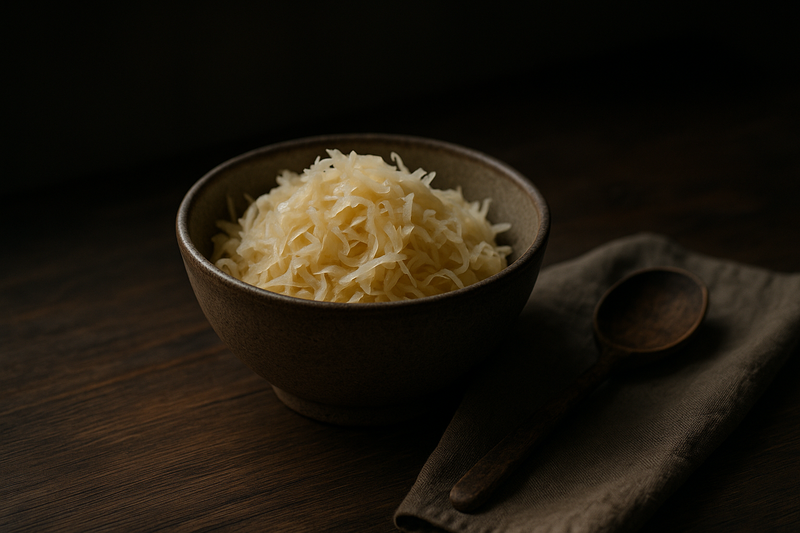
Sauerkraut · Photograph
In an era of processed diets, sauerkraut serves as a critical tool for restoring internal microbial diversity. Its high concentration of Vitamin K2 (menaquinone) is critical, as this nutrient is rare in the plant kingdom and plays a vital role in directing calcium away from the arteries and into the bones. For individuals managing systemic inflammation, the bioactive sulfur compounds in sauerkraut support the body's natural Phase II detoxification pathways, helping to neutralize environmental toxins at a cellular level.
Key Nutrients
% Daily Value based on 2,000 cal diet
Key Takeaways
- 1. Contains billions of live lactic acid bacteria per serving, which help restore and maintain a diverse gut microbiome.
- 2. Fermentation increases the bioavailability of Vitamin C and creates Vitamin K2, a rare nutrient essential for bone and heart health.
- 3. Natural enzymes produced during fermentation help break down proteins and fats, easing digestion.
- 4. Rich in isothiocyanates and indole-3-carbinol, bioactive metabolites studied for their role in cellular detoxification.
- 5. High fiber content and probiotic action help stabilize blood sugar and may influence healthy fat storage.
Why Sauerkraut Health Benefits Matter for Modern Wellness
In an era of processed diets, sauerkraut serves as a critical tool for restoring internal microbial diversity. Its high concentration of Vitamin K2 (menaquinone) is critical, as this nutrient is rare in the plant kingdom and plays a vital role in directing calcium away from the arteries and into the bones. For individuals managing systemic inflammation, the bioactive sulfur compounds in sauerkraut support the body's natural Phase II detoxification pathways, helping to neutralize environmental toxins at a cellular level.
Key Active Compounds
- Lactic Acid Bacteria: Probiotic strains like L. plantarum that support the intestinal barrier and immune signaling.
- Sulforaphane: An isothiocyanate formed during fermentation with potent anti-inflammatory and antioxidant properties.
- Vitamin K2 (Menaquinone): A fermentation byproduct essential for cardiovascular health and bone mineralization.
- Ascorbigen: A complex form of Vitamin C unique to fermented crucifers that may offer enhanced cellular protection.
- Indole-3-Carbinol (I3C): A compound that supports healthy estrogen metabolism and cellular repair.
Conclusion
Sauerkraut is an exceptional whole-food source of probiotics and rare nutrients, such as Vitamin K2. Its ability to support the gut-brain axis, protect the cardiovascular system, and manage systemic inflammation makes it a foundational food for modern wellness. By prioritizing raw, unpasteurized varieties and gradually integrating them into your diet, you can harness the power of fermentation to support your long-term metabolic and digestive health. Ready to incorporate more gut-healthy foods into your routine? Our meal planner can help you balance fermented foods with other nutrients for optimal digestive health.
How Sauerkraut Compares
| Compared with | What's different |
|---|---|
| Sauerkraut vs. Kimchi | Fermented with salt and caraway rather than the chili paste, ginger, and garlic used in kimchi. |
| Sauerkraut vs. Canned Cabbage | Raw sauerkraut contains live probiotics and Vitamin K2, whereas shelf-stable cabbage is heat-treated. |
Health Benefits
Things to Know
Sodium Awareness: Sauerkraut is naturally high in salt (a requirement for the fermentation process). If you are on a sodium-restricted diet, rinse the sauerkraut briefly or choose "low-sodium" brands.
Histamine Sensitivity: Fermented foods contain biogenic amines. If you experience headaches or hives after eating fermented products, you may have a histamine intolerance.
Vitamin K and Warfarin: Because sauerkraut is rich in Vitamin K, individuals on blood-thinning medications should maintain a consistent daily intake to avoid fluctuations in medication efficacy.
The "Die-Off" Effect: When first introducing probiotics, you may experience temporary bloating or gas as your microbiome shifts. Start with tiny portions.
The Absorption Power-Pair: Pair sauerkraut with healthy fats like avocado or extra virgin olive oil. The fats are necessary for your body to absorb the Vitamin K2 found in the cabbage.
The Prebiotic + Probiotic Combo: Serve sauerkraut alongside asparagus or onions. These prebiotic foods "feed" the live bacteria found in the sauerkraut, maximizing their survival in your gut.
The Digestive Aid: Eat 2 tablespoons of sauerkraut with a heavy, protein-rich meal (like steak or beans) to utilize the natural enzymes that assist in protein breakdown.
Standard Serving: 1/4 to 1/2 cup daily is the target for most adults to see significant shifts in gut health.
Beginners: Start with 1 to 2 tablespoons daily for the first week to allow your digestive system to adapt to the new microbial environment.
Consistency over Quantity: Research suggests that eating a small amount of sauerkraut daily is more effective for microbiome health than eating a large amount once a week.
Common Uses
- —Consumed in small amounts before meals to stimulate stomach acid and enzyme production.
- —Used as a whole-food alternative to synthetic probiotic capsules for gut lining support.
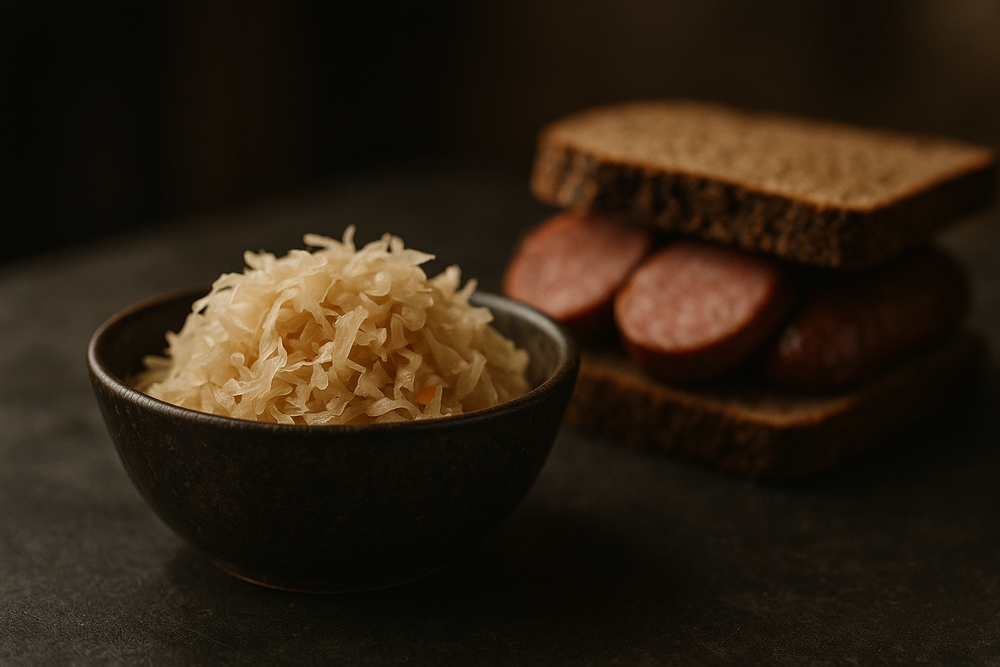
- —Added to sandwiches, salads, and bowls to provide a salty, acidic flavor profile without added oils.
- —Integrated into diets during cold and flu season due to its high, easily absorbed Vitamin C content.
Active Compounds
Probiotic strains like L. plantarum that support the intestinal barrier and immune signaling.
An isothiocyanate formed during fermentation with potent anti-inflammatory and antioxidant properties.
A fermentation byproduct essential for cardiovascular health and bone mineralization.
A complex form of Vitamin C unique to fermented crucifers that may offer enhanced cellular protection.
A compound that supports healthy estrogen metabolism and cellular repair.
Best Forms
The gold standard. Look for "unpasteurized" or "live cultures" on the label. This form contains the live probiotics necessary for gut health.
Both are acceptable if refrigerated. Glass is often preferred to avoid potential chemical leaching from plastics into the acidic brine.
These versions have been heat-pasteurized. While they still offer fiber and Vitamin K, the beneficial live bacteria have been destroyed.
Prep Ideas
- — The Absorption Power-Pair: Pair sauerkraut with healthy fats like avocado or extra virgin olive oil. The fats are necessary for your body to absorb the Vitamin K2 found in the cabbage.
- — The Prebiotic + Probiotic Combo: Serve sauerkraut alongside asparagus or onions. These prebiotic foods "feed" the live bacteria found in the sauerkraut, maximizing their survival in your gut.
- — The Digestive Aid: Eat 2 tablespoons of sauerkraut with a heavy, protein-rich meal (like steak or beans) to utilize the natural enzymes that assist in protein breakdown.
Glossary
Shop This Ingredient
Stock your pantry with quality sauerkraut.
Buy on AmazonAs an Amazon Associate, Plantopedia earns from qualifying purchases. This costs you nothing extra and helps us keep the encyclopedia free.
Frequently Asked Questions
Start with 1-2 tablespoons daily and gradually increase to 1/4 to 1/2 cup if well tolerated. This provides beneficial probiotics and nutrients without excessive sodium intake. Listen to your body and adjust based on digestive comfort, as consistency is more important than consuming large portions in a single sitting.
Yes, raw fermented sauerkraut contains live probiotics, including Lactobacillus strains, while pasteurized versions have reduced bacterial viability due to heat treatment. Look for refrigerated sauerkraut in the produce section rather than shelf-stable canned versions. While pasteurized sauerkraut still provides fiber and vitamins, it lacks the live beneficial bacteria for gut health.
Sauerkraut is high in sodium due to the fermentation process, so people monitoring salt intake should consume it in small portions or look for low-sodium varieties. The potassium content may help balance sodium effects, but portion control is key. Briefly rinsing the cabbage before eating can also help reduce excess salt.
Research suggests sauerkraut's probiotics and enzymes may support digestive health by promoting beneficial gut bacteria and helping break down nutrients. However, some people may initially experience bloating as their microbiome adjusts to the new bacteria. Starting with small amounts allows your system to adapt while still receiving the anti-inflammatory and enzymatic benefits.
Sauerkraut provides Vitamin K1 from the cabbage and Vitamin K2 as a byproduct of the fermentation process. Vitamin K2 is essential for bone health and preventing arterial calcification. Because it is fat-soluble, pairing your sauerkraut with a healthy fat like olive oil ensures maximum absorption of these critical cardiovascular nutrients
Quick Answers
Common questions, answered in a line.
Sauerkraut contains Vitamin K2 (menaquinone), which plays a vital role in directing calcium away from the arteries and into the bones. This makes it a foundational food for cardiovascular health and proper bone mineralization.
Sauerkraut supports detoxification through bioactive sulfur compounds that aid the body's natural Phase II detoxification pathways. These compounds help neutralize environmental toxins at a cellular level, making it effective for managing systemic inflammation.
Eating 2 tablespoons of sauerkraut with protein-rich meals like steak or beans can help your body break down protein more effectively. The fermentation process creates natural enzymes that act as a digestive aid during heavy meals.
The probiotic strains in sauerkraut, such as L. plantarum, support the intestinal barrier and improve immune signaling. Additionally, its high content of easily absorbed Vitamin C makes it a popular dietary addition during cold and flu season.
To maximize the benefits of sauerkraut, pair it with healthy fats like avocado or extra virgin olive oil to ensure the absorption of fat-soluble Vitamin K2. You can also serve it with prebiotic foods like asparagus or onions to "feed" the live bacteria.
Sauerkraut contains Sulforaphane and Indole-3-Carbinol (I3C), which offer potent anti-inflammatory properties and support healthy estrogen metabolism. It also contains Ascorbigen, a unique form of Vitamin C that may provide enhanced cellular protection.
Individuals on blood-thinning medications like Warfarin should maintain a consistent daily intake of sauerkraut because its high Vitamin K content can affect medication efficacy. Those with histamine sensitivity should also be cautious as fermented foods contain biogenic amines.
When first introducing sauerkraut, you may experience temporary bloating or gas, often called the "die-off" effect, as your internal microbial diversity shifts. Beginners should start with just 1 to 2 tablespoons daily to allow the digestive system to adapt.
For Readers in the USA
Local context — sourcing, seasonality, and regional notes.
In the United States, look for sauerkraut in the refrigerated section of stores like Whole Foods, Sprouts, or Trader Joe's to ensure it contains live cultures. While shelf-stable cans are available in the canned vegetable aisle of most supermarkets, they are typically pasteurized and lack the probiotic benefits of raw varieties.
Most cabbage used for American sauerkraut is harvested in late summer and fall, primarily in top-producing states like Wisconsin, New York, and Ohio. This seasonality often leads to the highest quality fresh ferments arriving at local farmers markets between September and November.
To be certified Organic in the US, sauerkraut must be produced according to USDA standards, which prohibit synthetic fertilizers and pesticides on the cabbage and require non-GMO ingredients. Look for the USDA Organic seal to ensure the product meets these federal environmental and quality regulations.
While traditional European flavors are standard, American brands often offer regional varieties like "Curtido" in Hispanic-influenced areas or spicy versions featuring jalapeños or turmeric in West Coast markets. These local twists provide the same Vitamin K2 benefits while catering to diverse American palates.
Fermented does not always mean probiotic; note sodium and live/active culture differences.
References
- USDA FoodData Central sauerkraut nutrition data (fdc.nal.usda.gov)
- Healthline: 8 Surprising Benefits of Sauerkraut review (healthline.com)
- Regular Consumption of Sauerkraut and Its Effect on Human Health PMC review (pmc.ncbi.nlm.nih.gov)
- Nutrivore: Sauerkraut nutrients analysis (nutrivore.com)
- Cleveland Kitchen: Raw vs pasteurized sauerkraut probiotics (clevelandkitchen.com)
- NutritionFacts.org: Sauerkraut research compilation (nutritionfacts.org)
- Mayo Clinic: Probiotics and digestive health guidance (mayoclinic.org)
Know Your Numbers
Eating healthy is a start. Now get to know your biomarkers.
Food changes bloodwork — inflammation, lipids, blood sugar and nutrient status all respond to what you eat. 59 markers from $59.
- Results in 7–10 days at 2,000+ Quest sites
- Licensed provider reviews every result
- One flat price, no membership, HSA/FSA eligible
Educational information only, not medical advice. Panels are ordered and reviewed through our licensed partner; Plantopedia may earn a commission.
Filed Under
Health Goals This Supports
Related Ingredients
Fermented Foods vs. Fiber: What Helps the Gut More?
A head-to-head look at the two most popular gut strategies: what the single randomized trial comparing them found, what the long-term data say, and how to decide which one to work on first.
Fermented Vegetables: Methods, Microbes & Nutrition
Brine ferments, dry-salted krauts, bran beds and water kimchi explained — which contain live cultures, how much to eat, and an index of every fermented vegetable on Plantopedia.
Foods That Support Mood and Mental Clarity
People who follow traditional dietary patterns, built around vegetables, legumes, whole grains, olive oil, and fermented foods, have consistently lower rates of depression in large observational studies than people eating a typical Western diet heavy in processed and refined foods. Foods tied to...
Gut Health and Brain Fog: What's the Connection?
Brain fog, the fuzzy thinking, poor focus, and word-finding trouble many people describe, is linked to gut health through what researchers call the gut-brain axis: a two-way communication system between the digestive tract and the brain involving nerves, immune signaling, and molecules made by...
Gut Health for Beginners
A plain-English starting point for gut health: what the microbiome is, what actually shifts it, and which popular claims do not hold up.
How Gut Health and Brain Health Are Connected
A plain-language walkthrough of how the gut and brain communicate, followed by an honest account of what human trials have and have not demonstrated.
How Gut Health Supports Immunity
The intestine holds a large share of the body's immune tissue, and resident microbes help calibrate it. Here is the mechanism in sequence, the human trial evidence, and an honest account of where the science stops.
How Plant-Based Foods Support the Gut
Plant foods feed the microbes in your large intestine, which ferment fiber into short-chain fatty acids. Variety across the week matters more than any single gut food.
How the Gut Affects Energy, Mood, and Inflammation
A step-by-step walk through the gut-brain and gut-immune pathways, followed by an honest account of what human trials have shown, what remains mechanism only, and what to do with the difference.
How to Build a Gut-Friendly Plate
A beginner's guide to assembling meals that feed your gut microbiome, built on fiber, plant variety and a small daily fermented food. Includes a starter plate, a weekly checklist, and an honest account of what the evidence does and does not show.
How to Use Food to Improve Your Gut Microbiome
Your gut microbiome is the community of trillions of bacteria, along with smaller numbers of fungi and viruses, that live mainly in your large intestine. What you eat is one of the most modifiable influences on which microbes thrive there, more responsive to diet than to almost anything else you...
Plant-Based Foods That Support Immune Health
Which plant foods genuinely support immune function, judged by nutrient contribution and human evidence rather than marketing, plus how to build them into a week.
Prebiotics vs. Probiotics: What's the Difference?
A side-by-side comparison of prebiotics and probiotics, including what each one is, how strong the human evidence is for each, and a practical guide to deciding whether either is worth your money.
Signs Your Gut Microbiome May Be Out of Balance
There is no single symptom or test that proves your gut microbiome is "out of balance," a state researchers call dysbiosis, because a healthy microbiome varies between people and there is no agreed definition of "normal" for most adults. Persistent bloating, excess gas, and changes in bowel...
The Gut-Brain Connection Explained Simply
The gut and brain communicate constantly through nerves, hormones, immune signals and bacterial metabolites. This explains the mechanism step by step, then separates what human trials have demonstrated from what remains laboratory theory.
What to Do After Getting Gut Microbiome Results
If you've just gotten a gut microbiome test back, don't overhaul your diet based on it yet. These tests have documented reproducibility problems (the same stool sample, split and sent to testing companies, has come back with meaningfully different results), and a 2024 international expert...
What to Eat After Antibiotics
After a course of antibiotics, the most useful dietary shift is eating more fiber, from vegetables, legumes, and whole grains, and adding fermented foods like yogurt or kefir if you tolerate dairy. Research comparing dietary changes with probiotic and microbial-transplant approaches found that a...