Foods That Support Mood and Mental Clarity
People who follow traditional dietary patterns, built around vegetables, legumes, whole grains, olive oil, and fermented foods, have consistently lower rates of depression in large observational studies than people eating a typical Western diet heavy in processed and refined foods. Foods tied to...
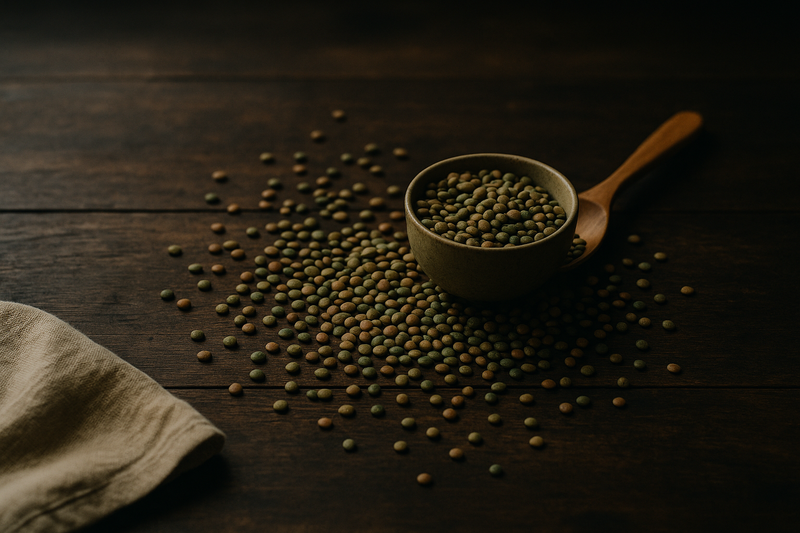
People who follow traditional dietary patterns, built around vegetables, legumes, whole grains, olive oil, and fermented foods, have consistently lower rates of depression in large observational studies than people eating a typical Western diet heavy in processed and refined foods. Foods tied to this pattern include lentils, kimchi, sauerkraut, miso, leafy greens, extra virgin olive oil, pumpkin seeds, and oats. No single food changes mood on its own; the research supports a consistent pattern that works alongside, not instead of, therapy or medication when those are needed.
Key takeaways
- Nutritional psychiatry research links traditional, whole-food dietary patterns to meaningfully lower rates of depression compared to a typical Western diet.
- Fermented foods, leafy greens, legumes, nuts and seeds, and olive oil each connect to mood through a different, evidence-backed mechanism: the gut-brain axis, inflammation, or specific nutrients like magnesium and zinc.
- Most of this evidence is observational or mechanistic, not proof that any single food treats or prevents a mood disorder.
- Blood sugar stability from whole grains and legumes affects mood and energy through the day as much as any specific nutrient does.
- Persistent low mood, loss of interest, or any thought of self-harm needs professional evaluation, not a diet change, and is a medical emergency if self-harm is being considered.
How these foods were chosen
This list draws on nutritional psychiatry, a research field that studies how diet relates to mental health outcomes, summarized extensively by Harvard Health's coverage of food and mood. Foods were selected where there's either a large observational link between a dietary pattern (Mediterranean-style eating) and lower depression risk, or a specific, testable mechanism, gut microbiome activity, inflammation, blood sugar stability, or a nutrient like magnesium, zinc, or folate that's been tied to mood regulation in research. The distinction matters: an association between eating a pattern and having lower depression rates is not the same as proof that a specific food causes better mood, since people who eat this way often differ in other health behaviors too. Where the evidence is a clinical trial versus an observational study versus a proposed mechanism, that distinction is called out below.
The food list, and why each earns its place
Fermented foods. Kimchi, sauerkraut, and miso introduce live microbial cultures and their byproducts to the gut. The gut-brain axis, the bidirectional communication network between gut bacteria and the nervous system, is an active area of research, and observational studies have linked higher fermented food intake to differences in gut health and self-reported anxiety, though this research is still developing and doesn't yet show that fermented foods treat any diagnosed condition. Leafy greens. Spinach, kale, and other greens are rich in folate, a B vitamin involved in neurotransmitter synthesis. Low folate status has been observed alongside depression in some studies, though this is an association, not evidence that greens alone prevent or treat it. Legumes. Lentils, chickpeas, and beans are fiber-rich, plant-protein staples of the Mediterranean dietary pattern most consistently linked to lower depression risk in cohort studies, and they help stabilize blood sugar across the day, which matters for mood and energy. Nuts and seeds. Pumpkin seeds, cashews, and walnuts supply magnesium and zinc, minerals that Harvard Health's review on nutritional strategies for anxiety notes have been linked to lower anxiety symptoms in some research, alongside plant-based omega-3 fats. Extra virgin olive oil. Extra virgin olive oil is the primary fat in the Mediterranean diet, the dietary pattern with the strongest observational evidence for lower depression risk, and its polyphenol content is one proposed reason. Whole grains. Oats and other whole grains release glucose more slowly than refined carbohydrates, avoiding the blood sugar spikes and crashes that can worsen irritability and fatigue for some people.
How to actually use them
Aim for a fermented food most days, a small serving of kimchi, sauerkraut, or miso in soup, rather than treating it as an occasional garnish. Build meals around legumes and whole grains several times a week instead of relying mainly on refined carbohydrates. Use extra virgin olive oil as your primary cooking and salad fat. Keep a small handful of nuts or seeds as a regular snack. Add leafy greens to meals most days rather than a few times a month. As with any pattern-based approach, consistency over months matters more than any single "perfect" day, and these foods work best layered onto other basics like regular sleep, physical activity, and social connection, all of which independently affect mood.
Why the overall pattern matters more than any single food
Single-nutrient trials for mood are notoriously inconsistent. Meta-analyses of omega-3 supplementation for depression, for example, show an overall modest benefit in some pooled analyses, but results vary substantially by study, dose, and the ratio of EPA to DHA, and researchers still debate which forms and doses actually help. Whole-pattern research is more consistent: Harvard Health reports that people eating traditional diets like the Mediterranean or traditional Japanese pattern have shown roughly 25 to 35 percent lower rates of depression compared to a typical Western diet in some study populations. That's a pattern-level signal built from many foods working together over years, not a claim that any one ingredient on this list is responsible.
Who should adapt or be cautious
Fermented foods can be a problem for people with histamine intolerance, since fermentation increases histamine content, and for anyone taking a monoamine oxidase inhibitor (MAOI) antidepressant, aged and fermented foods carry a tyramine interaction risk that should be discussed with a prescribing clinician before making dietary changes. People on warfarin or similar blood thinners should keep leafy green intake consistent rather than highly variable. People with diabetes on glucose-lowering medication should monitor how whole grains and legumes affect blood sugar rather than assuming any whole food is automatically safe in any amount. None of these foods are a substitute for prescribed treatment in a diagnosed mood or anxiety disorder, and diet changes should be discussed with, not used to replace, an existing treatment plan.
When to seek care
Diet can support the biology involved in mood, but it does not replace evaluation and treatment for a mood or anxiety disorder. See a clinician if low mood, anxiety, or loss of interest in usual activities lasts most of the day for more than two weeks, if sleep or appetite has changed significantly, if you're withdrawing from people you're usually close to, or if mood symptoms are showing up alongside physical changes like unexplained weight change, fatigue, or a fast or irregular heartbeat, which can sometimes point to a thyroid or other medical cause rather than a primary mood disorder. If you or someone you know is having thoughts of suicide or self-harm, that is a mental health emergency: in the United States, call or text 988 to reach the Suicide and Crisis Lifeline, or go to an emergency room. Never stop or adjust a prescribed antidepressant or anti-anxiety medication without talking to the prescriber first.
Bottom line
A dietary pattern built around fermented foods, legumes, leafy greens, nuts and seeds, whole grains, and olive oil has the strongest evidence base in nutritional psychiatry for supporting mood, mainly through gut health, inflammation, and steady blood sugar. It's a meaningful, evidence-backed piece of a larger picture, not a treatment for diagnosed depression or anxiety, and persistent or worsening symptoms deserve professional evaluation alongside any dietary change.
Frequently asked questions
Can changing my diet cure depression or anxiety?
No. Diet is one factor among many, including genetics, sleep, stress, life circumstances, and access to treatment. Research supports diet as a meaningful support alongside professional care, not a replacement for it, especially for diagnosed conditions.
How fast could a dietary pattern affect mood?
Research on dietary interventions for mood, where it exists, typically measures effects over weeks to months, not days. Consistency over time is what the evidence supports, not a quick fix.
Are probiotic supplements as good as fermented foods for mood?
The research on probiotic supplements and mood, sometimes called "psychobiotics," is still early and strain-specific. Whole fermented foods provide live cultures plus fiber and other nutrients, but neither is established as a treatment for a diagnosed mood disorder.
Does sugar make mood swings worse?
Some research links diets high in refined sugar to worse mood and impaired brain function, though individual responses vary. Steadier blood sugar from whole grains, legumes, and protein tends to support more stable energy and mood through the day.
Is it safe to combine these foods with my antidepressant?
Most of these are ordinary foods and generally fine, but fermented and aged foods can interact with MAOI antidepressants specifically due to tyramine content. Ask your prescribing clinician or pharmacist about any food-specific precautions for your medication.
Sources and evidence
- Harvard Health, Nutritional Psychiatry: Your Brain on Food
- Harvard Health, Nutritional Strategies to Ease Anxiety
- Harvard Health, Food and Mood: Is There a Connection?
- Harvard Health, Mediterranean Diet May Help Ease Depression
- Efficacy of Omega-3 PUFAs in Depression: A Meta-Analysis, PMC
- National Institute on Aging, What Do We Know About Diet and Prevention of Alzheimer's Disease
- Fibre and Fermented Foods: Differential Effects on the Microbiota-Gut-Brain Axis, Cambridge Core
- USDA FoodData Central
Know Your Numbers
Eating healthy is a start. Now get to know your biomarkers.
Food changes bloodwork — inflammation, lipids, blood sugar and nutrient status all respond to what you eat. 59 markers from $59.
- Results in 7–10 days at 2,000+ Quest sites
- Licensed provider reviews every result
- One flat price, no membership, HSA/FSA eligible
Educational information only, not medical advice. Panels are ordered and reviewed through our licensed partner; Plantopedia may earn a commission.