Best Foods to Feed Good Gut Bacteria
Gut bacteria run on fermentable carbohydrate your own enzymes cannot digest. Here are the foods with the best human evidence behind them, how to introduce them without wrecking your week, and the honest limits of what microbiome research can currently claim.
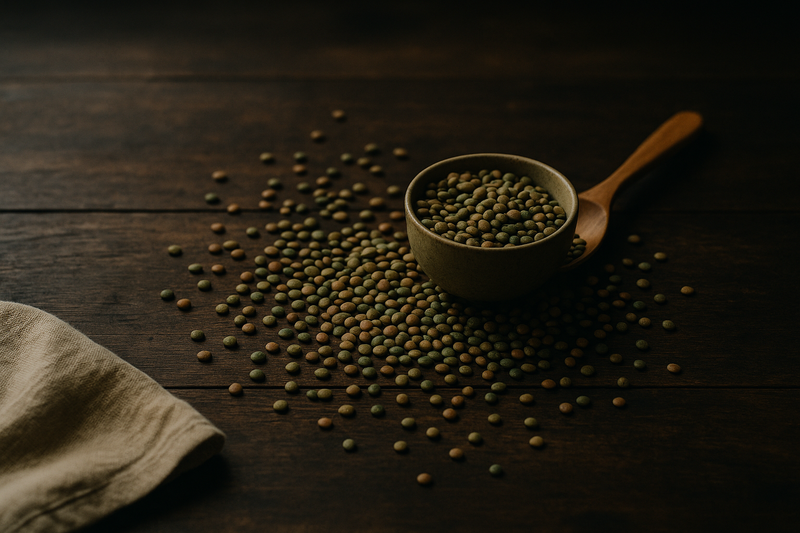
The foods with the strongest support are legumes, oats and barley, alliums such as garlic and onion, inulin-rich vegetables like asparagus, cooked-and-cooled starches, polyphenol-rich fruit, ground flaxseed and chia, and fermented foods including kimchi, sauerkraut, kefir and tempeh. They work by supplying fermentable substrate rather than by delivering good bacteria directly. Variety across a week does more than any single item, and effects vary considerably between individuals.
Key takeaways
- Your gut bacteria eat the carbohydrate your own enzymes cannot digest, which is why fiber, resistant starch and inulin matter more than any specific superfood.
- Fermenting those substrates produces short-chain fatty acids such as butyrate, a well-mapped mechanism, though the link from short-chain fatty acids to specific health outcomes in people is still being worked out.
- Cross-sectional data from the American Gut Project link eating more than 30 plant types a week with greater microbial diversity than eating 10 or fewer, a small comparison that supports variety without proving cause.
- A ten-week randomized trial found a fermented-food-rich diet increased microbial diversity and lowered 19 inflammatory blood proteins, while a high-fiber diet did neither in that period.
- The framing of good versus bad bacteria is a simplification. What the research actually tracks is diversity, functional capacity and metabolite output.
How these foods were chosen
Human data, not just petri dishes. Every entry has been studied in people, whether through fiber intervention trials, fermented-food trials or large observational microbiome datasets. Foods supported only by in vitro fermentation models were left out.
Whole foods over isolated supplements. Purified prebiotic powders can shift bacteria, but they deliver one substrate. Whole foods carry mixed fibers, resistant starch, polyphenols and minerals together, which is closer to what the dietary pattern research actually tested.
Tolerability considered. Some of the most potent fermentable fibers are also the most likely to cause gas. Where that is true, it is stated.
Available in ordinary US grocery stores. No specialty imports required.
One reframing before the list. The phrase good gut bacteria implies a fixed roster of desirable species. In reality, the same organism can be helpful or unhelpful depending on context, and no consensus list of good bacteria exists. What consistently distinguishes healthier microbiomes in research is diversity and a steady supply of fermentable substrate. That is what these foods provide.
The food list
Lentils, chickpeas and beans
Lentils and other pulses carry an unusual combination: soluble and insoluble fiber, resistant starch, and galacto-oligosaccharides, a class of fermentable carbohydrate that reaches the colon largely intact. That is three different substrates in one food, feeding different bacterial groups. They are also the cheapest way to move your fiber intake toward the 22 to 34 grams a day federal guidance suggests for adults.
Oats and barley
Oats and barley are rich in beta-glucan, a viscous soluble fiber that is readily fermented. Beta-glucan is one of the better-studied fibers in humans, with consistent effects on blood lipids and on stool short-chain fatty acid production in intervention studies. Steel-cut and rolled oats both qualify; heavily processed instant packets with added sugar are a weaker choice.
Garlic, onions and leeks
Garlic and onions supply inulin and fructo-oligosaccharides, the fibers that originally defined the prebiotic category. Small culinary amounts add up because these foods appear in nearly every savory dish. They are also among the most likely to trigger gas in sensitive people, which is covered below.
Asparagus and Jerusalem artichoke
Asparagus contains inulin, and Jerusalem artichoke is one of the densest whole-food sources of it. Chicory root, the source of most commercial inulin, is the same family of substrate. Treat Jerusalem artichoke with respect on first exposure, since a full serving can be dramatically gassy.
Cooked and cooled potatoes, rice and pasta
When cooked starch cools, some of it recrystallizes into resistant starch, which escapes digestion in the small intestine and is fermented in the colon. Resistant starch ferments more slowly than inulin and preferentially yields butyrate, which tends to make it gentler on people who bloat easily. Potato salad, cold rice in a bowl, or pasta salad all count, and reheating retains much of the effect.
Berries and other polyphenol-rich fruit
Berries, apples, pomegranate and grapes carry polyphenols, most of which are not absorbed in the small intestine and are instead metabolized by gut bacteria. The bacteria transform them into smaller compounds, and in turn the polyphenols appear to shape which bacteria thrive. This is an active research area rather than settled science, but the food itself is unambiguously worth eating.
Flaxseed and chia
Flaxseed and chia provide mucilaginous soluble fiber that forms a gel, plus lignans that gut bacteria convert into enterolignans. Grind flaxseed, since whole seeds mostly pass through undigested. A tablespoon or two a day is an easy addition to oatmeal, yogurt or a smoothie.
Nuts
Almonds and pistachios have been tested in small human trials for their effects on gut bacterial composition, with modest shifts reported. They also contribute fiber and polyphenols. The evidence here is thinner than for legumes or oats, so treat nuts as a useful contributor rather than a headline act.
Fermented foods
Kimchi, sauerkraut, kefir, yogurt with live cultures, miso and tempeh deliver live microorganisms plus the compounds produced during fermentation. In the Stanford trial, this category, not fiber, was what raised diversity and lowered inflammatory markers within ten weeks. Note that fermented foods are not automatically probiotics, since most have not been tested for a defined health benefit at a defined dose.
How to actually use them
- Anchor two meals a day. Oats or a cooled-starch bowl at one meal, legumes at another. That alone moves fiber substantially.
- Add a fermented food most days. A few tablespoons of kimchi or sauerkraut, a small glass of kefir, or miso stirred in after the pot comes off the heat, since high heat kills live cultures.
- Cook once, cool deliberately. Make extra rice or potatoes and refrigerate them overnight. The resistant starch forms during cooling, not during cooking.
- Spread fiber across the day. Three moderate fiber servings are far better tolerated than one large one.
- Increase by about 2 to 3 grams a day at a time. That is the pace clinical guidance suggests for people with IBS, and it works well for anyone.
- Drink enough fluid. Viscous and bulking fibers need water to move properly.
Why the overall pattern matters more than any single food
No individual food reliably changes a microbiome, and none has been shown to prevent or treat disease through the gut. What the research supports is a sustained pattern.
The American Gut Project comparison illustrates the point: the variable that tracked with diversity was the number of distinct plant types eaten per week, not the presence of any particular plant. That analysis compared 41 people eating more than 30 plant types with 44 eating 10 or fewer, so it is small and cross-sectional. It cannot show that variety causes diversity, and it cannot show that diversity causes better health. It is a reason to rotate ingredients, not a reason to buy anything specific.
The Stanford trial adds a second lesson. Ten weeks of high fiber did not raise diversity in that group, and the researchers observed incompletely degraded fiber in stool, suggesting the existing microbial community lacked the enzymatic capacity to use it quickly. Change may need longer, or may need to be paired with fermented foods. Either way, patience beats intensity.
Everything else in the pattern also counts. Antibiotics, alcohol, sleep, physical activity, stress and medications such as proton pump inhibitors all affect the gut community. Diet is one lever among several.
Who should adapt or be cautious
- Irritable bowel syndrome. Inulin, fructans and galacto-oligosaccharides are high-FODMAP and commonly worsen bloating and pain in IBS. Prebiotic supplements have not consistently improved IBS symptoms in trials. NIDDK guidance describes a short trial of a low-FODMAP diet followed by structured reintroduction, ideally with a dietitian, rather than long-term avoidance.
- Small intestinal bacterial overgrowth or known strictures. Fermentable substrate can worsen symptoms. Get individualized advice before loading up on fiber.
- Inflammatory bowel disease during a flare. Fiber tolerance often drops during active disease. Follow your gastroenterology team's guidance rather than general population advice.
- Immunocompromise or pregnancy. Be cautious with unpasteurized fermented products and raw-milk kefir. Ask your care team. NCCIH also notes that serious infections have been reported in premature infants given probiotics, with an FDA warning issued to providers in 2023.
- High blood pressure or heart failure. Kimchi, sauerkraut and miso are high in sodium. Use them as condiments, not as side dishes.
- Chronic kidney disease. Legumes, nuts and many vegetables here are high in potassium and phosphorus. Portions need to be individualized by a renal dietitian.
- Recent abdominal surgery or a history of bowel obstruction. Do not increase fiber without clearance from your surgeon.
When to seek care. Blood in the stool, black tarry stools, unintentional weight loss, persistent vomiting, difficulty swallowing, fever with abdominal pain, symptoms that wake you at night, or a lasting change in bowel habits should be evaluated by a clinician rather than managed with diet alone. Iron-deficiency anemia on a blood test also warrants investigation.
Bottom line
Feed your gut bacteria with legumes, oats and barley, alliums, inulin-rich vegetables, cooled starches, polyphenol-rich fruit, ground flax and chia, and a small daily fermented food. Rotate ingredients so the total number of distinct plants each week goes up. The mechanism is well described, the human outcome evidence is still mostly about biomarkers, and individual responses differ. Increase slowly, adapt for IBS or kidney disease, and treat alarming symptoms as a medical question rather than a dietary one.
Frequently asked questions
How fast will these foods change my gut bacteria? Composition can begin shifting within days, but measurable changes in diversity or inflammatory markers in trials generally took weeks. In the Stanford study, ten weeks of a high-fiber diet did not raise diversity, while the fermented-food arm did. Expect gradual change, and expect it to depend on continuing the pattern.
Should I take a prebiotic or probiotic supplement instead? Not as a first step. NCCIH describes probiotic evidence as mixed and strain-specific, with genuine uncertainty about which strain, dose and population benefits. Supplements have specific uses, such as reducing antibiotic-associated diarrhea, but they do not replace a varied diet, and inulin supplements often worsen symptoms in people with IBS.
Does cooking destroy the prebiotic fiber in garlic and onions? No. Inulin and related fructans survive normal cooking, unlike the live cultures in fermented foods, which are killed by high heat. Cook alliums freely, but add miso, kimchi or kefir at the end or serve them cold if you want the microbes intact.
Is bloating a bad sign? Some gas is a normal consequence of fermentation and often settles over two to four weeks as intake stabilizes. Severe or persistent pain, or bloating alongside weight loss, bleeding or vomiting, is not normal. Slow the increase, spread intake across the day, and see a clinician if symptoms persist.
Do I need a microbiome test to know what to eat? No. Consumer microbiome tests are not standardized between labs, and none has been shown to predict which foods will improve your symptoms or health. A food and symptom diary kept for a few weeks is more informative and costs nothing.
Sources and evidence
- Consensus definition and scope of prebiotics, ISAPP expert panel
- Effects of dietary fibers on short-chain fatty acids and gut microbiota composition in healthy adults, systematic review
- Short-chain fatty acids as a bridge between diet, gut microbiota and health, 2024 review
- Gut-microbiota-targeted diets modulate human immune status, randomized trial in Cell (https://www.cell.com/cell/pdf/S0092-8674(21)00754-6.pdf)
- Stanford Medicine summary of the fermented-food versus high-fiber trial
- Plant-type diversity and gut microbiome diversity, American Gut Project
- Fiber targets, gradual increases and low-FODMAP guidance, NIDDK
- What the evidence shows about probiotics, including safety warnings, NIH NCCIH
- Fiber and nutrient composition of specific foods, USDA FoodData Central
Know Your Numbers
Eating healthy is a start. Now get to know your biomarkers.
Food changes bloodwork — inflammation, lipids, blood sugar and nutrient status all respond to what you eat. 59 markers from $59.
- Results in 7–10 days at 2,000+ Quest sites
- Licensed provider reviews every result
- One flat price, no membership, HSA/FSA eligible
Educational information only, not medical advice. Panels are ordered and reviewed through our licensed partner; Plantopedia may earn a commission.