Asparagus — health benefits and uses
Color, fiber, and everyday plate-building angle
The Short Answer
Asparagus is a nutrient-dense spring vegetable providing 47% of your daily vitamin K and 18% of your folate per cooked cup. It contains unique sulfur compounds like asparagusic acid and prebiotic fibers that support heart and digestive health.

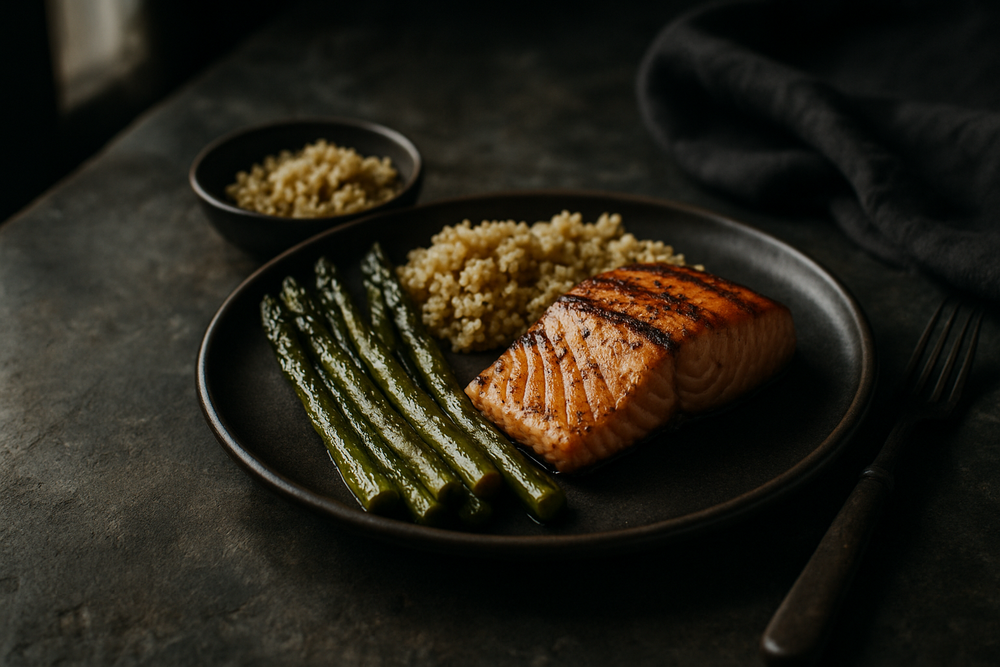
Asparagus · Photograph
Asparagus (Asparagus officinalis) is one of spring's most nutritious vegetables, packed with folate, vitamin K, and unique plant compounds that may support everything from digestive health to heart function. This slender green spear delivers impressive nutrition in a low-calorie package, making it a valuable addition to health-conscious eating patterns.
Key Nutrients
% Daily Value based on 2,000 cal diet
Key active compounds in asparagus
The health potential of asparagus comes from several categories of bioactive compounds:
• Saponins (asparanin, protodioscin, yamogenin, sarsasapogenin) - Plant sterols concentrated in the lower portions of spears that may influence cholesterol levels • Asparagusic acid - A unique sulfur compound that gives asparagus its distinctive properties and may have anti-inflammatory effects • Asparaptine - Another sulfur compound that research suggests might influence blood pressure regulation • Fructo-oligosaccharides and inulin - Prebiotic fibers that support beneficial gut bacteria • Glutathione - A powerful antioxidant compound that supports cellular protection • Flavonoids and phenolic acids - Plant antioxidants that contribute to asparagus's free radical scavenging ability
Buying guide: Fresh vs frozen vs supplements
Fresh asparagus selection: • Look for firm, straight spears with compact, closed tips • Avoid spears that are limp, have open or flowering tips, or show signs of drying • Choose spears of similar thickness for even cooking • Store in refrigerator and use within 3-4 days for best quality
Frozen asparagus considerations: • Often more economical and available year-round • Pre-cut for convenience • Check ingredient lists for added sodium or preservatives • Use directly from frozen in cooked dishes
Asparagus supplements: While fresh asparagus provides the most complete nutritional profile, some people consider asparagus extract supplements. However, the research supporting asparagus benefits comes primarily from consuming the whole vegetable, not isolated compounds. Whole food sources provide the full spectrum of nutrients and fiber that supplements may lack.
Common pairings: How to maximize asparagus benefits
With healthy fats: Pair asparagus with olive oil, avocado, or nuts to enhance absorption of fat-soluble vitamins like vitamin K. The combination also provides complementary anti-inflammatory compounds.
With protein sources: Combine asparagus with lean proteins like chicken, fish, or legumes. The high folate content supports protein metabolism, while the fiber helps balance the meal's glycemic impact.
With other spring vegetables: Mix asparagus with artichokes, peas, or spinach for a powerhouse of complementary nutrients. This combination provides diverse antioxidants and prebiotic fibers that support gut health.
Bottom line
Asparagus health benefits stem from its impressive nutrient density, particularly its exceptional folate and vitamin K content, combined with unique bioactive compounds that may support digestive, cardiovascular, and anti-inflammatory pathways. While more human research is needed to confirm some of the emerging benefits, asparagus's established nutritional profile makes it a valuable addition to health-conscious eating patterns.
The vegetable's low calorie count, high fiber content, and minimal impact on blood sugar make it suitable for various dietary approaches. When chosen fresh, prepared simply, and consumed regularly as part of a varied diet, asparagus can contribute meaningfully to overall nutritional adequacy and wellness goals.
How Asparagus Compares
| Compared with | What's different |
|---|---|
| Asparagus vs. Broccolini | Taller, fibrous spears with a grassy flavor, whereas broccolini has tender stems and floral florets. |
| Asparagus vs. Green Beans | Contains higher levels of folate and vitamin K, while green beans offer more vitamin A. |
Health Benefits
Things to Know
Blood thinning medications: High vitamin K content may interfere with warfarin and similar medications - maintain consistent intake and consult your healthcare provider
Kidney function: Generally safe, but those with kidney stones should discuss oxalate content with their doctor
Pregnancy and nursing: The high folate content is beneficial, but consult your healthcare provider about appropriate intake levels
Digestive sensitivity: Start with smaller servings if you're not used to high-fiber foods to avoid potential gas or bloating
Urine odor: Asparagusic acid can cause a distinctive (but harmless) urine odor in some people within hours of eating
Drug interactions: Theoretical interaction with ACE inhibitors due to asparaptine content, though clinical significance is unclear
Shop This Ingredient
Stock your pantry with quality asparagus.
Buy on AmazonAs an Amazon Associate, Plantopedia earns from qualifying purchases. This costs you nothing extra and helps us keep the encyclopedia free.
Frequently Asked Questions
Heart and circulation Research suggests asparagus may support cardiovascular health through multiple mechanisms. Animal studies have shown that saponins from asparagus can help reduce LDL ("bad") cholesterol and total cholesterol levels. The sulfur compound asparaptine appears to inhibit angiotensin-converting enzyme (ACE) in laboratory studies, which could theoretically support healthy blood pressure. Additionally, asparagus's high folate content contributes to cardiovascular wellness by helping metabolize homocysteine, an amino acid that when elevated may increase heart disease risk. While these mechanisms are promising, more human clinical trials are needed to confirm cardiovascular benefits. Digestive health and microbiome Asparagus benefits for digestion are among the best-supported health claims. The vegetable contains significant amounts of prebiotic fibers - specifically fructo-oligosaccharides and inulin - that serve as food for beneficial gut bacteria. When these bacteria ferment the fibers, they produce short-chain fatty acids that nourish the intestinal lining and may improve overall digestive function. Regular asparagus consumption also provides a mild diuretic effect, which can support the body's natural detoxification processes. The fiber content promotes healthy bowel movements and may contribute to digestive regularity. Blood sugar and metabolism Asparagus nutrition facts make it naturally suitable for blood sugar management. With only 2 grams of carbohydrates per serving and minimal natural sugars, asparagus has virtually no impact on blood glucose levels. This makes it an excellent choice for people following low-carb or diabetic-friendly eating patterns. While asparagus doesn't contain specific compounds targeting glucose metabolism, its low glycemic profile and fiber content can be valuable components of blood sugar-conscious meal planning. Inflammation and recovery Animal studies suggest asparagus may have anti-inflammatory properties, primarily attributed to asparagusic acid's ability to inhibit COX-2, an enzyme involved in inflammatory processes. In one mouse study, consuming asparagus helped reduce symptoms of induced colitis, including improved stool consistency and reduced spleen enlargement. Asparagus also contains glutathione, a master antioxidant that supports cellular protection and may help neutralize free radicals. In antioxidant capacity rankings, asparagus scored seventh among 34 common fruits and vegetables for radical scavenging ability.
Fresh asparagus offers the complete spectrum of nutrients and bioactive compounds, with peak vitamin C content when consumed raw or lightly cooked. Choose firm, straight spears with tight tips and bright green color. Cooked asparagus remains highly nutritious and may be easier to digest for some people. Steaming or light sautéing preserves most nutrients while making the fiber more accessible. The key compounds like folate and vitamin K are relatively stable to cooking. Frozen asparagus can be a convenient alternative, though it may have slightly reduced vitamin C content. Look for frozen varieties without added sodium or sauces. Canned asparagus is shelf-stable but often contains added sodium and may have a softer texture. Rinse before eating to reduce sodium content.
A typical beneficial serving ranges from ½ to 1 cup cooked asparagus (approximately 10-20 spears), which can be consumed daily as part of a varied diet. This amount provides substantial folate and vitamin K while contributing meaningful fiber and antioxidants. Starting approach: Begin with smaller servings (4-6 spears) if you're new to high-fiber vegetables, gradually increasing as your digestive system adapts. Frequency: Asparagus can be eaten daily during its season, though rotating among different vegetables ensures dietary diversity and prevents monotony. Timing: No specific timing requirements, though some people prefer avoiding asparagus close to bedtime due to its mild diuretic properties. Ready to incorporate more nutrient-dense vegetables into your daily routine? Our meal planner can help you design balanced meals that include asparagus and other health-supporting foods tailored to your dietary preferences.
Quick Answers
Common questions, answered in a line.
Choose firm, straight spears with compact, closed tips to ensure you are getting the freshest asparagus. Avoid spears that appear limp, have flowering tips, or look dry, and try to select spears of similar thickness so they cook evenly.
You should store fresh asparagus in the refrigerator and aim to use it within three to four days for the best quality. Frozen asparagus is also an option, as it is often more economical, pre-cut for convenience, and available year-round.
Asparagus contains a unique sulfur compound called asparagusic acid, which can cause a distinctive but harmless urine odor in some people within hours of consumption. This is a common and safe digestive byproduct of the vegetable's unique chemical makeup.
Asparagus supports digestive health by providing prebiotic fibers like inulin and fructo-oligosaccharides. These fibers serve as a food source for beneficial gut bacteria, though people not used to high-fiber foods should start with small servings to avoid gas or bloating.
People taking blood-thinning medications like warfarin should be cautious with asparagus due to its high vitamin K content. Additionally, those with kidney stones should discuss its oxalate content with a doctor, and individuals on ACE inhibitors should note theoretical interactions with the compound asparaptine.
Pairing asparagus with healthy fats like olive oil, avocado, or nuts helps your body better absorb its fat-soluble nutrients, such as vitamin K. You can also combine it with lean proteins like fish or chicken to support protein metabolism through its high folate content.
Whole asparagus is generally considered superior to supplements because it provides a complete nutritional profile, including fiber and a full spectrum of nutrients. Most research supporting the health benefits of asparagus is based on consuming the whole vegetable rather than isolated extracts.
For Readers in the USA
Local context — sourcing, seasonality, and regional notes.
Peak asparagus season in the United States runs from February through June, with April being the height of the harvest. While imported spears are available year-round, domestic production is most active during these spring months, particularly in states like Michigan, Washington, and California.
Asparagus is widely available at major U.S. grocery chains like Kroger, Safeway, and Whole Foods, as well as seasonal farmers markets. Look for the USDA Organic seal if you want to ensure the crop was grown without synthetic pesticides, a common preference for U.S. shoppers seeking sustainable produce.
Washington, Michigan, and California are the top three asparagus-producing states in the U.S., accounting for the vast majority of domestic commercial volume. These regions provide the ideal climate and soil conditions to support large-scale harvests that supply the entire country during the spring.
While green asparagus is the U.S. standard, you can also find white asparagus (grown underground to prevent chlorophyll) and purple asparagus (sweeter and higher in antioxidants) at specialty stores like Trader Joe's or upscale markets. Purple varieties are particularly popular at U.S. farmers markets for their striking appearance in salads.
AI Clinical Review
- Asparagus is genuinely nutrient-dense, especially for folate and vitamin K, while remaining low in calories and carbohydrate. • The prebiotic fibers (inulin and fructo‑oligosaccharides) are well supported for feeding beneficial gut bacteria and generating short‑chain fatty acids that support colon health. • Its minimal glycemic impact and helpful fiber make it easy to include in blood‑sugar–conscious eating. • Practical notes on choosing fresh, frozen, and canned forms—and that light cooking preserves most nutrients—are on target.
- Cardiovascular benefits from saponins and ACE‑inhibiting compounds (asparaptine) come mainly from animal or cell studies; robust human trials confirming blood‑pressure or cholesterol effects are limited. • Anti‑inflammatory and antioxidant claims (e.g., asparagusic acid, glutathione, “antioxidant rankings”) do not yet translate to proven clinical outcomes in people. • The “mild diuretic/detox” idea is largely observational; there’s no evidence it meaningfully enhances toxin removal beyond normal kidney function. • Beyond its low carbohydrate content, specific effects on glucose metabolism or weight regulation haven’t been demonstrated in controlled human studies.
- Typical food-use amount: 1/2–1 cup cooked (about 10–20 spears) per day is reasonable; increase gradually if you’re not used to high-fiber foods to minimize gas/bloating. • Medications and conditions: If you take warfarin or another vitamin‑K–antagonist, keep vitamin K intake consistent and coordinate with your clinician. No clinical interaction is established with ACE inhibitors despite in‑vitro findings. People with recurrent kidney stones or chronic kidney disease should confirm appropriate portions. • IBS/FODMAP sensitivity: Because asparagus is high in fructans (a FODMAP), some people with IBS may tolerate only small servings or may need alternatives. • Form matters: Frozen is nutritionally comparable to fresh; canned can be high in sodium—choose low‑sodium options or rinse. Asparagus extracts/supplements lack strong evidence; whole food is preferred, including during pregnancy alongside standard prenatal folic acid.
Frame as food education, not disease treatment.
References
- USDA FoodData Central - Asparagus nutrition data (fdc.nal.usda.gov)
- PMC: Pro-Health Activity of Asparagus officinalis Review (pmc.ncbi.nlm.nih.gov)
- NIH National Center for Complementary and Integrative Health - Antioxidants information (nccih.nih.gov)
- Aprifel: Green Asparagus Nutritional Facts (aprifel.com)
- Mayo Clinic - Folate benefits and food sources (mayoclinic.org)
- Harvard T.H. Chan School of Public Health - Fiber and prebiotic effects (hsph.harvard.edu)
- Journal of Agricultural and Food Chemistry - Asparagus antioxidant capacity studies
- Clinical nutrition research on vitamin K and cardiovascular health
- American Heart Association - Folate and homocysteine research
- International Journal of Food Sciences - Asparagus bioactive compounds
Know Your Numbers
Eating healthy is a start. Now get to know your biomarkers.
Food changes bloodwork — inflammation, lipids, blood sugar and nutrient status all respond to what you eat. 59 markers from $59.
- Results in 7–10 days at 2,000+ Quest sites
- Licensed provider reviews every result
- One flat price, no membership, HSA/FSA eligible
Educational information only, not medical advice. Panels are ordered and reviewed through our licensed partner; Plantopedia may earn a commission.
Filed Under
Health Goals This Supports
Related Ingredients
Best Foods to Feed Good Gut Bacteria
Gut bacteria run on fermentable carbohydrate your own enzymes cannot digest. Here are the foods with the best human evidence behind them, how to introduce them without wrecking your week, and the honest limits of what microbiome research can currently claim.
Prebiotic Foods: What They Are and Why They Matter
A precise, non-hyped explanation of what makes a food component prebiotic, the fermentation chain it sets off in the colon, and the difference between a well-mapped mechanism and a proven health outcome.