Chayote — health benefits and uses
A Mesoamerican staple eaten as a gentle, hydrating everyday vegetable-fruit.
The Short Answer
Chayote is a low-calorie summer squash that provides 93 mcg of folate and 7.7 mg of vitamin C per cup. It is prized for its mild flavor and ability to retain a crisp texture when cooked or eaten raw in slaws.
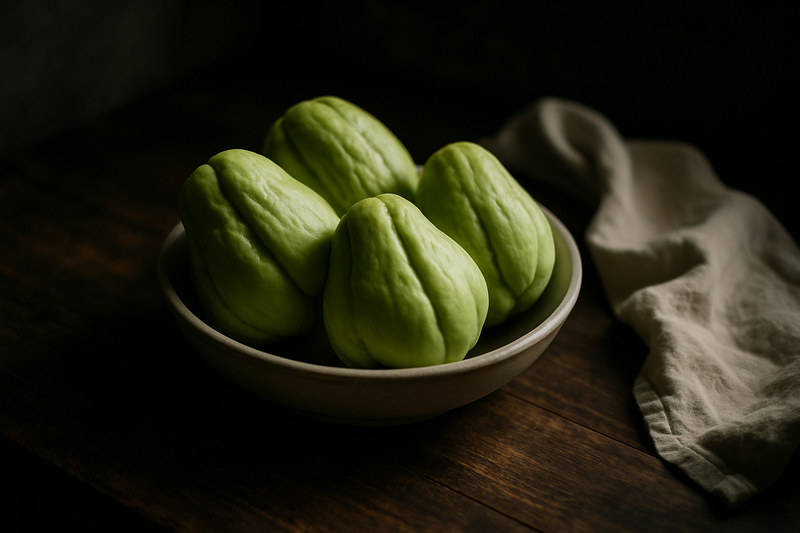
Chayote · Photograph
Discover the chayote health benefits that make this mild, low-calorie gourd worth adding to your plate. Learn about its folate, vitamin C, and fiber content, how to eat it raw or cooked, and what the evidence actually says about digestion, blood sugar, and heart health.
Key Nutrients
% Daily Value based on 2,000 cal diet
Key active compounds
- Folate (vitamin B9) — A B vitamin essential for DNA synthesis, red blood cell formation, and reducing neural tube defect risk in early pregnancy. Chayote is one of the better vegetable sources relative to its calorie count.
- Vitamin C — A water-soluble antioxidant (a molecule that neutralizes harmful free radicals) that supports immune function, collagen production, and iron absorption.
- Dietary fiber — Both soluble and insoluble fiber contribute to digestive regularity and feed beneficial gut bacteria (the microbiome — the community of microorganisms living in your gut).
- Potassium — An electrolyte (a mineral that carries an electrical charge in body fluids) involved in fluid balance, nerve signaling, and blood pressure regulation.
- Copper and manganese — Trace minerals that support antioxidant enzyme systems and connective tissue formation.
- Vitamin K — A fat-soluble vitamin required for normal blood clotting and bone health, present in modest amounts.
- Polyphenols (general) — A broad group of plant compounds that may have antioxidant and anti-inflammatory activity; chayote's specific polyphenol profile is not yet well characterized.
- Carotenoids (trace) — Pigment compounds related to vitamin A; chayote's pale color signals that these are present only in very small amounts compared with deeply colored produce.
Prep and pairing ideas
Chayote is one of the more forgiving ingredients in a plant-based kitchen. Here are three practical ways to use it and why they work:
Chayote and citrus slaw. Julienned raw chayote tossed with lime juice, a little apple cider vinegar, cilantro, and chili flakes. The acidity of the lime enhances iron absorption from any plant-based protein you serve it alongside, and the raw preparation keeps folate and vitamin C fully intact.
Chayote in black bean soup. Diced chayote added to a black bean soup in the last 15 minutes of cooking. It softens just enough to be tender without going mushy, adds volume without calories, and the beans supply the protein and additional fiber that round out the meal. This is a practical whole food plant-based chayote recipe that scales easily.
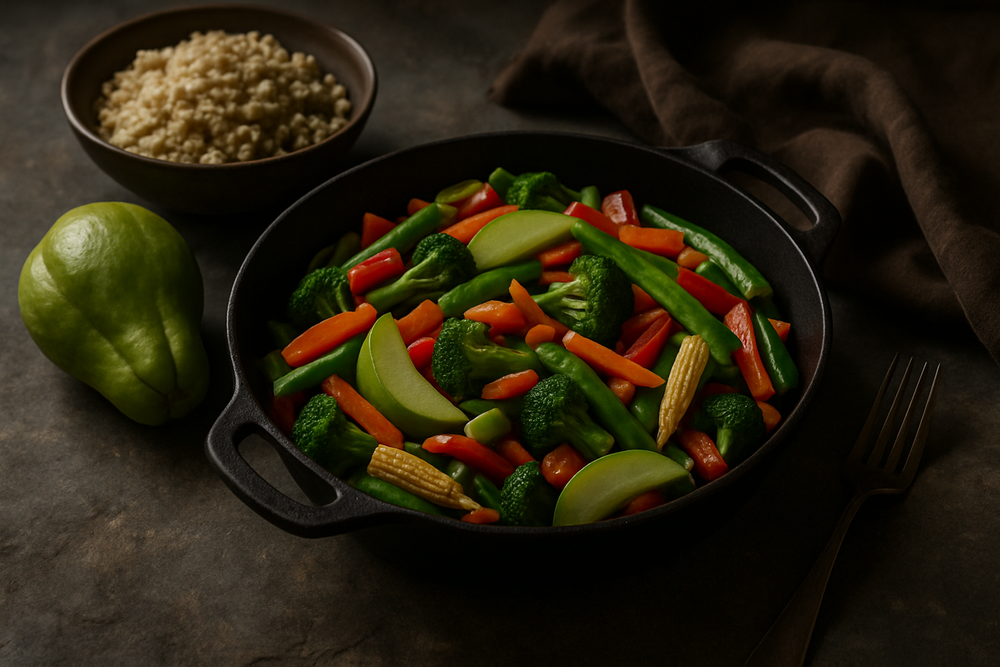
Chayote and ginger stir-fry. Thinly sliced chayote stir-fried with garlic, fresh ginger, snap peas, and low-sodium tamari. Ginger and garlic add anti-inflammatory plant compounds, the snap peas boost fiber further, and the whole dish comes together in under ten minutes.
Bottom line
Chayote is a genuinely underrated whole food. It is very low in calories, provides a meaningful amount of folate and vitamin C relative to that calorie count, contributes fiber and several trace minerals, and fits into almost any cooking style from raw slaws to long-simmered soups. The direct clinical evidence for chayote-specific health outcomes is limited — most of what we know is inferred from its nutrients and the broader science on plant-rich diets — but what it delivers as a food is real and useful.
For most people, the case for eating chayote is simple: it is safe, versatile, affordable, and adds variety and nutritional depth to a plant-forward plate. The main thing to know before you pick one up is to protect your hands from the sap when peeling.
Explore how chayote and similar ingredients fit into your overall eating pattern by browsing our health goals guides.
How Chayote Compares
| Compared with | What's different |
|---|---|
| Chayote vs. Zucchini | Chayote has a crisper, water-rich texture and is significantly lower in calories. |
| Chayote vs. Jicama | Chayote is much milder and lower in starch, whereas jicama is sweeter and crunchier. |
| Chayote vs. Kohlrabi | Chayote is a gourd with edible seeds and skin, while kohlrabi is a cruciferous stem. |
Health Benefits
Things to Know
Sap and skin irritation.: When you peel or cut a raw chayote, it releases a clear, slightly sticky sap that can cause skin dryness or a mild contact dermatitis (localized skin irritation) in some people. This is the most commonly reported side effect. Wearing kitchen gloves when peeling, or washing hands immediately after, prevents discomfort.
Kidney disease and potassium.: Chayote has a modest potassium content (125 mg per 100 g). For most people this is beneficial, but those on potassium-restricted diets due to advanced kidney disease should account for it in their overall intake and check with their dietitian.
Warfarin and blood thinners.: Chayote contains vitamin K (about 6 mcg per 100 g). Vitamin K influences how blood-thinning medications like warfarin work. The amount in a typical chayote serving is small, but if you take anticoagulants, the key is consistency in total vitamin K intake across your diet, not avoiding any single food. Talk to your clinician or pharmacist.
Allergy.: Chayote belongs to the Cucurbitaceae family (cucumbers, squash, melons). If you have a known allergy or sensitivity to other cucurbits (gourd family members), mention chayote to your clinician before adding it regularly.
Pregnancy.: Chayote is generally considered safe to eat during pregnancy in culinary amounts and may contribute useful folate. However, any supplement or significant dietary change during pregnancy should be discussed with your healthcare provider.
Very low calorie diets.: Chayote is so low in calories that relying heavily on it without adequate protein and energy from other foods could contribute to insufficient overall intake. Think of it as a complement to a varied diet, not a primary calorie source.
Shop This Ingredient
Stock your pantry with quality chayote.
Buy on AmazonAs an Amazon Associate, Plantopedia earns from qualifying purchases. This costs you nothing extra and helps us keep the encyclopedia free.
Frequently Asked Questions
Here is what the current evidence suggests, broken down by health area. Where human trial data is limited, that is noted clearly. Heart and circulation Chayote contributes to cardiovascular-friendly eating in several indirect ways. It is naturally low in sodium and fat, provides potassium (which research consistently links to better blood pressure management), and delivers fiber — all characteristics associated with reduced cardiovascular risk in large dietary studies. However, there are no controlled human trials testing chayote intake directly against blood pressure, cholesterol, or cardiovascular outcomes. The heart health case for chayote is a good one, but it is a supporting role within an overall heart-healthy dietary pattern, not a standalone fix. Digestive health and microbiome A 100 g serving of raw chayote provides about 1.7 g of dietary fiber, and a cooked cup-sized portion can reach 3–4 g depending on preparation. Dietary fiber is one of the most evidence-backed nutrients for digestive health: it adds bulk to stool, supports regular bowel movements, and feeds beneficial bacteria in the gut microbiome. Chayote is a lower-fiber option compared to legumes or whole grains, but it is still a useful contribution — and it works particularly well as a high-volume, low-calorie addition to soups and stir-fries where it can replace starchier or lower-fiber ingredients. Blood sugar and metabolism Chayote is non-starchy (meaning it has a low carbohydrate load per serving), low in calories, and provides fiber — all factors that contribute to a low glycemic response (a measure of how quickly a food raises blood glucose). This makes it a practical vegetable choice for people managing insulin resistance or type 2 diabetes. Some articles claim chayote has direct blood-sugar-lowering effects, but those claims are based primarily on animal or cell-level studies, not human intervention trials. The practical takeaway: chayote is a blood sugar–friendly vegetable, but it is not a substitute for medical management of diabetes. Hormones and cycle health Chayote's notable folate content is particularly relevant for reproductive health. Folate is essential for DNA replication in rapidly dividing cells, and adequate intake before and during early pregnancy is strongly linked to a reduced risk of neural tube defects (birth defects affecting the brain and spinal cord). These benefits come from the large body of evidence on folate in general, not from chayote-specific pregnancy studies. Still, chayote can be a useful food-based folate source alongside other folate-rich vegetables, beans, and (where recommended) folic acid supplements. Inflammation and recovery Chayote's vitamin C, copper, and manganese all participate in the body's antioxidant defense systems. Oxidative stress — an imbalance between harmful free radicals and the body's ability to neutralize them — is linked to chronic inflammation and several diseases. Claims that chayote has direct anti-inflammatory effects exist in popular health writing, but the underlying data are preclinical (cell and animal studies). Realistically, chayote contributes to the anti-inflammatory effect of a varied, plant-rich diet rather than providing a unique therapeutic benefit of its own.
The volume eater trying to manage weight Very low calorie density (about 19 kcal per 100 g) means you can eat generous portions without a big energy cost. High water content adds bulk and can help with satiety (the feeling of fullness) in a meal. Works as a replacement for starchier vegetables in soups and stir-fries to lower the overall calorie load of a dish. People planning a pregnancy or in the first trimester One of the better whole-food sources of folate relative to calories, providing around 23% of the daily value per 100 g. Easy to eat raw or cooked, making it accessible in varied meal formats. Should complement, not replace, any folic acid supplement recommended by a clinician.
Both forms are nutritious, and the best choice depends mostly on how you plan to use it. Raw chayote retains the most vitamin C and folate, both of which can degrade with heat. It has a firm, crisp texture similar to a water chestnut or jicama, making it a good fit for slaws, salads, and fresh salsas. The flavor is very mild, so it picks up dressing and seasoning well. Cooked chayote becomes slightly softer and takes on flavors from whatever it is cooked with — broth, garlic, spices — making it excellent in soups, stews, braises, and stir-fries. Cooking may reduce vitamin C by 10–25% depending on method and time, but it generally preserves fiber, potassium, folate, and minerals well. Steaming or quick stir-frying minimizes nutrient losses better than boiling for extended periods. Stuffed chayote (halved, hollowed slightly, and filled with grains, legumes, or sautéed vegetables, then baked or steamed) is a practical way to make it the center of a meal rather than a side dish. What about the skin and seed? The thin skin is edible when young and tender. The single soft seed inside is also edible and sometimes eaten separately, though it is rarely the focus of nutrition research. For older, tougher fruits, peeling is easier — but always do so carefully (see safety notes below).
There is no established therapeutic dose for chayote because it is a whole food, not a supplement. Major dietary guidelines do not specify chayote intake separately from general fruit and vegetable recommendations. In practice, half to one medium chayote (roughly 100–200 g) eaten a few times per week is a reasonable and common culinary portion. This size contributes meaningfully to your daily folate, vitamin C, fiber, and potassium goals without any known risk of excess. Start with small amounts if you are new to chayote, not because of any significant risk, but simply to find preparations you enjoy and to let your digestive system adjust to a new fiber source as you would with any new vegetable. Increasing fiber intake gradually and drinking adequate water helps avoid the gas or bloating that can come with any shift in diet. If you are eating chayote for a specific health goal — particularly folate intake during pregnancy or fiber for digestive health — look at your overall diet pattern first and consider chayote one useful piece of a varied whole-food approach.
Quick Answers
Common questions, answered in a line.
Chayote contains vitamin K, which can influence how blood-thinning medications like warfarin work. While the amount in a typical serving is small, the key is maintaining a consistent total vitamin K intake. Consult your clinician if you are on anticoagulants.
Yes, you can eat raw chayote in preparations like slaws or salads to keep its folate and vitamin C content fully intact. A common method is to julienne the raw fruit and toss it with lime juice and cilantro. Just be sure to wear gloves when peeling to avoid sap irritation.
Chayote provides folate (vitamin B9), which is essential for DNA synthesis and reducing the risk of neural tube defects in early pregnancy. It is generally considered safe to eat during pregnancy in culinary amounts, though you should discuss dietary changes with your healthcare provider.
Cutting or peeling raw chayote releases a clear, sticky sap that can cause mild contact dermatitis or skin dryness in some people. To prevent this localized skin irritation, it is recommended to wear kitchen gloves or wash your hands immediately after handling the fruit.
Chayote is a very low-calorie gourd that provides dietary fiber, which supports digestive regularity and feeds beneficial gut bacteria. It also contains potassium for blood pressure regulation and vitamin C for immune support. It is a useful addition to weight-management diets.
If you have a known allergy or sensitivity to members of the Cucurbitaceae family, such as cucumbers, squash, or melons, you should consult a clinician before eating chayote. It belongs to the same gourd family and may trigger similar sensitivities in some individuals.
For Readers in the USA
Local context — sourcing, seasonality, and regional notes.
In the U.S., you can find chayote year-round at major retailers like Kroger, Walmart, and Whole Foods, as well as local Hispanic or Asian grocery stores. While widely available in commercial chains, they are most abundant in late summer and fall at farmers markets in warmer states.
Chayote grows best in USDA Plant Hardiness Zones 8 through 11, with the majority of domestic commercial production occurring in Florida, California, and Louisiana. Because it requires a long, warm growing season, gardeners in northern states typically treat it as a high-maintenance annual rather than a perennial.
In the U.S., you may see chayote sold under regional names like 'mirliton' in Louisiana and the Gulf Coast, or 'cho-cho' in some Caribbean-focused markets. While the smooth-skinned green variety is most common, some specialty stores may carry the prickly or 'hairy' cultivars.
For the best quality, look for USDA Organic certified chayote which ensures the gourd was grown without synthetic fertilizers or pesticides. The FDA classifies chayote as a 'minor crop,' and it is generally recognized as safe (GRAS) for consumption across the United States.
AI Clinical Review
- Accurately portrays chayote as very low in calories (~19 kcal/100 g) yet providing meaningful folate, vitamin C, and some fiber—useful for weight‑conscious eating and everyday nutrient density.
- Appropriately frames evidence: there are no large human trials on chayote for disease outcomes; benefits are inferred from its nutrient profile and broader fruit‑and‑vegetable research.
- Practical guidance on preparation is sound: raw preserves more vitamin C/folate; quick cooking (steam/stir‑fry) minimizes losses, and both skin and soft seed are edible when tender.
- Positions chayote well for blood‑sugar‑friendly meals as a non‑starchy vegetable, without overstating it as a treatment for diabetes.
- Claims of anti‑inflammatory or glucose‑lowering effects are based mainly on cell or animal studies; human intervention data are lacking.
- No clinical trials link chayote intake directly to cardiovascular, glycemic, or weight‑loss outcomes beyond what’s expected from similar low‑calorie, fiber‑containing vegetables.
- The specific polyphenol profile and microbiome effects of chayote are not well characterized, so any unique benefits remain speculative.
- Portion practicality: ½–1 medium fruit (about 100–200 g) a few times per week fits well for most people; increase gradually if you’re ramping up fiber and drink adequate fluids.
- Sap can cause temporary skin dryness or mild irritation when peeling—gloves or prompt hand‑washing help; this is usually an irritant effect, not an allergy.
- If you take warfarin or other vitamin K–sensitive anticoagulants, keep overall vitamin K intake consistent; those with advanced kidney disease on potassium restriction should account for chayote’s modest potassium.
- Pregnancy: chayote can contribute folate from food, but most people who are or may become pregnant still need a folic acid supplement per clinician guidance; discuss any significant dietary changes with your care team.
The sap can dry the skin; generally very safe and low-allergen.
References
- USDA FoodData Central — chayote (raw) nutrition data (fdc.nal.usda.gov)
- MyPlate fruit and vegetable guidance — USDA (myplate.gov)
- Healthline — 10 Impressive Benefits of Chayote Squash (healthline.com)
- University of Rochester Medical Center — Chayote nutrition facts (urmc.rochester.edu)
- University of Minnesota Extension — Chayote overview (Real Life Good Food) (reallifegoodfood.umn.edu)
- WebMD — Health Benefits of Chayote (webmd.com)
- NIH Office of Dietary Supplements — Folate fact sheet (ods.od.nih.gov)
- NIH Office of Dietary Supplements — Vitamin C fact sheet (ods.od.nih.gov)
- Wikipedia — Chayote (Sechium edule) (en.wikipedia.org)
- PharmEasy — Chayote: Benefits, Nutrition, Recipes, Side Effects (pharmeasy.in)
Know Your Numbers
Eating healthy is a start. Now get to know your biomarkers.
Food changes bloodwork — inflammation, lipids, blood sugar and nutrient status all respond to what you eat. 59 markers from $59.
- Results in 7–10 days at 2,000+ Quest sites
- Licensed provider reviews every result
- One flat price, no membership, HSA/FSA eligible
Educational information only, not medical advice. Panels are ordered and reviewed through our licensed partner; Plantopedia may earn a commission.