Kumquat — health benefits and uses
Eaten whole in Chinese New Year tradition and steeped for sore-throat tea.
The Short Answer
Eat kumquats whole, including the sweet peel and tart pulp, to maximize their 6.5 grams of fiber and 44 mg of vitamin C. There is no need to peel them; simply wash the fruit and pop it into your mouth for a balance of sweet and citrus flavors.
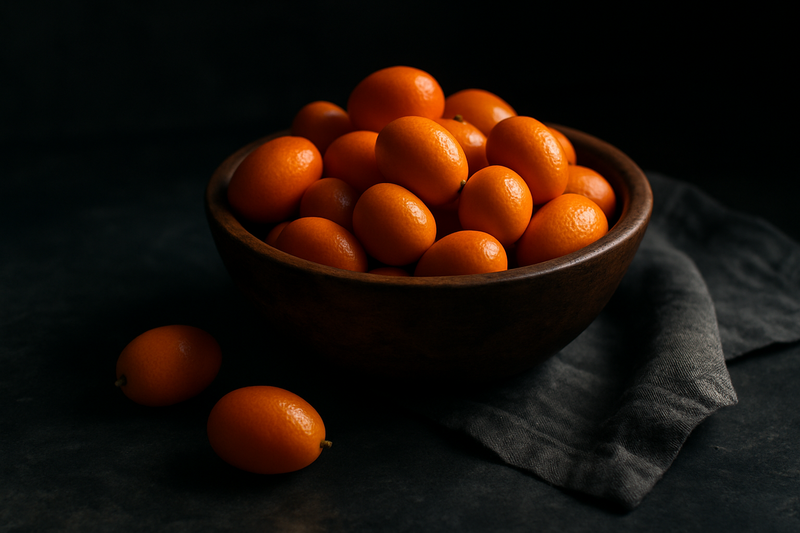
Kumquat · Photograph
Discover kumquat health benefits and how to eat them — skin and all. From vitamin C and gut-friendly fiber to heart support and immunity, here's what the evidence actually says about this tiny citrus fruit, plus safe serving guidance and prep tips.
Key Nutrients
% Daily Value based on 2,000 cal diet
Key active compounds
- Vitamin C (ascorbic acid): A water-soluble antioxidant that supports immune cell function, collagen synthesis, and iron absorption from plant foods. Kumquats supply approximately 44 mg per 100 g — about 73% of the daily value.
- Dietary fiber (soluble and insoluble): At 6.5 g per 100 g, kumquat fiber feeds beneficial gut bacteria (prebiotic effect), slows glucose absorption, and supports bowel regularity. Much of it sits in the peel.
- Beta-cryptoxanthin: An oxygenated carotenoid (a pigment compound that can convert to vitamin A) present in citrus fruits. Observational studies link higher intakes to lower risk of certain inflammatory conditions.
- Lutein + zeaxanthin: Carotenoids that accumulate in the retina and may help protect against age-related macular degeneration (a condition affecting central vision).
- Alpha-carotene: A pro-vitamin A carotenoid functioning as an antioxidant; associated in observational data with lower risk of some chronic diseases.
- Citrus flavonoids (peel polyphenols): A broad group of plant compounds concentrated in the kumquat skin. Experimental and mechanistic studies suggest they may help modulate cholesterol metabolism, blood vessel function, and inflammatory pathways.
- Potassium: An electrolyte supporting blood pressure regulation and fluid balance.
- Calcium and magnesium: Minerals involved in bone health, nerve function, and hundreds of metabolic reactions.
Prep and pairing ideas
Eat them whole, right off the stem. Pop a kumquat in your mouth, bite through the sweet peel first, and let the tart burst of juice follow. No peeling, no prep. This is the simplest and most nutritious approach.
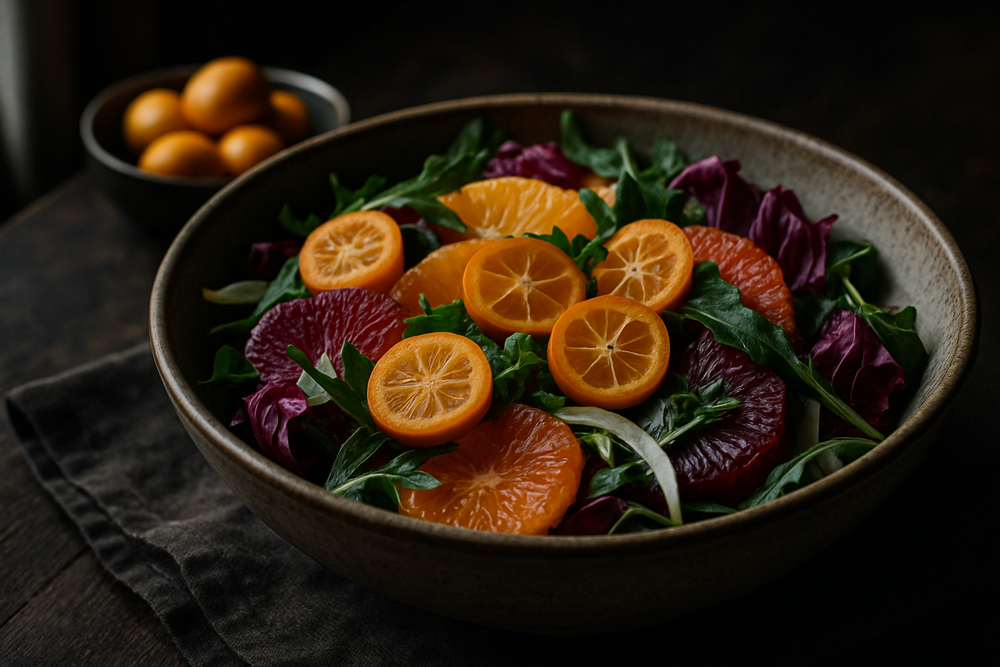
Slice into a winter citrus salad. Thinly sliced kumquats pair beautifully with fennel, arugula, radicchio, and a simple olive oil and lemon dressing. The sweet-tart peel contrasts well with bitter greens.
Add to grain bowls or rice dishes. Halved kumquats alongside roasted root vegetables, farro, and a tahini drizzle add brightness and a hit of vitamin C that also helps your body absorb the iron from plant foods in the bowl.
Simmer into a quick sauce for legumes or tofu. A few kumquats, a little ginger, a splash of tamari, and a touch of maple syrup make a fast glaze. The peel's bitterness balances sweetness better than orange would.
Make a low-sugar refrigerator marmalade. Briefly cook sliced kumquats with a small amount of sweetener (or none at all) and a little water to make a spreadable condiment that keeps the peel — and much of its fiber and flavonoids — intact without the heavy sugar load of commercial marmalade.
Bottom line
Kumquats are a nutritionally dense, low-calorie citrus fruit that earns a place in a whole-food, plant-based eating pattern. Eating them whole — sweet peel and tart pulp together — is the key move, because the peel is where most of the fiber, carotenoids, and citrus flavonoids concentrate. The vitamin C per serving is meaningfully high, the fiber content rivals many more familiar fruits, and the eating experience is genuinely enjoyable once you get past the instinct to peel them.
The health-benefit evidence is largely extrapolated from research on citrus fruits broadly and on high-fiber, vitamin-C-rich diets — kumquat-specific human trials are still scarce. That's a limitation worth knowing, but it doesn't diminish the value of the fruit's well-established nutrient profile.
Keep fresh whole kumquats as your default form, treat candied kumquats and marmalade as occasional extras, and be mindful of acidity if you have reflux or enamel concerns. Used that way, kumquats are a bright, practical, and genuinely useful addition to most diets.
Explore how kumquats fit into a broader eating pattern built around your health goals at Plantopedia Goals.
How Kumquat Compares
| Compared with | What's different |
|---|---|
| Kumquat vs. Orange | Eaten whole with a sweet edible peel, whereas oranges have a bitter, inedible rind. |
| Kumquat vs. Calamansi | Much smaller and oval-shaped with a sweet skin and tart flesh; calamansi is round and very sour. |
| Kumquat vs. Loquat | Kumquats are sweet-skinned and eaten whole; loquats have a fuzzy skin and a large central pit. |
Health Benefits
Things to Know
Acidity and acid reflux: Kumquats are acidic citrus fruits. If you have gastroesophageal reflux disease (GERD) or a sensitive esophagus, kumquats may trigger or worsen heartburn. Start with a small amount and observe your response.
Tooth enamel: Frequent consumption of acidic foods can erode tooth enamel over time. Practical steps: eat kumquats as part of a meal rather than sipping acidic fruit throughout the day; rinse your mouth with water afterward; wait 30–60 minutes before brushing.
Citrus allergy or oral allergy syndrome: People with citrus allergies may experience itching or tingling in the mouth (oral allergy syndrome) or, less commonly, more systemic reactions. Introduce cautiously if you have known citrus sensitivity.
Kidney disease: Kumquats contribute dietary potassium. If you have chronic kidney disease and have been advised to limit potassium, factor kumquat portions into your overall intake and follow your healthcare provider's guidance.
Diabetes and blood sugar: Fresh whole kumquats are a reasonable choice within a balanced carbohydrate plan. Avoid candied or high-sugar preserved forms if managing blood glucose.
Medication interactions: Well-documented kumquat-specific drug interactions are not established in the literature. The well-known citrus–drug interaction (grapefruit affecting CYP3A4 enzyme metabolism of certain statins and calcium channel blockers) is specific to grapefruit and cannot be directly applied to kumquats. If you take medications with a known citrus interaction caveat, check with your prescriber or pharmacist about kumquat specifically.
Acid-sensitive medications: If you take medications that can irritate the esophagus (certain bisphosphonates or NSAIDs), avoid consuming highly acidic foods like kumquats immediately before or after dosing.
Children: Whole kumquats eaten fresh are fine for children who can manage small round fruits safely. Limit sweetened and candied preparations to avoid excess sugar exposure and dental risk.
Shop This Ingredient
Stock your pantry with quality kumquat.
Buy on AmazonAs an Amazon Associate, Plantopedia earns from qualifying purchases. This costs you nothing extra and helps us keep the encyclopedia free.
Frequently Asked Questions
One important caveat runs through all the sections below: there are very few human clinical trials that test kumquats specifically. Most of the benefit evidence is either (a) extrapolated from research on citrus fruits broadly, (b) drawn from observational studies on high-fiber or high-vitamin-C diets, or (c) based on the known functions of the compounds kumquats contain. Where evidence is extrapolated or emerging, that's noted clearly. Heart and circulation Kumquats are cholesterol-free, low in sodium, and supply fiber, vitamin C, potassium, and citrus flavonoids — a combination that maps well onto what population studies consistently associate with better heart health. High dietary fiber intake from fruits is linked in human studies to lower LDL cholesterol (often called "bad" cholesterol — the type associated with plaque buildup in arteries) and improved vascular health. Vitamin C and citrus flavonoids are associated in observational research with reduced oxidative stress and inflammation in the vascular endothelium (the inner lining of blood vessels). No clinical trials have tested kumquats alone for cardiovascular outcomes, so benefits are inferred from the fruit's composition and the broader citrus evidence base. The evidence is moderate strength when framed this way. Digestive health and gut microbiome This is the area with the strongest evidence base, even if it's drawn from general fiber research rather than kumquat-specific trials. At 6.5 g of fiber per 100 g serving, kumquats are genuinely high-fiber for a fruit. Consistent human evidence shows that higher fruit fiber intake supports bowel regularity, improves stool bulk, reduces constipation risk, and feeds a more diverse gut microbiome (the community of microorganisms living in the large intestine). The key practical note: eat the peel. Most of the fiber is concentrated there. If you're new to high-fiber foods or eat a low-fiber diet currently, increase portions gradually — jumping from very low to very high fiber intake quickly can cause temporary bloating and gas in some people. Drink water alongside fiber-rich foods to help things move smoothly. Blood sugar and metabolism Kumquats haven't been tested in human trials for glycemic control specifically. What we do know is that their combination of natural sugars (about 9.4 g per 100 g) alongside substantial fiber means glucose absorption from kumquats is likely slower than from low-fiber sweets or juices. Observational and interventional studies on high-fiber fruit intake show improved post-meal blood sugar levels and lower diabetes risk when fruit replaces refined carbohydrates in the diet. Fresh whole kumquats are the appropriate choice here. Candied kumquats and marmalade add significant free sugars and change the metabolic picture considerably. People managing diabetes should factor kumquats into their overall carbohydrate plan. Inflammation and recovery Human studies specifically measuring kumquat intake against inflammatory markers don't exist yet. What we can say is that kumquats contain vitamin C, multiple carotenoids, and citrus peel flavonoids — a combination that, in the broader diet literature, is consistently associated with lower systemic inflammation (measured by markers like C-reactive protein) and reduced risk of chronic disease. Experimental models of citrus peel polyphenols suggest anti-inflammatory and cholesterol-modulating properties, but those need to be confirmed in human trials before stronger claims can be made.
The whole, fresh fruit is consistently the best choice for everyday eating. Here's how the forms stack up: Fresh whole kumquats (sweet peel + tart pulp): Maximum fiber, vitamin C, carotenoids, and citrus flavonoids. Low calorie density. The ideal everyday form for a whole-food eating pattern. Fresh sliced or halved: Nutritionally equivalent to eating whole. Useful for salads, salsas, and grain bowls. Cutting exposes more surface area, so eat shortly after slicing to minimize vitamin C oxidation. Kumquat marmalade: Uses the peel and pulp but involves cooking with significant added sugar. Some fiber and peel polyphenols remain, but the sugar load is high and heat degrades some vitamin C. Think of this as an occasional condiment, not a health food. Candied kumquats: Cooked in sugar syrups; substantially higher in free sugars and calories. Vitamin C is reduced by heat and sugar processing. Best enjoyed as a treat rather than a nutritional source. Juice: Removes most of the fiber and often the peel content, stripping away satiety benefits and many phytochemicals. Small portions are fine; whole fruit is preferable. Dried or preserved kumquats: Concentrates sugars and calories while retaining some fiber and phytochemicals. Treat as a condiment portion rather than a snack staple, especially if managing blood sugar or weight.
The fiber-focused eater Struggles to reach the recommended 25–38 g of daily fiber from usual food choices Wants whole-fruit sources that also satisfy a sweet craving Benefits from the satiety boost of high-fiber, low-calorie snacks between meals The immunity-minded eater in winter citrus season Wants to maximize vitamin C from whole-food sources during cold and flu season Looks for portable, no-prep snacks that deliver antioxidants without added sugar Appreciates variety beyond oranges and mandarins in winter fruit rotation
There's no established therapeutic dose for kumquats because kumquat-specific clinical trials are limited. The practical framing is: fit kumquats into your overall daily fruit target. Most dietary guidelines recommend 1.5 to 2 cups of fruit per day for adults. A typical serving is 2 to 5 whole kumquats (approximately 40–100 g), which counts as roughly ½ cup of fruit toward your daily target. At 5 fruits (100 g), you get about 6.5 g of fiber and 44 mg of vitamin C in roughly 71 calories — a strong return. Start low if you're new to high-fiber foods. Begin with 2–3 kumquats and build up. Jumping straight to a large portion when your diet is currently low in fiber can cause temporary bloating or gas as your gut microbiome adjusts. This is normal and usually settles within a week or two of consistent intake. Watch total portions of acidic citrus if you have reflux or enamel sensitivity — moderation and meal-pairing are the practical safeguards here, not elimination.
Quick Answers
Common questions, answered in a line.
You should eat the peel of a kumquat because it contains the majority of the fruit's dietary fiber and beneficial citrus flavonoids. Unlike most citrus fruits, the kumquat peel is sweet and thin, designed to be eaten whole with the tart pulp to balance the flavor.
Kumquats are an excellent source of vitamin C, providing approximately 44 mg per 100 g, which is about 73% of the daily value. This water-soluble antioxidant is essential for supporting immune cell function, collagen synthesis, and improving iron absorption from plant-based foods.
Kumquats support digestive health through their high fiber content, providing 6.5 g of soluble and insoluble fiber per 100 g. Much of this fiber is concentrated in the peel and acts as a prebiotic to feed beneficial gut bacteria while supporting regular bowel movements.
Kumquats may support eye health because they contain the carotenoids lutein and zeaxanthin. These specific plant compounds accumulate in the retina and may help protect against age-related macular degeneration, a condition that affects central vision.
Fresh kumquats are a healthy choice for blood sugar management because their high fiber content helps slow down glucose absorption. However, you should avoid candied kumquats or high-sugar marmalades, as these processed forms can cause unwanted blood sugar spikes.
If you have acid reflux or GERD, you should consume kumquats cautiously as they are acidic citrus fruits that may trigger heartburn. People with chronic kidney disease should also monitor their intake due to the fruit's potassium content.
Kumquats contain potassium, an electrolyte that helps regulate blood pressure and fluid balance. Additionally, they provide citrus flavonoids and fiber, which observational studies suggest may help modulate cholesterol metabolism and improve blood vessel function.
For Readers in the USA
Local context — sourcing, seasonality, and regional notes.
In the United States, kumquats are primarily grown in Florida and California, with smaller commercial groves in Texas and Louisiana. These subtropical climates provide the heat and humidity necessary for the fruit to thrive, though gardeners as far north as USDA Zone 8 can often grow them in containers.
Domestic kumquat season typically runs from November through April, making them a popular winter citrus staple in American markets. During the peak winter months, you are most likely to find the freshest Nagami and Meiwa varieties at local farmers markets and grocery stores.
You can find kumquats at major U.S. grocery chains like Whole Foods, Trader Joe's, and Sprouts, as well as at Asian specialty markets where they are frequently sold leading up to Lunar New Year. Look for firm, bright orange fruits in the specialty produce section near other citrus like Meyer lemons or blood oranges.
The Nagami kumquat, characterized by its oval shape and tart pulp, is the most common variety sold in U.S. supermarkets. The Meiwa variety, which is rounder and significantly sweeter, is also popular but often more common at specialty nurseries and West Coast farmers markets.
AI Clinical Review
- Accurately highlights that eating kumquats with the peel boosts fiber, carotenoids, and citrus flavonoids; the cited fiber (~6.5 g/100 g) and vitamin C (~44 mg/100 g) are consistent with standard food composition data.
- Sensibly prioritizes fresh whole fruit over marmalade, candied, dried, or juiced forms because of added sugars, heat-related vitamin C loss, and reduced fiber.
- Provides practical, evidence-aligned guidance on acidity (reflux and enamel care) and on ramping fiber intake gradually to minimize GI discomfort.
- Places kumquats within everyday portions (about 2–5 fruits ≈ ½ cup) and broader fruit goals (about 1½–2 cups/day), which is a realistic, food-first framing.
- There are very few human trials on kumquats specifically; most health inferences come from broader citrus, vitamin C, and dietary fiber research.
- Heart and metabolic benefits attributed to citrus flavonoids and carotenoids are supported mainly by observational studies or mechanistic/lab data rather than kumquat-specific clinical outcomes.
- Effects on post‑meal glucose, inflammatory markers, or microbiome composition have not been tested in controlled trials using kumquats, so optimal amounts and timelines are uncertain.
- Drug–food interaction data for kumquats are limited; while grapefruit interactions don’t automatically apply, absence of evidence is not proof of safety for every medication.
- Portion and tolerance: starting with 2–3 fruits and building to about 2–5 fruits/day is reasonable; increase gradually if your diet is currently low in fiber and drink water with high‑fiber meals.
- Form matters: choose fresh whole kumquats for everyday use; treat marmalade, candied, and dried forms as occasional due to concentrated free sugars—especially if you manage blood glucose.
- Who should be cautious: people with GERD or enamel sensitivity (pair with meals, rinse with water), those with citrus allergy/oral allergy syndrome, and individuals advised to limit potassium (some chronic kidney disease patients).
- Medications: if you take drugs with known citrus or acid-related cautions (for example, certain statins, calcium channel blockers, bisphosphonates, or NSAIDs), confirm compatibility and timing with your clinician or pharmacist.
Acidic; may aggravate reflux and can erode tooth enamel in excess.
References
- USDA FoodData Central — Kumquats, raw (fdc.nal.usda.gov) — primary nutrition data source for all figures used in the nutrition snapshot
- MyPlate Fruit Group — USDA dietary guidance (myplate.gov) — daily fruit serving recommendations and healthy eating context
- Healthline — What Are Kumquats Good for and How Do You Eat Them? (healthline.com) — overview of kumquat nutrition, benefits, and preparation
- WebMD — Kumquats: Health Benefits, Nutrition, and Preparation (webmd.com) — consumer-facing summary of nutritional properties and cautions
- University of Minnesota Extension — Kumquat (Real Life Good Food) (reallifegoodfood.umn.edu) — practical nutrition and culinary information
- University of Rochester Health Encyclopedia — Kumquat Nutrition Facts (urmc.rochester.edu) — micronutrient breakdown including carotenoid data
- Hawai'i CTAHR Nutrition Center — Kumquat (nutritioncenter.ctahr.hawaii.edu) — regional agricultural and nutritional reference
- Nutrition-and-you.com — Kumquat Fruit Nutrition Facts and Health Benefits (nutrition-and-you.com) — detailed phytochemical and micronutrient breakdown
- FoodStruct — Kumquats, raw: Calories and Nutrition (foodstruct.com) — comparative nutritional data aligned with USDA values
- Wikipedia — Kumquat (en.wikipedia.org) — botanical classification, history, and variety overview
Know Your Numbers
Eating healthy is a start. Now get to know your biomarkers.
Food changes bloodwork — inflammation, lipids, blood sugar and nutrient status all respond to what you eat. 59 markers from $59.
- Results in 7–10 days at 2,000+ Quest sites
- Licensed provider reviews every result
- One flat price, no membership, HSA/FSA eligible
Educational information only, not medical advice. Panels are ordered and reviewed through our licensed partner; Plantopedia may earn a commission.