Cactus Pear — health benefits and uses
A Mexican staple (nopal fruit) traditionally used for blood sugar and hydration.
The Short Answer
Cactus pear is a nutrient-dense fruit providing 3.7g of fiber and 14.4mg of vitamin C per cup. It is particularly valued for its high magnesium content and betalain antioxidants which support metabolic and heart health.
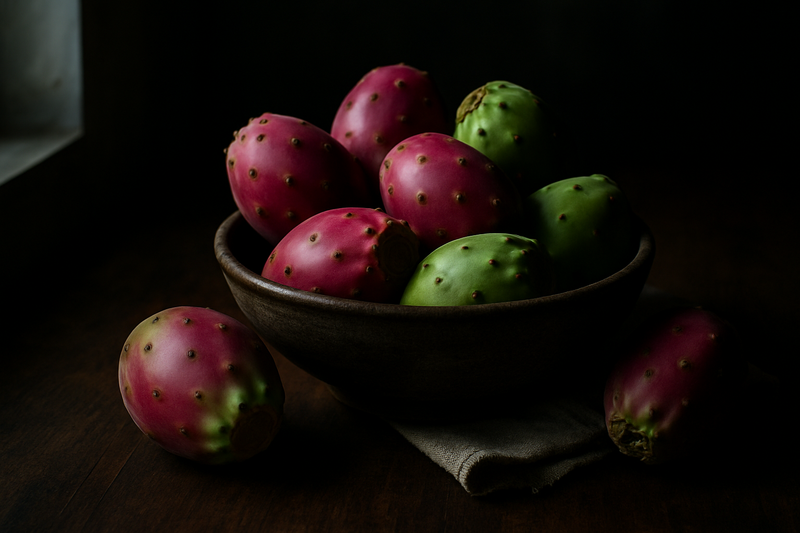
Cactus Pear · Photograph
Discover the prickly pear fruit health benefits backed by research, including its rich fiber, vitamin C, magnesium, and betalain antioxidants. Learn cactus pear nutrition facts, how to peel and eat it safely, what the evidence says about blood sugar and heart health, and who should take extra care.
Key Nutrients
% Daily Value based on 2,000 cal diet
Key active compounds
- Betalains — Water-soluble, nitrogen-containing pigments that color the fruit red, purple, or yellow depending on variety. Divided into betacyanins (red-purple) and betaxanthins (yellow-orange). Act as potent antioxidants and may support vascular and liver health.
- Polyphenols — A broad family of plant compounds including flavonols, flavones, and phenolic acids found in both the peel and pulp. Linked to anti-inflammatory and metabolic effects in preclinical and some human studies.
- Soluble and insoluble dietary fiber — Helps slow carbohydrate absorption, feeds beneficial gut bacteria, and supports bowel regularity.
- Carotenoids — Fat-soluble pigments including beta-carotene that provide antioxidant activity and support eye and skin health, especially in orange-red varieties.
- Vitamin C (ascorbic acid) — A water-soluble antioxidant important for immune function and collagen production.
- Magnesium — Unusually high for a fruit; acts as a cofactor in hundreds of enzymes involved in energy metabolism, muscle function, and blood-sugar regulation.
Prep and pairing ideas
How to peel a prickly pear safely:
- Use tongs — never pick up a raw prickly pear with bare hands.
- Hold the fruit with the tongs and use a sharp knife to slice off both ends (about 1 cm from each tip).
- Make one lengthwise cut through the skin, deep enough to just break through.
- Peel back the skin from the cut; it comes off in one or two pieces.
- The inner pulp is spine-free and ready to eat or slice.
Flavor and pairing ideas:
| Pairing | Why it works |
|---|---|
| Fresh lime juice + a pinch of salt | The acidity brightens the melon-like sweetness; salt enhances the betalain color and mineral flavor. Classic in Mexican street food. |
| Plain Greek yogurt + cactus pear slices | Protein and fat from yogurt slow any glucose impact; the pairing creates a natural probiotic + prebiotic fiber combination for gut health. |
| Cucumber + mint + sparkling water (agua fresca) | Combines two high-water-content ingredients for maximum hydration; light enough for post-workout recovery in hot weather. |
Common pairings
| Pairing | Why it works |
|---|---|
| Prickly pear + avocado + jalapeño salsa | Healthy fats in avocado help absorb fat-soluble carotenoids from cactus pear; jalapeño adds capsaicin which some evidence links to metabolic support. |
| Prickly pear + chia seeds + oats | Combining cactus pear fiber with beta-glucan from oats and omega-3-rich chia creates a triple-fiber morning bowl that can help flatten the post-breakfast glucose curve. |
| Prickly pear + hibiscus tea (agua de jamaica) | Both are rich in water-soluble red-purple pigments (betalains and anthocyanins respectively); some small trials suggest hibiscus may support blood pressure, making this a complementary antioxidant pairing. |
Bottom line
Prickly pear is a genuinely nutrient-dense whole fruit — low in calories, high in fiber, unusually rich in magnesium, and packed with betalain antioxidants that you can barely find anywhere else in the produce aisle. The research on its heart and metabolic benefits is encouraging but mostly comes from cactus pads and concentrated extracts rather than the fresh fruit. Eating one to three fruits daily as part of a varied, plant-forward diet is a safe, practical way to enjoy those nutrients without overcomplicating your routine. Just master the spine-removal technique first.
If you're exploring how food can support specific health goals, browse our ingredient guides by health area:
👉 **Explore ingredients by health goal at **/goals
How Cactus Pear Compares
| Compared with | What's different |
|---|---|
| Cactus Pear vs. Dragon Fruit | Cactus pear contains betalain antioxidants; dragon fruit contains anthocyanins or betacyanins. |
| Cactus Pear vs. Watermelon | Cactus pear is higher in magnesium and fiber but lower in sugar than watermelon. |
Health Benefits
Things to Know
Spine safety first.: The outer skin is covered in clusters of tiny, barbed hairlike spines called glochids. They are nearly invisible, lodge easily in skin and mucous membranes, and are painful and difficult to remove. Always handle fresh prickly pear with tongs or thick gloves and peel it carefully (see Prep section below).
Seeds are hard.: The seeds inside the pulp are very firm. Most people swallow them whole or strain them out of juice. Chewing them is not recommended. People with diverticular disease (small pockets in the colon wall) or a history of intestinal strictures (narrowing) should strain seeds out or choose seedless products.
Medication interactions:
Antidiabetic drugs (insulin, metformin, sulfonylureas): Opuntia preparations may modestly lower blood glucose. Combined with these medications, there is a potential risk of hypoglycemia (blood sugar dropping too low). Monitor closely and consult your prescriber.
Cholesterol-lowering drugs (statins, fibrates): Opuntia's fiber and plant sterols may add to the cholesterol-lowering effect of these medications — usually not harmful, but worth discussing with your doctor if you're using concentrated extracts.
Narrow-therapeutic-index drugs (e.g., certain thyroid hormones, some oral contraceptives): Large amounts of fiber or mucilaginous plant products can theoretically slow drug absorption. Space intake from medications by at least two hours if you regularly eat large servings.
Pregnancy and breastfeeding: Eating one or two fresh fruits as food is unlikely to cause harm, but high-dose supplements and medicinal preparations of cactus have not been studied in pregnant or breastfeeding people. Stick to food-level amounts and check with your clinician.
Allergies: Rare allergic reactions — including oral tingling, skin hives, or more serious responses — have been reported in people sensitive to cactus or related plants.
Children: Food amounts are generally considered safe. Supplements and concentrated extracts have not been studied in children.
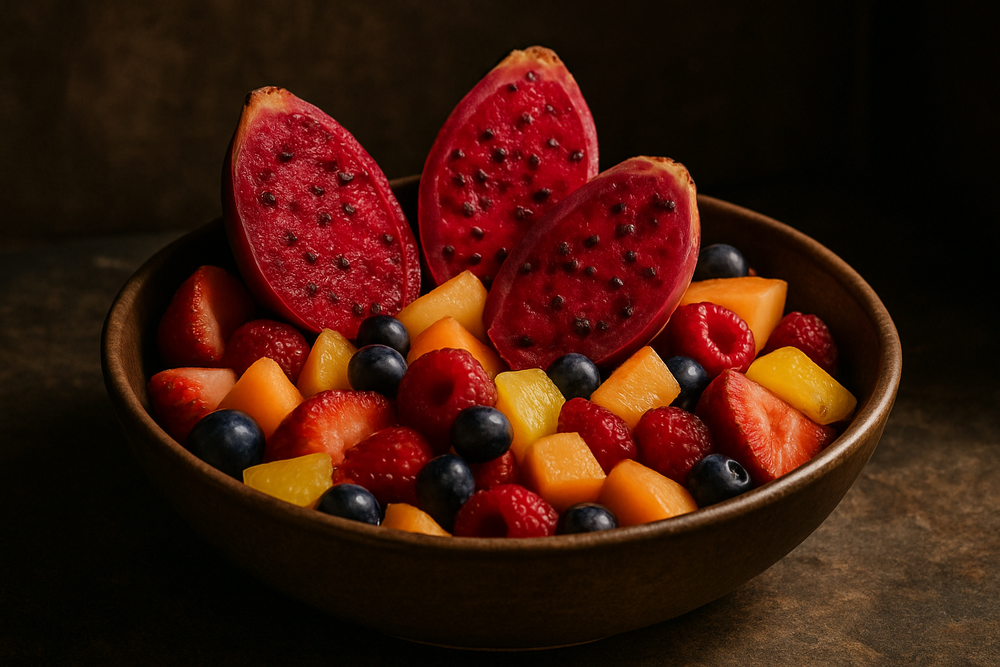
Prep Ideas
- — Use tongs — never pick up a raw prickly pear with bare hands.
- — Hold the fruit with the tongs and use a sharp knife to slice off both ends (about 1 cm from each tip).
- — Make one lengthwise cut through the skin, deep enough to just break through.
- — Peel back the skin from the cut; it comes off in one or two pieces.
- — The inner pulp is spine-free and ready to eat or slice.
Glossary
Shop This Ingredient
Stock your pantry with quality cactus pear.
Buy on AmazonAs an Amazon Associate, Plantopedia earns from qualifying purchases. This costs you nothing extra and helps us keep the encyclopedia free.
Frequently Asked Questions
Heart and circulation Several randomized trials using Opuntia-based supplements report favorable changes in blood lipids. One trial using a dehydrated leaf product called NeOpuntia (1.6 g, three times daily for six weeks) in women with metabolic syndrome found increases in HDL ("good") cholesterol, reductions in triglycerides and waist circumference, and nearly 40% of participants no longer meeting the diagnostic criteria for metabolic syndrome after the trial. A separate 12-week trial combining an Opuntia extract with bergamot flavonoids found significant short-term reductions in total cholesterol, LDL-C (low-density lipoprotein — often called "bad" cholesterol), triglycerides, and fasting glucose. A systematic review and meta-analysis of randomized trials confirmed modest but favorable effects on cardiovascular risk factors. The important caveat: most of this data comes from cactus pads or concentrated leaf extracts, not the whole fruit. Eating cactus pear fruit regularly can still support heart health indirectly through its fiber content, low energy density, and antioxidant intake — but it should not replace proven heart therapies. Digestive health and microbiome This is where the whole fruit clearly earns its place. One medium cactus pear delivers about 3.7 g of fiber — roughly 13% of the daily recommended intake — in only 42 calories. That fiber comes in both soluble and insoluble forms. Soluble fiber slows digestion and helps moderate post-meal blood sugar and cholesterol absorption. Insoluble fiber adds bulk to stool and keeps transit time regular. The fruit's high water content (roughly 85–88%) adds to its gentle laxative effect. Cooperative Extension nutritionists from the University of Arizona describe cactus pear as an excellent fiber source for desert-climate populations — and the data back that up. Blood sugar and metabolism A systematic review of prickly pear cacti products found that cactus pads and mixed Opuntia preparations frequently reduced serum glucose and sometimes insulin. However, the same review noted that prickly pear fruit products alone were most often reported to have no significant anti-hyperglycemic effect. A separate acute study using Opuntia extracts before an oral glucose tolerance test (a standard test that measures how well the body handles a sugar load) did not significantly change glucose or insulin levels in people with normal glucose tolerance, prediabetes, or diabetes. The takeaway: the fruit's soluble fiber can slow carbohydrate absorption modestly, which may smooth post-meal glucose curves, but cactus pear fruit is not a proven blood-sugar-lowering therapy on its own. People managing diabetes should not replace their medications with cactus pear and must monitor glucose closely if consuming large quantities. Inflammation and recovery Preclinical studies (i.e., lab and animal research) consistently show that betalains and polyphenols from cactus pear reduce oxidative stress (cellular damage caused by unstable molecules called free radicals) and inflammatory markers. A 2023 multi-target review concluded that preclinical work links cactus pear fruit supplementation with improvements in oxidative stress, inflammatory markers, fatty liver markers, and glucose homeostasis — but notes that well-controlled human trials focused on the fruit alone are still scarce. Including cactus pear as part of a varied, colorful diet is a reasonable strategy for supporting antioxidant intake, even if large-scale clinical proof in humans is still building.
Fresh whole fruit (peeled) is the gold-standard option for fiber, vitamin C, and antioxidant pigments. Look for fruits that are plump, deeply colored, and free of mold. Green-yellow, orange, and deep red-purple varieties are all nutritionally useful, with redder fruits generally higher in betacyanins. Juice or strained pulp is convenient and retains the betalain pigments well, but straining removes a significant portion of the fiber. If you juice at home, consider blending rather than pressing to keep more of the pulp. Jams, syrups, and candies use cactus pear pulp cooked with sugar. The betalain colors survive modest heat, but the added sugar makes these forms less suitable for people watching blood sugar or calorie intake. Treat them as condiments rather than health foods. Dehydrated fruit powder concentrates the pigments and micronutrients and can be stirred into smoothies or yogurt. Doses used in research are not standardized, and proprietary blends vary widely — read labels carefully and avoid products with large amounts of added sugars or fillers. Label tip: If buying a supplement, look for products that specify the fruit (not just the pad or cladode extract) and list a standardized betalain or total polyphenol content. Third-party certifications (USP, NSF, or Informed Sport) indicate the product has been independently tested for purity.
There is no established "official" recommended dose for cactus pear fruit as a therapeutic food. In practical terms: 1 to 3 fresh fruits per day (roughly 100–300 g total) is a reasonable food-level amount for most adults, consistent with how cactus pear is traditionally consumed in Mexican and Mediterranean cuisines. Start with one fruit if you are new to it or have a sensitive digestive system. High-fiber foods introduced suddenly can cause bloating or loose stools. Clinical supplement doses — used in trials showing metabolic effects — are mostly in the range of 200 mg to 4.8 g per day of standardized Opuntia extracts (usually from pads, not the fruit). These are not directly comparable to eating fresh fruit. For juice, a typical serving is about 100–150 mL (roughly half a cup). Stick to unsweetened versions and count it as part of your daily fruit intake rather than a free addition. If you are using cactus pear to support blood sugar or cholesterol alongside medications, work with a clinician to agree on an amount and monitor relevant labs.
Quick Answers
Common questions, answered in a line.
You should use tongs to hold the fruit and a sharp knife to slice off both ends before making a lengthwise cut through the skin. This method allows you to peel the skin back in one or two pieces, revealing the spine-free inner pulp which is then ready to eat.
Cactus pear is rich in fiber, vitamin C, magnesium, and betalain antioxidants, while remaining low in calories. It also contains polyphenols and carotenoids that support vascular, liver, eye, and skin health.
People with diverticular disease or intestinal strictures should strain out the seeds or choose seedless products because the seeds are very firm. Additionally, those on antidiabetic medications should monitor blood sugar closely, as the fruit may modestly lower glucose levels.
Cactus pear contains unusually high levels of magnesium, which acts as a cofactor for enzymes involved in energy metabolism and muscle function. It also provides dietary fiber and betalain pigments that support metabolic and heart health.
Fresh prickly pear pairs well with lime juice and salt to enhance its melon-like sweetness, or with Greek yogurt to create a probiotic and prebiotic fiber combination. You can also mix it with cucumber and mint for hydration or add it to hibiscus tea for an antioxidant boost.
The seeds inside cactus pear pulp are very hard and should generally be swallowed whole or strained out rather than chewed. Most people prefer to strain the seeds when making juice to avoid the firm texture.
For Readers in the USA
Local context — sourcing, seasonality, and regional notes.
In the United States, fresh cactus pear is most commonly found at Hispanic grocery stores, specialty markets like Whole Foods, and major chains like Kroger or Walmart in the Southwest. During the peak season, you can also find them at farmers markets in arid regions like Arizona, California, and Texas.
Domestic cactus pear is primarily grown in the arid regions of the Southwest, including Arizona, California, New Mexico, and Texas, with a peak season running from late summer through early winter. While California provides a steady supply, many fruits sold in the US are also imported from Mexico to ensure year-round availability.
Most cactus pears sold in US grocery stores have been 'despined' or 'brushed' to remove the large needles, but you should still use tongs because the tiny, invisible hair-like prickles called glochids often remain. Even if the fruit looks smooth, the FDA-regulated handling process doesn't always remove 100% of these irritating bristles.
Cactus pear is a staple of Mexican-American culinary tradition, frequently enjoyed as 'Agua de Tuna' (chilled cactus fruit water) or served fresh with Tajín seasoning and lime juice. It is also gaining popularity in the US craft cocktail scene as a vibrant, magenta-colored syrup for margaritas and lemonades.
AI Clinical Review
- Clearly distinguishes prickly pear fruit from nopal (pads) and explains that most metabolic trials use pads or concentrated extracts, not the fruit alone.
- Accurately highlights the fruit’s strengths as a low‑calorie, fiber‑rich option with vitamin C, electrolytes, and betalain pigments that act as antioxidants.
- Practical guidance on safe handling (glochids), peeling, and seed management is spot‑on and consumer friendly.
- Sensibly compares forms (whole fruit vs. juice vs. powders) and notes that straining/processing reduces fiber, one of the key benefits.
- Cardiometabolic findings attributed to Opuntia are largely from pads or branded extracts; high‑quality trials of the fruit alone are limited, so benefits for cholesterol and weight should be viewed as supportive, not therapeutic.
- Blood‑sugar effects of the fruit are modest and inconsistent in human studies; acute reductions are not reliably demonstrated.
- Anti‑inflammatory and liver/metabolic claims rely heavily on preclinical data; human outcome studies focused on fruit-specific preparations and standardized doses are still sparse.
- Betalain and polyphenol content varies by variety, ripeness, and processing, so “dose” of active compounds from everyday servings isn’t consistent.
- Reasonable food-level intake is 1–3 fruits per day; introduce gradually to avoid gas, bloating, or stool changes, and prioritize whole fruit for fiber.
- Seeds are very hard—swallow whole or strain; people with diverticular disease, prior strictures, or swallowing difficulties should favor seedless forms.
- If you use antidiabetic medications, monitor closely (especially with concentrated products) due to a potential additive glucose‑lowering effect; separate large fiber intakes from narrow‑therapeutic‑index drugs by ~2 hours.
- During pregnancy, breastfeeding, and in children, stick to culinary amounts; avoid high‑dose supplements due to limited safety data. Handle fruit with tongs or gloves to prevent glochid injuries.
Remove the tiny glochid spines carefully; the hard seeds are usually not chewed.
References
- USDA FoodData Central — raw prickly pear nutrition data (fdc.nal.usda.gov)
- Mayo Clinic — consumer overview of prickly pear cactus health evidence and safety (mayoclinic.org)
- Systematic review: effects of prickly pear cacti on blood glucose and insulin in humans (pmc.ncbi.nlm.nih.gov)
- Systematic review and meta-analysis: cactus pear and cardiovascular risk factors, body weight (sciencedirect.com)
- Review: Opuntia spp. in obesity and metabolic syndrome management (pmc.ncbi.nlm.nih.gov)
- Review: Opuntia ficus-indica fruit phytocomplex and pharmacological activities (mdpi.com)
- Review: nopal cactus as a source of bioactive compounds for nutrition (pmc.ncbi.nlm.nih.gov)
- Human trial: short-term cactus pear fruit consumption and metabolic effects (foodandnutritionresearch.net)
- University of Arizona Cooperative Extension — prickly pear as a desert food, preparation guide (extension.arizona.edu)
- WebMD / RxList — safety profile, side effects, and drug interactions (webmd.com)
Know Your Numbers
Eating healthy is a start. Now get to know your biomarkers.
Food changes bloodwork — inflammation, lipids, blood sugar and nutrient status all respond to what you eat. 59 markers from $59.
- Results in 7–10 days at 2,000+ Quest sites
- Licensed provider reviews every result
- One flat price, no membership, HSA/FSA eligible
Educational information only, not medical advice. Panels are ordered and reviewed through our licensed partner; Plantopedia may earn a commission.