Cherimoya — health benefits and uses
Andean tradition valued the fruit and leaves as a calming, digestion-soothing food.
The Short Answer
Cherimoya is a creamy tropical fruit often eaten raw by scooping the pulp with a spoon. It provides 3g of fiber and 18mg of Vitamin C per cup, but the seeds and skin must be discarded as they contain neurotoxic acetogenins.
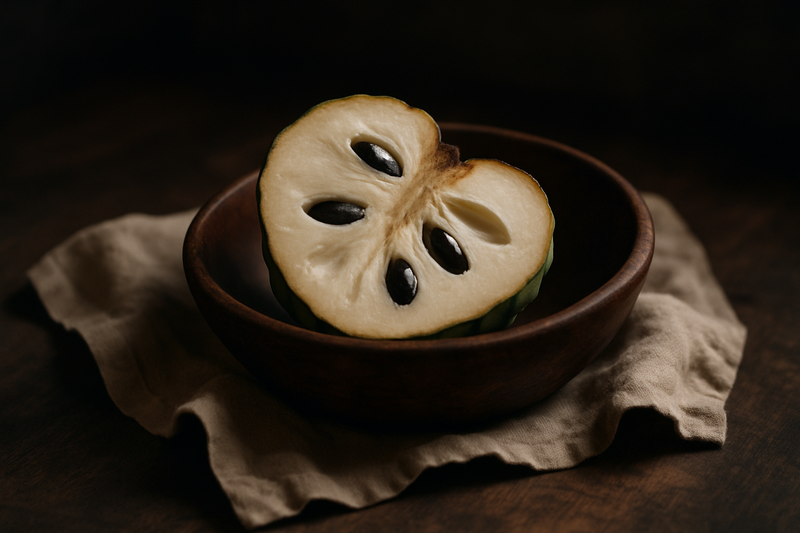
Cherimoya · Photograph
Discover cherimoya health benefits and side effects in one evidence-aligned guide. Learn cherimoya nutrition facts, how to eat it safely, why the seeds are toxic, and how much to enjoy per day.
Key Nutrients
% Daily Value based on 2,000 cal diet
Key active compounds in cherimoya
- Annonaceous acetogenins (including annonacin): Long-chain fatty acid derivatives unique to the Annonaceae family. Concentrated in seeds, peel, bark, and leaves. In the pulp, levels are much lower, but the compounds are still present in trace amounts. They can inhibit mitochondrial complex I — the first step in the cell's energy-production chain — and are toxic to dopamine-producing neurons at high exposures.
- Polyphenols and flavonoids (including rutin): Plant compounds with one or more phenolic rings that act as antioxidants, scavenging damaging molecules called free radicals. Found in both the pulp and leaves; the leaves have higher concentrations.
- Terpenes: A large family of isoprenoid plant compounds. Certain terpenes isolated from cherimoya leaves have shown anticancer activity in cell studies, promoting programmed cell death in melanoma and leukemia lines.
- Phenolic acids and carotenoid traces: Smaller antioxidant molecules that contribute to the overall free-radical-quenching capacity of the pulp, demonstrated in laboratory assays across several cultivars.
- Vitamin C (ascorbic acid): A water-soluble antioxidant vitamin that also supports collagen synthesis and immune function. Cherimoya provides a moderate 18 mg per 100 g, rising meaningfully across a whole fruit.
- Vitamin B6 (pyridoxine): A coenzyme essential for amino acid metabolism and the synthesis of neurotransmitters like serotonin and dopamine.
Prep and pairing ideas
Cherimoya needs no cooking and minimal effort. Here is what works well:
Choose the right ripeness. A ripe cherimoya yields to gentle palm pressure — similar to a ripe avocado. The skin may turn slightly brown-green and feel papery at the edges. Unripe fruit is starchy and bland; overripe fruit ferments and tastes alcoholic.
The spoon method: Slice in half lengthwise, then scoop the flesh directly from the skin using a large spoon. Remove any seeds you encounter as you go. Takes about 90 seconds.
Chill it first: Many people find cherimoya most enjoyable served cold from the fridge. The texture becomes firmer and the sweetness feels more refreshing.
Ripening at home: If you buy a firm cherimoya, leave it at room temperature for 2–4 days until it softens. Do not refrigerate until ripe. Once ripe, refrigerate and consume within 2–3 days.
Common pairings
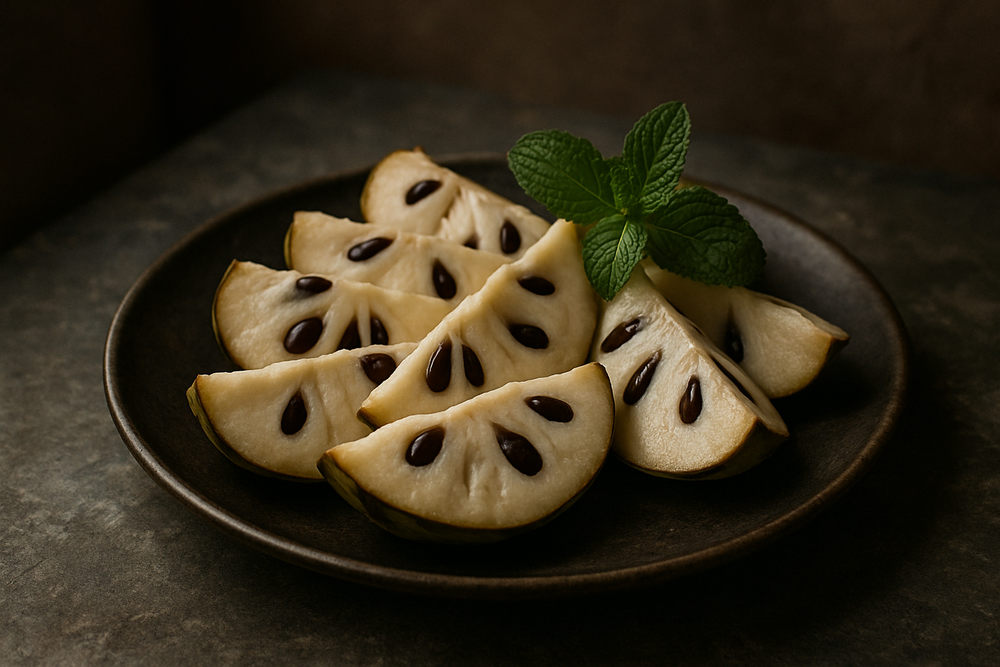
1. Cherimoya + lime juice + fresh mint The mild acidity of lime brightens the cherimoya's sweetness and prevents browning of the cut flesh. Mint adds a cooling contrast that makes the flavor more complex. Works as a simple fruit salad or blended into a smoothie.
2. Cherimoya + banana + plant-based milk (smoothie) Banana adds body and natural sweetness while the plant-based milk (oat or almond work well) makes it pourable. This pairing creates a nutrient-dense smoothie with fiber from both fruits and a creamy texture without dairy.
3. Cherimoya + dark leafy greens (spinach or rocket) + citrus dressing (salad) The fruit's sweetness offsets bitter greens, and vitamin C from both the cherimoya and citrus dressing enhances iron absorption from the leafy greens — a smart nutritional pairing for plant-based eaters.
Bottom line
Cherimoya is a genuinely nutritious tropical fruit — fiber-rich, moderate in vitamin C and B6, and packed with polyphenol antioxidants that support general health as part of a whole-food, plant-based diet. The potential benefits for heart health, digestion, and antioxidant defense are biologically plausible and consistent with the broader evidence on fruit-rich diets, even if cherimoya-specific human trials are still sparse.
The safety picture is straightforward once you know the rules: the creamy white pulp is the edible part, and everything else — seeds, skin, bark, leaves — is off-limits. The seeds and non-edible plant parts contain annonacin, a natural neurotoxin with a credible link to atypical parkinsonism at high cumulative exposures. Avoiding those parts entirely is non-negotiable.
Enjoy cherimoya the way it was designed to be eaten: ripe, raw, scooped with a spoon, seeds in the bin. In that form, it earns its place at the table.
How Cherimoya Compares
| Compared with | What's different |
|---|---|
| Cherimoya vs. Soursop | Firmer, more fibrous flesh with larger spikes and a slightly sour undertone. |
| Cherimoya vs. Sugar Apple | Smaller fruit with bumpy skin and a grainier texture, though similarly sweet. |
Health Benefits
Things to Know
Seeds are toxic. Always discard them.: The large, dark brown seeds are densely concentrated with annonacin and related acetogenins — neurotoxins that inhibit the mitochondrial energy chain in neurons. Accidentally swallowing a small amount of seed flesh is unlikely to cause acute harm, but seeds should never be intentionally consumed.
Skin, bark, and leaves are also off-limits.: All contain elevated annonacin levels. Do not brew teas from cherimoya or other Annonaceae leaves. Do not eat the peel.
Chronic overconsumption of Annonaceae family products has been linked to atypical parkinsonism.: Epidemiological studies in Guadeloupe identified regular consumption of soursop fruit, soursop leaf teas, and other Annonaceae products as a significant risk factor for a form of Parkinson's-like disease that does not respond to standard levodopa therapy. The primary suspect is long-term annonacin accumulation in the brain. Cherimoya pulp has lower concentrations than soursop, but moderation across the entire fruit family is a reasonable precaution.
People with neurodegenerative conditions, or a strong family history of them, should be especially cautious: and discuss consumption with a neurologist.
Pregnant and breastfeeding women: should avoid non-pulp parts entirely, and there is insufficient safety data to recommend regular large amounts of any Annonaceae fruit during pregnancy or lactation.
Young children: should not be given seeds, peel, or Annona-based teas. Pulp in small amounts is generally considered safe under supervision.
Diabetes: The moderate carbohydrate load is manageable in typical serving sizes but portion control matters. Monitor your own post-meal glucose response.
Chronic kidney disease or potassium-restricted diets: Cherimoya contributes dietary potassium. One serving is unlikely to be problematic, but discuss with your care team if you are on a potassium limit.
Medications to flag with your provider: Dopaminergic medications (levodopa, dopamine agonists), potassium-sparing diuretics, ACE inhibitors or ARBs (due to combined potassium load), antidiabetic drugs (if using concentrated leaf extracts, not relevant for typical fruit intake), and other neuroactive supplements.
Best Forms
Blending pulp is fine and retains most nutrients, but portion sizes tend to creep up, increasing sugar load. Useful if the texture feels too rich on its own.
Commercial Annonaceae nectars lose fiber, concentrate sugars, and — importantly — some commercial products have been found to contain measurable annonacin when processing includes seeds or peel. If you choose juice, look for pure pulp products and treat them as occasional, not daily.
Concentrates sugars and calories. Little data exists on acetogenin levels in these forms, especially if non-pulp parts are included in processing. Approach with caution and choose reputable sources.
Used in animal studies at doses around 300 mg/kg body weight. Not a food form. Not appropriate for self-medication. The leaves concentrate acetogenins more than the pulp does.
A practical option in regions where fresh cherimoya is seasonal. Most nutrients are well preserved. Check that only pulp (no seeds or peel) is included.
Shop This Ingredient
Stock your pantry with quality cherimoya.
Buy on AmazonAs an Amazon Associate, Plantopedia earns from qualifying purchases. This costs you nothing extra and helps us keep the encyclopedia free.
Frequently Asked Questions
Most cherimoya-specific human evidence is limited. What exists supports modest, nutrient-driven benefits that align with what you would expect from any fiber-rich, antioxidant-containing fruit. Claims about dramatic disease reversal are not supported. Here is what the science currently shows, area by area. Heart and circulation Cherimoya contributes potassium (which can help offset sodium's blood-pressure-raising effect), fiber (linked in large dietary studies to reduced cardiovascular risk), vitamin C, and polyphenol antioxidants — a combination consistently associated with better cardiovascular outcomes across fruit-and-vegetable research. In vitro (lab dish) studies have confirmed that cherimoya pulp extracts can scavenge free radicals and reduce oxidative markers that damage blood vessels. No clinical trials have tested whole cherimoya specifically for heart outcomes, so benefits for cherimoya and heart health are inferred from its nutrient profile and the broader dietary evidence base rather than proven directly. Digestive health and microbiome Cherimoya fiber and digestion is a natural pairing: the fruit's 3 g of fiber per 100 g (and roughly 7 g per whole fruit) is primarily soluble fiber, which slows digestion, softens stool, and provides fermentable material for beneficial gut bacteria. No trials have isolated cherimoya's effect on the microbiome specifically, but its fiber content places it in the same beneficial category as other fibrous whole fruits. People with irritable bowel syndrome or sensitive digestion may want to introduce it gradually, as the combination of fermentable fibers and natural sugars can cause bloating if eaten in large amounts. Blood sugar and metabolism This is where context matters most. Cherimoya is sweet — around 17–18 g of carbohydrate per 100 g, most of it as natural sugars. Its glycemic index is estimated in the moderate range (around 35–55 depending on the source), and the fiber content helps slow glucose absorption compared to juice. No human clinical trials have tested cherimoya for blood glucose control. Animal studies using concentrated Annona cherimola leaf extract (not the pulp) showed blood glucose reduction in diabetic rats, likely through inhibition of an enzyme called alpha-glucosidase that breaks down starches in the gut. These findings are interesting but cannot be extrapolated to eating the fruit. For people monitoring blood sugar, a 100–150 g portion of pulp — not juice — fits within a balanced eating pattern for many, but individual glucose responses vary and should be checked. Inflammation and recovery Cell and animal studies show that cherimoya pulp extracts and leaf preparations reduce markers of oxidative stress and experimentally induced inflammation in rodents. One animal study found a gel made from leaf extract meaningfully reduced local inflammation. These are mechanistic clues, not human evidence. There are currently no human trials testing cherimoya or its extracts as anti-inflammatory agents. The fruit's vitamin C content does support the body's antioxidant defense systems, and diets high in varied fruits are consistently linked to lower inflammatory markers in population research. Hormones and stress response One company-sponsored clinical study tested a topical cream containing a standardized Annona cherimola fruit extract (branded AnnonaSense CLR) in 117 volunteers with sensitive or stress-prone skin. Participants reported improved skin comfort, better sleep quality, reduced perceived psychological stress, and lower cortisol compared to a placebo cream. This is genuinely interesting early-stage data, but it applies to a specialized cosmetic extract applied to the skin — not to eating the fruit. No dietary studies have looked at cherimoya's effect on cortisol, sex hormones, or other endocrine parameters.
Fresh raw pulp is the gold standard. Scoop it straight from a ripe, yielding fruit. This preserves the full fiber content, water-soluble vitamins (including heat-sensitive vitamin C), potassium, and native antioxidants. Everything else involves trade-offs: Smoothies and purees: Blending pulp is fine and retains most nutrients, but portion sizes tend to creep up, increasing sugar load. Useful if the texture feels too rich on its own. Juice or nectar: Commercial Annonaceae nectars lose fiber, concentrate sugars, and — importantly — some commercial products have been found to contain measurable annonacin when processing includes seeds or peel. If you choose juice, look for pure pulp products and treat them as occasional, not daily. Dried or powdered cherimoya: Concentrates sugars and calories. Little data exists on acetogenin levels in these forms, especially if non-pulp parts are included in processing. Approach with caution and choose reputable sources. Leaf extracts or supplements: Used in animal studies at doses around 300 mg/kg body weight. Not a food form. Not appropriate for self-medication. The leaves concentrate acetogenins more than the pulp does. Frozen pulp: A practical option in regions where fresh cherimoya is seasonal. Most nutrients are well preserved. Check that only pulp (no seeds or peel) is included.
No clinical dosage has been established for cherimoya. There is no official "recommended amount." What the evidence supports is a sensible culinary approach: Typical enjoyment range: 100–200 g of pulp per eating occasion (roughly half to one medium fruit), eaten a few times per week as part of a varied fruit intake. This is consistent with standard dietary guidance to eat 2–3 serves of varied fruit daily. Why not every single day in large amounts? Because cherimoya belongs to a plant family where chronic, high-level consumption of related species has been linked to neurological risk. The pulp itself has much lower acetogenin levels than seeds or leaves, and occasional moderate portions are considered safe by most nutritional health sources. But eating large quantities of cherimoya daily, year after year, is not a practice with established safety data — especially for people who also regularly consume other Annonaceae fruits like soursop or pawpaw. Start low if you are new to it: A quarter to half fruit is a reasonable first serving to see how your digestion responds to the fiber and sugar combination. If you have diabetes: Track your glucose response after a 100 g serving. The fiber slows absorption, but individual responses vary. Looking to match ingredients to your specific health goals? Browse the Plantopedia Goals guide to find fruit and food combinations mapped to what you are working toward.
Quick Answers
Common questions, answered in a line.
You should never eat cherimoya seeds because they contain high concentrations of annonacin, a natural neurotoxin. These compounds can inhibit energy production in your cells and have been linked to the development of atypical parkinsonism at high cumulative exposures.
A ripe cherimoya will yield to gentle pressure from your palm, similar to how a ripe avocado feels. The skin may also appear slightly brown-green and the edges might feel papery, indicating it is ready to be scooped and eaten.
The safest way to eat cherimoya is to slice the fruit in half lengthwise and scoop the white pulp out with a spoon while discarding all seeds. You must avoid eating the skin, seeds, bark, or leaves, as these parts contain elevated levels of toxins.
Cherimoya provides a moderate amount of Vitamin C, Vitamin B6, and fiber, alongside various antioxidant polyphenols and flavonoids. These nutrients support immune function, collagen synthesis, amino acid metabolism, and general heart health.
Cherimoya should be stored at room temperature for two to four days until it softens and becomes ripe. Once it has reached peak ripeness, you should move it to the refrigerator and consume it within two to three days for the best flavor and texture.
Cherimoya pulp contains trace amounts of annonacin, a compound that can be toxic to dopamine-producing neurons if consumed in excess over long periods. While the pulp has lower concentrations than other fruits in its family, people with neurodegenerative conditions should consult a neurologist before eating it.
Cherimoya pairs exceptionally well with lime juice and fresh mint, which brightens its sweetness and prevents the flesh from browning. It is also commonly blended with bananas and plant-based milks to create nutrient-dense, creamy smoothies.
For Readers in the USA
Local context — sourcing, seasonality, and regional notes.
In the United States, cherimoyas are primarily grown in Southern California, particularly in coastal areas from San Diego to Santa Barbara. The mild Mediterranean climate in these regions provides the frost-free environment and moderate temperatures necessary for the trees to thrive.
The peak season for American-grown cherimoyas typically runs from December through May, though availability can vary slightly depending on the specific microclimate. You are most likely to find them at peak ripeness and lower prices during the late winter and early spring months.
You can find cherimoyas at specialty grocery stores like Whole Foods Market, international supermarkets (particularly H-Mart or 99 Ranch Market), and Southern California farmers markets. Because they are delicate and highly perishable, they are less common in standard nationwide chains than avocados or mangoes.
The USDA does not have specific grading standards for cherimoya, but you should look for the USDA Organic seal if you want to ensure the fruit was grown without synthetic pesticides. While the skin is not edible, organic options are preferred by some consumers to support sustainable farming practices in California or South America.
AI Clinical Review
- Accurately describes cherimoya pulp as a nutrient-dense fruit providing fiber, vitamin C, vitamin B6, and potassium, with values consistent with USDA ranges.
- Presents potential heart, digestion, and antioxidant benefits as plausible and aligned with broader fruit-and-vegetable research, without overstating outcomes.
- Clearly explains safety: seeds, peel, and leaves contain annonacin (a mitochondrial toxin) and should not be consumed; emphasizes pulp-only intake.
- Offers practical guidance on ripening, preparation, and reasonable serving sizes (about 100–200 g pulp), which is realistic for everyday use.
- There are no randomized human trials testing whole cherimoya for cardiovascular, glycemic, or anti-inflammatory outcomes; most data are lab or animal studies or inferred from general dietary patterns.
- Reported glycemic index values vary and are not standardized; individual post-meal glucose responses can differ meaningfully.
- Findings from leaf extracts or topical cosmetic preparations do not translate to eating the fruit; dosing and exposure are not comparable.
- Neurotoxicity concerns are best documented for related species (for example, soursop) and higher-exposure products (leaf teas); precise annonacin levels in cherimoya pulp and processed products remain variably quantified.
- Safety first: avoid seeds, peel, and any teas or supplements made from leaves/bark; choose pulp-only forms. Be cautious with juices/nectars that may concentrate sugars and could contain non‑pulp residues.
- Portion guidance: a typical serving is ½–1 medium fruit (about 100–200 g pulp). People with diabetes may wish to check their glucose response to this amount.
- Who should take extra care: individuals with neurodegenerative conditions or strong family history, those who are pregnant or breastfeeding, young children, and anyone on potassium-restricted diets or with chronic kidney disease.
- Medication check-ins: if you use dopaminergic therapies (e.g., levodopa), potassium-sparing diuretics, ACE inhibitors, or ARBs, discuss routine intake with your clinician due to neurologic and potassium considerations. Avoid non-food extracts (e.g., leaf supplements) without medical guidance.
Seeds, skin, and bark contain toxic alkaloids (annonacin) and must not be eaten.
References
- USDA FoodData Central — Cherimoya, raw (nutrition data) (fdc.nal.usda.gov)
- WebMD — Health Benefits of Cherimoya (consumer health overview) (webmd.com)
- PMC — Pomological, nutritional and nutraceutical profile of seven cherimoya cultivars (peer-reviewed review) (pmc.ncbi.nlm.nih.gov)
- ScienceDirect — Antioxidant properties of cherimoya fruit (in vitro study) (sciencedirect.com)
- Pharmacognosy Research — Annona cherimola leaf extract as antidiabetic agent in diabetic rats (animal trial) (phcogres.com)
- PubMed — Annonacin, a lipophilic inhibitor of mitochondrial complex I, is toxic to dopaminergic neurons (mechanistic study) (pubmed.ncbi.nlm.nih.gov)
- Oxford Brain Journal — Atypical parkinsonism in Guadeloupe and Annonaceae consumption (epidemiological study) (academic.oup.com)
- PubMed — Quantification of acetogenins in Annona muricata linked to atypical parkinsonism (pubmed.ncbi.nlm.nih.gov)
- PMC — Progressive supranuclear palsy and pawpaw/Annonaceae (review) (pmc.ncbi.nlm.nih.gov)
- PubMed — Annona cherimola leaf extracts affect melanoma cell growth and progression (cell study) (pubmed.ncbi.nlm.nih.gov)
Know Your Numbers
Eating healthy is a start. Now get to know your biomarkers.
Food changes bloodwork — inflammation, lipids, blood sugar and nutrient status all respond to what you eat. 59 markers from $59.
- Results in 7–10 days at 2,000+ Quest sites
- Licensed provider reviews every result
- One flat price, no membership, HSA/FSA eligible
Educational information only, not medical advice. Panels are ordered and reviewed through our licensed partner; Plantopedia may earn a commission.