Sudachi — health benefits and uses
A Tokushima specialty citrus used fresh as a bright seasonal accent.
The Short Answer
Sudachi is a small, sour Japanese citrus fruit primarily used for its juice and zest. It is a rich source of Vitamin C and contains sudachitin, a unique antioxidant found in the peel that is linked to cardiometabolic health.
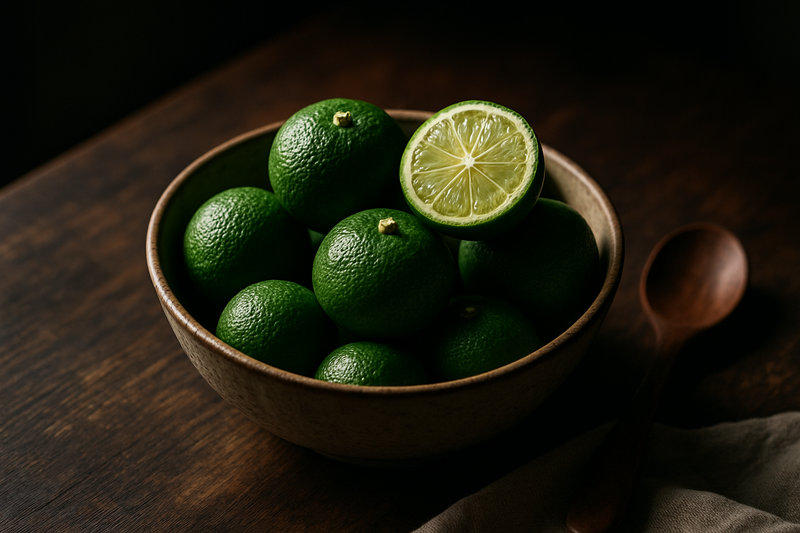
Sudachi · Photograph
Discover sudachi health benefits and nutrition in this evidence-aligned guide. Learn how this small, intensely sour Japanese citrus delivers vitamin C, unique antioxidants called polymethoxylated flavones, and early research suggesting cardiometabolic support — all in a fruit you squeeze, not bite.
Key Nutrients
% Daily Value based on 2,000 cal diet
Key active compounds in sudachi
- Sudachitin — a polymethoxylated flavone concentrated in the peel; the most-studied compound unique to this fruit, linked to early cardiometabolic research.
- General citrus flavonoids — a broad family of polyphenols (plant-based antioxidant compounds) with anti-inflammatory and vascular support properties common to most citrus.
- Limonoids — bitter triterpenoid compounds (a class of naturally occurring chemical structures) found in citrus seeds and peel; studied for antioxidant and possible cholesterol-related effects.
- Vitamin C (ascorbic acid) — water-soluble antioxidant supporting immune defense and collagen (the structural protein in skin and connective tissue) production.
- Citric acid — the organic acid responsible for sudachi's sharp bite; may support energy metabolism and enhance absorption of minerals like iron from plant foods.
- Beta-carotene and carotenoids — pigment compounds in the peel that act as antioxidants and convert to vitamin A in the body; most relevant when you use the zest.
Myths vs. facts about sudachi
Myth 1: "Sudachi is just a fancy Japanese lime." Fact: Sudachi is botanically distinct from common limes (Citrus aurantiifolia) and yuzu. It contains sudachitin, a flavone found in almost no other commercial citrus, and its flavor profile is more floral and less bitter than standard lime.
Myth 2: "Eating more sudachi will directly burn fat or 'melt' belly fat." Fact: The visceral fat data come from a concentrated peel extract providing 4.9 mg of sudachitin daily — roughly equivalent to eating the peel of many fruits. Squeezing a wedge over your dinner provides real nutrients, but is not a fat-loss intervention on its own.
Myth 3: "It's too acidic to be healthy." Fact: Acidity does not mean unhealthy for most people. Sudachi's high citric acid content may support energy metabolism and mineral absorption. The concern is for individuals with acid-sensitive conditions (GERD, ulcers, enamel erosion), not for healthy adults using it in normal culinary amounts.
Buying guide: how to choose the best sudachi
Fresh whole fruit is the gold standard for flavor and nutrition, but availability outside Japan is limited. Look for firm, unblemished, bright green fruit. Sudachi is harvested from late August through November; outside this window, fresh fruit is rarely found even in Japan.
Frozen juice or puree is the most practical choice for most international kitchens. Choose single-ingredient products with no additives. Once thawed, use within a few days; do not refreeze.
Bottled sudachi juice concentrate works well for dressings and marinades. Check the label for added salt, sugar, or preservative citric acid — if the product tastes far less sour than expected, fillers may be present.
Peel extract supplements: look for products that state the sudachitin content per dose (the clinical trial used 4.9 mg/day). Third-party testing certification (e.g., NSF or USP) adds a layer of quality assurance.
Prep and pairing ideas
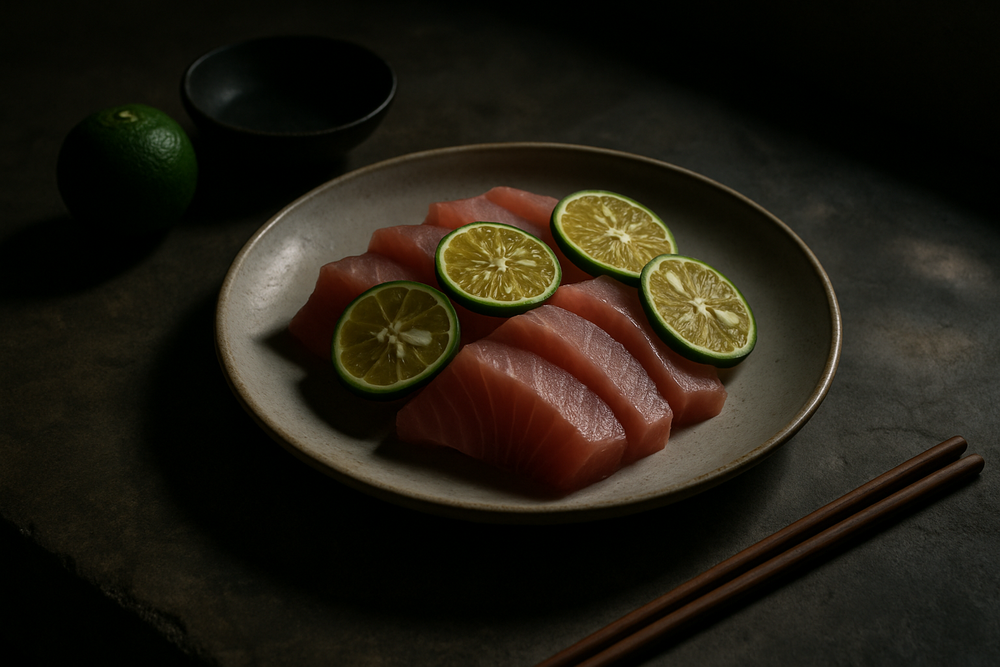
Classic Japanese squeeze: Cut a sudachi in half and squeeze directly over a bowl of cold soba noodles with dipping sauce, or over a plate of sashimi just before serving. The juice replaces or reduces the amount of soy sauce (and therefore sodium) you might otherwise use.
Zest into dressings: Grate the peel of half a sudachi into a simple vinaigrette with rice vinegar, sesame oil, and a touch of miso. You get the floral aromatics and a dose of peel compounds that the juice alone would miss.
Grilled vegetables and mushrooms: Sudachi is a traditional companion to grilled matsutake mushrooms, but works beautifully over any charred or roasted vegetable — eggplant, sweet potato, shishito peppers. The acidity cuts through smokiness in the same way lemon does in Mediterranean cooking.
Sparkling water infusion: Drop two thin slices of sudachi into a glass of sparkling water for a zero-calorie, low-sugar alternative to commercial flavored drinks.
Bottom line
Sudachi is a genuinely distinctive Japanese citrus that earns its place in a food-as-medicine kitchen on multiple grounds: it is a low-calorie source of vitamin C and citric acid, it can meaningfully reduce your reliance on salt and fat as a seasoning, and it contains a rare antioxidant compound — sudachitin — with early but promising cardiometabolic research behind it. The catch is that most of the exciting metabolic data come from concentrated peel extract capsules, not from squeezing a wedge over your noodles. For culinary use, treat sudachi as you would a premium lime: a bright, functional finishing touch rather than a health cure. For supplement use, consult a professional.
If you find fresh or frozen sudachi, use it freely as a condiment. Grate the zest when you can. And enjoy knowing that one of the world's most aromatic citrus fruits also has real nutritional science beginning to catch up with centuries of traditional Japanese wisdom.
How Sudachi Compares
| Compared with | What's different |
|---|---|
| Sudachi vs. Lime | Sudachi is much smaller, more acidic, and contains the unique antioxidant sudachitin. |
| Sudachi vs. Yuzu | Sudachi is harvested green for its sharp acidity; yuzu is larger and prized for its floral aroma. |
Health Benefits
Things to Know
Acid-sensitive conditions: If you have GERD, gastritis, or peptic ulcer disease, sudachi's high acidity may aggravate symptoms. Dilute the juice or limit use on empty-stomach occasions.
Dental health: Frequent exposure of tooth enamel to undiluted acidic citrus juice can contribute to enamel erosion over time. Rinse your mouth with water after consuming acidic foods; avoid brushing immediately after.
Citrus allergy: Anyone with a known citrus allergy should avoid sudachi fruit, peel, and extracts entirely.
Peel extract supplements and drug metabolism: Grapefruit famously interferes with enzymes that process many medications (known as CYP450 enzymes). Sudachi's specific effects on these enzymes are not well characterized, but high-dose peel extracts should be used with caution alongside narrow-therapeutic-index drugs (medications where small dose changes matter) until more data exist.
Antidiabetic and lipid-lowering medications: Peel extract showed modest effects on visceral fat and triglycerides in small trials. If you take medications for blood sugar or cholesterol, discuss any supplement use with your clinician.
Pregnancy and breastfeeding: Normal culinary amounts are likely comparable in safety to other citrus fruits. High-dose peel extract supplementation has not been tested in pregnancy or lactation; avoid in those circumstances.
Metabolic syndrome: The cardiometabolic research is promising but preliminary. If you have diagnosed metabolic syndrome or hypertriglyceridemia, discuss peel extract use with a healthcare professional rather than self-treating.
Glossary
Shop This Ingredient
Stock your pantry with quality sudachi.
Buy on AmazonAs an Amazon Associate, Plantopedia earns from qualifying purchases. This costs you nothing extra and helps us keep the encyclopedia free.
Frequently Asked Questions
Heart and circulation The most compelling human data on sudachi comes from a 12-week randomized, double-blind, placebo-controlled trial (the gold standard study design, where neither participants nor researchers know who gets the real treatment) involving 41 overweight adults. Participants taking a sudachi peel extract capsule delivering 4.9 mg per day of sudachitin showed a significant reduction in the ratio of visceral fat (the metabolically active fat stored around internal organs) to subcutaneous fat (the fat just under the skin), along with a modest reduction in waist circumference — both recognized markers of metabolic syndrome risk. Separately, earlier functional food literature reports improvements in serum triglycerides (blood fats linked to heart disease risk) in obese adults with elevated triglyceride levels. The honest caveat: these are small, early-stage studies using concentrated peel extract, not the culinary use of a squeeze of juice. No large cardiovascular outcome trials exist, and the mechanism is inferred from sudachitin's antioxidant and lipid-modulating properties rather than proven for hard endpoints like heart attack or stroke. Digestive health and microbiome Sudachi's very high citric acid content may stimulate gastric juice secretion, potentially helping the stomach break down food more efficiently — a property shared with other sour citrus fruits and long noted in traditional Japanese food culture. The fruit also contributes a small amount of fiber when consumed whole, which modestly supports a diverse gut microbiome (the community of beneficial bacteria living in your digestive tract). However, no controlled human trials have examined sudachi specifically for digestive outcomes. For people with GERD (gastroesophageal reflux disease — when stomach acid flows back up into the esophagus), gastritis, or peptic ulcers, the high acidity may worsen symptoms rather than help. Blood sugar and metabolism The 12-week sudachi peel extract trial found no negative effects on glycemic control (how the body regulates blood sugar) — and the visceral fat and waist circumference improvements are indirectly favorable for blood sugar regulation, since visceral fat is closely linked to insulin resistance. That said, the trial is better characterized as showing safety with respect to blood sugar than a strong glucose-lowering effect. Most evidence for blood sugar benefits comes from cell and animal studies of sudachitin and general citrus flavonoids; direct human data remain preliminary. Inflammation and recovery Sudachitin has demonstrated anti-inflammatory effects in preclinical studies (research conducted in cells and animals, not yet in humans), including suppression of inflammatory bone destruction. General citrus flavonoids also have well-documented antioxidant and anti-inflammatory properties in laboratory settings. In practice, regular use of sudachi fits within an overall plant-rich diet linked to lower systemic inflammation — but a specific, quantified anti-inflammatory effect from sudachi itself in people has not been established.
Fresh juice (squeezed) is the most traditional and widely available approach. It delivers vitamin C, citric acid, and potassium with virtually no calories. This is the backbone of sudachi's culinary role and provides general antioxidant benefits comparable to other sour citrus. Fresh zest/peel (grated) unlocks the most phytochemical diversity, including sudachitin, carotenoids, and fat-soluble antioxidants that barely make it into the juice. If you can source fresh sudachi, grating a little peel over food or into dressings is a practical upgrade. Frozen juice or puree offers consistent flavor and similar nutritional value to fresh juice. Look for products with no added sugar, preservatives, or artificial flavoring — the ingredient list should read simply: sudachi juice or sudachi puree. Standardized peel extract capsules are the form used in the clinical research showing cardiometabolic effects. These are concentrated functional food or supplement products and are not equivalent to culinary use. Consult a healthcare provider before using them, especially if you take medications or have a metabolic condition.
There is no official recommended daily amount for sudachi as a food; it is used as a condiment, and "dose" is largely a culinary concept here. Culinary use: 1–2 whole fruits squeezed per meal is typical in Japanese cooking. This amount delivers approximately 15–33 mg of vitamin C along with citric acid and trace minerals — a meaningful contribution toward your daily vitamin C target (75–90 mg for most adults) within a broader plant-rich diet. Peel extract supplements: The only published human trial used a dose delivering 4.9 mg per day of sudachitin from standardized powder capsules for 12 weeks. This is a research dose, not a general public recommendation. Do not exceed label guidance without professional input. Start low: If you are new to sudachi, begin with a light squeeze over one dish per day. Some people find the acidity irritating until the gut adapts, particularly if consuming on an empty stomach. Practical ceiling: More is not necessarily better. Beyond the flavor and the modest vitamin C contribution, the additional benefit of squeezing five or six fruits daily versus one or two is not established in human evidence.
Quick Answers
Common questions, answered in a line.
Sudachi is a small, intensely sour Japanese citrus fruit that is botanically distinct from limes and yuzu. It contains a unique antioxidant called sudachitin and is primarily used as a functional finishing touch or seasoning rather than eaten whole.
Sudachi contains sudachitin, a rare polymethoxylated flavone found in almost no other commercial citrus. It also provides vitamin C for immune support, citric acid for energy metabolism, and limonoids that may support healthy cholesterol levels.
While early research on sudachi peel extract shows promising effects on visceral fat, squeezing the juice over food is not a fat-loss intervention on its own. The metabolic benefits seen in studies required a concentrated dose of 4.9 mg of sudachitin daily.
You can use sudachi by squeezing the juice over sashimi, grilled mushrooms, or soba noodles to enhance flavor while reducing sodium intake. The zest can also be added to dressings or vinaigrettes to capture the fruit's floral aromatics and unique peel compounds.
Fresh sudachi is harvested from late August through November, making it difficult to find outside of this window. For year-round use, single-ingredient frozen juice or bottled concentrates without added sugar or salt are practical alternatives.
People with acid-sensitive conditions like GERD or ulcers should use sudachi cautiously due to its high acidity. Additionally, those on blood sugar or cholesterol medications should consult a doctor before using concentrated peel extracts due to potential metabolic interactions.
Sudachi's high citric acid content can support energy metabolism and may help your body absorb minerals like iron from plant-based foods. It is often used in a "food-as-medicine" kitchen to replace salt and fat as a primary seasoning.
For Readers in the USA
Local context — sourcing, seasonality, and regional notes.
Fresh sudachi is primarily sold at Japanese specialty grocers like Mitsuwa Marketplace, H Mart, or Marukai, and is rarely found in conventional US supermarkets. Due to strict import regulations on fresh citrus, most sudachi sold in the US is grown domestically in California.
In the US, you can find sudachi trees for sale in states like California, Arizona, and Texas through specialty citrus nurseries. However, because of USDA citrus fruit movement restrictions (Cirtus Greening quarantine), these trees often cannot be shipped across state lines to protect local agriculture.
Bottled sudachi juice is the most accessible way to consume the fruit in the US, often stocked in the international or vinegar aisle of upscale grocers like Whole Foods or via online retailers. Look for "100% Pure Sudachi Juice" labels to ensure there are no added sugars or high-fructose corn syrup, which are common in citrus drink mixers.
Domestic US sudachi is typically harvested in late summer through early fall, mirroring its traditional Japanese season of August to October. While citrus like lemons are available year-round in the US, fresh sudachi has a very short shelf life and a highly specific seasonal window for American consumers.
AI Clinical Review
- Accurately frames sudachi as a low‑calorie, vitamin C–rich citrus used as a condiment, not a sweet fruit, and highlights its distinctive peel flavonoid (sudachitin) as the key differentiator from lemons/limes.
- Clearly separates culinary use from supplementation, noting that the most promising data come from standardized peel‑extract trials rather than from drinking the juice.
- Summarizes early human findings appropriately (small, 12‑week RCTs) around visceral fat distribution and triglycerides with peel extract, while avoiding exaggerated weight‑loss claims.
- Offers practical, food‑first guidance (use of zest to access peel antioxidants; acidity as a tool to reduce added salt/fat) that aligns with whole‑food dietary patterns.
- Human research is limited in size and duration, with no hard cardiovascular outcomes (e.g., heart attack, stroke) and uncertain long‑term benefits or safety at supplemental doses.
- The dose translation problem remains: 4.9 mg/day of sudachitin from capsules doesn’t map cleanly to real‑world amounts of zest or juice, and bioavailability from food vs. extract isn’t well defined.
- Digestive, microbiome, and anti‑inflammatory claims are largely mechanistic or preclinical; controlled human trials specific to these outcomes are lacking.
- Culinary use: 1–2 fruits as a finishing squeeze is generally well tolerated and provides ~15–33 mg vitamin C. Supplement use: the research dose was 4.9 mg/day sudachitin for 12 weeks; this is not a public dosing guideline.
- Acid considerations: those with GERD, gastritis, or ulcers may find symptoms worsen; frequent undiluted acid can erode enamel—rinsing with water and avoiding immediate brushing can help.
- Medication and life‑stage cautions: people on diabetes or lipid‑lowering drugs, anticoagulants, or with citrus allergy should consult a clinician; avoid high‑dose peel extracts in pregnancy or breastfeeding due to insufficient data.
- Product quality matters: choose juices/purees without added sugar/salt; if considering supplements, look for disclosed sudachitin content and third‑party testing (e.g., USP/NSF).
Very sour; used as a condiment rather than eaten.
References
- USDA FoodData Central — citrus fruit nutritional composition reference (fdc.nal.usda.gov)
- MyPlate — USDA guidance on the fruit food group (myplate.gov)
- 12-week randomized double-blind placebo-controlled trial of sudachi peel extract (sudachitin 4.9 mg/day) in overweight adults — visceral fat and waist circumference outcomes (pmc.ncbi.nlm.nih.gov)
- Functional Foods in Health and Disease — sudachi peel and triglyceride review (ffhdj.com)
- Specialty Produce — sudachi citrus information and culinary uses (specialtyproduce.com)
- NutriScan — sudachi calorie and nutrition data (nutriscan.app)
- Kikkoman culinary glossary — sudachi (kikkoman.com)
- Fruitspedia — sudachi nutrition and health overview (fruitspedia.com)
- NIH Office of Dietary Supplements — Vitamin C fact sheet (for context on vitamin C DV and immune function) (ods.od.nih.gov)
- OpenNutrition — sudachi food search data (opennutrition.app)
Know Your Numbers
Eating healthy is a start. Now get to know your biomarkers.
Food changes bloodwork — inflammation, lipids, blood sugar and nutrient status all respond to what you eat. 59 markers from $59.
- Results in 7–10 days at 2,000+ Quest sites
- Licensed provider reviews every result
- One flat price, no membership, HSA/FSA eligible
Educational information only, not medical advice. Panels are ordered and reviewed through our licensed partner; Plantopedia may earn a commission.