Calamansi — health benefits and uses
A Philippine staple used fresh for colds and as an all-purpose souring agent.
The Short Answer
Calamansi is a small, sour citrus fruit rich in Vitamin C that is a staple in Filipino cuisine for marinades and dipping sauces. It is typically used for its juice, which provides about 27 mg of Vitamin C per 100g serving.
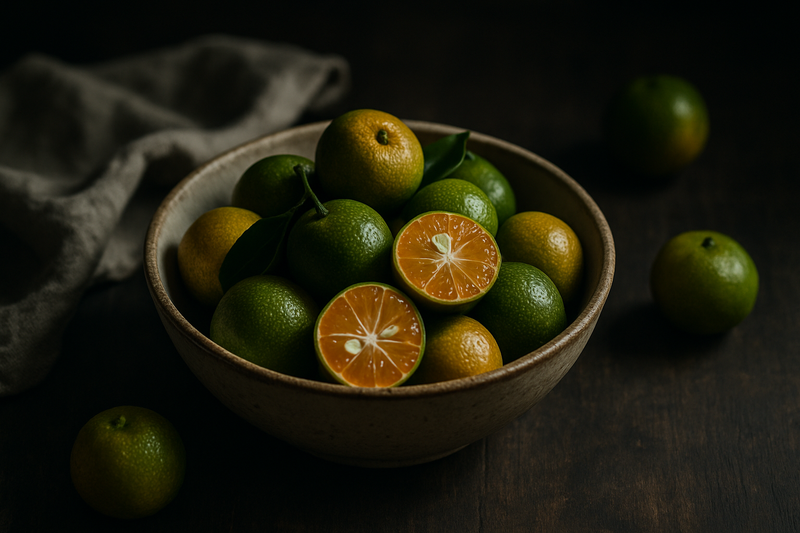
Calamansi · Photograph
Discover calamansi health benefits and how to use it in Filipino cooking. Learn about its vitamin C content, emerging research on heart health and blood sugar, safe daily amounts, and smart ways to squeeze this tiny sour citrus into your diet without the acidity working against you.
Key Nutrients
% Daily Value based on 2,000 cal diet
Key active compounds
- Ascorbic acid (vitamin C): A water-soluble antioxidant and immune-supporting vitamin. Calamansi consistently provides roughly 27–30 mg per 100 g, contributing around 30% of the daily value.
- Flavonoids: A family of polyphenolic compounds (natural chemicals found in plants) concentrated in citrus peel and juice. They exhibit antioxidant and anti-inflammatory properties in lab studies and may play a role in calamansi's preliminary cholesterol-lowering effects.
- Carotenoids: Pigmented plant compounds that act as antioxidants and can partially convert to vitamin A in the body. Calamansi has modest amounts — more than you'd expect from its pale juice but less than deeply colored fruits.
- Citric acid and organic acids: The dominant acids giving calamansi its sharp sourness. These may slow the rate at which the stomach empties (relevant to blood sugar response) but also drive its risk of dental enamel erosion and reflux in sensitive people.
- Dietary fiber (mainly in the peel and pressed solids): Lab analyses of calamansi peel and pressed dregs report extremely high total fiber content — roughly 84% by weight. The juice you squeeze out contains little fiber; the benefit lives in the whole fruit and its skin.
Prep and pairing ideas
Calamansi's intensity is its strength — a little goes a long way.
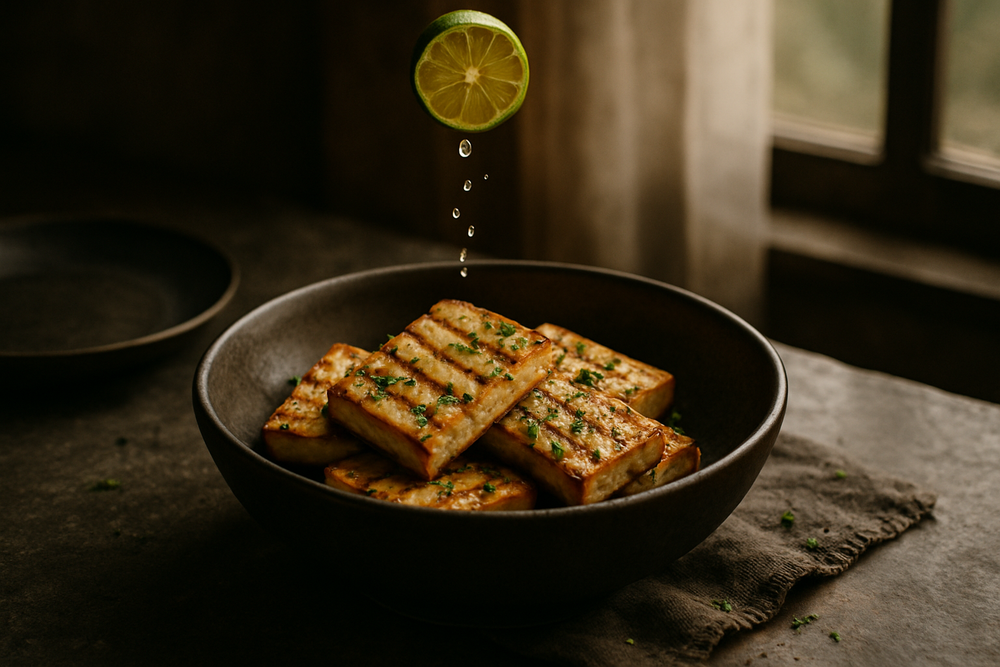
Classic Filipino sawsawan (dipping sauce): Combine 2–3 squeezed calamansi halves with soy sauce or coconut aminos and a sliced bird's eye chili. Serve alongside grilled tempeh, tofu, or steamed vegetables. The acid cuts through richness and balances salt beautifully.
Quick marinade for plant proteins: Mix calamansi juice, minced garlic, a touch of sesame oil, and black pepper. Marinate tofu, mushroom slices, or jackfruit for 30 minutes before roasting or grilling. The citric acid helps tenderize and the flavor becomes mellow and complex with heat.
Calamansi agua fresca: Squeeze 6–8 fruits into a large glass of still or sparkling water. Add a pinch of salt and a small amount of honey or agave if desired — far less sugar than a commercial version. This is the best way to hydrate with a hint of vitamin C without the sugar load.
Common pairings and why they work:
- Calamansi + soy sauce or tamari: The acid softens the saltiness of soy while adding brightness — the foundational pairing in Filipino condiment culture. Together, they create umami balance without needing oil or sugar.
- Calamansi + ginger: Both are aromatic and warming. Calamansi juice with freshly grated ginger in a hot drink or broth provides vitamin C plus gingerols (active compounds in ginger with anti-nausea and anti-inflammatory properties), making it a comforting cold-season combination.
- Calamansi + dark leafy greens: Squeezing calamansi over sautéed kangkong (water spinach), spinach, or kale serves a double purpose — it brightens the bitter flavor and the vitamin C dramatically improves absorption of the non-heme iron in the greens.
Bottom line
Calamansi is a flavorful, low-calorie citrus fruit that earns its place in a food-as-medicine kitchen on two fronts. First, it delivers meaningful vitamin C in a tiny, nearly zero-fat, minimal-calorie package. Second, it makes nutritious food more delicious — and anything that helps you eat more vegetables, legumes, and plant proteins is indirectly a health win.
The more specific claims — cholesterol improvement, blood sugar modulation, anti-inflammatory effects — are supported by preliminary human data and plausible biological mechanisms, but not yet by large, robust clinical trials. Treat those benefits as reasons to be optimistic, not guarantees.
The practical advice is simple: squeeze fresh calamansi generously over your food. Avoid drinking large amounts of undiluted juice daily, especially if you have acid reflux or sensitive teeth. Choose unsweetened forms over commercial sweetened drinks. And enjoy the fact that this ingredient is both delicious and genuinely nutrient-dense.
Want to explore more ingredients that support immune health, heart health, or digestive wellness? Browse the Plantopedia goals guide to find evidence-aligned ingredient pages organized by what you're working toward.
How Calamansi Compares
| Compared with | What's different |
|---|---|
| Calamansi vs. Key Lime | Calamansi is smaller with an edible, sweeter peel and a more floral, sour aroma. |
| Calamansi vs. Kumquat | Calamansi is much more acidic and sour, whereas Kumquats have sweet skin and tart flesh. |
| Calamansi vs. Lemon | Calamansi has a distinct muskiness and higher acidity compared to the clean, sharp tartness of Lemon. |
Health Benefits
Things to Know
Dental enamel erosion: Calamansi juice is strongly acidic (pH around 2–3). Sipping it undiluted repeatedly throughout the day — or swishing it around your mouth — can erode tooth enamel over time. Drink diluted versions through a straw, rinse with water after, and wait 30 minutes before brushing.
Acid reflux and GERD: If you experience gastroesophageal reflux disease (GERD) — a condition where stomach acid flows back into the esophagus, causing heartburn — acidic citrus juice may worsen symptoms. Use calamansi sparingly as a cooked flavoring rather than a raw drink.
Gastritis and ulcers: People with gastritis (stomach lining inflammation) or peptic ulcers may experience discomfort with highly acidic foods. Check with your doctor or dietitian.
Citrus allergy: Rare, but if you react to other citrus fruits (rash, hives, oral tingling), treat calamansi with the same caution.
Diabetes and blood sugar management: Unsweetened fresh juice in flavoring amounts is unlikely to cause blood sugar spikes. Sweetened commercial drinks are another story — account for their sugar in your carbohydrate budget.
Medication absorption: Like other acidic citrus juices, calamansi could affect how some oral medications are absorbed when taken on an empty stomach. If you take medication in the morning, check with your pharmacist about timing.
Iron therapy: Vitamin C enhances the absorption of non-heme iron (the type found in plant foods). This is usually a benefit when pairing calamansi with iron-rich plant foods, but if you are on high-dose iron supplements, discuss overall vitamin C intake with your clinician.
Potassium-restricted diets: Calamansi contributes modest potassium per typical flavoring use, but anyone on a kidney-disease-related potassium restriction should track all citrus intake.
Pregnancy: Calamansi used as a culinary flavoring is generally considered safe. The vitamin C content is a positive. Avoid drinking large quantities of undiluted juice.
Prep Ideas
- — **Calamansi + soy sauce or tamari:** The acid softens the saltiness of soy while adding brightness — the foundational pairing in Filipino condiment culture. Together, they create umami balance without needing oil or sugar.
- — **Calamansi + ginger:** Both are aromatic and warming. Calamansi juice with freshly grated ginger in a hot drink or broth provides vitamin C plus gingerols (active compounds in ginger with anti-nausea and anti-inflammatory properties), making it a comforting cold-season combination.
- — **Calamansi + dark leafy greens:** Squeezing calamansi over sautéed kangkong (water spinach), spinach, or kale serves a double purpose — it brightens the bitter flavor and the vitamin C dramatically improves absorption of the non-heme iron in the greens.
Glossary
Shop This Ingredient
Stock your pantry with quality calamansi.
Buy on AmazonAs an Amazon Associate, Plantopedia earns from qualifying purchases. This costs you nothing extra and helps us keep the encyclopedia free.
Frequently Asked Questions
The honest answer: the evidence is promising but thin. Most benefits are reasonably inferred from calamansi's vitamin C content, its flavonoid profile, and a small number of human trials. Here's what each area of research actually shows. Heart health and circulation The most specific human trial on calamansi and cardiovascular markers recruited 24 overweight adult women and had them drink 300 ml of 100% calamansi juice twice daily for 28 days. Compared to a diluted juice control group, the calamansi group saw significant reductions in triglycerides, LDL cholesterol, and total cholesterol, plus an increase in HDL ("good") cholesterol. That's a meaningful result — but it's one short-term study in a narrow population, and the juice doses used were very large by everyday standards. Replication in larger, more diverse groups is needed before drawing firm conclusions about calamansi for heart health and cholesterol. Proposed mechanisms include vitamin C's antioxidant protection of LDL particles, flavonoid effects on lipid metabolism enzymes, and organic acids influencing how the body processes fats. These are plausible pathways drawn from broader citrus research rather than calamansi-specific mechanistic trials. Practical bottom line: Using fresh calamansi juice as a flavoring in a predominantly plant-based diet is a reasonable, low-risk strategy. Relying on sweetened commercial calamansi drinks for a heart benefit is not — the 35 g of sugar per can likely offsets any advantage. Digestive health and microbiome No clinical trials have directly tested calamansi for constipation, bloating, or gut microbiome changes in humans. Traditional use and general citrus food science suggest that citric acid may stimulate saliva and gastric secretion, potentially aiding digestion in some people — while provoking heartburn or reflux in others. The fiber story is more interesting but mostly locked in the peel. Lab analyses show calamansi peel and pressed solids are roughly half insoluble fiber and half soluble fiber, the types linked to bowel regularity and feeding beneficial gut bacteria. However, most culinary uses discard the peel after squeezing, so the fiber benefit requires deliberate inclusion of zest or whole fruit. Blood sugar and metabolism A controlled trial in healthy adults found that a calamansi-based drink influenced blood glucose levels after a meal compared to a control drink. This suggests the fruit may modestly blunt the spike in blood sugar that follows eating — possibly because citric acid slows gastric emptying (the rate at which food leaves the stomach) or because flavonoids interfere with carbohydrate-digesting enzymes. The study was small, used healthy participants rather than people with diabetes, and assessed only a single acute response, so conclusions about calamansi for blood sugar and diabetes management cannot yet be drawn. If you have diabetes or insulin resistance, the type of calamansi product matters enormously: unsweetened fresh juice used as a condiment is very different from a commercial sweetened calamansi drink that delivers 35 g of sugar per can. Inflammation and recovery There are no high-quality human trials directly measuring calamansi's effect on inflammatory markers like C-reactive protein (CRP — a protein in the blood that rises when inflammation is present) or interleukin-6. Anti-inflammatory claims in popular sources are mostly extrapolated from calamansi's vitamin C content and general evidence that diets rich in fruits and vegetables are associated with lower chronic inflammation. Lab studies on calamansi peel extracts show antioxidant activity, but test-tube results don't automatically translate to effects in the human body. Position calamansi as one colorful, antioxidant-containing piece of an overall anti-inflammatory eating pattern — not as a standalone anti-inflammatory remedy. Immune support This is where calamansi's evidence base is strongest, even if it's indirect. Vitamin C is one of the most studied nutrients in immune function: it supports the activity of immune cells, acts as an antioxidant to reduce oxidative damage during infections, and may modestly shorten the duration of the common cold. Calamansi provides about 30% of the daily value of vitamin C per 100 g, making it a practical way to contribute to daily intake. No trials have specifically tested calamansi for immune outcomes, but the connection through vitamin C is well-grounded.
Buying guide Fresh whole calamansi is the gold standard for flavor, vitamin C content, and the absence of added sugar or preservatives. Look for fruits with smooth, tight skin and a heady citrus aroma — thin, slightly soft skin usually means they're ripe and juicy. Ripe fruits turn fully orange; green ones are still usable and actually slightly more tart. Frozen calamansi (whole or halved) is an excellent alternative if you live outside Southeast Asia or Hawaii where fresh is hard to find. Freezing preserves most of the vitamin C and essential oils; thaw briefly before squeezing. Bottled unsweetened calamansi juice is a convenient option. Check the label: the ingredient list should read "calamansi juice" and nothing else, or possibly citric acid as a preservative. Avoid anything with high-fructose corn syrup or "calamansi-flavored drink" wording, which signals minimal real fruit content. Commercial sweetened calamansi drinks (canned or bottled) offer vitamin C but also deliver 35 g of sugar and 140 calories per can — closer to a soft drink than a health food. Treat these as an occasional flavored beverage, not a daily health supplement. Concentrated syrup or cordial requires dilution. Sugar content varies wildly; read the label and dilute generously. Label tip: If you're shopping for bottled juice, the word "concentrate" is fine; "nectar" or "flavored drink" usually means added sugar. A vitamin C content listed on the label is a good sign the product still contains meaningful amounts.
There is no official recommended daily intake for calamansi specifically. Here is how to think about amounts: Culinary use (everyday): 2–5 small fruits (roughly 10–30 ml of juice) squeezed over food or into drinks is the typical amount in Filipino cooking. This is a safe, pleasant daily habit for most healthy adults and provides a meaningful contribution to vitamin C intake. As a flavored drink: If making calamansi water, 4–8 fruits diluted in 250–500 ml of water, taken with or after a meal, is a reasonable amount. Rinse your mouth with plain water afterward. Research doses: The lipid profile trial used 300 ml of 100% calamansi juice twice daily (600 ml total) for 28 days — a therapeutic dose far above everyday culinary use and one that should not be self-administered without guidance, especially for people with acid reflux, dental issues, or diabetes. Start low if you're new to it: If your digestive system is not used to acidic foods, begin with a squeeze or two and see how you feel. Increase gradually. Is calamansi safe to drink every day? For most healthy adults, yes — in culinary amounts, diluted and taken with food. Daily large doses of undiluted juice carry real risks to dental enamel and the gut lining, and high-sugar commercial drinks present metabolic concerns with daily use.
Quick Answers
Common questions, answered in a line.
Calamansi contains approximately 27–30 mg of vitamin C per 100 g, providing about 30% of the recommended daily value. This water-soluble antioxidant supports the immune system and helps protect cells from damage.
Squeezing calamansi juice over dark leafy greens like spinach or kale significantly improves the absorption of non-heme iron from the plants. The high vitamin C content in the fruit helps the body process the iron found in these vegetables more efficiently.
To make a healthy calamansi drink, squeeze 6–8 fruits into a large glass of still or sparkling water and add a pinch of salt or a small amount of agave. Using fresh fruit allows you to control the sugar content, making it a much lower-calorie option than commercial sweetened drinks.
Calamansi juice is highly acidic with a pH between 2 and 3, which can erode tooth enamel if consumed undiluted or swished in the mouth. To protect your teeth, drink diluted versions through a straw, rinse with water afterward, and wait 30 minutes before brushing.
Calamansi may support heart health through preliminary cholesterol-lowering effects linked to its flavonoids, which are polyphenolic compounds found in the peel and juice. These compounds exhibit antioxidant and anti-inflammatory properties in laboratory studies.
Calamansi contains organic acids, such as citric acid, which may help manage blood sugar by slowing the rate at which the stomach empties. While unsweetened fresh juice is unlikely to cause spikes, users should avoid commercial sweetened versions that contain high amounts of sugar.
A classic Filipino calamansi dipping sauce, known as sawsawan, is made by combining 2–3 squeezed calamansi halves with soy sauce or coconut aminos and sliced bird’s eye chili. The acidity of the fruit brightens the sauce and balances the saltiness without the need for added oil.
For Readers in the USA
Local context — sourcing, seasonality, and regional notes.
In the United States, calamansi is primarily grown in USDA hardiness zones 9–11, with commercial production centered in Florida, California, and Hawaii. While they can survive light frosts, most American home gardeners grow them in pots to move indoors during cold winters in northern states.
You can typically find fresh calamansi at Asian grocery chains like H-Mart, 99 Ranch Market, or Seafood City, especially in coastal states with large Filipino-American communities. If fresh fruit is unavailable, these stores often stock frozen whole calamansi or pasteurized pure juice in the refrigerated section.
While calamansi is often available year-round in specialty markets, the peak harvest season for US-grown fruit generally runs from late fall through early spring. Availability at local farmers markets in Southern California or Florida is highest between November and April.
The USDA recognizes "calamondin" as the standard name for this fruit, though you will almost exclusively see it labeled as "calamansi" in culinary contexts and Filipino markets. When shopping for trees at US nurseries, look for the name Citrus mitis or Calamondin orange.
AI Clinical Review
- Presents calamansi as a vitamin C–rich flavoring used in small amounts, which matches how it’s consumed and how much nutrient it realistically delivers per meal.
- Accurately characterizes the human evidence as preliminary: a small lipid-profile trial and an acute after-meal (postprandial) glucose study, with appropriate caution about overinterpreting results.
- Gives practical, consumer-friendly guidance on forms (fresh/frozen vs. bottled vs. sweetened drinks) and clearly flags the high sugar load in commercial beverages.
- Highlights key safety considerations of acidic citrus (tooth enamel, reflux) and offers sensible, low-risk ways to enjoy calamansi (diluted, with food).
- Cholesterol-lowering data come from a short, small study using unusually large daily juice volumes; effects need replication in larger, more diverse groups and over longer periods.
- Blood sugar findings are based on an acute response in healthy adults; we don’t know the magnitude or consistency of benefit in people with prediabetes or diabetes, or with long-term use.
- Anti-inflammatory claims are largely extrapolated from vitamin C and citrus flavonoids; there are no robust trials showing changes in markers like CRP or IL-6 from calamansi itself.
- Typical culinary amounts (about 2–5 fruits, roughly 10–30 ml juice/day) are reasonable for most adults; very large, undiluted intakes (e.g., research-level ~600 ml/day) are not advisable outside clinical supervision.
- Because it’s highly acidic, those with GERD, gastritis/ulcers, or sensitive teeth should limit or dilute; rinse with water after drinking and avoid sipping slowly all day.
- People with diabetes should distinguish fresh or unsweetened juice used as a condiment from sweetened canned drinks, which can deliver ~35 g sugar per serving.
- Medication and nutrient notes: acidity can affect how some oral medicines feel on an empty stomach; vitamin C enhances non‑heme iron absorption—useful with greens, but discuss if you’re on high‑dose iron therapy. Citrus allergy, though uncommon, warrants caution.
Very acidic; used as a flavoring, not eaten whole.
References
- USDA MyPlate fruit guidelines — general dietary fruit recommendations (myplate.gov)
- Calamansi nutrition database entry (SnapCalorie) — per-serving macros and micronutrients (snapcalorie.com)
- **Phytochemicals, bioactive properties, and commercial potential of **Citrus microcarpa — peer-reviewed review of calamansi's antioxidants and flavonoids (pmc.ncbi.nlm.nih.gov)
- Blood glucose response to a calamansi drink in healthy adults — controlled human trial on postprandial glycemia (pmc.ncbi.nlm.nih.gov)
- Effect of kalamansi juice on lipid profiles of overweight adult women (IPB University) — small randomized trial showing cholesterol improvements (ipb.ac.id)
- Calamansi nutrition facts and health benefits (Netmeds Health Library) — comprehensive overview with safety notes (netmeds.com)
- Calamansi fruit nutrition and health benefits (FruitsInfo) — micronutrient and phytochemical profile (fruitsinfo.com)
- Calamansi health benefits and uses guide (MegaWecare) — evidence-aligned overview including safety considerations (megawecare.com)
- Philippine calamansi juice drink nutrition facts (EatThisMuch) — added sugar content of commercial sweetened drinks (eatthismuch.com)
- Calamansi: The citrus powerhouse for your health (Pinch of Health) — evidence-based overview of benefits and limitations (pinch-of-health.com)
Know Your Numbers
Eating healthy is a start. Now get to know your biomarkers.
Food changes bloodwork — inflammation, lipids, blood sugar and nutrient status all respond to what you eat. 59 markers from $59.
- Results in 7–10 days at 2,000+ Quest sites
- Licensed provider reviews every result
- One flat price, no membership, HSA/FSA eligible
Educational information only, not medical advice. Panels are ordered and reviewed through our licensed partner; Plantopedia may earn a commission.