Leek — health benefits and uses
Color, fiber, and everyday plate-building angle
The Short Answer
Leeks are mild, sweet members of the allium family that provide 33% of the Daily Value for Vitamin K and 1.6g of fiber per cup. They act as a prebiotic food source and are best prepared by soaking in water to remove grit from their layers.

Leek · Photograph
Leeks (Allium ampeloprasum var. porrum) look like oversized green onions, but they have a milder, slightly sweeter flavor that makes them one of the most versatile vegetables in a plant-forward kitchen. Related to garlic and onions, they share many of the same beneficial compounds — and they are far less intimidating to cook once you know a few basics.
Key Nutrients
% Daily Value based on 2,000 cal diet
Key active compounds in leeks
- Organosulfur compounds (e.g., S-alk(en)yl-L-cysteine sulfoxides) — The sulfur-containing molecules that give allium vegetables their distinctive aroma. Studied in the allium family for potential antioxidant and vascular effects.
- Flavonoids (kaempferol, quercetin derivatives) — A class of plant polyphenols (antioxidant molecules) concentrated in the green parts of the leek. Associated with healthy blood vessel function and normal inflammatory responses.
- Carotenoids (lutein, beta-carotene) — Pigmented antioxidant compounds that the body can partially convert to vitamin A. Most abundant in the green leafy portions.
- Inulin-type fructans and fructooligosaccharides (FOS) — Fermentable, non-digestible carbohydrate fibers that reach the large intestine intact and act as prebiotics — food for beneficial gut bacteria.
- Phenolic acids (ferulic acid, caffeic acid derivatives) — Antioxidant plant compounds that contribute to leeks' overall capacity to neutralize harmful free radicals (unstable molecules that can damage cells).
Prep and pairing ideas
Buying guide: what to look for
Choose leeks that feel firm and have a long white-to-light-green shaft with crisp (not yellowed or slimy) tops. Smaller to medium leeks tend to be more tender; very large leeks can be woody at the core. Look for tightly wrapped layers with no splitting at the base.
Fresh vs. frozen: Fresh leeks offer the best texture for slow-sautéed or braised preparations. Frozen leeks (usually pre-cut) are a convenient pantry staple for soups and stews — nutritionally comparable for most purposes since blanching preserves fiber and most minerals.
Label tip: There is no meaningful nutritional difference between "standard" and "organic" leeks in terms of fiber or micronutrient content. If pesticide residue is a concern for you, leeks generally rank low on residue lists because of their multiple protective outer layers.
How to clean leeks step by step
- Trim off the root end (a thin slice) and most of the dark green tops (save these for stock).
- Slice the leek lengthwise down the middle, or cut it into rings, depending on your recipe.
- Drop the pieces into a large bowl of cold water.
- Swish well — dirt and sand sink to the bottom.
- Lift the leeks out with your hands or a slotted spoon. Do not pour them through a colander or the grit falls back over them.
- Repeat with fresh water if still sandy.
Storage after prepping: Cleaned, sliced leeks keep in an airtight container lined with a paper towel in the fridge for up to about five to seven days — a great meal-prep step.
Three practical pairings and why they work
- Leeks + white beans: A classic combination. Leeks melt into a savory base that coats the beans without overpowering them. Together they provide complementary fiber types — prebiotic fructans from leeks and soluble fiber from the beans — making this pairing especially useful for gut health and satiety. Try it as a simple braise or in a Tuscan-style soup.
- Leeks + potatoes: The foundational duo of leek and potato soup works because each ingredient amplifies the other's natural sweetness and creaminess. Potatoes add resistant starch (another prebiotic fiber type), and adding a handful of leeks transforms a simple potato soup into something nutritionally richer and far more interesting.
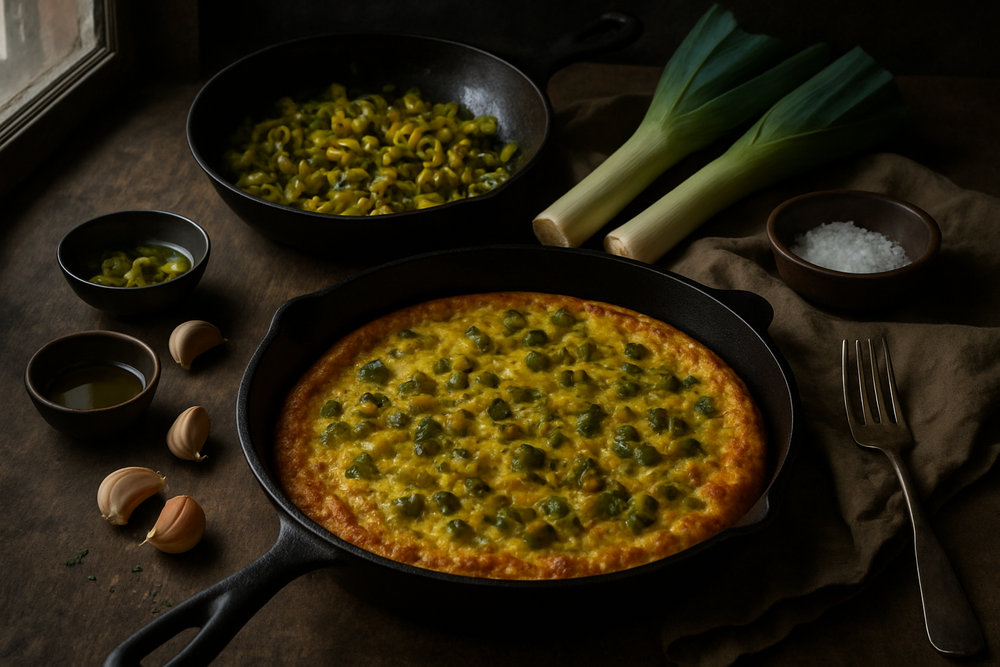
- Leeks + eggs: Sweated leeks folded into a frittata, scrambled eggs, or savory oatmeal add depth, sweetness, and fiber to a protein-rich base. This pairing also works well as a quick weeknight meal or weekend brunch that feels complete without requiring many ingredients.
How much leek per
How Leek Compares
| Compared with | What's different |
|---|---|
| Leek vs. Green Onion (Scallion) | Much larger with a mild, sweet, onion-like flavor and a creamy texture when cooked. |
| Leek vs. Garlic Scapes | Lacks the edible bulb and has a sharp, intense garlic aroma rather than a mild onion taste. |
Health Benefits
Things to Know
IBS and FODMAP sensitivity: Leeks are classified as high-FODMAP due to their fructan content. If you have been diagnosed with IBS or are following a low-FODMAP diet, consult a registered dietitian before adding leeks regularly. Well-cooked, smaller portions are generally better tolerated.
Allium allergy or oral allergy syndrome: Allergic reactions to leeks are uncommon but documented in people with broader allium allergies (to onions or garlic) or cross-reactive pollen allergies. If you have these conditions, speak with an allergist.
Warfarin (vitamin K–antagonist anticoagulants): Leeks contain vitamin K, especially when the green portions are eaten. You do not need to avoid leeks, but you should keep your vitamin K intake consistent week to week. Work with your healthcare provider to monitor your INR and adjust medication as needed.
Active IBD flares or SIBO: People managing active inflammatory bowel disease flares or significant small intestinal bacterial overgrowth (SIBO — an excessive growth of bacteria in the small intestine) may need individualized guidance on high-fiber, high-FODMAP vegetables.
Chronic kidney disease (advanced): Leeks contribute potassium to the diet. While they are not among the highest-potassium vegetables, people on strict potassium restrictions should account for them in their overall intake plan.
GI medications: If you are taking medications that already cause GI side effects — such as metformin, GLP-1 receptor agonists, or certain antibiotics — the fermentable fibers in leeks may add to gas or bloating. Introducing leeks gradually in well-cooked form usually helps.
Pregnancy: Leeks are a good source of folate, which is important for fetal neural tube development, and are safe to eat as food during pregnancy in typical dietary amounts.
Prep Ideas
- — Trim off the root end (a thin slice) and most of the dark green tops (save these for stock).
- — Slice the leek lengthwise down the middle, or cut it into rings, depending on your recipe.
- — Drop the pieces into a large bowl of cold water.
- — Swish well — dirt and sand sink to the bottom.
- — Lift the leeks out with your hands or a slotted spoon. Do not pour them through a colander or the grit falls back over them.
- — Repeat with fresh water if still sandy.
- — Leeks + white beans: A classic combination. Leeks melt into a savory base that coats the beans without overpowering them. Together they provide complementary fiber types — prebiotic fructans from leeks and soluble fiber from the beans — making this pairing especially useful for gut health and satiety. Try it as a simple braise or in a Tuscan-style soup.
- — Leeks + potatoes: The foundational duo of leek and potato soup works because each ingredient amplifies the other's natural sweetness and creaminess. Potatoes add resistant starch (another prebiotic fiber type), and adding a handful of leeks transforms a simple potato soup into something nutritionally richer and far more interesting.
- — Leeks + eggs: Sweated leeks folded into a frittata, scrambled eggs, or savory oatmeal add depth, sweetness, and fiber to a protein-rich base. This pairing also works well as a quick weeknight meal or weekend brunch that feels complete without requiring many ingredients.
Shop This Ingredient
Stock your pantry with quality leek.
Buy on AmazonAs an Amazon Associate, Plantopedia earns from qualifying purchases. This costs you nothing extra and helps us keep the encyclopedia free.
Frequently Asked Questions
Leeks have not been studied as extensively as garlic or onions in clinical trials, so most of what we know comes from research on allium vegetables as a group, plus trials on the specific fiber types leeks contain. Here is what the evidence looks like across key areas. Heart health and circulation Most human evidence linking allium vegetables to cardiovascular health comes from large observational studies — surveys that track what people eat over time and look for patterns in health outcomes. People who eat more allium vegetables tend to have lower blood pressure and better cardiovascular risk markers, but these are associations, not proof that leeks alone cause the benefit. Clinical trials showing direct improvements in blood lipids or blood pressure mostly use garlic or onion extracts rather than leeks specifically. Leeks do provide potassium and fiber — both nutrients linked to healthy blood pressure — plus antioxidant compounds that may help protect blood vessel walls from oxidative damage. The most accurate framing: leeks are a useful part of a heart-supportive eating pattern, not a standalone treatment. Digestive health and the gut microbiome — leeks prebiotic benefits This is where the evidence for leeks is most directly applicable. The inulin-type fructans in leeks belong to the same class of prebiotic fibers studied in human trials using chicory, onions, and isolated inulin powders. In those trials, doses of roughly 5–20 g of fructan fiber per day: Increased counts of beneficial bacteria, especially Bifidobacteria Supported softer, more regular stools Produced modest improvements in some metabolic markers Leeks also contribute insoluble fiber, which adds bulk to stool and supports regular bowel movements. The catch: because these fibers ferment in the large intestine, they can cause gas or bloating in sensitive individuals — see the cautions section below. Blood sugar and metabolism There are no clinical trials testing leeks specifically for blood sugar management. However, leeks are low in available carbohydrates, have a low glycemic load (meaning they cause a modest, slow rise in blood glucose compared to refined starches), and contain both fiber and polyphenols — both of which are associated with slower glucose absorption after meals. As part of a fiber-rich, vegetable-forward eating pattern, leeks can help displace refined starches and add satisfying bulk to meals without spiking blood sugar. Any benefit is best attributed to the overall dietary pattern. Inflammation and recovery Human trials isolating leeks for anti-inflammatory effects do not currently exist. But observational research consistently finds that people who eat more vegetables — especially those rich in flavonoids and sulfur compounds like alliums — tend to have lower levels of CRP (C-reactive protein), a common blood marker of systemic inflammation. Leeks' kaempferol content is of particular interest to researchers studying plant flavonoids and inflammation, though most of that work is in laboratory settings rather than human trials. Think of leeks as contributing to an overall anti-inflammatory style of eating rather than acting as an anti-inflammatory therapy on their own.
Leeks are a whole food — no supplement, extract, or powder is needed, and there is no evidence that processed leek products outperform eating the vegetable itself. Fresh leeks, gently cooked: This is the most practical and evidence-aligned form. Sweating or sautéing leeks until soft concentrates their sweetness, makes the fiber easier to digest, and preserves the majority of their heat-stable nutrients (vitamin K, folate, carotenoids). Vitamin C is most abundant in raw or lightly cooked leeks. Raw leeks in small amounts: Thinly sliced raw leek can add mild onion flavor to salads, slaws, or grain bowls. Raw leeks are more likely to cause digestive discomfort in larger amounts because the fermentable fibers have not been softened by heat. Leek greens in stocks: The dark green tops are tough to eat but valuable as a broth or stock ingredient. They are rich in carotenoids and flavonoids and contribute meaningful flavor and phytonutrients to cooking liquids. This is also a good zero-waste strategy. Frozen leeks: A practical pantry option. Blanching before freezing does cause some loss of heat-sensitive vitamins (mainly vitamin C), but most of the fiber, minerals, and heat-stable vitamins are retained. Frozen leeks work well in soups and stews where texture is less critical.
Quick Answers
Common questions, answered in a line.
Leeks are best cleaned by slicing them lengthwise or into rings and submerging them in a bowl of cold water to let grit sink to the bottom. Once swished, lift the leeks out rather than pouring them through a colander to ensure the dirt and sand stay at the bottom of the bowl.
Leeks provide prebiotic fibers called inulin-type fructans and fructooligosaccharides (FOS) that feed beneficial gut bacteria. These non-digestible carbohydrates reach the large intestine intact, supporting digestive health and promoting a healthy gut microbiome.
Leeks contain organosulfur compounds and flavonoids like kaempferol and quercetin, which are associated with healthy blood vessel function. These antioxidant molecules are concentrated in the green parts of the vegetable and help support normal inflammatory responses.
You should look for firm leeks with a long white shaft and crisp green tops that are not yellowed or slimy. Choose small to medium-sized leeks for a more tender texture, as very large leeks can sometimes have a woody core.
Individuals taking Warfarin should keep their leek consumption consistent, as the green portions are a source of vitamin K. Because vitamin K can interact with blood thinners, it is important to maintain a steady intake and consult a healthcare provider to monitor medication levels.
Leeks are high in fructans, making them a high-FODMAP food that may cause gas or bloating for those with IBS or SIBO. Because of their fermentable fiber content, individuals with digestive sensitivities should introduce well-cooked leeks gradually or consult a dietitian.
Leeks are safe and beneficial during pregnancy as they are a natural source of folate, which is essential for fetal neural tube development. They can be safely consumed in typical dietary amounts as part of a plant-forward pregnancy diet.
For Readers in the USA
Local context — sourcing, seasonality, and regional notes.
Leeks are grown primarily in California, Michigan, and the Pacific Northwest, with the domestic harvest peaking in the spring and fall. While available year-round in most U.S. supermarkets, peak seasonality occurs from late fall through early spring when they are at their sweetest.
You can find fresh leeks in the produce section of major U.S. grocery chains like Kroger, Safeway, and Whole Foods, as well as at local farmers markets. They are typically sold by the bunch or individually, and many specialty retailers like Trader Joe's offer pre-cleaned and chopped versions.
In American cuisine, leeks are the star of Vichyssoise (chilled potato leek soup) and are a staple in Southern-style "low country" braises and Thanksgiving stuffings. They are often used as a more sophisticated, milder alternative to white onions in modern American bistro cooking and farm-to-table menus.
AI Clinical Review
- Clearly places leeks within the allium family and highlights key compounds (organosulfur molecules, flavonoids, carotenoids) and prebiotic fibers that are plausibly health‑supportive.
- Accurately frames gut benefits: inulin‑type fructans can increase beneficial bacteria and support regularity; tolerance varies by person.
- Sensibly characterizes heart and metabolic benefits as part of an overall dietary pattern rather than effects of leeks alone; notes potassium, fiber, and antioxidants as supportive nutrients.
- Practical guidance on cleaning, cooking, using leek greens, and frozen options aligns with nutrition retention (heat‑stable vitamins largely preserved; vitamin C better with lighter cooking).
- Human trials on leeks themselves are limited; much of the evidence is extrapolated from studies on garlic/onion or isolated inulin/FOS, so specific “leek‑only” effects remain uncertain.
- Most cardiometabolic and anti‑inflammatory data are observational or mechanistic; causal effects and meaningful dose–response for leeks in everyday portions are not established.
- Prebiotic outcomes in studies typically use about 5–20 g/day of fructan fiber; a typical serving of leeks likely provides only a portion of that, and individual microbiome responses differ.
- The clinical relevance of leek flavonoids and carotenoids (and how cooking method alters their bioavailability) has not been confirmed in robust human outcome trials.
- FODMAPs: Leeks are high in fructans (a type of fermentable fiber). If you have IBS, active IBD flares, or SIBO, start with small, well‑cooked portions and increase gradually based on comfort; some may need individualized guidance.
- Anticoagulants: Leek greens contain vitamin K. If you take warfarin or similar, keep vitamin K intake consistent week to week and have INR monitored.
- Other cautions: People with advanced chronic kidney disease should account for the potassium in leeks; allium or pollen‑related oral allergy is uncommon but possible—seek care if reactions occur.
- Practical use: No supplement needed. A typical food serving is about 1/2–1 cup cooked. To approach research‑level prebiotic intakes, pair leeks with other prebiotic‑rich foods (e.g., beans, onions, chicory). Raw leeks retain more vitamin C but may cause more gas; thorough cleaning is important due to trapped grit.
Frame as food education, not disease treatment.
References
- PMC, National Library of Medicine — Functional Perspective of Leeks: Active Components, Health Benefits and Action Mechanisms (pmc.ncbi.nlm.nih.gov)
- PubMed — Functional Perspective of Leeks: Active Components, Health Benefits and Action Mechanisms (pubmed.ncbi.nlm.nih.gov)
- PubMed — Effects of Persian leek (Allium ampeloprasum) on hepatic lipids and the expression of proinflammatory gene in hamsters fed a high-fat/ high-cholesterol diet (pubmed.ncbi.nlm.nih.gov)
- PMC, National Library of Medicine — Research and application of leek roots in medicinal field (pmc.ncbi.nlm.nih.gov)
- PMC, National Library of Medicine — The Role of Edible Bulbous Layers on Macro, Micro, and Heavy Metal Contents of Leek (Allium porrum) Plant (pmc.ncbi.nlm.nih.gov)
- PubMed — Beyond seasoning nutrients bioactive ingredients and healthcare effects of Allium vegetables (pubmed.ncbi.nlm.nih.gov)
- University of Rochester Medical Center — Content - Health Encyclopedia - URochester Medicine (urmc.rochester.edu)
- University of Rochester Medical Center — Content - Health Encyclopedia - URochester Medicine (urmc.rochester.edu)
Know Your Numbers
Eating healthy is a start. Now get to know your biomarkers.
Food changes bloodwork — inflammation, lipids, blood sugar and nutrient status all respond to what you eat. 59 markers from $59.
- Results in 7–10 days at 2,000+ Quest sites
- Licensed provider reviews every result
- One flat price, no membership, HSA/FSA eligible
Educational information only, not medical advice. Panels are ordered and reviewed through our licensed partner; Plantopedia may earn a commission.