Napa Cabbage — health benefits and uses
Leafy-green micronutrient angle; easy ways to add volume without complexity
The Short Answer
Napa cabbage is a nutrient-dense cruciferous vegetable providing 36% of the Daily Value for Vitamin K and 30% for Vitamin C in just 13 calories. Its mild flavor and tender texture make it ideal for kimchi, stir-fries, and raw salads.

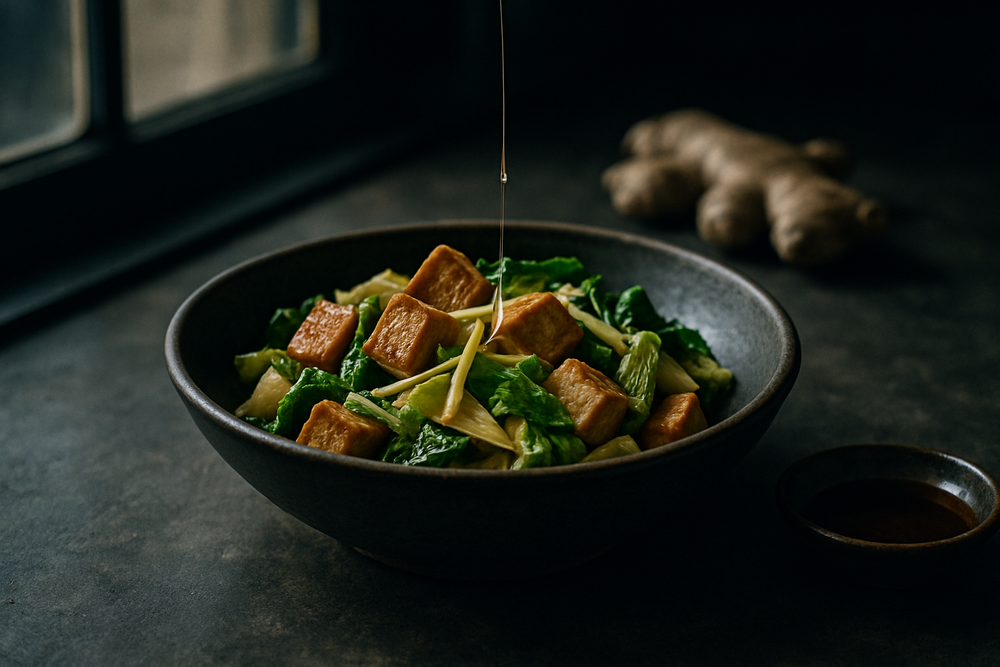
Napa Cabbage · Photograph
Napa cabbage (Brassica rapa subsp. pekinensis) — also widely called Chinese cabbage — is one of the most practical leafy greens you can keep in your fridge. It's mild enough to eat raw in a slaw, sturdy enough to hold up in a soup, and tender enough to stir-fry in under five minutes. It also happens to be very low in calories, surprisingly rich in vitamins C and K, and a member of the cruciferous vegetable family that researchers have long associated with heart, digestive, and metabolic health.
Key Nutrients
% Daily Value based on 2,000 cal diet
Key active compounds in napa cabbage
- Glucosinolates — Sulfur-containing plant compounds characteristic of cruciferous vegetables. When you chop, chew, or ferment napa cabbage, glucosinolates break down into smaller compounds called isothiocyanates and indoles, which show antioxidant, anti-inflammatory, and detoxification-supporting effects in laboratory and animal research.
- Indole-3-carbinol (I3C) and diindolylmethane (DIM) — Compounds formed from one specific glucosinolate (glucobrassicin) when cruciferous vegetables are cut or digested. They influence estrogen metabolism and cell-detoxification enzyme activity in experimental studies.
- Phenolic acids and flavonoids — Polyphenol compounds (a broad category of beneficial plant chemicals) found naturally in cabbage and other leafy greens; contribute antioxidant and potential anti-inflammatory activity.
- Carotenoids (including beta-carotene and lutein) — Fat-soluble pigments concentrated in the green leaf portions. Some convert to vitamin A in the body; all act as antioxidants and support eye and skin health.
Prep and pairing ideas
How to cut and prep napa cabbage
- Remove any wilted outer leaves and rinse the whole head under cold water.
- Quarter lengthwise, then slice crosswise into ribbons for slaws, salads, and stir-fries. Thicker cuts (1–2 inches) work well for soups and braises.
- Separate ribs from leaves if stir-frying: the thick white rib takes 2–3 minutes longer than the leafy green top, so add them to the pan first.
- For wraps: Blanch (briefly boil) whole leaves for 30–60 seconds, then use as cups or roll them around fillings.
- For slaws: Thinly shred, then massage with a small pinch of salt and let sit 5–10 minutes to soften — this draws out a little moisture and makes the texture more pleasant raw.
Common pairings
1. Ginger + garlic + sesame oil This is the classic East Asian combination for stir-fried napa cabbage. Garlic and ginger both have their own well-studied anti-inflammatory and digestive-supporting properties, and toasted sesame oil adds healthy unsaturated fat that helps your body absorb the fat-soluble carotenoids in napa's green leaves.
2. Tofu + miso broth Napa cabbage is a natural fit for Japanese-style soups and hot pots. Tofu adds plant-based protein and calcium, while miso contributes fermented, umami-rich depth. This combination makes a complete, nutrient-dense meal that's quick to
How Napa Cabbage Compares
| Compared with | What's different |
|---|---|
| Napa Cabbage vs. Green Cabbage | Mild, sweet flavor with crunchy white ribs and tender leaves, whereas Green Cabbage is peppery and dense. |
| Napa Cabbage vs. Bok Choy | Has a higher water content and softer texture, while Bok Choy has distinct, spoon-shaped dark green leaves. |
| Napa Cabbage vs. Romaine Lettuce | Much lower in calories and crunchier; Romaine lacks the sulfur-containing glucosinolates of Napa. |
Health Benefits
Things to Know
Vitamin K and blood thinners: Napa cabbage is a source of vitamin K, which interacts with warfarin (and other vitamin K-antagonist anticoagulants). You do not need to avoid it — but keeping your intake consistent from week to week is important. Tell your healthcare provider if you're planning to significantly increase your leafy green intake.
IBS and sensitive digestion: Cruciferous vegetables are fermentable (they feed gut bacteria, which produce gas). Start with small cooked portions and increase gradually if you have IBS or a history of bloating.
Thyroid conditions: Very high, chronic intake of raw cruciferous vegetables in someone with poor iodine status may theoretically add to goitrogenic (thyroid-suppressing) load. Normal culinary amounts of napa cabbage are not considered a problem for most people, but if you have existing thyroid disease and eat large amounts of raw crucifers daily, it's worth mentioning to your clinician.
Levothyroxine (thyroid medication): The same precaution applies as above — standard culinary amounts are typically fine, but worth discussing if you're eating very large quantities daily.
Low-sodium diets: Fresh napa cabbage is naturally very low in sodium. Fermented versions (kimchi, pickled preparations) can be high in sodium — check labels and choose low-sodium versions if you are managing blood pressure, heart failure, or kidney disease.
Histamine intolerance: Fermented napa cabbage (kimchi) is high in histamine and may trigger symptoms in people with histamine intolerance.
Immunocompromised individuals: If you have a weakened immune system, speak with your healthcare provider before regularly consuming unpasteurized fermented foods.
Pregnancy: Folate in napa cabbage is beneficial during pregnancy. Ensure fermented products are from reputable sources and stored correctly; raw sprout versions of any vegetable carry food safety considerations during pregnancy.
Prep Ideas
- — Remove any wilted outer leaves and rinse the whole head under cold water.
- — Quarter lengthwise, then slice crosswise into ribbons for slaws, salads, and stir-fries. Thicker cuts (1–2 inches) work well for soups and braises.
- — Separate ribs from leaves if stir-frying: the thick white rib takes 2–3 minutes longer than the leafy green top, so add them to the pan first.
- — For wraps: Blanch (briefly boil) whole leaves for 30–60 seconds, then use as cups or roll them around fillings.
- — For slaws: Thinly shred, then massage with a small pinch of salt and let sit 5–10 minutes to soften — this draws out a little moisture and makes the texture more pleasant raw.
Shop This Ingredient
Stock your pantry with quality napa cabbage.
Buy on AmazonAs an Amazon Associate, Plantopedia earns from qualifying purchases. This costs you nothing extra and helps us keep the encyclopedia free.
Frequently Asked Questions
Research on napa cabbage specifically is limited — most of the human evidence covers cruciferous vegetables as a group, or East Asian dietary patterns where napa cabbage is a staple. The points below reflect what that broader body of evidence reasonably suggests, along with notes on where the data is stronger or more tentative. Heart and circulation Large observational studies (studies that track what large groups of people eat over time) consistently link higher intakes of cruciferous vegetables with lower rates of cardiovascular disease and all-cause mortality. The mechanisms being studied include improved blood pressure, better blood lipid profiles (cholesterol and triglycerides), reduced vascular inflammation, and antioxidant activity from glucosinolate breakdown products. Napa cabbage is naturally very low in sodium, virtually fat-free, and a good source of potassium — all features that align well with heart-protective eating patterns like DASH (Dietary Approaches to Stop Hypertension) or Mediterranean-style diets. One note on kimchi: Fermented napa cabbage is nutritionally interesting in its own right, but most commercial and homemade kimchi is high in sodium. For people managing blood pressure or fluid balance, fermented napa cabbage is worth enjoying in moderate portions and checking labels carefully. Digestive health and gut microbiome Napa cabbage provides dietary fiber and a high water content, both of which support regular bowel movements, healthy stool bulk, and overall digestive comfort — benefits that are well-documented in human studies on fiber intake. Because napa's leaves are tender compared to dense round cabbage, many people find it easier to digest, especially when cooked. Its fiber also acts as a prebiotic substrate — meaning it provides fuel for beneficial gut bacteria. If you're increasing your vegetable fiber intake, do it gradually. A sudden jump can cause gas and bloating, particularly for people with irritable bowel syndrome (IBS) or a generally sensitive gut. Cooked napa tends to be better tolerated in these situations. Blood sugar and metabolism Napa cabbage is a non-starchy vegetable with very few digestible carbohydrates and a very low glycemic load (a measure of how much a food raises blood sugar in a typical portion). Using napa cabbage to bulk out stir-fries, soups, or wraps — replacing or reducing higher-carbohydrate ingredients — can lower the overall glycemic impact of a meal. Human studies on vegetable-rich, low-glycemic dietary patterns show consistent benefits for post-meal blood sugar control, insulin sensitivity, and reduced risk of type 2 diabetes. These effects are best understood at the level of the whole diet, not any one food. Small human studies on kimchi specifically have suggested some additional metabolic benefits, but results are mixed and sodium content is a complicating factor. Inflammation and recovery Glucosinolate breakdown products, vitamin C, and carotenoids in napa cabbage all show antioxidant and anti-inflammatory activity in cell and animal models. Human observational studies associate higher cruciferous vegetable intake with lower circulating levels of inflammatory markers such as C-reactive protein (CRP). However, specific human clinical trials using napa cabbage alone are limited, so framing it as "anti-inflammatory" should be done carefully. Light, quick cooking methods (stir-frying for 3–5 minutes, brief steaming) preserve vitamin C and sensitive phytonutrients better than prolonged boiling. Hormones and cycle health Cruciferous vegetables including napa cabbage contain glucosinolates that convert to indole-3-carbinol (I3C) and diindolylmethane (DIM), compounds that influence estrogen metabolism in experimental and some human studies — potentially supporting pathways associated with healthier hormonal balance. Most of the human data come from broccoli, Brussels sprouts, and concentrated supplement doses rather than culinary amounts of napa cabbage. At typical food serving sizes, napa's contribution is modest and should be framed as part of a varied vegetable pattern rather than a targeted hormone intervention.
The short answer: both are valuable, and variety wins. Raw napa cabbage retains more heat-sensitive vitamin C and some glucosinolate activity. It's excellent in slaws, salads, and wraps, and napa's naturally tender texture means it doesn't need cooking to be palatable. Thinly sliced and lightly dressed, it holds up well without wilting quickly. Cooked napa cabbage is easier on the digestive system, especially for people prone to gas from raw cruciferous vegetables. Cooking also increases the volume of vegetables you can eat in a sitting (since it wilts down significantly), making it easier to hit your vegetable targets. Gentle cooking — a 3–5 minute stir-fry or brief steam — best preserves nutrients while achieving the texture you want. Fermented napa cabbage (kimchi and pickles) adds an entirely different dimension: live microbial cultures (probiotics), tangy flavor complexity, and longer shelf life. The tradeoff is typically higher sodium. Enjoy fermented napa products as an accent in the diet, not the main serving.
Quick Answers
Common questions, answered in a line.
Napa cabbage is low in calories and contains vitamins C and K, as well as fiber and cruciferous compounds like glucosinolates. These components are associated with heart, digestive, and metabolic health. Specific compounds like carotenoids also support eye and skin health.
You can eat napa cabbage raw in slaws or salads, stir-fry it in under five minutes, or add it to soups and braises. For raw preparations, thinly shred the leaves and massage them with a pinch of salt for 5 to 10 minutes to soften the texture.
Napa cabbage belongs to the cruciferous vegetable family, which contains sulfur-conatining plant compounds called glucosinolates. When chopped or chewed, these break down into isothiocyanates and indoles that show antioxidant and anti-inflammatory effects in research.
To prep napa cabbage, remove wilted outer leaves, rinse the head, and quarter it lengthwise before slicing into ribbons. If stir-frying, separate the thick white ribs from the green leaves and cook the ribs for 2–3 minutes longer since they are sturdier.
Because it contains vitamin K, you should keep your napa cabbage intake consistent if you take blood thinners like warfarin. Additionally, those with IBS should start with small cooked portions, and individuals with thyroid conditions should avoid eating very large daily quantities of raw cruciferous vegetables.
Yes, napa cabbage contains folate, which is beneficial during pregnancy. However, pregnant individuals should ensure fermented versions like kimchi are from reputable sources and stored correctly, and consult a doctor regarding raw sprouts.
For Readers in the USA
Local context — sourcing, seasonality, and regional notes.
Napa cabbage is widely available year-round at major US grocery chains like Whole Foods, Trader Joe’s, and Safeway, as well as local Asian supermarkets like H Mart. While available globally, look for it at farmers markets during its peak domestic seasons in the spring and fall.
In the US, napa cabbage is primarily grown in California, Florida, and New York, thriving in the cooler climates of USDA Plant Hardiness Zones 4 through 7. This regional diversity ensures a steady supply to American markets regardless of the season.
Napa cabbage is frequently used in the US for Fusion-style coleslaws, as a crunchy topping for fish tacos, or as the main component in homemade kimchi. Its mild flavor makes it a popular alternative to traditional green cabbage in American barbecue side dishes.
USDA Organic napa cabbage must be grown without most synthetic fertilizers or pesticides and is labeled with the official USDA Organic seal. You can typically find organic options in the produce section of natural food cooperatives and specialized health food stores across the country.
AI Clinical Review
- Clearly explains that napa cabbage is a low‑calorie, high‑water, high‑fiber leafy green with meaningful vitamin C, vitamin K, folate, and potassium—nutrients many people underconsume.
- Accurately places napa within the cruciferous vegetable family and notes that much of the strongest evidence (cardiometabolic and mortality associations) comes from the broader group, not napa alone.
- Sensibly differentiates raw, cooked, and fermented forms, including why quick cooking helps preserve delicate nutrients and why fermentation changes the nutrition profile (e.g., sodium, live cultures).
- Provides practical prep tips (separating ribs from leaves, quick stir‑fries) that align with minimizing nutrient losses and improving digestibility.
- Specific human trials on napa cabbage itself are limited; most benefits are inferred from studies on crucifers in general or on mixed dietary patterns.
- Claims around “anti‑inflammatory” effects rest largely on observational data and mechanistic studies (cell/animal). Clinical endpoints in humans from napa alone are not well established.
- Discussion of I3C/DIM (glucosinolate derivatives) and hormone metabolism is biologically plausible, but most human data involve other crucifers or supplement‑level doses, not typical culinary amounts of napa.
- Metabolic effects of kimchi vary across small studies and are confounded by recipe differences and high sodium; more standardized human research is needed.
- Portions: Culinary amounts are a safe way to benefit—think roughly 1–2 cups raw (about 70–150 g) or ~1 cup cooked as part of a meal, within your overall vegetable goals.
- Vitamin K–warfarin interaction: Keep leafy‑green intake reasonably consistent if you take warfarin; do not avoid napa, but coordinate with your clinician if you plan a big change.
- Digestive sensitivity: Crucifers can cause gas, especially when raw. Introduce gradually and favor brief cooking if you have IBS or a sensitive gut.
- Thyroid considerations: Very high, chronic intakes of raw crucifers may add to “goitrogenic” load in people with low iodine status. Typical food portions are not a concern for most; discuss with your clinician if you have thyroid disease and eat large quantities daily.
- Fermented forms: Kimchi and pickled napa can be high in sodium (and histamine). Choose lower‑sodium options and moderate portions if you manage blood pressure, heart, kidney issues, or histamine intolerance; immunocompromised individuals should seek clinical guidance on unpasteurized ferments.
- Pregnancy: Fresh napa is a folate source; ensure fermented products are from reputable sources and stored properly to reduce food‑safety risk.
Frame as food education, not disease treatment.
References
- PubMed — Consumer Trend of Using Ready-to-Use Salted Napa Cabbage at Home: Current Consumer Behaviors, Beliefs, and Opinions about the Main Ingredient of Kimchi (pubmed.ncbi.nlm.nih.gov)
- PubMed — Domestic cooking methods affect the nutritional quality of red cabbage (pubmed.ncbi.nlm.nih.gov)
- PubMed — Unveiling the Hidden Risks: Heavy Metal Concentrations in Soil and Vegetables Irrigated with Kalobe Wastewater Stabilization Ponds, Mbeya, Tanzania (pubmed.ncbi.nlm.nih.gov)
- University of Rochester Medical Center — Content - Health Encyclopedia - URochester Medicine (urmc.rochester.edu)
- USDA FoodData Central — USDA FoodData Central (fdc.nal.usda.gov)
Know Your Numbers
Eating healthy is a start. Now get to know your biomarkers.
Food changes bloodwork — inflammation, lipids, blood sugar and nutrient status all respond to what you eat. 59 markers from $59.
- Results in 7–10 days at 2,000+ Quest sites
- Licensed provider reviews every result
- One flat price, no membership, HSA/FSA eligible
Educational information only, not medical advice. Panels are ordered and reviewed through our licensed partner; Plantopedia may earn a commission.