Foods That Support Recovery and Resilience
No food or supplement "boosts" immunity on demand, but a consistent pattern of foods rich in vitamin C, zinc, fiber, and plant compounds gives your immune system the raw materials it needs to function normally and supports recovery from everyday illness and physical stress. The strongest...
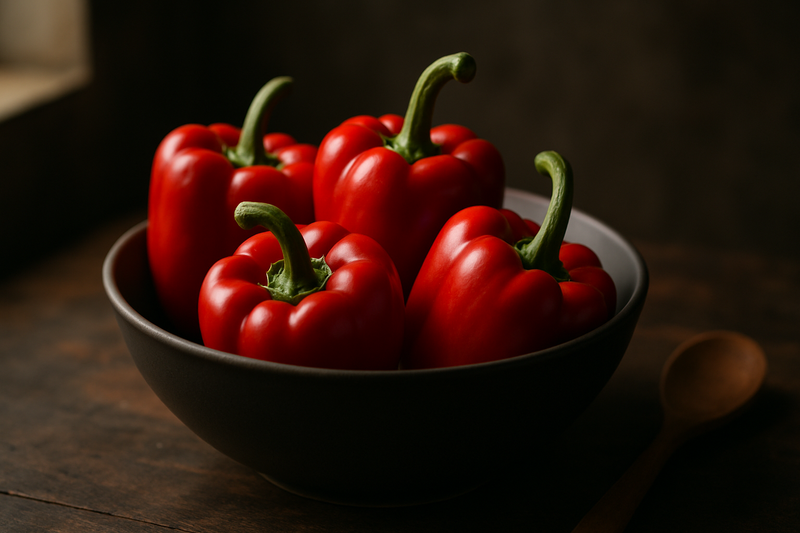
No food or supplement "boosts" immunity on demand, but a consistent pattern of foods rich in vitamin C, zinc, fiber, and plant compounds gives your immune system the raw materials it needs to function normally and supports recovery from everyday illness and physical stress. The strongest evidence points to citrus fruit, bell peppers, cruciferous vegetables, legumes, whole grains, seeds, mushrooms, and fermented plant foods, eaten regularly as part of a varied diet, not any single "immune-boosting" item eaten occasionally.
Key takeaways
- No single food "boosts" immunity; nutrient adequacy across a varied diet supports normal immune function, which is different from enhancing it beyond normal.
- Vitamin C, zinc, and other micronutrients matter most when someone is deficient; in adequately nourished people, extra amounts have limited added benefit.
- Fiber and fermented plant foods are linked to greater gut microbiome diversity, which interacts closely with immune signaling in recent trial data.
- Sleep, moderate regular exercise, and stress management affect immune readiness at least as much as any specific food choice.
- Frequent infections, slow healing, or unexplained fatigue should be evaluated by a clinician rather than addressed with diet changes alone.
How these foods were chosen
This list favors whole plant foods with either a specific, well-documented nutrient role in immune function (vitamin C, zinc, selenium, beta-glucan fiber) or trial evidence tying them to gut microbiome diversity and lower inflammatory markers, both of which interact with immune signaling. It excludes foods marketed as immune boosters without supporting evidence, and it does not include supplement dosing, since the NIH's Office of Dietary Supplements notes that in people who are not deficient, extra micronutrient intake beyond typical dietary amounts has not been shown to meaningfully change infection risk.
The food list, and why each earns its place
- Citrus fruit and bell pepper: both are concentrated food sources of vitamin C, which supports several immune cell functions and is well documented as necessary for normal immune defense, per the NIH's Office of Dietary Supplements.
- Pumpkin seeds and other seeds: a plant source of zinc, a mineral essential for immune cell development and function, with deficiency linked to impaired immunity.
- Garlic and ginger: contain sulfur compounds and other plant chemicals studied for mild anti-inflammatory and antimicrobial properties in laboratory research, though human infection-prevention evidence is more limited than for the nutrients above.
- Mushroom: a food source of selenium and beta-glucans, fibers studied for interactions with innate immune cells; evidence is promising but still developing in humans.
- Oat and barley: contain beta-glucan fiber, a specific fermentable fiber studied for modest effects on immune cell activity, alongside fiber's general benefits.
- Legumes (lentil, chickpea, black bean): fiber and plant protein that support a healthy gut microbiome, which increasingly appears to interact with immune regulation.
- Fermented plant foods (kimchi, sauerkraut): in a 2021 Stanford-led randomized trial, a diet higher in fermented foods increased gut microbial diversity and reduced markers of inflammation over 10 weeks, an encouraging signal for the gut-immune connection, though the study was small and short.
- Green tea: contains polyphenols studied for antioxidant activity; evidence for direct infection prevention in humans is still preliminary.
How to actually use them
Build most meals around a base of vegetables and legumes, include a vitamin C source at least once daily (citrus, bell pepper, or another fruit), and add a serving of seeds or whole grains for zinc and fiber most days. Rotate in a fermented plant food like kimchi or sauerkraut a few times a week rather than treating any single item as a daily supplement. None of this needs to be exact or supplement-precise. Consistency over weeks and months, not a specific food eaten on the day you feel unwell, is what the evidence actually supports.
Why the overall pattern matters more than any single food
Harvard Health's review of immune-system claims is blunt on this point: individual "superfood" items have not been shown to improve immune function on their own, and the idea of instantly "boosting" immunity doesn't hold up scientifically. What is well supported is that overall diet quality, adequate sleep, regular moderate exercise, and stress management together support normal immune readiness. A review of exercise and infection risk found regular moderate activity is associated with a lower rate of upper respiratory infections, while very prolonged, intense exertion can temporarily raise it, a reminder that more is not always better for any single input, food included.
Who should adapt or be cautious
- People with diagnosed nutrient deficiencies, malabsorption conditions, or who are underweight should work with a clinician or dietitian rather than self-directing diet changes, since their needs may exceed what food alone provides.
- People on immunosuppressive medication, going through cancer treatment, or living with autoimmune disease should not treat diet as a substitute for their treatment plan, and should check with their care team before large diet changes, including increased fermented food or high-dose supplement use.
- People with a garlic, allergen, or FODMAP sensitivity, or with IBS, may need smaller portions of some items on this list, such as garlic or certain legumes, to avoid digestive discomfort.
- Older adults and anyone with frequent infections should be evaluated for underlying causes rather than assuming diet is the missing piece.
When to seek care
See a healthcare provider if you have frequent or recurrent infections, wounds that heal slowly, unexplained fatigue that doesn't improve with rest, unexplained fever, or swollen lymph nodes that persist for more than two weeks. These can signal a condition that needs testing and treatment beyond dietary changes, and diet should never delay evaluation of a suspected infection or immune disorder.
Bottom line
No food "boosts" immunity on demand. What's supported by evidence is a consistent pattern: vitamin C- and zinc-rich plant foods, fiber, and some fermented plant foods, alongside adequate sleep and regular moderate activity, that gives the immune system the resources it needs for normal function and may support recovery from everyday illness and physical stress. It's a reasonable, low-risk habit to build, not a treatment for infection or immune disease.
Frequently asked questions
Can any food actually "boost" my immune system?
No single food boosts immunity beyond its normal, healthy range. What research supports is that a consistently nutrient-adequate diet helps the immune system function normally, which is a different claim than boosting it.
Do I need vitamin C or zinc supplements if I eat these foods?
Most people who eat a varied diet with fruit, vegetables, seeds, and legumes meet their needs through food. Supplements matter most for people with a diagnosed deficiency or a limited diet, and should be discussed with a clinician, particularly given zinc's potential for interactions at high doses.
Do fermented foods really help immunity?
Early randomized trial evidence, including a 2021 Stanford-led study, links a higher intake of fermented foods to increased gut microbial diversity and lower inflammatory markers over 10 weeks. It's a promising, low-risk addition for most people, but not a proven immune treatment.
Will these foods help me recover faster from a cold?
There's no strong evidence that any specific food shortens a cold once you're sick. The evidence is stronger for these foods supporting baseline immune readiness over time than for treating an active infection.
Is more always better, like eating extra citrus or garlic during flu season?
No. Nutrient needs plateau once you're adequately nourished, and extra amounts beyond that have not been shown to add benefit. Consistency across the year matters more than a large amount during flu season.
Sources and evidence
- NIH Office of Dietary Supplements, dietary supplements for immune function and infectious diseases, government resource
- NIH Office of Dietary Supplements, immune function consumer fact sheet, government resource
- NIH Office of Dietary Supplements, vitamin C consumer fact sheet, government resource
- NIH Office of Dietary Supplements, zinc consumer fact sheet, government resource
- Review of micronutrients and the immune system
- Stanford Medicine, fermented-food diet increases microbiome diversity and lowers inflammation
- Harvard Health, what can you do to improve your immune system
- Narrative review, exercise and immune response regulation against acute respiratory infections
Know Your Numbers
Eating healthy is a start. Now get to know your biomarkers.
Food changes bloodwork — inflammation, lipids, blood sugar and nutrient status all respond to what you eat. 59 markers from $59.
- Results in 7–10 days at 2,000+ Quest sites
- Licensed provider reviews every result
- One flat price, no membership, HSA/FSA eligible
Educational information only, not medical advice. Panels are ordered and reviewed through our licensed partner; Plantopedia may earn a commission.