Bell Pepper — health benefits and uses
Color, fiber, and everyday plate-building angle
The Short Answer
Bell peppers are exceptionally high in vitamin C, providing 169% of your daily value per cup, and are rich in antioxidants like capsanthin and lutein that support eye and heart health.
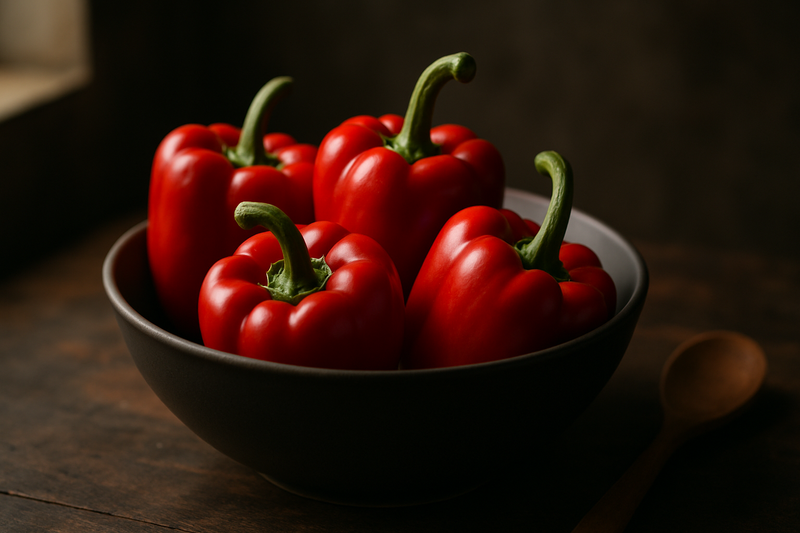
Bell Pepper · Photograph
Bell peppers (Capsicum annuum) are among nature's most nutrient-dense vegetables, packing exceptional vitamin C levels and powerful antioxidants into a low-calorie package. Whether you choose vibrant red, crisp green, sunny yellow, or bright orange varieties, these versatile vegetables offer impressive health benefits backed by solid research.
Key Nutrients
% Daily Value based on 2,000 cal diet
Key active compounds in bell peppers
Bell peppers contain several important bioactive compounds:
- Capsanthin - The red pigment that gives red peppers their color and provides powerful antioxidant protection
- Beta-carotene - Converts to vitamin A in your body, supporting vision and immune function
- Lutein - Especially abundant in green peppers, protects eye health and may prevent macular degeneration
- Quercetin and luteolin - Flavonoid antioxidants with anti-inflammatory properties
- Phenolic acids - More concentrated in green varieties, may support cognitive health
- Violaxanthin - Contributes to yellow and orange coloration while providing antioxidant benefits
- Lycopene - Found primarily in red peppers, linked to heart health support
Common pairings that boost benefits
Bell peppers + iron-rich foods: The high vitamin C content significantly enhances absorption of plant-based iron. Try bell peppers with spinach, lentils, or quinoa to maximize iron uptake and support healthy blood levels.
Bell peppers + healthy fats: Pairing with olive oil, avocado, or nuts helps your body absorb the fat-soluble carotenoids like beta-carotene. A simple sautéed pepper and olive oil combination optimizes nutrient absorption.
Bell peppers + tomatoes: This classic combination provides complementary antioxidants - lycopene from tomatoes pairs beautifully with the capsanthin and vitamin C from bell peppers for enhanced cardiovascular protection.
Bottom line
Bell peppers offer exceptional nutritional value with proven health benefits, particularly for immune support, heart health, and antioxidant protection. Their safety profile is excellent, making them suitable for daily consumption by most people. Red varieties provide the highest antioxidant density, while green peppers offer unique compounds for eye health.
The combination of high nutrition and low calories makes bell peppers an ideal food for supporting overall wellness. Whether eaten raw for maximum vitamin C or cooked to enhance carotenoid absorption, bell peppers deserve a regular place in a healthy diet.
Ready to optimize your nutrition? Try our meal planner to discover personalized ways to incorporate bell peppers and other nutrient-dense foods into your daily routine.
How Bell Pepper Compares
| Compared with | What's different |
|---|---|
| Bell Pepper vs. Jalapeño Pepper | Contains capsaicin for spicy heat; bell peppers are sweet and contain zero capsaicin. |
| Bell Pepper vs. Green Bell Pepper | Botanically identical, but harvested earlier with a more bitter, grassy flavor and less vitamin C. |
| Bell Pepper vs. Sweet Italian Pepper | Sweeter, longer, and more pointed with thinner walls and fewer seeds than a standard bell pepper. |
Health Benefits
Things to Know
Generally safe: Bell peppers are among the safest vegetables with no known serious adverse effects at normal consumption levels.
Potential sensitivities: Some people with oral allergy syndrome may experience mild reactions to raw bell peppers. Those with nightshade sensitivities occasionally report issues, though this isn't clinically established.
Medication interactions: No significant interactions are documented. The modest vitamin K content is unlikely to affect blood-thinning medications at typical consumption levels.
Pregnancy and breastfeeding: Bell peppers are safe and beneficial during pregnancy and breastfeeding, providing important nutrients like folate and vitamin C.
Start gradually: While generally well-tolerated, if you're not used to eating many vegetables, start with smaller portions to allow your digestive system to adjust.
Shop This Ingredient
Stock your pantry with quality bell pepper.
Buy on AmazonAs an Amazon Associate, Plantopedia earns from qualifying purchases. This costs you nothing extra and helps us keep the encyclopedia free.
Frequently Asked Questions
Heart and circulation support Bell peppers, especially red varieties, contain a powerful combination of antioxidants that may help protect cardiovascular health. The high levels of vitamin C, beta-carotene, and flavonoids like quercetin work together to neutralize free radicals that can damage blood vessels and contribute to heart disease. Research suggests that the carotenoids in bell peppers - including beta-carotene, alpha-carotene, lutein, and zeaxanthin - can help reduce cardiovascular oxidative stress. Regular consumption of antioxidant-rich vegetables like bell peppers, as part of a healthy diet, is associated with reduced risk of heart disease in population studies. Immune system and infection defense One medium red bell pepper provides nearly 170% of your daily vitamin C needs, making it one of the most potent immune-supporting foods available. Vitamin C enhances white blood cell production and function, helping your body defend against infections more effectively. The high vitamin A content (from beta-carotene) provides additional immune support. Vitamin A is essential for maintaining the integrity of mucous membranes - your body's first line of defense against pathogens. Together, these nutrients may help reduce the severity and duration of common illnesses. Blood sugar and metabolism Bell peppers are naturally low in calories and carbohydrates while providing fiber that can help slow sugar absorption. The combination of low glycemic impact and high nutrient density makes them an excellent choice for supporting healthy blood sugar levels. The B-vitamins in bell peppers, particularly B6, play important roles in energy metabolism and can help your body efficiently process carbohydrates, proteins, and fats. Inflammation and recovery The diverse antioxidant compounds in bell peppers work together to help combat inflammation throughout the body. Capsaicinoids (though minimal in bell peppers compared to hot peppers), carotenoids, and vitamin C all contribute anti-inflammatory effects. This may be particularly beneficial for people dealing with chronic inflammatory conditions, though more research is needed to establish specific therapeutic effects. Digestive health and microbiome The fiber content in bell peppers, while modest at 2.1g per 100g, contributes to digestive health and can support beneficial gut bacteria. The high water content also aids digestion and helps maintain proper hydration. Bell peppers are generally well-tolerated and unlikely to cause digestive upset, making them suitable for most people, including those with sensitive stomachs.
Active individuals and athletes: The high vitamin C content supports collagen synthesis for joint health and wound healing, while potassium helps with muscle function and recovery. The low-calorie, high-nutrient profile makes bell peppers ideal for fueling workouts without excess calories. People focused on heart health: Those managing blood pressure, cholesterol, or overall cardiovascular risk can benefit from the antioxidant compounds that help protect blood vessels. The potassium content also supports healthy blood pressure levels.
Raw bell peppers preserve maximum vitamin C content since this nutrient is heat-sensitive. Raw peppers work well in salads, as snacks with hummus, or in cold preparations. Lightly cooked peppers increase the bioavailability of carotenoids like beta-carotene and lycopene. Roasting, sautéing, or grilling can actually make these antioxidants more absorbable while maintaining most other nutrients. Frozen bell peppers retain most of their nutritional value and can be convenient for cooking. They're typically blanched before freezing, which may reduce vitamin C content slightly but preserves other nutrients well. The key is variety - incorporating both raw and cooked bell peppers into your diet gives you the full spectrum of nutritional benefits.
Typical serving sizes: Most nutrition research uses servings of 100-150g (about 1 medium pepper or 1 cup chopped). This amount provides substantial vitamin C and antioxidant benefits. Daily recommendations: There's no specific daily requirement, but including 1-2 servings of bell peppers several times per week can contribute meaningfully to your overall vegetable intake and antioxidant status. Start conservatively: If you're new to eating many vegetables, begin with smaller portions (1/2 cup chopped) and gradually increase as your digestive system adapts. Listen to your body: Most people can enjoy bell peppers daily without issues. Pay attention to how you feel and adjust portions accordingly.
Quick Answers
Common questions, answered in a line.
Red bell peppers are generally the most nutrient-dense variety because they contain the highest concentration of antioxidants. They are specifically rich in capsanthin and lycopene, which support heart health and provide powerful cellular protection.
Bell peppers are an excellent source of vitamin C, which significantly improves your body's ability to absorb plant-based (non-heme) iron. To maximize this benefit, the article suggests pairing them with iron-rich foods like spinach, lentils, or quinoa.
Green bell peppers are particularly beneficial for eye health because they contain high levels of lutein. This specific antioxidant is known to help protect the eyes and may prevent age-related macular degeneration.
You can increase the absorption of bell pepper nutrients by pairing them with healthy fats like olive oil, avocado, or nuts. These fats help your body process fat-soluble carotenoids, such as beta-carotene, more effectively.
Yes, bell peppers are considered safe and highly beneficial to eat during pregnancy and breastfeeding. They provide essential nutrients for maternal and fetal health, including folate and high levels of vitamin C.
Bell peppers contain flavonoid antioxidants like quercetin and luteolin, which possess natural anti-inflammatory properties. These compounds, along with phenolic acids, help protect the body from inflammation and support cognitive health.
Bell peppers are generally very safe, though people with oral allergy syndrome might experience mild reactions to raw varieties. While not clinically established, some individuals with nightshade sensitivities also report occasional issues.
For Readers in the USA
Local context — sourcing, seasonality, and regional notes.
Domestic bell peppers are primarily grown in Florida and California, with peak harvest times occurring from late spring through early fall across the southern United States. While they are available year-round due to greenhouse production, you will find the freshest, most affordable crops at U.S. markets between June and October.
Most U.S. grocery chains like Kroger, Publix, and Safeway offer conventional and USDA Organic bell peppers, which are regulated to ensure they are grown without synthetic pesticides. Look for the circular green and white USDA Organic seal if you want to avoid produce treated with synthetic fertilizers or prohibited substances.
In the U.S., bell peppers are a staple in Tex-Mex cuisine (fajitas), Southern "holy trinity" cooking (gumbo), and classic American stuffed peppers. They are also commonly found at backyard barbecues in the summer, sliced for dipping into Ranch dressing or grilled on skewers.
AI Clinical Review
- Bell peppers are low in calories and water-rich, yet high in vitamin C and carotenoids (plant pigments with antioxidant activity), especially in red varieties. • Mixing raw and cooked preparations is smart: heat can reduce vitamin C but can increase absorption of carotenoids; pairing with healthy fats helps uptake of these fat‑soluble compounds. • The nutrient profile (vitamin C, vitamin A precursors, potassium, fiber) aligns with general support for immune function, eye health, and heart‑healthy eating patterns. • Using bell peppers with iron‑rich plant foods can enhance non‑heme iron absorption due to their vitamin C content.
- Most health claims (heart protection, infection defense, anti‑inflammatory effects) are based on overall dietary patterns or nutrient mechanisms; pepper‑specific randomized trials showing clinical outcomes are limited. • Benefits for blood sugar control are plausible given fiber and low glycemic impact, but direct evidence that bell peppers alone improve A1c or insulin sensitivity is scarce. • Compounds like capsanthin, lutein, and quercetin are present, but human studies using typical dietary amounts of bell peppers to prevent disease are limited; much evidence comes from broader fruit/vegetable intake or lab studies.
- Nutrient levels vary by color, ripeness, storage, and cooking method. Raw peppers retain more vitamin C; gentle cooking can boost carotenoid bioavailability—include both forms. • Typical helpful portions are about 1 medium pepper (≈1 cup chopped). Peppers can count toward the general goal of at least 2½ cups of vegetables per day rather than needing daily pepper intake specifically. • Digestive sensitivity: some people with GERD or IBS may notice symptoms; green peppers can be higher in sorbitol (a FODMAP) than red, and cooked forms are often better tolerated. • Allergies are uncommon but oral‑allergy syndrome can occur (mouth itching) in those with certain pollen or latex sensitivities—seek care if reactions appear. • Potassium per serving is moderate; people with advanced kidney disease on potassium‑restricted diets should track total intake with their clinician.
Frame as food education, not disease treatment.
References
- USDA FoodData Central bell pepper nutrition data (fdc.nal.usda.gov)
- University of Minnesota Extension bell pepper nutrition guide (reallifegoodfood.umn.edu)
- Healthline bell peppers nutrition and health benefits review (healthline.com)
- PMC study on bioactive compounds in bell peppers (pmc.ncbi.nlm.nih.gov)
- WebMD red pepper health benefits overview (webmd.com)
- Dr. Axe bell pepper nutrition analysis (draxe.com)
- APRIFEL green pepper nutritional facts (aprifel.com)
- Consensus health review on bell pepper benefits (topics.consensus.app)
Know Your Numbers
Eating healthy is a start. Now get to know your biomarkers.
Food changes bloodwork — inflammation, lipids, blood sugar and nutrient status all respond to what you eat. 59 markers from $59.
- Results in 7–10 days at 2,000+ Quest sites
- Licensed provider reviews every result
- One flat price, no membership, HSA/FSA eligible
Educational information only, not medical advice. Panels are ordered and reviewed through our licensed partner; Plantopedia may earn a commission.