Foods That May Worsen Bloating
Bloating has less to do with any single "bad" food and more to do with how much fermentable carbohydrate reaches your gut at once, how sensitive your gut is to stretching, and how quickly gas clears. The foods most consistently linked to bloating are beans and lentils, cruciferous vegetables...
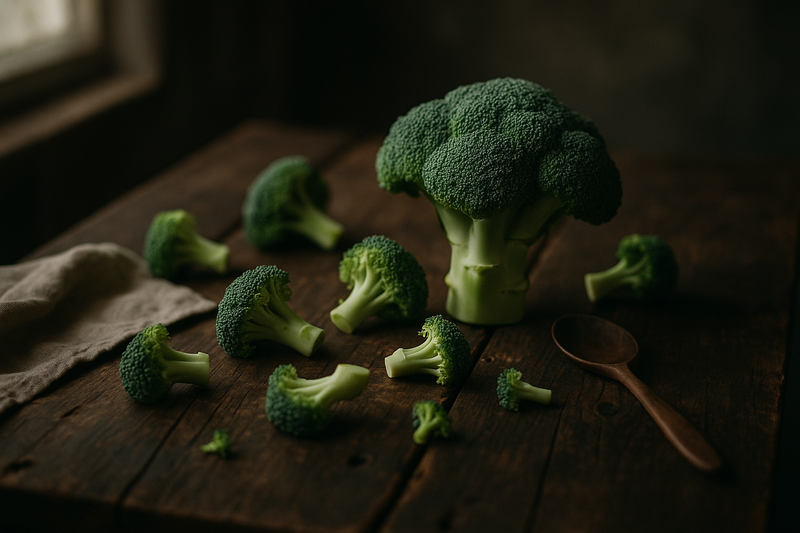
Bloating has less to do with any single "bad" food and more to do with how much fermentable carbohydrate reaches your gut at once, how sensitive your gut is to stretching, and how quickly gas clears. The foods most consistently linked to bloating are beans and lentils, cruciferous vegetables like broccoli and cabbage, onion and garlic, wheat-based foods, dairy in people who don't digest lactose well, carbonated drinks, sugar alcohols, and a few high-fructose fruits such as apple. For most people the answer is portion size, cooking method, and pacing, not permanent removal, since these same foods carry fiber and nutrients the gut relies on over the long run.
Key takeaways
- Bloating triggers are individual. A food that distends one person's stomach may not bother the next person at all.
- Most "gassy" foods share one trait, fermentable carbohydrates known as FODMAPs, rather than being inherently unhealthy foods.
- Cooking, soaking, and smaller portions often calm reactions to beans, cruciferous vegetables, and alliums without cutting them out completely.
- Removing whole food groups on your own can backfire, since fiber and variety in plant foods support the gut bacteria tied to long-term digestive health.
- Bloating paired with weight loss, blood in stool, fever, or pain that wakes you at night is a reason to see a clinician, not just a diet cue.
Why bloating triggers vary so much
Two people can eat the same bowl of lentils and have very different afternoons. Part of that is gut microbiome composition: everyone hosts a different mix of bacteria, and some strains produce more gas than others when fermenting the same carbohydrate. Part of it is visceral sensitivity, meaning how strongly gut nerves register normal amounts of gas or stretch. According to the National Institute of Diabetes and Digestive and Kidney Diseases (NIDDK), people with irritable bowel syndrome can feel pain from a completely normal amount of gas or stool, while someone without IBS processes the same volume without noticing. Transit time, hydration, hormonal cycle, stress, and how much air you swallow while eating all shift the picture too. A rigid "avoid this list" rarely works as well as tracking your own pattern, ideally with a food-and-symptom log kept over two or three weeks that notes portion size and food combinations, not just what you ate.
Foods most often linked to bloating, and why
Beans, lentils, and other legumes. Lentils, black beans, and split peas contain oligosaccharides, complex sugars the small intestine can't fully break down. They reach the colon intact, where bacteria ferment them and release gas. Cruciferous vegetables. Broccoli, cabbage, Brussels sprouts, and cauliflower contain raffinose and other complex fibers that ferment readily, part of why they're nutrient-dense but also gas-producing for many people. Onions and garlic. Onion and garlic are rich in fructans, a soluble fiber that feeds gut bacteria. Fructans are a well-documented bloating trigger, especially raw and in large amounts. Wheat, rye, and barley. These grains combine fructans with insoluble fiber, and for people with celiac disease or non-celiac gluten sensitivity, the gluten protein adds a separate layer of digestive disruption. Dairy. Many adults lose much of their ability to digest lactose, the sugar in milk, over time. Undigested lactose draws water into the intestine and ferments, producing gas and cramping. Carbonated drinks and beer. These add gas directly to the stomach with nowhere immediate to go, causing mechanical distension rather than a fermentation reaction. Sugar alcohols and some fruits. Sorbitol and xylitol in sugar-free gum and candy, and the natural sorbitol and excess fructose in apple and pear, are poorly absorbed and pull water into the gut. Fatty and fried foods. These slow stomach emptying, which can extend the feeling of fullness and bloating well after a meal, even without a fermentation component.
Dose, timing, and preparation change the outcome
The same food often behaves differently depending on how it's handled. Soaking dried beans and lentils overnight, discarding the soak water, and rinsing before cooking reduces some oligosaccharide content. Cooking cruciferous vegetables (steaming, roasting) breaks down fiber structures compared with a big raw salad. Cooking onion and garlic, or using garlic-infused oil, lowers the fructan load reaching your gut, since fructans don't dissolve into oil. Spacing high-FODMAP foods across a day, instead of stacking several into one meal such as bean chili on wheat bread with apple for dessert, reduces the total fermentable load hitting the colon at once. Eating slowly and chewing thoroughly cuts down on swallowed air, an overlooked bloating contributor. If your current diet is low in fiber, adding these foods back gradually over several weeks, rather than all at once, gives gut bacteria time to adjust.
Smarter substitutions if a food keeps bothering you
If raw onion or garlic is a reliable trigger, garlic-infused oil, chives, or the green tops of scallions carry flavor with less fructan. If a full portion of beans or lentils causes trouble, a smaller serving of rinsed canned beans, or firm tofu and tempeh, which undergo processing that lowers FODMAP content, can fill the same role. If raw cabbage or broccoli is the issue, cooking them or swapping in spinach, zucchini, or carrots for that meal keeps vegetable volume up without the same fermentation load. Sourdough wheat bread, where fermentation during baking lowers fructan content, is often better tolerated than standard yeasted bread. In place of soda or beer, still water or herbal tea removes the carbonation trigger entirely. Ripe banana, citrus, or berries are gentler than apple or pear for people who react to fructose and sorbitol.
What not to remove automatically
It's tempting to cut every food above at once, but that's rarely the right move. The low-FODMAP approach these foods are grouped under was designed by researchers at Monash University as a short, structured elimination, typically two to six weeks, followed by a careful, one-at-a-time reintroduction to identify actual triggers, not a permanent restriction. Legumes, cruciferous vegetables, and whole grains are also some of the most fiber-dense, nutrient-dense foods available, and long-term fiber intake is tied to better digestive and metabolic health. Cutting them out indefinitely, without reintroducing them, risks trading a bloating problem for a nutrition gap, and can make future digestion of these foods harder, not easier. If bloating is frequent enough that you're considering cutting several food groups, that's a good reason to work with a registered dietitian or gastroenterologist rather than run an open-ended elimination alone.
When to seek care
Occasional bloating after a big meal or a bean-heavy dinner is common and usually not a sign of anything serious. But certain patterns point to something beyond food and deserve medical evaluation rather than another diet change. See a doctor if bloating comes with blood in the stool or black, tarry stools, unintentional weight loss, bloating that persists most days for more than two to three weeks or keeps getting worse, severe or worsening abdominal pain, fever, persistent vomiting, difficulty swallowing, a new and lasting change in bowel habits, or bloating that wakes you from sleep. Bloating can have many possible causes, from simple dietary triggers to conditions that need treatment, so this list is not a way to self-diagnose. New, persistent bloating in a postmenopausal woman, especially alongside pelvic pressure, early fullness, or urinary changes, should be evaluated promptly, since these can occasionally be early signs of ovarian cancer and are easy to mistake for routine digestive bloating.
Bottom line
Most bloating comes from fermentable carbohydrates in otherwise healthy foods reacting with an individual gut. Beans, cruciferous vegetables, alliums, wheat, dairy, carbonated drinks, sugar alcohols, and a few fruits are the most common triggers, and preparation, portion size, and pacing usually matter more than avoidance. Don't strip these foods out long-term without reintroducing them, and treat persistent, worsening, or alarm-flagged bloating as a reason to see a clinician rather than a reason to keep tweaking your diet alone.
Frequently asked questions
Do I have to avoid all high-FODMAP foods to stop bloating?
No. Most people only react to a handful of these foods, often at certain portion sizes. A structured elimination and reintroduction, ideally guided by a dietitian, identifies your actual triggers instead of cutting everything at once.
Why does the same food bloat me some days and not others?
Stress, sleep, hydration, hormonal cycle, how fast you ate, and what else was in the meal all affect how your gut handles the same food from one day to the next. Bloating is rarely about one variable in isolation.
Is bloating after eating always a food intolerance?
Not necessarily. It can also come from swallowed air, eating too quickly, constipation, a change in gut motility, or an underlying digestive condition. A pattern that repeats with a specific food is a stronger clue than a single episode.
Can probiotics help with bloating from these foods?
Evidence is mixed and strain-specific. Some people notice less bloating with certain probiotic strains, but results vary and research hasn't identified one strain that reliably helps everyone. It's reasonable to try one for several weeks and track symptoms rather than assume it will work.
How long should I avoid a suspected trigger food before deciding it's the cause?
A common approach is removing it for two to three weeks, then reintroducing it alone to see if symptoms return. Removing several foods at once makes it hard to tell which one was actually responsible.
Is bloating a sign of something serious?
Usually not. Most bloating is diet- or motility-related and resolves with small changes. It becomes a reason for evaluation when it's persistent, worsening, or paired with red-flag symptoms such as weight loss, bleeding, or pain that disrupts sleep.
Sources and evidence
- Cleveland Clinic, 15 Foods That Cause Bloating
- Mayo Clinic, Belching, gas and bloating: Tips for reducing them
- Mayo Clinic, Gas and gas pains: Symptoms and causes
- NIDDK, Symptoms and Causes of Gas in the Digestive Tract
- NIDDK, Definition and Facts for Gas in the Digestive Tract
- NIDDK, Symptoms and Causes of Irritable Bowel Syndrome
- Monash University, About FODMAPs and IBS
Know Your Numbers
Eating healthy is a start. Now get to know your biomarkers.
Food changes bloodwork — inflammation, lipids, blood sugar and nutrient status all respond to what you eat. 59 markers from $59.
- Results in 7–10 days at 2,000+ Quest sites
- Licensed provider reviews every result
- One flat price, no membership, HSA/FSA eligible
Educational information only, not medical advice. Panels are ordered and reviewed through our licensed partner; Plantopedia may earn a commission.