Unlock the full science of apple nutrition with our comprehensive guide. From the gut-healing pectin that fuels the microbiome to the heart-
Fiber + phytonutrients; use as a whole-food sweet, snack, or smoothie base
The Short Answer
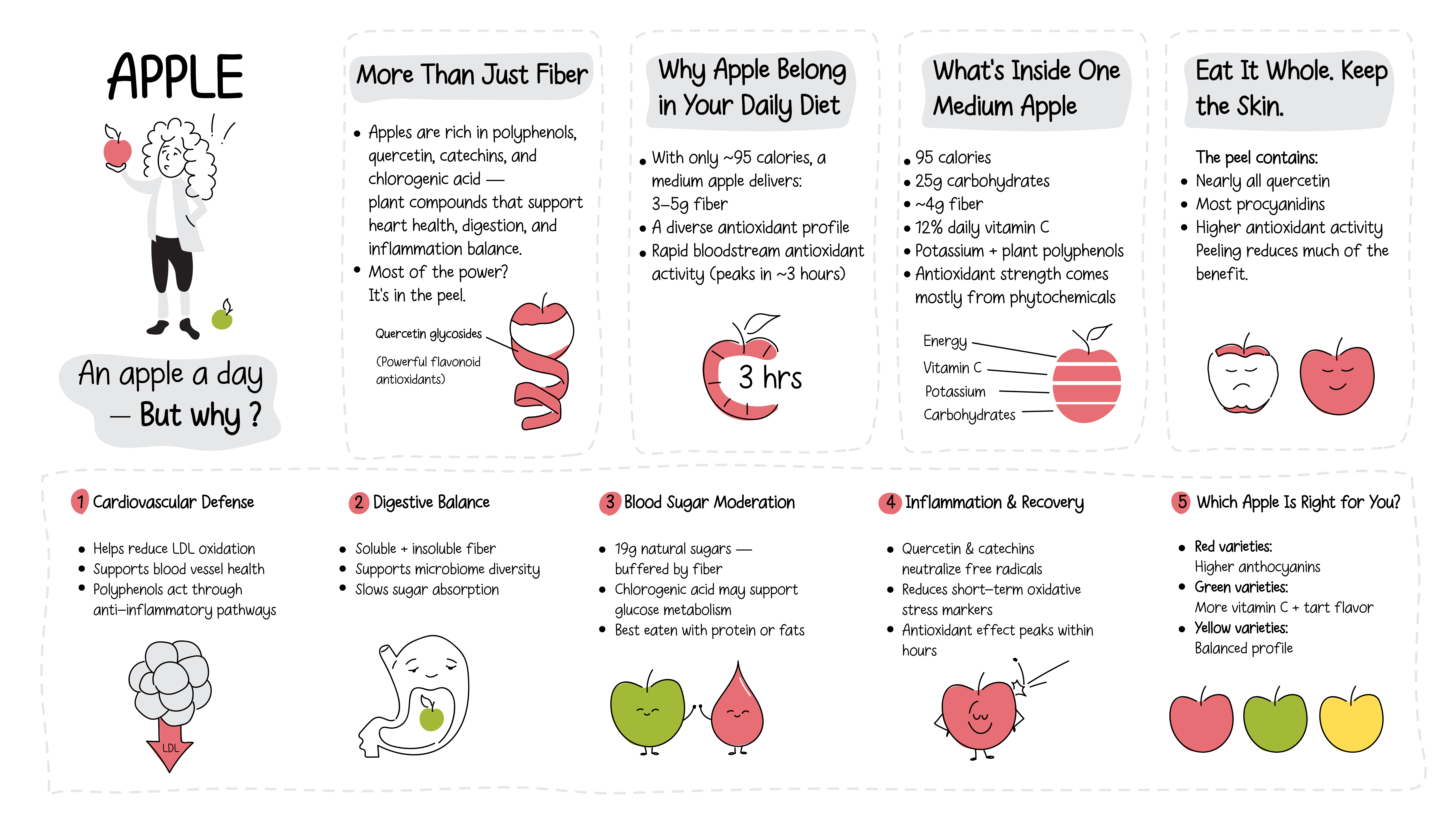
Apples are a high-fiber fruit providing 4.4 grams of fiber and 95 calories per medium serving. They are uniquely rich in free phenolics, which are highly bioavailable antioxidants that provide cellular protection.
Apple · Photograph
Apples matter for wellness because they are among the most bioavailable sources of free phenolics, which provide immediate antioxidant protection against cellular oxidative stress. Apples rank as the second-highest fruit for total antioxidant activity among commonly consumed fruits in the United States. What makes apples valuable is their high proportion of free phenolics—antioxidant compounds that aren't bound to other molecules, making them more readily available for your body to absorb and use.
Key Nutrients
% Daily Value based on 2,000 cal diet
Why Apple Health Benefits Matter for Your Wellness
Apples matter for wellness because they are among the most bioavailable sources of free phenolics, which provide immediate antioxidant protection against cellular oxidative stress. Apples rank as the second-highest fruit for total antioxidant activity among commonly consumed fruits in the United States. What makes apples valuable is their high proportion of free phenolics—antioxidant compounds that aren't bound to other molecules, making them more readily available for your body to absorb and use.
A single medium apple provides about 95 calories along with a diverse array of polyphenolic compounds. The fruit's health benefits extend far beyond basic nutrition, with research showing peak antioxidant activity in your bloodstream within just 3 hours of consumption.
Key Active Compounds in Apples
The health-promoting properties of apples are driven by a specific set of flavonoids and phenolic acids that work synergistically to protect cardiovascular and neurological systems.
- Quercetin glycosides (13.2 mg per 100g): Powerful flavonoid antioxidants found almost exclusively in the apple peel.
- Catechin and epicatechin (8.65 mg per 100g): Heart-protective compounds that help prevent LDL cholesterol oxidation.
- Procyanidins (9.35 mg per 100g): Polymer chains that support cardiovascular and digestive health by protecting the gut lining.
- Chlorogenic acid (9.02 mg per 100g): An anti-inflammatory phenolic acid concentrated in the apple flesh.
- Phloridzin (5.59 mg per 100g): A unique dihydrochalcone found predominantly in apples that may assist in glucose transport.
- Anthocyanins: Red-purple pigments with potent antioxidant properties, found in significantly higher concentrations in red-skinned varieties.
Buying Guide: Choosing the Right Apples
To maximize nutritional intake, consumers should choose firm, deeply colored varieties, as skin pigment is often a direct indicator of antioxidant density.
- Red Apples (Gala, Fuji, Red Delicious): These are the leaders in anthocyanins and beta-carotene.
- Green Apples (Granny Smith): These generally offer higher levels of vitamin C, fiber, and specific proanthocyanidins.
- Yellow Apples (Golden Delicious): Provide a balanced profile between the red and green types.
- Storage Tip: Store in the refrigerator crisper drawer. Apples can last up to 6 weeks in cold storage, though their antioxidant levels are highest when consumed fresh.
Common Pairings That Enhance Apple Benefits
Strategic pairings with healthy fats and spices can improve the absorption of apple antioxidants and further stabilize blood sugar.
- Apples + Almonds/Walnuts: The fats in nuts help the body absorb fat-soluble compounds while adding protein for satiety.
- Apples + Cinnamon: Cinnamon compounds can improve insulin sensitivity, working in tandem with apple fiber to manage glucose.
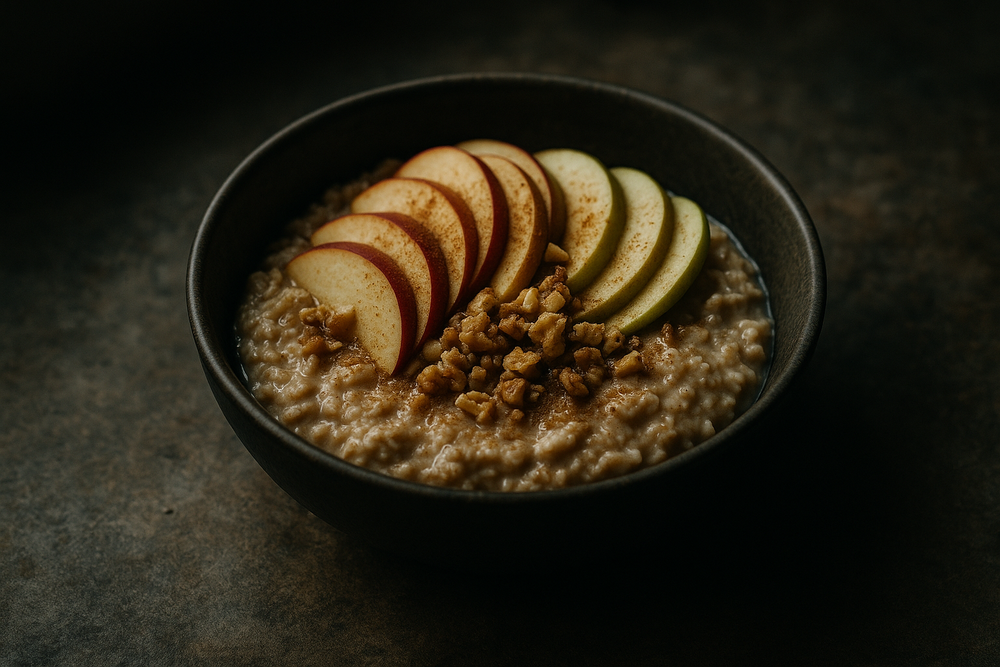
- Apples + Oats: This creates a dual-fiber powerhouse (pectin and beta-glucan) that is exceptionally effective for heart health and digestion.
Conclusion
The apple is a premier functional food that offers a unique combination of fiber, high-potency antioxidants, and cardiovascular protection. Its "free phenolics" provide an immediate boost to the body's defense systems, while its prebiotic fibers offer long-term support for gut health and metabolic stability. Ultimately, the science confirms that the apple is more than a simple snack—it is a sophisticated antioxidant powerhouse.
By consistently incorporating whole apples, especially the skins, into your daily routine, you are taking a measurable step toward reducing systemic inflammation and supporting lifelong heart and digestive wellness. Ready to make apples part of your personalized nutrition plan? Our meal planner can help you incorporate this antioxidant-rich fruit into balanced, delicious meals tailored to your health goals.
How Apple Compares
| Compared with | What's different |
|---|---|
| Apple vs. Pear | Pears have a softer, grittier texture and generally contain more soluble fiber than apples. |
| Apple vs. Quince | Quinces are too astringent to eat raw and require cooking, unlike the crisp, sweet-tart apple. |
Health Benefits
Things to Know
Blood Sugar Considerations: While low-GI, apples still contain carbohydrates; those with diabetes should monitor portions.
Digestive Sensitivity: Apples are high in FODMAPs (specifically fructose and sorbitol). This can cause bloating or gas in individuals with Irritable Bowel Syndrome (IBS).
Medication Interactions: Large amounts of apple juice can interfere with the absorption of certain medications (like fexofenadine). Whole apples are generally safe.
Allergies: Some people with birch-pollen allergies experience "Oral Allergy Syndrome," causing an itchy mouth when eating raw apples.
Children: Supervise young children to prevent choking; thinly slice apples.
Common Uses
- —Eaten whole with the skin intact to provide maximum fiber and heart-protective flavonoids.
- —Sliced or chopped as a crunchy addition to morning oatmeal, salads, or yogurt.
- —Included in smoothies to provide quick-absorbing antioxidants that neutralize exercise-induced oxidative stress.
- —Used in muffins or breads to add natural sweetness and fiber while increasing the bioaccessibility of quercetin.
- —Stewed or cooked apples are used as a gentle source of fiber for individuals with sensitive stomachs or IBS.
- —Combined with almond butter or walnuts to improve the absorption of fat-soluble polyphenols and Vitamin K.
- —Consumed as a low-GI snack between meals to prevent insulin spikes and maintain metabolic stability.
Active Compounds
Powerful flavonoid antioxidants found almost exclusively in the apple peel.
Heart-protective compounds that help prevent LDL cholesterol oxidation.
Polymer chains that support cardiovascular and digestive health by protecting the gut lining.
An anti-inflammatory phenolic acid concentrated in the apple flesh.
A unique dihydrochalcone found predominantly in apples that may assist in glucose transport.
Red-purple pigments with potent antioxidant properties, found in significantly higher concentrations in red-skinned varieties.
Best Forms
Provides 100% of the fiber and approximately 83% of the fruit's total antioxidant activity. Nearly all quercetin is found exclusively in the peel.
Retains some chlorogenic acid in the flesh but loses the majority of heart-protective flavonoids and significant fiber content.
Generally discouraged for health goals. It eliminates fiber, increases the glycemic load, and significantly reduces the availability of phytochemicals.
While cooking can reduce Vitamin C, it may actually increase the bioaccessibility of certain antioxidants like quercetin by breaking down cell walls.
Glossary
Shop This Ingredient
Stock your pantry with quality apple.
Buy on AmazonAs an Amazon Associate, Plantopedia earns from qualifying purchases. This costs you nothing extra and helps us keep the encyclopedia free.
Frequently Asked Questions
Both offer excellent nutrition with slight differences in their chemical makeup. Red apples contain higher concentrations of anthocyanins and beta-carotene (essential for eye and skin health). In contrast, green apples like Granny Smith are generally higher in vitamin C and specific gut-supporting fibers. Choosing a variety of colors ensures a broader spectrum of polyphenols.
Apple seeds contain amygdalin, which releases cyanide when crushed and digested. However, the amount is so small that a healthy adult would need to chew and swallow hundreds of seeds to reach toxic levels. While accidentally swallowing a few seeds is harmless, it is best practice to discard the core and seeds.
Cooking reduces the heat-sensitive vitamin, Vitamin C, but it enhances the availability of certain phytochemicals. Baking or stewing apples softens the cell walls, making antioxidants like quercetin more readily available for absorption. Cooked apples are also often easier to digest for those with sensitive stomachs or IBS.
Yes, apples are an excellent choice for a diabetic meal plan due to their low glycemic index and high fiber content. The fiber slows the absorption of natural sugars, preventing rapid glucose spikes. For the best results, people with diabetes should eat the apple with its skin and pair it with a protein source.
Stomach upset is caused by the fermentation of fructose and sorbitol (FODMAPs) in the large intestine. People with IBS or fructose malabsorption may experience bloating and gas. If this occurs, try eating smaller portions, opting for cooked apples, or consuming them slowly as part of a larger meal.
Quick Answers
Common questions, answered in a line.
Apples are one of the most bioavailable sources of free phenolics, which are antioxidant compounds that aren't bound to other molecules. This makes them more readily available for your body to absorb and use for immediate protection against cellular oxidative stress.
Apple health benefits are driven by a specific set of flavonoids and phenolic acids, including quercetin glycosides, catechins, procyanidins, chlorogenic acid, and phloridzin. These compounds work together synergistically to protect the cardiovascular and neurological systems.
Consuming apples with healthy fats, like those found in almonds or walnuts, helps the body absorb fat-soluble polyphenols and vitamin K. You can also pair them with cinnamon to improve insulin sensitivity or oats to create a dual-fiber powerhouse for heart health.
Yes, apple skins contain powerful quercetin glycosides and anthocyanins that are found almost exclusively in the peel. Consuming the skin intact provides the maximum amount of fiber and heart-protective flavonoids compared to eating the flesh alone.
Research shows that antioxidant activity in your bloodstream typically peaks within just three hours of eating a whole apple. This provides an immediate boost to your body's defense systems against systemic inflammation and oxidative stress.
Large amounts of apple juice can interfere with the absorption of certain medications, such as fexofenadine. While whole apples are generally considered safe, you should consult the article's health considerations regarding specific interactions.
Green apples, such as Granny Smith, generally offer higher levels of vitamin C and fiber compared to other varieties. They also contain specific proanthocyanidins that differ from the anthocyanin-rich red varieties.
For Readers in the USA
Local context — sourcing, seasonality, and regional notes.
Washington State is the leading producer of apples in the U.S., followed by New York and Michigan, which together provide the majority of the nation's crop. These regions offer the specific temperate climates and soil conditions necessary for the highest quality harvests.
While apples are available year-round in U.S. grocery stores due to cold storage, peak harvest season traditionally runs from August through November. Buying during these months at local farmers markets often ensures the highest concentration of fresh antioxidants.
In the U.S., the Honeycrisp and Gala have surpassed the Red Delicious as the most popular varieties found in major retailers like Kroger, Walmart, and Whole Foods. Many Americans also seek out regional heirloom varieties at local orchards for unique flavor profiles.
The USDA Organic seal ensures that apples are grown without synthetic pesticides, which is a common concern as apples often appear on "Dirty Dozen" lists for pesticide residue. The FDA also provides guidelines for thoroughly washing both conventional and organic produce.
AI Clinical Review
- Phenolic Bioavailability: Correctly identifies that apples are superior sources of "free phenolics," which are more readily absorbed than bound phenolics found in other grains or fruits.
- Antioxidant-Vitamin Parity: Accurately notes that while apples are low in absolute Vitamin C, their phytochemical matrix provides a massive antioxidant equivalent (1,500 mg per 100g).
- Peel Significance: Properly emphasizes the clinical importance of the peel, which houses the vast majority of quercetin and fiber.
- Cardiovascular Mechanism: Effectively explains the role of procyanidins in inhibiting LDL oxidation, a well-documented mechanism in atherosclerosis prevention.
- Prebiotic Function: Correctly links apple pectin and non-extractable proanthocyanidins to the growth of beneficial gut flora like Lactobacillus.
- Lung Health Specifics: While quercetin is linked to respiratory wellness, the specific long-term impact of apples on chronic obstructive pulmonary disease (COPD) or asthma requires more targeted human trials.
- Neurological Protection: The role of apple polyphenols in stimulating BDNF or preventing neurodegeneration is promising in animal models but lacks extensive long-term longitudinal data in humans.
- Phloridzin and Diabetes: The potential for phloridzin to interfere with glucose transport is a major area of pharmaceutical interest, but the food-dose effect in apples remains modest compared to clinical treatments.
- Variety Efficacy: While pigment often indicates antioxidant density, clinical data comparing the therapeutic outcomes of eating one specific variety (e.g., Gala vs. Granny Smith) over another is limited.
- Skin-Only Nutrients: Peeling an apple removes nearly 100% of the quercetin; patients seeking anti-inflammatory or lung benefits should be advised to eat the skin.
- FODMAP Content: Apples are high in fructose and sorbitol. Individuals with IBS may experience significant gas or bloating and should limit portion sizes or choose cooked versions.
- Pesticide Residue: Apples consistently appear on the "Dirty Dozen" list; whenever possible, organic varieties are recommended to avoid pesticide-linked inflammation.
- Dental Health: The natural acids and sugars in apples can affect tooth enamel if consumed frequently throughout the day; rinsing with water after eating is a helpful tip.
- Juice Limitations: Clinical benefits are largely lost in juice form due to the lack of fiber and the increased glycemic load; whole fruit is always the preferred clinical recommendation.
Frame as food education, not disease treatment.
References
- Journal of Food Chemistry - Apple phytochemicals and antioxidant activity
- USDA FoodData Central - Apple nutrition facts
- Harvard T.H. Chan School of Public Health - Apple nutrition overview
- NIH - Antioxidants: In Depth
- American Heart Association - Fruits and Heart Health
- Quadram Institute - Analyzing the nutritional composition of apples
- Mayo Clinic - Dietary fiber: Essential for a healthy diet
Know Your Numbers
Eating healthy is a start. Now get to know your biomarkers.
Food changes bloodwork — inflammation, lipids, blood sugar and nutrient status all respond to what you eat. 59 markers from $59.
- Results in 7–10 days at 2,000+ Quest sites
- Licensed provider reviews every result
- One flat price, no membership, HSA/FSA eligible
Educational information only, not medical advice. Panels are ordered and reviewed through our licensed partner; Plantopedia may earn a commission.
Filed Under
Health Goals This Supports
Related Ingredients
Blood Sugar and Nighttime Wake-Ups
Waking up in the middle of the night can sometimes relate to blood sugar swings, either a drop (nocturnal hypoglycemia, mainly relevant for people on insulin or certain diabetes medications) or a rebound rise after a low, but this is one of several possible causes, not the most common one for...
Fiber and Cholesterol: A Simple Explanation
Soluble fiber can modestly lower LDL, or "bad," cholesterol by binding bile acids in the gut, which forces the liver to pull more cholesterol out of the blood to make replacement bile acids. Randomized trials show this effect is real but modest, with regular intake of fiber sources like oats,...
Fiber, Prebiotics, and the Gut Microbiome
A step-by-step explanation of how dietary fiber becomes short-chain fatty acids in the colon, what randomized trials and large cohorts actually show, and why a good mechanism is not the same as a proven benefit.
Foods That Help Avoid the Afternoon Crash
The early-afternoon dip is partly circadian and partly postprandial. You cannot delete the first, but meal size, carbohydrate quality and a short walk change how hard the second lands.
Foods That May Worsen Bloating
Bloating has less to do with any single "bad" food and more to do with how much fermentable carbohydrate reaches your gut at once, how sensitive your gut is to stretching, and how quickly gas clears. The foods most consistently linked to bloating are beans and lentils, cruciferous vegetables...
Gut Health for Beginners
A plain-English starting point for gut health: what the microbiome is, what actually shifts it, and which popular claims do not hold up.
How Blood Sugar Swings Can Affect Brain Fog
Large swings in blood sugar, a sharp rise after a high-sugar or refined-carbohydrate meal followed by a steep drop, can plausibly contribute to brain fog, the fuzzy, hard-to-concentrate feeling many people describe. The brain depends on a steady glucose supply, and both rapid drops...
Polyphenols and the Brain: A Simple Guide
A plain-language explanation of what polyphenols are, the step-by-step route by which they might influence the brain, and an honest reading of what human trials have and have not shown.