Discover how the unique fiber matrix, potassium, and skin-concentrated polyphenols optimize digestion, support heart health, and regulate bl
Fiber + phytonutrients; use as a whole-food sweet, snack, or smoothie base
The Short Answer
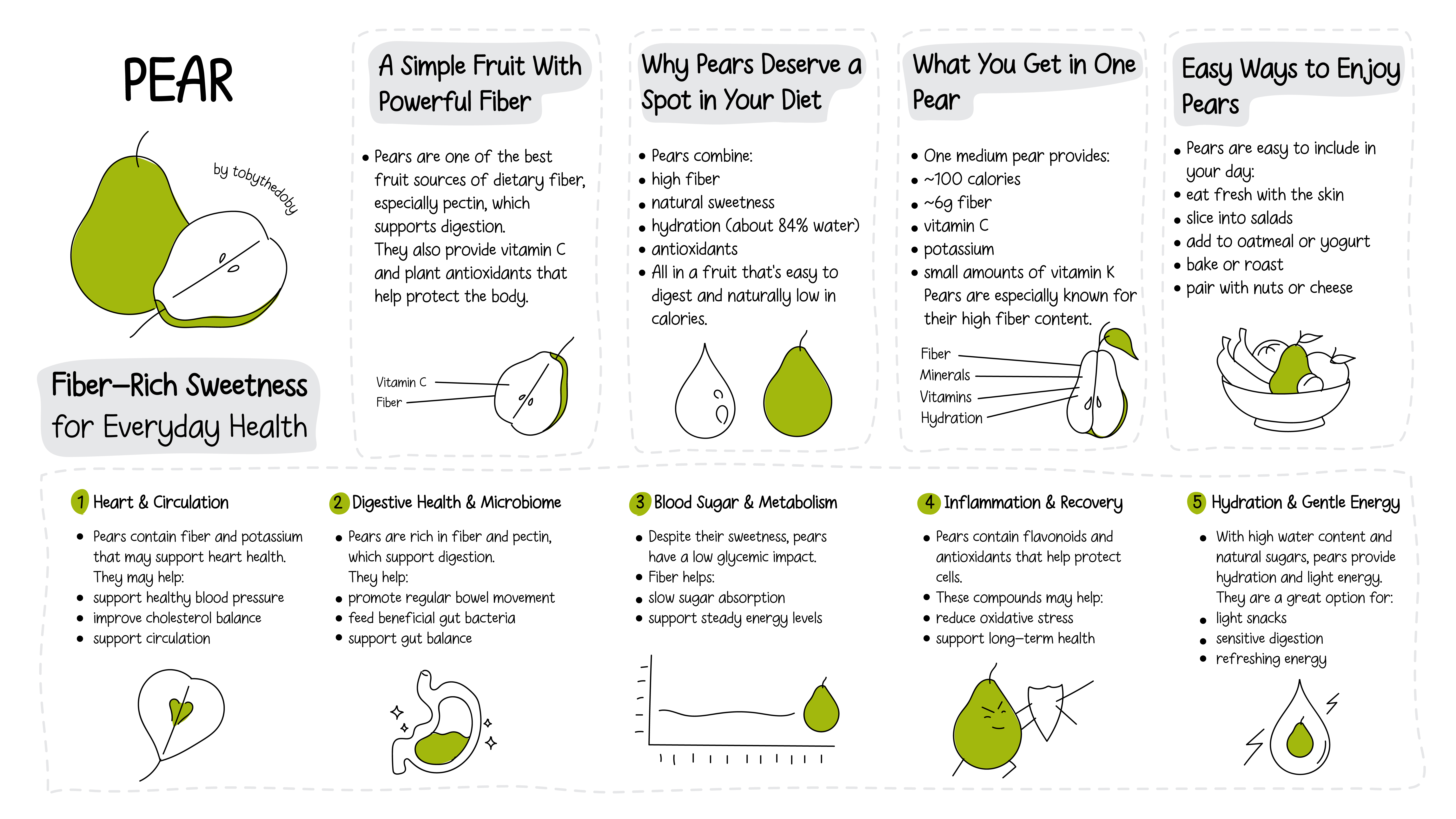
Pears are highly effective for digestion and heart health because a single medium fruit provides 6 grams of fiber (21% DV) and natural sorbitol, which acts as a gentle laxative.

Pear · Photograph
Pears occupy a unique niche in the fruit world due to their exceptional fiber density and heart-friendly profile. Unlike many processed snacks, pears are naturally sodium-free, cholesterol-free, and fat-free. Their dual-fiber structure—containing both soluble and insoluble types—makes them valuable for maintaining a healthy microbiome and supporting vascular integrity.
Key Nutrients
% Daily Value based on 2,000 cal diet
Why the Health Benefits of Pears Matter for Your Daily Routine
Pears occupy a unique niche in the fruit world due to their exceptional fiber density and heart-friendly profile. Unlike many processed snacks, pears are naturally sodium-free, cholesterol-free, and fat-free. Their dual-fiber structure—containing both soluble and insoluble types—makes them valuable for maintaining a healthy microbiome and supporting vascular integrity.
The presence of secondary metabolites such as arbutin and chlorogenic acid, predominantly concentrated in the skin, provides antioxidant protection that exceeds that of many other common fruits. By acting as both a prebiotic and a source of essential electrolytes, pears serve as a foundational "functional food" for metabolic maintenance.
Key Active Compounds: The Fiber-Polyphenol Synergy
A specific set of bioactive molecules defines the clinical profile of the pear:
- Flavonoids: Including catechin and quercetin, which support anti-inflammatory pathways.
- Phenolic Acids: Dominated by chlorogenic acid, which helps protect cells from oxidative stress.
- Lignans: Fiber-related compounds that gut bacteria can convert into phytoestrogen-like substances.
- Sorbitol: A naturally occurring sugar alcohol that provides gentle, osmotic laxative properties.
- Arbutin: A specialized compound found in pear peels at levels 6-20x higher than in the flesh, known for its potential antimicrobial and skin-protective properties.
- Pectin: A soluble fiber that binds to cholesterol and slows the absorption of glucose.
Conclusion
Pears offer exceptional nutritional value, particularly for those focused on digestive and heart health. The 6 grams of fiber found in a single medium fruit—most of which is found in the peel—makes them one of the most efficient ways to meet daily fiber goals. By providing a low-calorie, sodium-free source of potassium and antioxidants, pears act as a science-backed staple for maintaining metabolic and cardiovascular resilience. To maximize the health benefits of pears, always eat the fruit whole and unpeeled. Ready to incorporate more fiber-rich foods into your routine? Our meal planner can help you create balanced meals that include pears and other nutrient-dense whole foods.
How Pear Compares
| Compared with | What's different |
|---|---|
| Pear vs. Apple | Pears contain 6g of fiber and have a softer, melting texture compared to the crisp snap of apples. |
| Pear vs. Peach | Pears are higher in fiber and offer a floral, grainy texture rather than the tart, stone-fruit juiciness. |
Health Benefits
Things to Know
FODMAP Sensitivity: Pears are high in both fructose and sorbitol. Individuals with IBS or fructose malabsorption may experience bloating or gas and should limit their intake to half a pear.
Kidney Considerations: While potassium is beneficial for most, those with advanced kidney disease (CKD) should monitor their total daily intake of high-potassium fruits.
Fiber Adjustment: If your diet is currently low in fiber, introduce pears gradually to avoid temporary digestive discomfort as your microbiome adjusts.
Common Uses
- —Consuming a whole, unpeeled pear daily to meet fiber requirements and maintain consistent bowel movements.
- —Replacing processed, salty snacks with a fresh pear to utilize its potassium for blood pressure management.
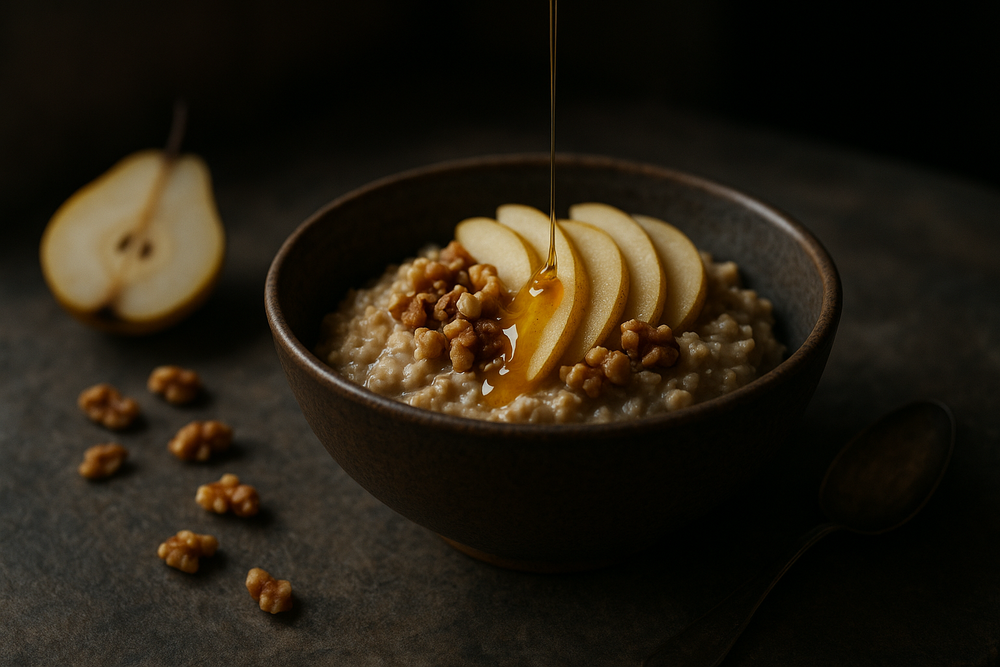
- —Slicing pears into oatmeal or yogurt to provide the fuel necessary for a healthy gut microbiome.
- —Combining a pear with walnuts or cheese; the protein and fat help further dampen the glycemic response of the fruit's natural sugars.
- —Eating pears (which are 84% water) during the day to support cellular hydration alongside high fiber intake.
- —Choosing red-skinned pear varieties to maximize the intake of anthocyanins for systemic antioxidant support.
Glossary
Shop This Ingredient
Stock your pantry with quality pear.
Buy on AmazonAs an Amazon Associate, Plantopedia earns from qualifying purchases. This costs you nothing extra and helps us keep the encyclopedia free.
Frequently Asked Questions
Yes, pears are excellent for digestive health due to their 6g of fiber. The combination of soluble fiber (which feeds good bacteria) and insoluble fiber (which promotes regularity) creates an ideal environment for the gut. However, the natural sorbitol can have a mild laxative effect, so listen to your body’s response.
Absolutely. The skin contains 6 to 20 times the concentration of antioxidants and fiber compared to the flesh. Most of the pear's phenolic acids and flavonoids are stored in the peel to protect the fruit from the environment, so peeling the pear significantly reduces its anti-inflammatory potential.
Pears' health benefits are a powerful weight-loss tool because they are "satiety-dense." With 6g of fiber for only 87 calories, they keep you feeling full for longer, which can prevent overeating later in the day. The fiber-fat-water matrix of a whole pear provides more satisfaction than most processed snacks.
Pears have a moderate glycemic impact because their fiber slows the absorption of fruit sugars. While they contain natural fructose, they are generally considered safe when eaten whole. For optimal blood sugar stability, pair a pear with a protein source, such as a small handful of walnuts.
For most people, one medium pear daily is the optimal "starting dose" to reach 20% of their daily fiber intake. If your digestion is healthy and you aren't sensitive to FODMAPs, you can move up to two. Consistency is more important than quantity for achieving long-term health benefits.
Quick Answers
Common questions, answered in a line.
Pears contain a dual-fiber structure consisting of both soluble and insoluble types that support a healthy microbiome and vascular integrity. The soluble fiber, specifically pectin, binds to cholesterol and slows glucose absorption, while the insoluble fiber maintains consistent bowel movements.
Pears are a heart-healthy choice because they are naturally sodium-free, cholesterol-free, fat-free, and provide a source of essential potassium. These attributes, combined with soluble fiber that binds to cholesterol, help maintain blood pressure and cardiovascular resilience.
Pear skins contain secondary metabolites like arbutin and chlorogenic acid at concentrations significantly higher than the fruit's flesh. Arbutin levels in the peel are 6 to 20 times higher than in the flesh, providing enhanced antioxidant and potential antimicrobial benefits.
Pears contain sorbitol, a naturally occurring sugar alcohol that provides gentle, osmotic laxative properties to help with digestion. This compound, paired with the fruit's 6 grams of fiber, helps regulate bowel movements and prevent constipation.
Pears have a high water content of approximately 84%, which supports cellular hydration when consumed throughout the day. This high moisture level works alongside the fruit's dense fiber content to assist in overall metabolic maintenance.
Pears are high in fructose and sorbitol, which can cause bloating or gas for individuals with IBS or fructose malabsorption. People with these sensitivities may need to limit their intake to half a pear or introduce them gradually to allow the microbiome to adjust.
Pears contain specialized compounds including arbutin, which is known for its skin-protective properties, and various flavonoids like quercetin. These antioxidants, mostly concentrated in the peel, help protect cells from oxidative stress and support anti-inflammatory pathways.
For Readers in the USA
Local context — sourcing, seasonality, and regional notes.
Approximately 95% of the pears grown commercially in the United States are produced in Washington and Oregon. The Pacific Northwest’s volcanic soil and temperate climate provide the ideal environment for major varieties like Bartlett, Anjou, and Bosc.
While availability varies by variety, the peak harvest for USA-grown pears typically runs from August through October. Many varieties, such as the Anjou, are available through the winter and spring thanks to advanced cold-storage techniques used by domestic packers.
Pears are a staple in the produce department of major US retailers like Kroger, Walmart, and Whole Foods, and are frequently featured at seasonal farmers markets. Look for the 'USA Pears' logo or USDA Organic seal to ensure you are purchasing fruit grown under strict domestic food safety standards.
The most common varieties found in American supermarkets include the Bartlett, Green and Red Anjou, Bosc, Comice, and Concorde. Each variety offers a slightly different texture, with the Bartlett being the most traditional choice for canning and fresh eating in US households.
AI Clinical Review
- Fiber Density: Correctly identifies the pear as a premier source of both soluble and insoluble fiber, which is its most significant clinical attribute.
- Peel Potency: Accurately emphasizes that the majority of the pear's arbutin and antioxidant capacity is lost if the fruit is peeled.
- Enzyme Inhibition: Properly notes emerging research regarding the ability of pear extracts to inhibit starch-breaking enzymes (α-glucosidase), supporting blood sugar control.
- Sorbitol Content: Rightly mentions the role of sorbitol in the pear's gentle laxative effect, which is a key clinical consideration for pediatric and geriatric nutrition.
- Sodium-Potassium Balance: Correctly highlights the "vascular-friendly" mineral profile that supports hypertensive patients.
- Arbutin & Skin Health: While pear arbutin is well-studied for its antimicrobial properties in vitro, more human clinical trials are needed to confirm its specific systemic effects on skin health through dietary intake.
- Lignan Conversion: The efficiency with which human gut bacteria convert pear lignans into phytoestrogens varies significantly between individuals based on their unique microbiome.
- Red vs. Green Varieties: While red pears contain anthocyanins, more comparative human studies are needed to determine if this translates to a measurably superior clinical outcome over green varieties.
- Long-term Weight Management: While the "satiety-density" of pears is clear, longitudinal data specifically tracking pears as a primary weight-loss intervention is still growing.
- FODMAP Awareness: Pears are high in fructose and sorbitol. For patients with IBS, eating a whole pear may cause significant gas and bloating; a half-portion is often better tolerated.
- Gradual Fiber Increase: Advise patients to increase pear intake slowly if they are currently on a low-fiber diet to avoid temporary GI distress.
- CKD Monitoring: For patients with late-stage Chronic Kidney Disease, the potassium in pears must be tracked to prevent hyperkalemia.
- Dental Care: The combination of natural sugars and fruit acids means patients should be advised to rinse with water after eating pears to protect enamel.
- Ripening Process: Unlike many fruits, pears ripen from the inside out; they are best eaten when the "neck" gives slightly to pressure to ensure the fiber is soft and digestible.
Frame as food education, not disease treatment.
References
- USDA FoodData Central - Pear (Raw) Nutritional Profile: Standardized source for calories, fiber, and vitamin data.
- PMC - Systematic Review of Pears and Health: A comprehensive clinical review of pear bioactives and their impact on chronic disease.
- American Heart Association - Potassium and Blood Pressure: Clinical guidance on how potassium-rich fruits like pears support vascular function.
- Mayo Clinic - Dietary Fiber: Essential for a Healthy Diet: Evidence-based overview of how fiber supports digestion and heart health.
- Harvard T.H. Chan School of Public Health - Fiber and the Microbiome: Detailed research on how prebiotic fibers found in pears support gut bacteria.
Know Your Numbers
Eating healthy is a start. Now get to know your biomarkers.
Food changes bloodwork — inflammation, lipids, blood sugar and nutrient status all respond to what you eat. 59 markers from $59.
- Results in 7–10 days at 2,000+ Quest sites
- Licensed provider reviews every result
- One flat price, no membership, HSA/FSA eligible
Educational information only, not medical advice. Panels are ordered and reviewed through our licensed partner; Plantopedia may earn a commission.
Filed Under
Health Goals This Supports
Related Ingredients
Fiber and Cholesterol: A Simple Explanation
Soluble fiber can modestly lower LDL, or "bad," cholesterol by binding bile acids in the gut, which forces the liver to pull more cholesterol out of the blood to make replacement bile acids. Randomized trials show this effect is real but modest, with regular intake of fiber sources like oats,...
Foods That Help Stool Move More Easily
For constipation, the foods with the best evidence are kiwi and prunes: in randomized trials, two to three kiwi a day or two servings of prunes daily increased weekly bowel movements and softened stool as well as, or better than, psyllium fiber supplements. Pairing fiber-rich foods with enough...
How Much Fiber Do You Need for Regular Bowel Movements?
Most adults need roughly 25 to 38 grams of fiber a day to support regular, comfortable bowel movements, with the target running lower for women (about 25 g under age 50, 21 g after) than for men (about 38 g under age 50, 30 g after), per Mayo Clinic and the Dietary Guidelines for Americans. Most...
Hydration, Fiber, and Gut Motility
Fiber and water both influence how easily stool moves through your colon, but they work through different mechanisms and neither is a guaranteed fix for constipation on its own. Soluble fiber absorbs water and forms a gel that softens stool, insoluble fiber adds bulk that stimulates the colon...