Fiber and Cholesterol: A Simple Explanation
Soluble fiber can modestly lower LDL, or "bad," cholesterol by binding bile acids in the gut, which forces the liver to pull more cholesterol out of the blood to make replacement bile acids. Randomized trials show this effect is real but modest, with regular intake of fiber sources like oats,...
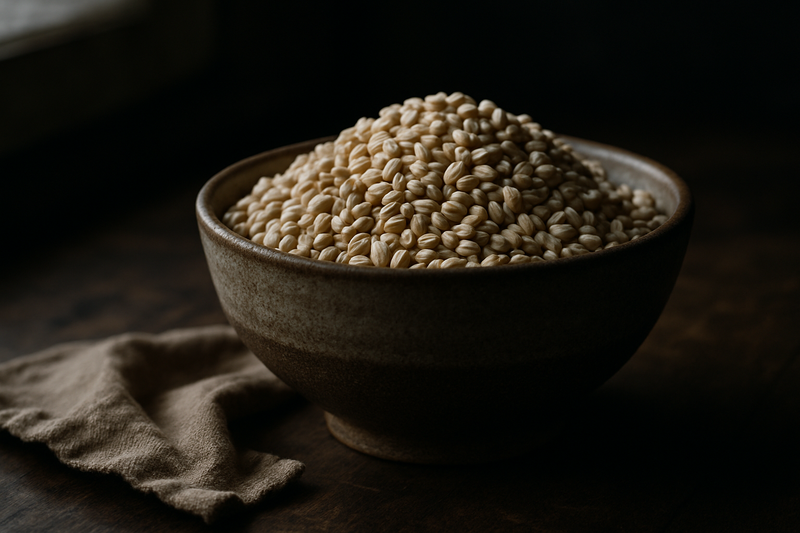
Soluble fiber can modestly lower LDL, or "bad," cholesterol by binding bile acids in the gut, which forces the liver to pull more cholesterol out of the blood to make replacement bile acids. Randomized trials show this effect is real but modest, with regular intake of fiber sources like oats, barley, or psyllium-containing foods generally producing single-digit to low double-digit percentage reductions in LDL cholesterol. It works alongside, not instead of, other heart-healthy habits and any cholesterol-lowering treatment a clinician has prescribed.
Key takeaways
- Soluble, viscous fiber found in oats, barley, psyllium, and legumes binds bile acids in the intestine, prompting the liver to convert more cholesterol into new bile acids.
- Randomized controlled trials consistently show soluble fiber modestly lowers LDL cholesterol, though the effect size is smaller than that of prescription lipid-lowering medication.
- Not all fiber works the same way; viscous soluble fibers have the strongest cholesterol-lowering evidence, while many insoluble fibers show little to no effect on blood lipids.
- Lower LDL cholesterol is linked to lower cardiovascular risk in large trial and genetic evidence, but that established causality is about LDL itself, not proof that every LDL-lowering method produces identical outcome benefits.
- Fiber is one part of a heart-healthy dietary pattern; it does not replace medical treatment or monitoring for elevated cholesterol.
Plain definition
Cholesterol is a waxy, fat-like substance your liver makes and that you also get from food; it is essential for building cell membranes and hormones. LDL cholesterol carries cholesterol through the blood to tissues, and too much of it circulating over time is linked to plaque buildup in artery walls. Bile acids are made from cholesterol in the liver, stored in the gallbladder, and released into the small intestine to help digest fat; normally, about ninety-five percent of them are reabsorbed and recycled back to the liver. Blood cholesterol levels are shaped by many factors together, genetics, overall dietary pattern, body weight, physical activity, and certain medical conditions, not diet alone, so fiber is one input among several. Soluble, viscous fiber is the type most relevant here: it dissolves in water and thickens into a gel-like substance in the gut.
Step-by-step mechanism
You eat a soluble, viscous fiber source, such as /food/oats, barley, or legumes like /food/black-beans, /food/chickpeas, or /food/lentils. In the small intestine, that fiber dissolves and thickens into a gel. The gel traps bile acids so they cannot be reabsorbed as efficiently as usual, and a larger share passes out of the body in stool instead of recycling back to the liver. The liver senses fewer bile acids returning and responds by manufacturing more from its own cholesterol stores, which requires pulling additional cholesterol out of the bloodstream through LDL receptors on liver cells. That increased receptor activity is what lowers circulating LDL cholesterol. A second, smaller mechanism also contributes: fermentation of soluble fiber by colon bacteria produces short-chain fatty acids, particularly propionate, which some research suggests may modestly reduce the liver's own cholesterol production.
What human evidence actually shows
Multiple systematic reviews and meta-analyses of randomized controlled trials support a real cholesterol-lowering effect. A meta-analysis of psyllium fiber trials found consistent reductions in LDL cholesterol and related lipid markers compared with placebo. A separate meta-analysis comparing viscous fiber sources, including oat and barley beta-glucan, psyllium, and guar gum, against non-viscous cereal fiber found that only the viscous types produced meaningful lipid-lowering effects, and a large synthesis of oat beta-glucan trials specifically found consistent reductions in LDL and non-HDL cholesterol across dozens of studies. Effect sizes across this body of research are generally modest: trials sustained over several weeks tend to show single-digit to low double-digit percentage reductions in LDL cholesterol with regular intake of these fiber types, roughly comparable to consistently including oats, barley, or legumes as a routine part of meals rather than an occasional side dish.
What mechanisms cannot prove
A plausible, well-studied mechanism does not guarantee a predictable response in every person. Genetic variation, baseline diet, and which specific fiber source you eat all affect how much LDL change actually shows up on a blood test. The bile-acid-binding mechanism has been demonstrated in laboratory studies and inferred from human trial results, but that alone does not prove a specific cardiovascular outcome benefit, such as fewer heart attacks, from fiber intake itself. Genetic and drug-trial evidence, including Mendelian randomization studies, has firmly established that LDL cholesterol is causally linked to coronary heart disease risk. That causality applies to LDL cholesterol as a factor, though, not automatically to every intervention that lowers it; no large, long-term outcomes trial has isolated fiber alone to measure heart attack or stroke rates the way statin trials have. Cohort studies linking higher fiber intake to lower cardiovascular risk also cannot fully rule out that people who eat more fiber tend to have healthier diets and habits overall.
Practical implications
Because the effect works through regular, sustained intake rather than a one-time amount, the most evidence-aligned approach is including viscous soluble fiber sources routinely across the week, oats, barley, psyllium-containing foods, and legumes such as /food/lentils, /food/chickpeas, and /food/black-beans, along with pectin-containing fruits like /food/pears and /food/apples. This works best as part of a broader dietary pattern that is also lower in saturated fat and paired with regular physical activity, consistent with major cardiology dietary guidance, rather than as an isolated fix layered onto an otherwise unchanged diet. Effects build over weeks, not days, so cholesterol is typically rechecked on a similar timeline to see whether a specific change made a measurable difference.
Cautions
Fiber changes should never replace or justify stopping a prescribed cholesterol-lowering medication, such as a statin, without talking to the prescribing clinician first. Adding a lot of fiber quickly, especially without enough fluid, can cause bloating, gas, or constipation, so increasing gradually avoids most of this. Some fiber supplements can slow or reduce the absorption of certain medications if taken at the same time, so check timing with a pharmacist if you use one regularly. People with certain gastrointestinal conditions, including strictures or motility disorders, should increase fiber cautiously and with medical guidance rather than on their own.
When to seek care
High cholesterol itself usually causes no symptoms, which is why it is typically found through a routine blood lipid panel rather than how you feel day to day; ask your clinician when you are due for one, especially if you have risk factors such as diabetes, smoking, or a family history of early heart disease. Chest pain or pressure, shortness of breath, or pain spreading to the arm, jaw, or back can be signs of a heart attack and are a medical emergency; call emergency services immediately rather than waiting to see if dietary changes help. If you take a cholesterol-lowering or blood-thinning medication, talk with your clinician or pharmacist before making major fiber changes, since timing and absorption can matter.
Bottom line
Soluble fiber lowers LDL cholesterol through a well-described, biologically plausible bile-acid mechanism, and randomized trials confirm a real but modest effect. It is a legitimate, evidence-backed part of a heart-healthy eating pattern, not a replacement for cholesterol monitoring or prescribed treatment.
Frequently asked questions
How much can fiber realistically lower my cholesterol?
Trials of viscous soluble fiber sources such as oats, barley, and psyllium generally show LDL cholesterol reductions in the single-digit to low double-digit percentage range, though individual results vary with baseline diet and fiber type. This is meaningfully smaller than reductions typically achieved with prescription lipid-lowering medication.
Which foods have the fiber type that affects cholesterol most?
Viscous, soluble fibers found in oats, barley, psyllium, and legumes like /food/lentils and /food/chickpeas have the strongest evidence for lowering LDL cholesterol. Insoluble fibers, such as wheat bran, mainly affect bowel regularity rather than blood lipids.
Can fiber replace my cholesterol medication?
No. Fiber's effect on LDL is real but modest compared with statins and other prescribed lipid-lowering medications, and dietary changes should not be used to stop or reduce prescribed medication without a clinician's guidance.
How long does it take to see a cholesterol change from more fiber?
Most trials measure changes after several weeks to a few months of consistent intake, and clinicians typically repeat cholesterol testing on a similar timeline to assess response. Individual timing varies, so ask your clinician when to recheck your lipid panel.
Does fiber help HDL, or "good," cholesterol too?
The evidence for fiber's effect on HDL cholesterol is weaker and less consistent than its effect on LDL. Most research on soluble fiber and lipids focuses on, and shows the clearest benefit for, LDL and total cholesterol.
Is fiber from food better than a fiber supplement for cholesterol?
Both whole foods and isolated soluble fiber supplements such as psyllium have supporting trial evidence for LDL reduction. Whole foods add other nutrients and contribute to an overall dietary pattern, which is one reason most guidance frames fiber as part of a broader heart-healthy diet rather than a single isolated fix.
Sources and evidence
- Mechanism of the cholesterol-lowering ability of soluble dietary fibers, bile salt interaction study, PMC
- Effect of psyllium fiber on LDL cholesterol and alternative lipid targets: systematic review and meta-analysis of RCTs, American Journal of Clinical Nutrition (https://ajcn.nutrition.org/article/S0002-9165(22)03007-6/fulltext)
- Are all fibres created equal with respect to lipid lowering, viscous versus non-viscous fiber meta-analysis, British Journal of Nutrition
- Bioactive oat beta-glucan reduces LDL cholesterol, PMC
- 2026 Dietary Guidance to Improve Cardiovascular Health, American Heart Association scientific statement
- Mendelian randomization of blood lipids for coronary heart disease, European Heart Journal
- Food sources of dietary fiber, USDA Dietary Guidelines for Americans
Know Your Numbers
Eating healthy is a start. Now get to know your biomarkers.
Food changes bloodwork — inflammation, lipids, blood sugar and nutrient status all respond to what you eat. 59 markers from $59.
- Results in 7–10 days at 2,000+ Quest sites
- Licensed provider reviews every result
- One flat price, no membership, HSA/FSA eligible
Educational information only, not medical advice. Panels are ordered and reviewed through our licensed partner; Plantopedia may earn a commission.