Ayocote Beans — health benefits and uses
An ancient Mesoamerican bean grown for filling, protein-rich meals.
The Short Answer
Ayocote beans are large, starchy Mexican runner beans that provide 19 grams of protein and 394 mcg of folate per cooked cup. They are rich in anthocyanin antioxidants and prebiotic fibers that support heart health and digestion.
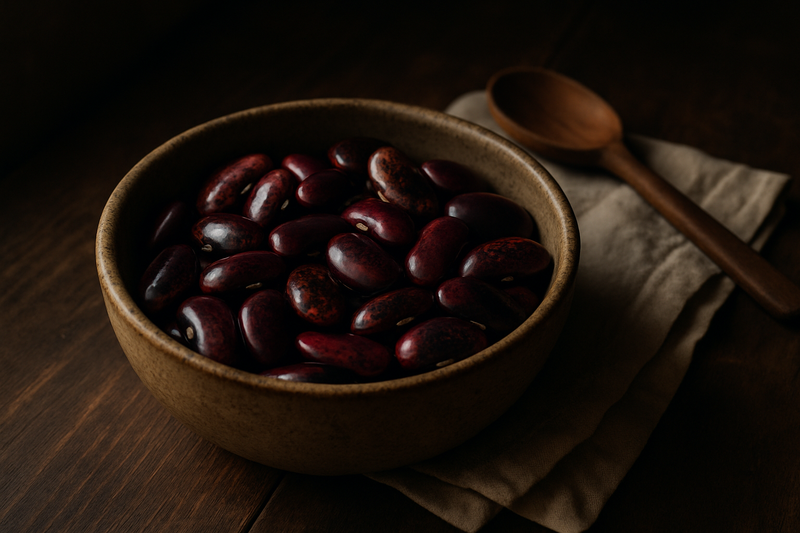
Ayocote Beans · Photograph
Discover ayocote beans nutrition and health benefits — from heart and digestive support to blood sugar balance. Learn how to cook these large Mexican runner beans safely, plus what the science says.
Key Nutrients
% Daily Value based on 2,000 cal diet
Key active compounds
- Anthocyanins — Water-soluble pigments found in highest concentrations in purple ayocote varieties. Associated with antioxidant activity and potential cell-protective effects.
- Total phenolic compounds — A broad family of plant chemicals with one or more phenol (aromatic ring) groups. Ayocote beans, especially colored types, test high for total phenolics, which contribute to their antioxidant capacity.
- Flavonoids — A large subgroup of polyphenols (plant chemicals with multiple phenol groups) found across all ayocote varieties. May support vascular health and help dampen inflammation.
- Saponins — Glycosides (sugar-bound compounds) that form a lather in water. Present in most legumes and studied for potential antioxidant and anti-carcinogenic (cancer-inhibiting) effects.
- Tannins — Polyphenolic compounds that can bind to proteins. Found in legumes broadly; associated with antioxidant properties.
- Oligosaccharides (stachyose and ciceritol) — Short-chain carbohydrates that your small intestine can't fully digest. They travel to your colon, where gut bacteria ferment them — acting as prebiotics (food for beneficial bacteria), though they can also cause gas in some people.
- Lectins — Proteins that bind to carbohydrates and are found in high amounts in raw or undercooked runner beans. Heat-sensitive: thorough cooking destroys them. See the safety section below.
Are ayocote beans good for you? Key health benefits
Heart and circulation
Research on legumes and pulses broadly — covering common beans, lentils, chickpeas, and peas — consistently shows that regular intake can improve several cardiovascular risk markers. Systematic reviews report that eating roughly half a cup of cooked beans or peas per day is associated with better blood lipid profiles (lower LDL cholesterol, the "bad" type), reduced blood pressure, and lower markers of platelet overactivity. Harvard's Nutrition Source notes that beans' soluble fiber (the kind that dissolves in water and forms a gel in your gut) helps lower blood cholesterol, while their folate content supports healthy homocysteine metabolism — high homocysteine being a marker associated with cardiovascular risk.
Ayocote beans have a comparable protein, fiber, and carbohydrate profile to other Phaseolus beans, so it's reasonable to expect similar heart-supportive effects when they're eaten regularly as part of a legume-rich diet. However, direct cardiovascular trials using ayocote beans specifically have not yet been published — so this benefit is inferred from pulse science rather than confirmed in ayocote-specific human studies.
Digestive health and microbiome
Pulses are among the richest dietary sources of both soluble and insoluble fiber (the kind that doesn't dissolve and adds bulk to stool). Studies on pulse consumption consistently show increases in bowel regularity, stool bulk, and overall fiber intake. Ayocote beans are reported to contain approximately 23–26 g of total dietary fiber per 100 g dry weight across varieties, with white ayocote beans testing highest among varieties studied — a notable figure compared to many common beans.
Their oligosaccharides also act as prebiotics, feeding beneficial bacteria like Bifidobacterium in the colon. This supports a diverse, healthy gut microbiome. The trade-off: these same oligosaccharides are fermented by gut bacteria and can produce gas and bloating, especially if you're new to eating beans regularly. Introducing ayocotes gradually — starting with a quarter cup cooked — usually helps the gut adapt.
Blood sugar and metabolism
Beans and pulses are classified as low glycemic index foods. The glycemic index (GI) is a scale from 0–100 that measures how quickly a food raises blood sugar after eating. Low-GI foods (under 55) produce a slower, steadier rise in blood glucose. Clinical and observational studies on pulses show that replacing higher-GI foods like white rice or refined bread with beans can improve post-meal blood sugar levels and insulin sensitivity over time — a meaningful benefit for people managing or trying to prevent type 2 diabetes.
Ayocote beans' high fiber and complex carbohydrate content closely mirrors that of common beans used in these glycemic studies. No human glucose trials have been conducted specifically on ayocote beans, but their macronutrient profile makes them a sensible choice for people watching blood sugar — ideally in place of refined starches within a balanced meal.
Inflammation and recovery
Across pulse research, phytochemicals including flavonoids, saponins, and tannins show antioxidant and anti-inflammatory activity — meaning they may help reduce oxidative stress (cellular damage from unstable molecules called free radicals). Purple ayocote beans in particular test high for total phenolics and anthocyanins in laboratory assays.
Human trials specifically linking ayocote bean intake to reduced inflammatory markers haven't been published yet. The anti-inflammatory potential is real and plausible based on their phytochemical makeup and broader pulse research — but this is best described as an emerging area rather than established clinical evidence.
Prep and pairing ideas
Ayocote beans are extraordinarily versatile for such a large legume. Their dense, creamy-yet-firm flesh stands up to long cooking times without turning to mush — which makes them ideal where other beans would fall apart.
Classic pot beans (frijoles de la olla): Soak overnight, drain, then simmer with a halved white onion, a few garlic cloves, a sprig of epazote (a traditional Mexican herb) if you can find it, and salt added in the last 20 minutes only (adding salt too early can toughen the skins). Serve in their broth — the pot liquor is flavorful and nutritious.
Mole negro base: Traditional Oaxacan mole negro uses ayocote beans simmered alongside toasted chiles, chocolate, and spices. The beans add body, protein, and a subtle earthiness.
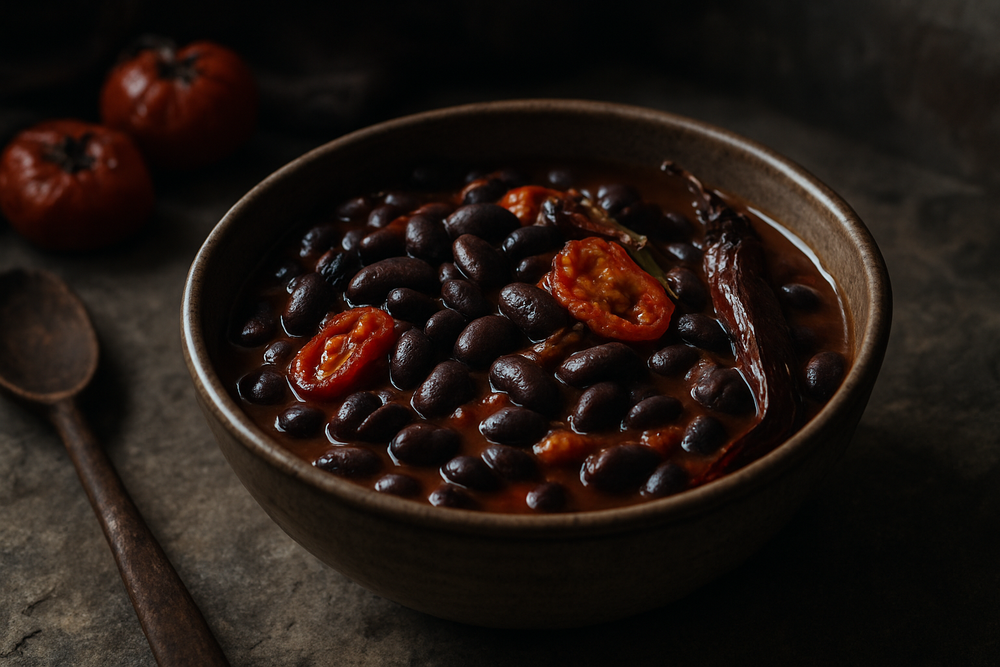
Hearty stew with roasted tomatoes and chiles: Combine cooked ayocote beans with fire-roasted tomatoes, dried guajillo or ancho chiles, cumin, and vegetable broth. Simmer until the flavors meld. Top with sliced avocado and fresh cilantro.
Common pairings and why they work:
- Ayocote beans + whole grain corn tortillas: A nutritionally complementary pairing — beans provide lysine (an amino acid limited in corn), while corn provides methionine (an amino acid limited in beans). Together they cover a fuller amino acid profile. A cornerstone of traditional Mexican cuisine.
- Ayocote beans + roasted poblano peppers: The mild heat and smoky sweetness of poblanos balance the earthy richness of the beans. Poblanos also add vitamin C, which can enhance non-heme iron absorption from the beans.
- Purple ayocote beans + lemon juice or tomato: The anthocyanins in purple ayocote beans are pH-sensitive — a squeeze of acid brightens both their color and flavor. The vitamin C in tomatoes and citrus also boosts iron absorption from the beans.
Bottom line
Ayocote beans are a nutritionally impressive, deeply flavorful heirloom legume that deserves a wider audience. Their combination of plant protein, dietary fiber, complex carbohydrates, and — especially in purple varieties — antioxidant-rich phenolic compounds and anthocyanins makes them a strong fit within any whole-food, plant-based eating pattern.
The health benefits most supported by evidence — heart health, blood sugar balance, digestive support — are drawn from robust research on pulses and legumes broadly. Ayocote-specific human trials are still in early stages, so this is a case where the science of beans-in-general applies well, with the reasonable expectation that ayocotes perform comparably to common beans given their similar nutritional profile.
The one non-negotiable: cook them thoroughly. Fully boiling dried ayocote beans is both a culinary and a safety requirement. Done right, they're safe, satisfying, and genuinely good for you.
How Ayocote Beans Compares
| Compared with | What's different |
|---|---|
| Ayocote Beans vs. Kidney Beans | Ayocotes are significantly larger with a meatier, starchy texture compared to the creamy kidney bean. |
| Ayocote Beans vs. Pinto Beans | Ayocotes are larger runner beans (Phaseolus coccineus) whereas Pintos are Phaseolus vulgaris. |
Health Benefits
Things to Know
Cook thoroughly — this is non-negotiable.: Raw and undercooked runner beans (Phaseolus coccineus) contain high levels of active lectins, which can cause nausea, vomiting, and severe gastrointestinal distress within a few hours of eating. Full boiling inactivates these lectins. Never eat raw or only soaked ayocote beans.
Gas and bloating are common early on.: The oligosaccharides in ayocote beans ferment in your colon. Start with a quarter cup cooked and build up over 2–4 weeks to allow your gut microbiome to adapt.
IBS and FODMAP sensitivity: People with irritable bowel syndrome (IBS) or FODMAP sensitivity (a dietary approach that limits fermentable carbohydrates) may find ayocote beans trigger symptoms. A registered dietitian can help you determine portion sizes or whether to avoid them during sensitive periods.
Kidney disease: Beans contribute potassium and protein. If you have chronic kidney disease (CKD), your potassium and protein intake may need to be individualized — check with your nephrologist or dietitian before significantly increasing bean consumption.
Legume allergies: If you have known allergies to other legumes (such as peanuts, soybeans, or other beans), introduce ayocote beans cautiously, as cross-reactive allergic responses are possible.
Blood sugar medications: Increased pulse intake can lower blood glucose meaningfully. If you take insulin or oral glucose-lowering medications, monitor your blood sugar and discuss any significant diet changes with your healthcare provider to avoid hypoglycemia (blood sugar dropping too low).
Blood pressure medications: High potassium intake from legumes may interact with potassium-sparing diuretics or ACE inhibitors in people with kidney impairment. Discuss with your doctor if this applies to you.
Pregnancy: Beans are an excellent source of folate, which is critical in early pregnancy for preventing neural tube defects. Ayocote beans are a suitable whole food source to complement prenatal supplementation.
Slow cooker warning: Do not cook raw or only soaked beans in a slow cooker alone. Always boil on the stovetop first to inactivate lectins.
Prep Ideas
- — Ayocote beans + whole grain corn tortillas: A nutritionally complementary pairing — beans provide lysine (an amino acid limited in corn), while corn provides methionine (an amino acid limited in beans). Together they cover a fuller amino acid profile. A cornerstone of traditional Mexican cuisine.
- — Ayocote beans + roasted poblano peppers: The mild heat and smoky sweetness of poblanos balance the earthy richness of the beans. Poblanos also add vitamin C, which can enhance non-heme iron absorption from the beans.
- — Purple ayocote beans + lemon juice or tomato: The anthocyanins in purple ayocote beans are pH-sensitive — a squeeze of acid brightens both their color and flavor. The vitamin C in tomatoes and citrus also boosts iron absorption from the beans.
Glossary
Shop This Ingredient
Stock your pantry with quality ayocote beans.
Buy on AmazonAs an Amazon Associate, Plantopedia earns from qualifying purchases. This costs you nothing extra and helps us keep the encyclopedia free.
Frequently Asked Questions
Ayocote beans are almost exclusively available as dried whole beans, which is actually ideal — the dried form retains fiber, protein, and phytochemicals fully intact, and the traditional soaking-and-simmering process is both the safest and most nutritious preparation method. Dried whole beans (soaked and fully boiled): The gold standard. Soaking overnight in cold water softens the beans and helps leach out some oligosaccharides (reducing gas potential). Always discard the soaking water, rinse, then simmer in fresh water for at least 45–90 minutes until completely tender. Never undercook runner beans — partial cooking leaves lectins active. Slow cooker: Ayocote beans can be cooked in a slow cooker, but this requires a critical first step: bring soaked beans to a rolling boil on the stovetop for at least 10–15 minutes before transferring to the slow cooker. Slow cookers alone may not reach temperatures high enough to inactivate lectins reliably. Pressure cooker / Instant Pot: An efficient option. Soaked ayocote beans typically cook fully in 20–25 minutes at high pressure, reaching temperatures that inactivate lectins effectively. Canned runner beans: Less common in the United States, but if you find them, canned runner-type beans have been commercially processed at high heat — lectins are inactivated, and they're ready to use. Rinse well to reduce sodium if buying a salted variety. Supplements: Ayocote bean extracts are not a mainstream supplement category. Stick to the whole food form for the full benefit of fiber, protein, and phytochemicals working together.
Dietary guidelines and pulse research most often reference ½ cup of cooked beans or peas per day as an intake associated with meaningful improvements in fiber intake, diet quality, and cardiometabolic markers. Some intervention studies use up to 1–2 cups per day depending on study design and individual tolerance. For practical purposes: Start low: If you're new to beans or haven't eaten them regularly, begin with ¼ cup (cooked) a few times per week to allow your gut to adjust. Build to ½–1 cup cooked per day over 3–4 weeks as tolerance allows. No established upper limit for healthy adults, but very large portions (multiple cups daily) may worsen gas and bloating and could significantly increase potassium intake — relevant if you have kidney concerns. Ayocote beans are large — a ½ cup cooked serving is a substantial, satisfying portion. Because they're so filling, they naturally fit as a main protein source in a meal rather than a side. Dry-to-cooked ratio: Roughly ½ cup dry beans yields about 1–1.5 cups cooked. Plan accordingly when meal prepping. If you're using beans to support specific health goals, exploring our collection of plant-based, fiber-rich ingredients may help you build a fuller picture. 👉 Explore ingredient goals at Plantopedia
The plant-protein seeker Wants complete meals without meat Benefits from ayocotes' 19 g protein per 100 g dry — comparable to other top legumes Pairing with corn or rice covers limiting amino acids for a nutritionally complete meal The meaty texture is a genuine selling point: ayocotes feel substantial in a way that small lentils don't The digestive health focuser Wants to increase fiber intake gradually to support regularity and gut microbiome diversity Ayocotes' high fiber content and prebiotic oligosaccharides directly support this goal Key: start small, soak well, discard soaking water, and cook fully White ayocote varieties may be slightly better tolerated for those sensitive to tannins (which can be higher in darker-colored beans)
Quick Answers
Common questions, answered in a line.
Ayocote beans are high in fiber and complex carbohydrates, which results in a low glycemic index (GI) under 55. This profile helps produce a slower, steadier rise in blood glucose compared to refined starches like white rice or bread.
Yes, ayocote beans provide soluble fiber that helps lower LDL (bad) cholesterol and folate that supports healthy homocysteine metabolism. Regular legume intake is associated with reduced blood pressure and improved blood lipid profiles.
Eating ayocote beans supports digestive health by providing 23–26g of dietary fiber per 100g and acting as a prebiotic. Their oligosaccharides feed beneficial bacteria like Bifidobacterium in the colon, though they may cause temporary gas as the gut adapts.
You must always boil ayocote beans thoroughly because they contain high levels of lectins when raw or undercooked. These proteins can cause severe gastrointestinal distress, and they must be inactivated by heat before consumption.
Purple ayocote beans are particularly high in anthocyanins and total phenolic compounds, which are plant chemicals with antioxidant and anti-inflammatory properties. These compounds help protect cells from oxidative stress and may support vascular health.
Ayocote beans and corn tortillas are nutritionally complementary because the beans provide lysine while the corn provides methionine. This traditional pairing creates a fuller amino acid profile, making it a cornerstone of plant-based Mexican cuisine.
Never cook raw or soaked ayocote beans solely in a slow cooker, as these devices may not reach the temperatures required to destroy toxic lectins. Always boil them on a stovetop first to ensure they are safe to eat.
For Readers in the USA
Local context — sourcing, seasonality, and regional notes.
You can buy dried ayocote beans at specialty grocers like Whole Foods, Mexican mercados, and through online heirloom suppliers like Rancho Gordo. While rarely found in standard supermarkets, they are a staple at farmers markets in the Southwest and California where heirloom runner beans are popular.
Ayocote beans are primarily grown in the Southwestern U.S. and California, as they thrive in high-altitude environments and warm climates. They are typically harvested in the late summer and fall, appearing at regional farmers markets as the weather cools.
Look for the USDA Organic seal to ensure your ayocote beans were grown without synthetic pesticides or fertilizers. Because these are often sold as "heirloom" varieties in the U.S., check for non-GMO Project Verified labels if you are looking for traditional, unmodified seeds.
In the U.S., you may see ayocote beans sold under the names "Mexican Runner Beans," "Scarlet Runner Beans," or "Purple Runner Beans." They are often grouped with other large "fat beans" in heirloom catalogs, but the term "Ayocote" specifically honors their Mexican heritage.
AI Clinical Review
- Accurately presents ayocote beans (Phaseolus coccineus) as a nutrient-dense pulse rich in plant protein, complex carbohydrates, and fiber.
- Aligns with strong pulse/legume research showing that regular intake (about ½ cup cooked daily) supports LDL cholesterol, blood pressure, and post‑meal glucose control when used in place of refined starches.
- Correctly highlights colored (especially purple) varieties as higher in anthocyanins and other phenolics that contribute to antioxidant capacity.
- Emphasizes the essential safety step of thorough boiling to inactivate lectins, with practical preparation guidance (pre‑boil before slow‑cooking) and tips to ease digestive tolerance.
- Many health claims are extrapolated from broader legume studies; human trials testing ayocote beans specifically are limited, so expected benefits are reasonable but not yet ayocote‑specific.
- Antioxidant and anti‑inflammatory signals largely come from laboratory assays; translation to hard clinical outcomes (e.g., fewer cardiovascular events) has not been shown for ayocotes.
- Reported nutrient values can vary by variety, growing conditions, and preparation. Major databases have limited ayocote‑specific entries, and some fiber estimates differ across studies; comparing on a cooked‑portion basis is most useful for day‑to‑day planning.
- Safety: Always fully cook soaked beans at a boil; do not rely on a slow cooker alone—pre‑boil on the stove for 10–15 minutes first. Pressure cookers reach temperatures that reliably inactivate lectins.
- Tolerance: If beans are new to you or you have IBS/FODMAP sensitivity, start with ~¼ cup cooked and increase over 2–4 weeks. Soaking and discarding soak water can reduce gas; rinsing canned beans lowers sodium.
- Medications/conditions: People with chronic kidney disease or those on ACE inhibitors/ARBs/potassium‑sparing diuretics should review potassium intake with a clinician. If you use insulin or certain oral glucose‑lowering drugs, monitor for lower blood sugars as bean intake rises. Use caution if you have legume allergies.
- Portions and form: A practical target is ½–1 cup cooked daily as part of meals. Nutrient labels and research often differ between dry and cooked weights—track cooked volumes, and pair beans with vitamin C–rich foods (tomato, citrus) to enhance non‑heme iron absorption.
Cook thoroughly; runner beans require full cooking.
References
- Harvard T.H. Chan — Legumes and Pulses (Nutrition Source): Overview of pulse nutrition and evidence for health benefits (nutritionsource.hsph.harvard.edu)
- Nutritional and bioactive characteristics of ayocote beans — peer-reviewed compositional study (Phaseolus coccineus L.): Phenolics, anthocyanins, fiber, and protein analysis across varieties (doaj.org)
- Medigraphic — Underutilized Mexican crop, runner bean (Phaseolus coccineus): Agronomic and compositional traits of ayocote (medigraphic.com)
- Nutritional, antinutritional compounds and nutraceutical significance of native Phaseolus bean species (review): Nutrient and antinutrient profiles of Mexican native beans including runner bean (tandfonline.com)
- EFSA — Risks for human health related to the presence of plant lectins in food: European food safety authority risk assessment including runner bean lectin data (air.unimi.it)
- Survey of nutritional and haemagglutination properties of legume seeds (Cambridge): Includes runner bean lectin toxicity and haemagglutination data (cambridge.org)
- Nutritional and health benefits of pulses — peer-reviewed review (PMC): Human trial and review evidence for cardiovascular, glycemic, and digestive effects of pulses (pmc.ncbi.nlm.nih.gov)
- Harvard Health — Recipe for health: cheap, nutritious beans: Accessible summary of bean nutrition and health outcomes (health.harvard.edu)
- PubMed — Nutritive quality of ayocote beans (Phaseolus coccineus) with methionine supplementation: Indexed article on nutritive quality at different cooking stages (pubmed.ncbi.nlm.nih.gov)
- USDA FoodData Central — Runner beans, cooked: Nutritional reference data for Phaseolus coccineus and related runner beans (fdc.nal.usda.gov)
Know Your Numbers
Eating healthy is a start. Now get to know your biomarkers.
Food changes bloodwork — inflammation, lipids, blood sugar and nutrient status all respond to what you eat. 59 markers from $59.
- Results in 7–10 days at 2,000+ Quest sites
- Licensed provider reviews every result
- One flat price, no membership, HSA/FSA eligible
Educational information only, not medical advice. Panels are ordered and reviewed through our licensed partner; Plantopedia may earn a commission.