Anasazi Beans — health benefits and uses
Rooted in Ancestral Puebloan agriculture of the American Southwest.
The Short Answer
Anasazi beans are heirloom legumes prized for their sweet flavor, mealy texture, and high nutrient density, containing 14g of protein and 12mg of iron per cooked cup.
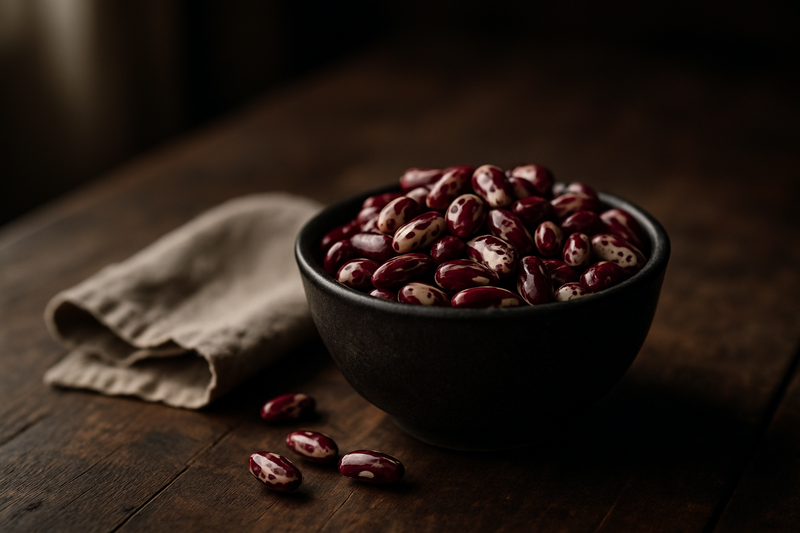
Anasazi Beans · Photograph
Discover the science-backed Anasazi beans health benefits — from heart health and blood sugar support to digestion — plus nutrition facts, easy cooking tips, and who should use caution.
Key Nutrients
% Daily Value based on 2,000 cal diet
Key active compounds
Anasazi beans do their best work through several interconnected plant compounds:
- Soluble fibre — Dissolves in water to form a gel-like substance in the gut, slowing glucose absorption and helping to lower LDL ("bad") cholesterol.
- Insoluble fibre — Passes through largely intact, adding bulk to stool and supporting regular bowel movements.
- Resistant starch — A starch fraction that escapes digestion in the small intestine and is fermented in the colon, where it feeds beneficial gut bacteria and triggers production of short-chain fatty acids (SCFAs — small molecules that nourish colon cells and support metabolic health).
- Oligosaccharides (raffinose, stachyose) — Short-chain carbohydrates that act as prebiotics (food for gut bacteria) but can also cause gas in sensitive individuals; soaking reduces them.
- Phenolic compounds (flavonoids and phenolic acids) — Antioxidant plant pigments found especially in the coloured seed coat; they may help dampen oxidative stress and inflammation.
- Phytate (phytic acid) — A phosphorus-storage compound that can modestly reduce mineral absorption but also has antioxidant properties; soaking and cooking lower phytate levels.
- Saponins — Surface-active plant compounds with emerging evidence for cholesterol-lowering effects.
- Plant protein — A complete-ish amino acid source that, when eaten with a variety of other plant foods across the day, fully meets protein needs.
Prep and pairing ideas
Anasazi beans hold their shape well during slow cooking and absorb surrounding flavours readily, making them genuinely versatile.
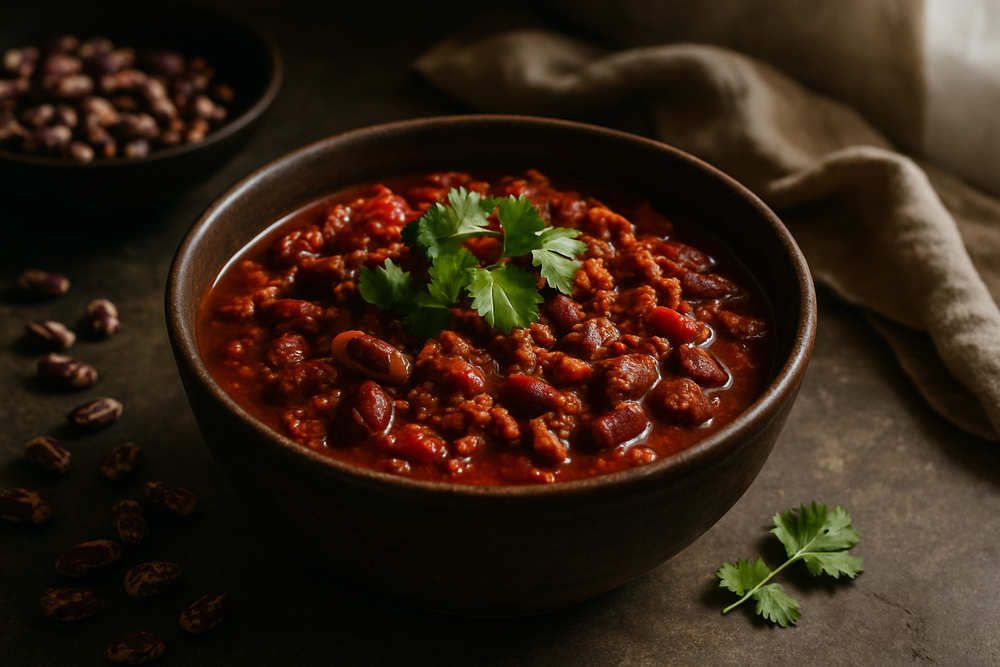
Classic Southwestern chilli: Swap pinto or kidney beans 1:1 with soaked, drained Anasazi beans. Their slight sweetness complements chipotle, cumin, and tomato beautifully, and the mealier texture thickens the pot naturally.
Bean and grain bowl: Toss warm cooked Anasazi beans over brown rice or farro with roasted sweet potato, lime-dressed slaw, and a handful of pumpkin seeds. This combination pairs the beans' iron with vitamin C from lime and the complete amino acid profile of grains.
Creamy bean dip: Blend cooked Anasazi beans with garlic, smoked paprika, a squeeze of lemon, and a little olive oil for a dip with a slightly sweet undertone. The marbled speckled colour of half-blended beans looks striking on a platter. Serve alongside raw vegetables for an additional fibre hit.
Simple pot beans: Cover soaked Anasazi beans with fresh water, add half an onion, a few garlic cloves, and a bay leaf. Simmer for 45–60 minutes. Season with salt only when fully tender (adding salt early can toughen bean skins). These plain pot beans become a base for dozens of other dishes throughout the week.
Bottom line
Anasazi beans are a nutritious, versatile heirloom legume that fits naturally into any health-forward eating pattern. Their fibre, plant protein, iron, and potassium content are comparable to pinto and black beans, and the broader legume evidence base — spanning dozens of human trials and meta-analyses — supports their regular inclusion for cardiovascular health, blood sugar management, digestive regularity, and inflammation control. The "less gas" claim is plausible but not proven in clinical trials; the real practical advantage is that they're sweet, mealy, and slightly faster-cooking than many heirloom varieties, making them easier to enjoy fully cooked and thus better tolerated.
For most healthy adults, adding Anasazi beans to the weekly rotation — a few times a week, in the half-to-one-cup cooked range — is a straightforward, evidence-aligned step toward a more plant-centred diet. People with kidney disease, IBS, or who take glucose-lowering medications should get personalised guidance before making them a daily staple.
Looking to build more legume-forward meals around a specific health goal? Browse the Plantopedia goals hub for curated ingredient combinations and meal ideas.
Buying guide
Dry beans (most recommended): Look for Anasazi beans sold by specialty bean brands such as Adobe Milling or similar heirloom producers. Check the "best by" date — beans older than 2 years will take longer to cook and may never fully soften, regardless of soaking. Store in an airtight container in a cool, dark pantry; they keep well for 1–2 years.
Canned Anasazi beans: Less widely available than pinto or black beans. If you find them, choose cans labelled "no salt added" or "low sodium" if you are watching sodium intake. BPA-free lining is a useful bonus — look for it on the label.
What to avoid: Pre-seasoned bean mixes where Anasazi beans are one ingredient among several — salt, sugar, and flavourings can add up quickly and obscure the bean's natural sweetness. Plain beans give you full control.
Fresh vs. frozen vs. dry: Anasazi beans are rarely sold fresh or frozen. Dry is the standard form, and it's the most economical and nutrient-stable option. Batch-cooking and freezing your own cooked beans is the next best thing to canned convenience.
How Anasazi Beans Compares
| Compared with | What's different |
|---|---|
| Anasazi Beans vs. Pinto Beans | Pintos have thicker skins and a creamier, earthier taste compared to the sweeter Anasazi. |
| Anasazi Beans vs. Red Kidney Beans | Anasazis contain about 75% fewer gas-producing oligosaccharides than traditional pinto beans. |
Health Benefits
Things to Know
Raw or undercooked beans are not safe.: Lectins in raw common beans cause acute GI distress; fully boiling inactivates them. Slow cookers on low may not reach high enough temperatures — use the stovetop or pressure cooker first if relying on a slow cooker.
IBS and SIBO.: If you have irritable bowel syndrome or small intestinal bacterial overgrowth (an overgrowth of bacteria in the small intestine causing bloating and pain), the fermentable oligosaccharides in beans may worsen symptoms. Start very small and follow clinician or dietitian guidance, which may include a low-FODMAP approach (a structured diet that temporarily limits certain fermentable carbohydrates).
Chronic kidney disease (CKD).: Anasazi beans are high in potassium (872 mg per serving) and provide substantial phosphorus and protein — all nutrients that require careful management in moderate-to-advanced CKD and dialysis. Talk to your renal dietitian before increasing bean intake.
Glucose-lowering medications.: Eating one cup or more of beans daily has been shown to measurably improve HbA1c and fasting glucose. If you take insulin, sulfonylureas, or other hypoglycaemic agents, more frequent glucose monitoring is sensible when significantly changing bean intake.
Blood pressure medications.: Legume-rich diets can modestly lower blood pressure. This is generally a benefit, but if you are already well-controlled on antihypertensives, large dietary shifts may warrant a medication review.
Pregnancy.: Beans are an excellent folate source and are encouraged during pregnancy. No specific cautions apply to Anasazi beans beyond those listed above.
Legume allergy.: Rare for common dry beans, but individuals allergic to other Phaseolus species should exercise caution.
Shop This Ingredient
Stock your pantry with quality anasazi beans.
Buy on AmazonAs an Amazon Associate, Plantopedia earns from qualifying purchases. This costs you nothing extra and helps us keep the encyclopedia free.
Frequently Asked Questions
No clinical trials have studied Anasazi beans in isolation. The evidence below draws on human trials and meta-analyses of beans and other legumes, applied to Anasazi beans because of their comparable nutrient profile. Evidence is labelled accordingly. Heart health and cholesterol Multiple systematic reviews and meta-analyses of prospective cohort studies (long-term studies that follow large groups of people) link higher legume intake with approximately 6–10% lower risk of cardiovascular disease (CVD) and coronary heart disease (CHD) incidence or mortality compared with lower intake. Randomised controlled trials — where participants are randomly assigned to a diet with or without extra legumes — show that adding non-soy legumes to the diet can modestly lower total and LDL cholesterol and improve fasting glucose and insulin sensitivity. One landmark trial found that a low-glycaemic-index diet centred on at least one cup of beans daily improved both blood pressure and an estimated coronary heart disease risk score in people with type 2 diabetes. The likely mechanisms include soluble fibre reducing cholesterol re-absorption, saponins interfering with cholesterol synthesis, and plant protein partially replacing saturated fat–rich animal foods. Evidence level: moderate — based on legumes generally, not Anasazi specifically. Digestive health and microbiome The combination of soluble fibre, insoluble fibre, resistant starch, and oligosaccharides in Anasazi beans creates a prebiotic-rich environment in the colon. Fermentation of these components by gut bacteria produces SCFAs, particularly butyrate, which serve as fuel for colon cells and are linked to a healthier gut lining. Clinical and observational research consistently connects higher fibre and legume intake with improved stool frequency, better consistency, and reduced constipation. The much-discussed question of gas is addressed separately below. Evidence level: moderate — indirect, based on fibre physiology and legume diet studies. Blood sugar and metabolic health Beans are naturally low on the glycaemic index (GI) — a scale that measures how quickly a food raises blood glucose. Their combination of high fibre, resistant starch, and protein means glucose enters the bloodstream slowly and steadily rather than in a sharp spike. In a well-cited randomised trial, people with type 2 diabetes who ate at least one cup of beans daily as part of a low-GI diet reduced their HbA1c (a 3-month average of blood sugar levels) by about 0.5 percentage points and also lowered blood pressure, compared with a diet emphasising whole-wheat foods. A separate meal study found that even half a cup of beans in a mixed meal meaningfully blunted the glycaemic response versus higher-GI starches. Anasazi beans, with approximately 12 g of fibre and 14 g of protein per half-cup dry, share the structural features responsible for these effects. Evidence level: strong for legumes in glycaemic control; no Anasazi-specific trials. Inflammation and recovery Inflammation is the body's natural defence response; chronic low-grade inflammation is linked to a range of long-term conditions. In a randomised trial of overweight adults with type 2 diabetes, replacing two weekly servings of red meat with non-soy legumes significantly reduced inflammatory markers including high-sensitivity C-reactive protein (hsCRP — a blood marker of systemic inflammation), IL-6, and TNF-α. The anti-inflammatory effect is thought to come from fibre reducing inflammatory signalling, phenolic antioxidants neutralising damaging free radicals, and the substitution of lower saturated-fat legume protein for red or processed meat. Evidence level: moderate — based on non-soy legume trials; Anasazi beans not specifically studied. Hormones and cycle health Direct research on common dry beans and hormonal health is sparse. Most hormone-related legume research focuses on soy isoflavones — compounds structurally similar to oestrogen — which Anasazi beans do not contain in meaningful amounts. Any hormonal benefit is more likely an indirect result of improved glycaemic control, reduced inflammation, and better weight management than a direct endocrine effect. This area warrants more research before firm conclusions can be drawn.
This is one of the most common claims about Anasazi beans, and the honest answer is: maybe, but the evidence is anecdotal. Some culinary sources and growers suggest Anasazi beans contain lower levels of gas-forming oligosaccharides (specifically raffinose and stachyose) than pinto or kidney beans. However, no controlled human trials have compared flatulence rates between Anasazi beans and other varieties. What the research does support is that cooking method affects gas production for all beans: Soaking for 8–12 hours and discarding the soak water leaches out a meaningful portion of oligosaccharides. Thorough cooking (until beans are fully soft) further breaks down gas-producing compounds. Gradual introduction — starting with small portions (a few tablespoons) and building over several weeks — allows gut bacteria to adapt, dramatically reducing bloating for most people. Anasazi beans reportedly cook a little faster than pinto beans (roughly 45–60 minutes after soaking), which may be part of why cooks find them easier to digest: they are less likely to be served undercooked.
The plant-based athlete or active adult Needs protein and iron without relying on meat 14 g of plant protein per half-cup dry makes Anasazi beans a meaningful contributor Iron content (67% DV per serving before cooking) supports oxygen-carrying capacity — especially useful for women and athletes at higher risk of iron depletion Pair with a vitamin C source (tomatoes, lime juice, peppers) to maximise iron absorption The person managing blood sugar or cardiovascular risk Wants foods that don't spike glucose and actively support heart markers The high-fibre, low-GI profile of Anasazi beans aligns directly with the dietary patterns studied for type 2 diabetes management and cholesterol reduction Can be swapped in for refined carbohydrates in chilli, grain bowls, and soups with minimal recipe adjustment Note: if you take glucose-lowering or blood pressure medications, discuss dietary changes with your doctor — beans can genuinely improve these markers and medication doses may need review
Dry whole beans (soaked and fully cooked) are the form assumed by most nutrition research and guidelines. Soaking is optional but recommended — it shortens cook time, improves texture, and reduces gas-producing compounds. After soaking, simmer in fresh water for 45–60 minutes until completely soft. Never eat raw or undercooked beans: they contain lectins (proteins that interfere with digestion and cause nausea and vomiting at high doses) that are inactivated by thorough boiling. Batch-cooked and refrigerated beans keep well for 4–5 days and freeze beautifully in one-cup portions, making it easy to add beans to meals without cooking from scratch every time. Canned Anasazi beans, where available, are a convenient option with a nutritional profile close to home-cooked. Drain and rinse to reduce any added sodium. Pureed or mashed Anasazi beans work well for people sensitive to whole bean skins — the fibre and protein are preserved while the texture becomes smoother and easier to tolerate in dips, soups, and sauces. Sprouted beans (briefly germinated before cooking) may slightly reduce oligosaccharides and phytate, though human evidence on the additional benefit over well-cooked beans is limited.
Most dietary guidelines and clinical trials use the following as reference points: General health and disease prevention: Around 100–400 g of legumes per week (roughly 3–5 half-cup cooked servings spread across the week). This aligns with WHO, NHS, and Harvard recommendations. Blood sugar and cardiovascular benefit: Trials showing meaningful improvements often used at least ½ cup cooked beans at a meal, or one full cup (approximately 170 g cooked) daily for several months. A practical starting point if you are new to beans: Begin with 2–3 tablespoons of well-cooked beans per day and increase every week or two. This is the most reliable way to avoid gas and let your gut microbiome adapt. There is no established "maximum safe dose" for healthy adults — beans are a whole food — but very large quantities (several cups a day) combined with a previously low-fibre diet can cause uncomfortable bloating, excess gas, and loose stools. Plenty of water alongside increased fibre intake helps. If you are managing a specific condition, work with a dietitian to personalise the amount.
Quick Answers
Common questions, answered in a line.
Anasazi beans contain soluble fiber, insoluble fiber, resistant starch, plant protein, and antioxidant phenolic compounds. These components work together to support heart health, stabilize blood sugar, and provide essential nutrients like iron and potassium.
You should soak and simmer dried Anasazi beans for 45 to 60 minutes until they are fully tender. Only add salt once they are soft, as seasoning too early can toughen the bean skins and prevent them from reaching the desired texture.
People with chronic kidney disease (CKD) should use caution with Anasazi beans due to their high potassium and phosphorus content. Those with IBS or SIBO may also need to limit intake because the fermentable carbohydrates can worsen bloating and gas.
Anasazi beans support heart health by providing soluble fiber and saponins that help lower LDL ("bad") cholesterol. Their high potassium content further supports cardiovascular wellness by helping to manage blood pressure levels.
Anasazi beans improve digestion through insoluble fiber, which adds bulk to stool, and resistant starch, which feeds beneficial gut bacteria. These elements help maintain regular bowel movements and support a healthy gut microbiome.
Anasazi beans help manage blood sugar because their soluble fiber and resistant starch slow down glucose absorption in the gut. Clinical evidence suggests that regular bean consumption can measurably improve HbA1c and fasting glucose levels.
No, you should never eat raw or undercooked Anasazi beans because they contain lectins that cause acute gastrointestinal distress. It is essential to fully boil or pressure cook them to safely inactivate these compounds.
For Readers in the USA
Local context — sourcing, seasonality, and regional notes.
Anasazi beans are primarily grown in the Four Corners region of the U.S. Southwest, particularly in high-altitude areas of Colorado, Utah, Arizona, and New Mexico. Because they are harvested as a dry crop in late summer and fall, they are available year-round in dried form across the United States.
You can find Anasazi beans at specialty retailers like Whole Foods Market, through heirloom bean suppliers like Adobe Milling or Rancho Gordo, and in the bulk bins of many natural food cooperatives. While less common in standard supermarkets than pinto beans, they are widely available for nationwide shipping through major online retailers.
Anasazi beans are deeply rooted in Southwestern U.S. cuisine and are often referred to by regional names like "New Mexico Appaloosa" or "Cave Beans." They are a staple in Puebloan-inspired dishes and are frequently used as a sweeter, faster-cooking alternative to pinto beans in Tex-Mex and Colorado-style recipes.
To ensure the highest quality, look for Anasazi beans with the USDA Organic seal and check that the packaging is from a reputable U.S. heirloom grower to ensure freshness. The FDA recommends that all dried beans be soaked and boiled thoroughly to neutralize lectins, though Anasazi beans generally require shorter cook times than other heirloom varieties.
AI Clinical Review
- Solidly reflects the broader evidence on legumes: regular bean intake supports heart health, glycemic control, and digestive regularity; Anasazi beans share the same fiber, resistant starch, and protein profile that drives these benefits.
- Sensibly frames the “low gas” claim as mostly anecdotal and emphasizes strategies with evidence behind them (soaking, discarding soak water, thorough cooking, gradual introduction).
- Clear, practical safety notes: avoid raw/undercooked beans due to lectins; consider medication interactions (glucose- and blood pressure–lowering drugs); and be cautious with CKD and IBS/SIBO.
- Helpful nutrition context: iron is meaningful and absorption improves with vitamin C–rich foods; canned beans are comparable nutritionally when drained and rinsed.
- There are no trials on Anasazi beans specifically; health claims rely on extrapolation from mixed-legume studies. Variety-specific differences (e.g., oligosaccharides, calcium) are plausible but not well quantified in humans.
- The reputation for being “less gassy” and “faster-cooking” lacks standardized head‑to‑head research; outcomes also vary with bean age, water hardness, and cooking method.
- Anti‑inflammatory and hormone‑related benefits are likely indirect (via diet quality, fiber, and substitution for red meat); direct evidence in non‑soy beans remains limited.
- Serving size math: the nutrient snapshot is for ½ cup dry beans (yielding ~1–1¼ cups cooked). Many nutrition labels use ½ cup cooked; align your tracking and expectations accordingly.
- Practical intake: for cardiometabolic benefits, studies often use ~½ cup cooked at a meal or ~1 cup cooked daily. If you’re new to beans, increase gradually and hydrate to reduce GI symptoms.
- Form and prep: dry, fully cooked beans are ideal; canned is fine—drain and rinse to lower sodium. Pressure cooking reaches safe temperatures quickly; slow cookers on “low” may not.
- Who should check in first: people with moderate-to-advanced CKD, those on insulin or sulfonylureas (or tightly controlled antihypertensives), individuals with IBS/SIBO following low‑FODMAP guidance, and anyone with a known legume allergy.
Cook fully; soaking shortens cook time and improves digestibility.
References
- USDA FoodData Central — nutrient data for dry common beans (fdc.nal.usda.gov)
- Harvard T.H. Chan School of Public Health Nutrition Source — legumes and pulses overview (nutritionsource.hsph.harvard.edu)
- NHS — eating a balanced diet (legumes and fibre guidance) (nhs.uk)
- WHO — healthy diet fact sheet (who.int)
- Meta-analysis: legume intake and cardiovascular disease risk (dose–response) (pubmed.ncbi.nlm.nih.gov)
- Systematic review and meta-analysis: legumes, CVD, and type 2 diabetes (pmc.ncbi.nlm.nih.gov)
- Randomised trial: non-soy legume diet and inflammatory markers in overweight diabetic patients (pubmed.ncbi.nlm.nih.gov)
- Randomised trial: minimal effective dose of beans for glycaemic response (pmc.ncbi.nlm.nih.gov)
- Randomised trial: low-GI bean diet improved HbA1c and blood pressure in type 2 diabetes (diabetes.acponline.org)
- Meta-analysis: legume consumption and all-cause and cardiovascular mortality (pmc.ncbi.nlm.nih.gov)
Know Your Numbers
Eating healthy is a start. Now get to know your biomarkers.
Food changes bloodwork — inflammation, lipids, blood sugar and nutrient status all respond to what you eat. 59 markers from $59.
- Results in 7–10 days at 2,000+ Quest sites
- Licensed provider reviews every result
- One flat price, no membership, HSA/FSA eligible
Educational information only, not medical advice. Panels are ordered and reviewed through our licensed partner; Plantopedia may earn a commission.