Tiger's Eye Beans — health benefits and uses
A South American heirloom carried north and kept for its smooth texture.
The Short Answer
Tiger's Eye beans are heirloom legumes known for their creamy texture and high nutrient density, providing 15g of protein and 15g of fiber per cooked cup. They are excellent for heart health and digestion due to their high folate, potassium, and resistant

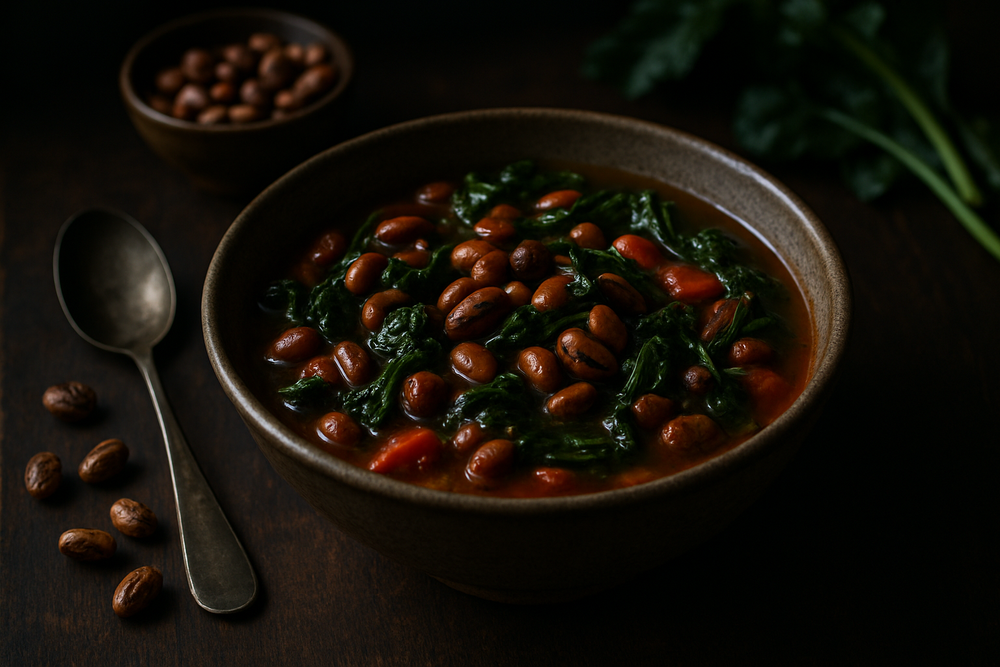
Tiger's Eye Beans · Photograph
Discover Tiger's Eye beans health benefits and nutrition facts. This heirloom bean cooks fast, delivers 15 g plant protein and 15 g fiber per cup, and supports heart health, blood sugar balance, and digestion. Learn how to cook, serve, and who should take care.
Key Nutrients
% Daily Value based on 2,000 cal diet
Key active compounds
Tiger's Eye beans contain a range of compounds that researchers believe account for much of legumes' health-supporting potential:
- Soluble fiber — dissolves in water to form a gel-like substance in the gut; slows glucose absorption and helps lower LDL (low-density lipoprotein, or "bad") cholesterol.
- Insoluble fiber — adds bulk to stool and supports bowel regularity.
- Resistant starch — a type of starch that bypasses digestion in the small intestine and is fermented by gut bacteria in the colon, feeding beneficial microbes and producing short-chain fatty acids (SCFAs) that support gut lining health.
- Polyphenols — a broad class of plant compounds found especially in the pigmented seed coat; act as antioxidants and may reduce oxidative stress (cellular damage from unstable molecules called free radicals).
- Flavonoids — a subgroup of polyphenols that may modulate inflammation and support blood vessel function.
- Phenolic acids — plant-derived organic compounds with antioxidant activity, common in legume seed coats.
- Oligosaccharides (e.g., raffinose, stachyose) — short-chain carbohydrates that human enzymes cannot fully break down; they act as prebiotics (food for beneficial gut bacteria) but can also cause gas in some people.
- Folate (Vitamin B9) — essential B vitamin present in notably high amounts; critical for DNA synthesis and cell division.
- Phytates — naturally occurring compounds that bind some minerals; can slightly reduce absorption of iron and zinc, but this effect is partially offset by pairing with vitamin C-rich foods.
Prep and pairing ideas
Tiger's Eye beans are exceptionally versatile. Their creamy, slightly nutty flavor pairs well with bold aromatics and holds up in long-cooked dishes without turning to mush.
Common pairings:
- Tiger's Eye beans + garlic + smoked paprika — a classic "pot bean" combination. The beans absorb the smoky, savory depth while the garlic adds allicin-rich compounds that complement the beans' cardiovascular benefits. Serve with a simple green salad and crusty sourdough.
- Tiger's Eye beans + tomatoes + leafy greens — the vitamin C in tomatoes boosts non-heme iron absorption from the beans, while leafy greens (spinach, kale) add folate and calcium to make a genuinely nutrient-dense one-pot meal. Works beautifully as a stew or shakshuka-style dish.
- Tiger's Eye beans + lemon juice + tahini — blended into a creamy dip or spread. Lemon juice adds vitamin C (iron absorption), tahini adds calcium and additional plant protein, and the result is a protein-rich alternative to hummus. Serve with raw vegetables or whole-grain pita.
Basic stovetop method:
- Rinse beans and pick out any debris.
- Optional short soak: cover with cold water for 2–4 hours, then drain and rinse.
- Cover with fresh water by about 3 inches; bring to a rolling boil and boil for 10–15 minutes.
- Reduce heat to a gentle simmer; add aromatics if desired (bay leaf, garlic, onion).
- Simmer 1–2 hours (less if fresh or short-soaked), checking every 30 minutes, until beans are completely tender and creamy throughout.
- Season with salt near the end of cooking (early salting can toughen skins).
Bottom line
Tiger's Eye beans are a nutritionally dense, versatile heirloom legume that earns its place in any plant-forward kitchen. Per cup cooked, they deliver substantial plant protein, exceptional fiber, over half the daily value for folate, and a range of minerals and phytochemicals. The evidence base on beans and pulses broadly is strong: regular consumption is consistently linked to better cholesterol profiles, healthier blood sugar response, and improved gut health — benefits that Tiger's Eye beans, sharing the same nutritional profile as other common beans, are well-positioned to support.
Their practical edge — thin skin, quick cook time, creamy texture, low-gas reputation — makes them one of the more accessible dry beans to add to a regular rotation. Cook them fully, introduce them gradually, and pair them with vitamin C-rich foods. Beyond that, they are simply a delicious whole food that pulls significant nutritional weight.
If you want to explore other evidence-backed plant foods to support your health goals, see our whole-food plant-based goals guide.
How Tiger's Eye Beans Compares
| Compared with | What's different |
|---|---|
| Tiger's Eye Beans vs. Pinto Beans | Pinto beans have a grainier texture, whereas Tiger's Eye beans are exceptionally creamy and smooth. |
| Tiger's Eye Beans vs. Kidney Beans | Tiger's Eye beans have a much thinner skin that dissolves quickly, making them faster to cook. |
Health Benefits
Things to Know
Cook thoroughly, every time.: Raw and undercooked common beans contain phytohemagglutinin (a type of lectin), which causes nausea, vomiting, and diarrhea. Always boil for at least 10–15 minutes, then simmer until beans are completely soft and creamy before eating.
Introduce gradually if you are new to beans.: Start with a quarter cup serving two to three times per week and increase over several weeks to allow gut bacteria to adapt and reduce gas.
IBS and SIBO: Individuals with irritable bowel syndrome (IBS) or small intestinal bacterial overgrowth (SIBO) may react to the fermentable oligosaccharides in beans. Work with a dietitian if beans consistently cause significant discomfort.
Kidney disease: People with advanced chronic kidney disease (CKD) who are advised to limit dietary potassium or phosphorus should discuss legume intake with their nephrologist (kidney specialist) or dietitian, as one cup provides substantial potassium.
Iron absorption: The phytates in beans slightly reduce non-heme iron absorption. Eating Tiger's Eye beans with a vitamin C–rich food (tomatoes, bell pepper, citrus juice) improves iron uptake meaningfully.
Medication timing: High-fiber meals can slightly delay absorption of some oral medications, including thyroid hormone (levothyroxine) and some antibiotics. Spacing high-fiber bean meals two hours from medications is often recommended — check with your pharmacist.
Potassium interactions: If you take potassium-sparing diuretics or ACE inhibitors (blood pressure medications), regular high-bean intake may increase potassium to levels worth monitoring. Ask your prescribing clinician.
Legume allergy: Rare, but possible. If you have a known allergy to other legumes (peanuts, soybeans, lentils), introduce Tiger's Eye beans cautiously and watch for reactions.
Pregnancy: Tiger's Eye beans are a valuable folate source in pregnancy. Folate from food does not carry the risk of excess associated with high-dose supplements, but total folate intake (from food plus prenatal supplements) should be discussed with your midwife or OB.
Prep Ideas
- — Tiger's Eye beans + garlic + smoked paprika — a classic "pot bean" combination. The beans absorb the smoky, savory depth while the garlic adds allicin-rich compounds that complement the beans' cardiovascular benefits. Serve with a simple green salad and crusty sourdough.
- — Tiger's Eye beans + tomatoes + leafy greens — the vitamin C in tomatoes boosts non-heme iron absorption from the beans, while leafy greens (spinach, kale) add folate and calcium to make a genuinely nutrient-dense one-pot meal. Works beautifully as a stew or shakshuka-style dish.
- — Tiger's Eye beans + lemon juice + tahini — blended into a creamy dip or spread. Lemon juice adds vitamin C (iron absorption), tahini adds calcium and additional plant protein, and the result is a protein-rich alternative to hummus. Serve with raw vegetables or whole-grain pita.
- — Rinse beans and pick out any debris.
- — Optional short soak: cover with cold water for 2–4 hours, then drain and rinse.
- — Cover with fresh water by about 3 inches; bring to a rolling boil and boil for 10–15 minutes.
- — Reduce heat to a gentle simmer; add aromatics if desired (bay leaf, garlic, onion).
- — Simmer 1–2 hours (less if fresh or short-soaked), checking every 30 minutes, until beans are completely tender and creamy throughout.
- — Season with salt near the end of cooking (early salting can toughen skins).
Glossary
Shop This Ingredient
Stock your pantry with quality tiger's eye beans.
Buy on AmazonAs an Amazon Associate, Plantopedia earns from qualifying purchases. This costs you nothing extra and helps us keep the encyclopedia free.
Frequently Asked Questions
The evidence base below comes from research on common beans and pulses generally, not Tiger's Eye specifically. Where the science is strong, it reflects multiple human trials and systematic reviews. Heart and circulation Regular bean and pulse consumption is one of the better-supported dietary strategies for cardiometabolic health (health of the heart and metabolic system). Reviews of human studies report that eating roughly one serving of beans per day — replacing refined carbohydrates or some animal protein — is associated with meaningful reductions in total cholesterol, LDL cholesterol, and blood pressure. The likely drivers are soluble fiber (which binds bile acids in the gut, prompting the liver to use circulating cholesterol to make more), potassium (which helps counterbalance sodium's effect on blood pressure), magnesium, and plant protein. Tiger's Eye beans provide all of these. At 750 mg potassium and 15 g fiber per cup, a single serving meaningfully contributes to nutrient targets that many adults miss. Digestive health and microbiome Beans are among the richest sources of fermentable fiber and resistant starch in the human diet. In the colon, gut bacteria ferment these compounds into SCFAs — particularly butyrate — which serve as the primary fuel for colon cells, support gut barrier integrity, and may have anti-inflammatory effects locally. Human studies link higher legume intake to greater microbial diversity (a marker of gut health) and more regular bowel movements. Tiger's Eye beans cook to a very soft, creamy consistency, which some people find gentler on the gut than firmer, thicker-skinned beans. Their oligosaccharides do still reach the colon and can cause gas, particularly for people who eat beans infrequently. Gradual introduction — starting with a quarter cup and building up — is the most practical way to improve tolerance. Blood sugar and metabolism Dry beans have a low glycemic index (GI) — a measure of how quickly a food raises blood glucose — because their fiber, protein, and resistant starch all slow carbohydrate digestion. Clinical studies of pulses show improved blood glucose levels after meals, better glycemic control in people with type 2 diabetes, and lower risk of developing diabetes when beans regularly replace refined grains. The effect is consistent across bean types with similar macronutrient profiles, which includes Tiger's Eye. Inflammation and recovery Polyphenols, flavonoids, and phenolic acids in bean seed coats have demonstrated antioxidant activity in lab and some human studies. Legume-enriched diets have shown modest reductions in inflammatory markers like CRP (C-reactive protein, a blood marker of inflammation) in some human trials, though results are not uniform. Evidence is emerging rather than definitive, and this is not a reason to treat Tiger's Eye beans as an anti-inflammatory supplement — but as part of a varied plant-rich diet, the phytochemical contribution is real. Hormones and cycle health Tiger's Eye beans are notably high in folate, providing around 63% of the daily value per cup. Folate is essential for DNA synthesis and cell division, and adequate intake is strongly linked in epidemiological research to reduced risk of neural tube defects in early pregnancy. Legumes also supply iron, magnesium, and zinc — nutrients involved in hormone synthesis, menstrual health, and reproductive function. The folate content alone makes Tiger's Eye beans a stand-out food for people who are pregnant, planning to become pregnant, or who menstruate. Note: these effects are driven by specific nutrients, not by the bean variety itself performing any hormone-specific action.
Tiger's Eye beans are almost exclusively available as whole dried beans, and that whole-food form is the best supported by nutrition research. Here is how the main preparation methods compare: Dry beans cooked from scratch — the gold standard for fiber and nutrient retention. Tiger's Eye beans can be briefly soaked (2–4 hours) or cooked without soaking; either way, simmer until fully tender and creamy. The cooking liquid (pot likker) retains water-soluble nutrients like potassium and some B vitamins, so using it as a broth-base in soups is a smart move. Slow-cooker preparation — convenient and effective. Low setting for 8–10 hours produces a very tender result. Important: always bring beans to a boil before slow cooking, or boil separately for 10–15 minutes first. This step inactivates lectins (proteins in raw beans that can cause stomach upset). Pressure cooker — fastest option; 20–25 minutes at high pressure (after a brief soak) produces tender beans while preserving nutrients well. Canned equivalent — no widely distributed canned Tiger's Eye bean product exists at time of writing, but if you find one, look for "no added salt" or "low sodium" on the label. Rinse before using to further reduce sodium. Buying guide tip: Look for Tiger's Eye beans at specialty seed companies, heirloom bean suppliers, and natural food stores. Choose beans from the most recent harvest year possible (check the package or ask the supplier) — fresher dried beans cook faster and have better texture. Store in an airtight container away from heat and light; they keep well for up to a year, though older beans may need longer cooking. Avoid bags with a lot of cracked, shriveled, or discolored beans.
Most human studies on beans and pulses that show cardiometabolic benefits use roughly ½ to 1 cup cooked beans per day, or several servings per week. For people new to beans, starting with ¼ cup two to three times per week and gradually increasing is a practical approach that helps the gut adapt. There is no established upper limit for healthy adults eating cooked beans — very high intakes are unlikely to cause harm in people with normal kidney function, though digestive tolerance varies. The practical guidance from dietary guidelines is simply "eat more legumes," with at least 3–4 servings per week as a reasonable target for most adults. Practical starting point: Add Tiger's Eye beans to one meal per week to begin. Work toward 3–4 bean-centered meals per week — even small increases from baseline are associated with improved nutrient intake in population studies.
Quick Answers
Common questions, answered in a line.
Tiger's Eye beans are a rich source of plant protein and fiber, providing 15 grams of each per cooked cup. They are also high in folate (Vitamin B9), minerals, and health-supporting antioxidants like polyphenols and flavonoids found in their pigmented seed coats.
You should boil Tiger's Eye beans for at least 10–15 minutes and then simmer them until they are completely soft and creamy. Raw or undercooked beans contain phytohemagglutinin, a lectin that can cause nausea, vomiting, and diarrhea if not neutralized by thorough cooking.
Tiger's Eye beans support heart health by providing soluble fiber, which helps lower LDL (bad) cholesterol. Additionally, the flavonoids in these beans may support healthy blood vessel function and modulate inflammation, contributing to overall cardiovascular wellness.
Yes, Tiger's Eye beans are excellent for digestion because they contain both insoluble fiber for bowel regularity and resistant starch. Resistant starch acts as a prebiotic, feeding beneficial gut microbes and producing short-chain fatty acids that support the health of the gut lining.
To maximize iron absorption, pair Tiger's Eye beans with foods high in vitamin C, such as tomatoes, bell peppers, or lemon juice. While the phytates in beans can naturally reduce mineral uptake, vitamin C helps offset this effect to improve your body's iron absorption.
Tiger's Eye beans contain soluble fiber and resistant starch, which slow down glucose absorption in the gut. This nutritional profile helps support a healthier blood sugar response, making them a beneficial choice for maintaining glucose balance.
People with advanced kidney disease, IBS, SIBO, or those taking specific medications like potassium-sparing diuretics should consult a professional before eating large amounts. The beans are high in potassium and fermentable carbohydrates that may require monitoring in these cases.
For Readers in the USA
Local context — sourcing, seasonality, and regional notes.
You can buy Tiger's Eye beans at specialty grocers like Whole Foods Market, through heirloom seed companies like Baker Creek, or via online retailers such as Rancho Gordo. Because they are an heirloom variety, they are less common in standard supermarkets and are frequently sold at local farmers markets during the fall harvest.
In the U.S., Tiger's Eye beans are typically harvested in late summer and early autumn, primarily appearing in markets from September through November. While the dried beans are available year-round through specialty suppliers, the freshest "new crop" beans are sought after by American cooks for their shorter soaking and cooking times.
Tiger's Eye beans are widely grown by home gardeners and small-scale farms across the United States, particularly in the Pacific Northwest and Northeast where the climate supports heirloom legumes. They are a favorite in American "pot bean" culture, often used as a substitute for pinto or kidney beans in regional dishes like Southwestern chili or New England baked beans.
When buying Tiger's Eye beans in the U.S., look for the USDA Organic seal to ensure they were grown without synthetic pesticides or fertilizers. The FDA regulates these beans as a shelf-stable dry good, and because they are a non-GMO heirloom variety, they are popular among American consumers seeking minimally processed, heritage food sources.
AI Clinical Review
- Grounds its claims in the broader evidence on common beans and pulses, which consistently shows benefits for LDL cholesterol, blood pressure, and glycemic control when eaten regularly.
- Highlights a realistic nutrition profile (high fiber, plant protein, folate, iron, magnesium, potassium) that aligns with USDA data for cooked dry beans; noting variability by variety and preparation is appropriate.
- Explains digestibility in practical terms (soluble/insoluble fiber, resistant starch, short-chain fatty acids) and suggests gradual introduction to reduce gas—sound advice for most people.
- Emphasizes safety: fully cooking beans to inactivate lectins and pre‑boiling before slow‑cooking are important, evidence‑based precautions.
- No clinical trials focus on Tiger’s Eye specifically; applying findings from other Phaseolus vulgaris beans is reasonable but not definitive.
- The “low‑gas” reputation is mostly anecdotal. Oligosaccharide content and tolerance vary by person, cooking method, and overall diet.
- Claims around polyphenols and inflammation are promising but mixed in human studies; effects are modest and best viewed as part of an overall healthy dietary pattern.
- Folate values in heirloom varieties can vary by growing conditions and cooking losses; lab‑measured numbers may differ from estimates.
- A practical intake associated with benefits in studies is about 1/2 to 1 cup cooked beans per day (or several times per week). New to beans? Start around 1/4 cup and increase gradually.
- People with advanced chronic kidney disease, or those on ACE inhibitors/ARBs or potassium‑sparing diuretics, should monitor potassium and discuss portions with their clinician.
- Individuals with IBS/SIBO may need smaller portions or specific prep (soaking, rinsing, pressure‑cooking); tolerance is highly individual.
- High‑fiber meals can affect timing of certain medications (e.g., levothyroxine, some antibiotics). Spacing doses by a couple of hours is commonly advised—confirm with your pharmacist or prescriber.
- Food folate is valuable in pregnancy, but it complements rather than replaces recommended folic acid from prenatal supplements; confirm total daily intake with your OB/midwife.
Cook until tender before eating.
References
- USDA FoodData Central — nutrient data for cooked dry beans (fdc.nal.usda.gov)
- Harvard T.H. Chan School of Public Health, Nutrition Source — Legumes and Pulses overview (nutritionsource.hsph.harvard.edu)
- Nutrition and Human Health Benefits of Dry Beans and Other Pulses — academic review chapter, Wiley (onlinelibrary.wiley.com)
- Tiger's Eye Shelling Beans — variety description and culinary notes, Specialty Produce (specialtyproduce.com)
- Featured Cooking Bean: Tiger's Eye — culinary preparation guide, Happy Acres blog (happyacres.blog)
- Tiger Eye Bean, Ujamaa Seeds — variety nutrient and culinary notes (ujamaaseeds.com)
- Creamy Tiger Eye Bean Dip — preparation and recipe (seacoasteatlocal.org)
- Tiger's Eye Beans recipe notes, Radical Family Farms (radicalfamilyfarms.com)
- PMC review on legume bioactives and cardiometabolic health (pmc.ncbi.nlm.nih.gov)
- PMC review on dietary pulses and metabolic outcomes (pmc.ncbi.nlm.nih.gov)
Know Your Numbers
Eating healthy is a start. Now get to know your biomarkers.
Food changes bloodwork — inflammation, lipids, blood sugar and nutrient status all respond to what you eat. 59 markers from $59.
- Results in 7–10 days at 2,000+ Quest sites
- Licensed provider reviews every result
- One flat price, no membership, HSA/FSA eligible
Educational information only, not medical advice. Panels are ordered and reviewed through our licensed partner; Plantopedia may earn a commission.