Ful Medames Beans — health benefits and uses
An ancient Egyptian breakfast staple eaten for lasting morning energy.
The Short Answer
Ful medames provides 7.6g of protein and 5.4g of fiber per cup, serving as a nutrient-dense legume that supports heart health and digestion. However, individuals with G6PD deficiency must avoid them due to compounds that can trigger favism.
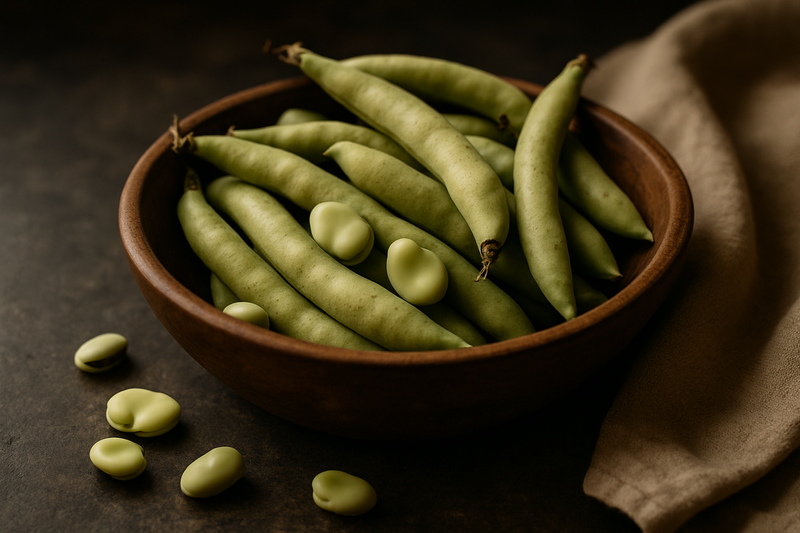
Ful Medames Beans · Photograph
Discover the ful medames health benefits and side effects — from heart health and blood sugar support to the critical G6PD deficiency warning. Evidence-based nutrition facts, prep tips, and daily intake guidance for Egypt's beloved fava bean breakfast.
Key Nutrients
% Daily Value based on 2,000 cal diet
Key Active Compounds in Fava Beans
Fava beans contain several bioactive compounds that explain both their benefits and their most important safety concern.
- Vicine — A β-glucoside (a sugar-bound plant compound) naturally present in fava beans at up to about 2% of dry weight. In the gut, it breaks down to a metabolite called divicine, a potent oxidizing agent. For most people this is harmless; for those with G6PD deficiency, divicine can destroy red blood cells.
- Convicine — A closely related β-glucoside that converts in the gut to isouramil, another strong oxidant. Together with divicine, isouramil is considered a primary trigger of favism (see safety section below).
- Divicine and isouramil — The active metabolites of vicine and convicine. These cause oxidative stress inside red blood cells, which is manageable for most people but catastrophic for individuals whose red cells already lack adequate antioxidant protection due to G6PD deficiency.
- Polyphenols — Fava beans contain a range of flavonoids and phenolic acids, broad categories of plant antioxidants. These are thought to support vascular health and a favorable gut environment, though fava-specific data are limited.
- L-DOPA (levodopa) — Fava beans are a natural dietary source of levodopa, the precursor to the neurotransmitter dopamine. Amounts vary widely between varieties and preparations. This has sparked research interest in Parkinson's disease, though evidence remains preliminary and unsupervised use is not recommended.
- Resistant starch and fermentable fiber — Not a single compound, but a physiologically important fraction that feeds beneficial gut bacteria and produces short-chain fatty acids (SCFAs), which support gut wall integrity and may dampen systemic inflammation.
Prep and Pairing Ideas
Classic ful medames is already a near-complete meal, but small additions dramatically improve both flavor and nutrition.
The baseline: Soak dried small brown fava beans overnight in cold water. Drain, cover with fresh water, and simmer on low heat for 1.5–3 hours until completely soft and starting to break down. Season with: fresh lemon juice (adds vitamin C → boosts iron absorption), minced garlic (antimicrobial allicin), ground cumin, a pinch of salt, and a drizzle of extra-virgin olive oil. Serve warm with a sprinkle of fresh parsley.
Three practical pairings:
- Ful medames + whole grain flatbread (such as whole wheat pita or Egyptian aish baladi) — The beans provide the protein and fiber; the bread adds complex carbohydrates and a small additional amino acid complement. This pairing is the traditional Egyptian breakfast and is nutritionally self-sufficient. The bread also gives you something to scoop with, reducing utensil dependence.
- Ful medames + sliced tomatoes and cucumber — A classic mezze accompaniment that adds lycopene, vitamin C (further boosting iron absorption), and hydration. The freshness contrasts the earthy warmth of the beans beautifully. This combination fits a Mediterranean diet pattern with near-zero effort.
- Ful medames + a soft-boiled or poached egg (or silken tofu for full vegan) — Adds a complete protein boost and additional B12 (egg) or calcium (tofu). This pairing suits people who need higher protein targets — athletes, older adults, or those recovering from illness — while keeping the dish recognizably Middle Eastern in feel.
Bottom Line
Ful medames is one of the most nutritionally complete breakfasts in the culinary world — a slow-food tradition that modern nutrition science largely validates. For people without G6PD deficiency, regular consumption of these small brown fava beans can support heart health, blood sugar regulation, digestive regularity, and overall micronutrient intake, particularly folate and iron. It is cheap, shelf-stable (dried), culturally rich, and remarkably versatile.
The one non-negotiable caveat deserves repeating: if you have G6PD deficiency, fava beans in any form are dangerous. The oxidant compounds they contain survive cooking and can trigger a serious blood crisis. Get tested if you are unsure — it is a simple blood test.
For everyone else, a bowl of warm ful medames dressed with lemon, garlic, cumin, and olive oil is an ancient breakfast that holds up very well to modern nutritional scrutiny.
How Ful Medames Beans Compares
| Compared with | What's different |
|---|---|
| Ful Medames Beans vs. Broad Beans | Ful uses smaller brown fava beans (Vicia faba) while broad beans are large, flat, and green. |
| Ful Medames Beans vs. Chickpeas | Ful medames is heartier and earthier, whereas chickpeas are firm, nutty, and slightly sweeter. |
Health Benefits
Things to Know
Breastfeeding mothers of G6PD-deficient infants: Clinical guidance advises against consuming fava beans because the risk of hemolysis can extend to the infant through breast milk.
People with IBS or sensitive digestion: Start with very small portions (¼ cup cooked) and build up slowly; thoroughly cook beans until completely soft and mashable.
People on sodium-restricted diets: Use home-cooked dried beans or rinse canned beans thoroughly.
People taking insulin or sulfonylureas: Monitor blood glucose when meaningfully increasing legume intake.
People taking Parkinson's medications (levodopa/carbidopa): The natural L-DOPA in fava beans may interact with pharmaceutical dosing. Consult your neurologist before eating large amounts regularly.
People taking oxidant-sensitive medications: (certain antimalarials, sulfonamides, nitrofurantoin): If you have not been tested for G6PD deficiency and take these medications, discuss fava bean intake with your prescriber.
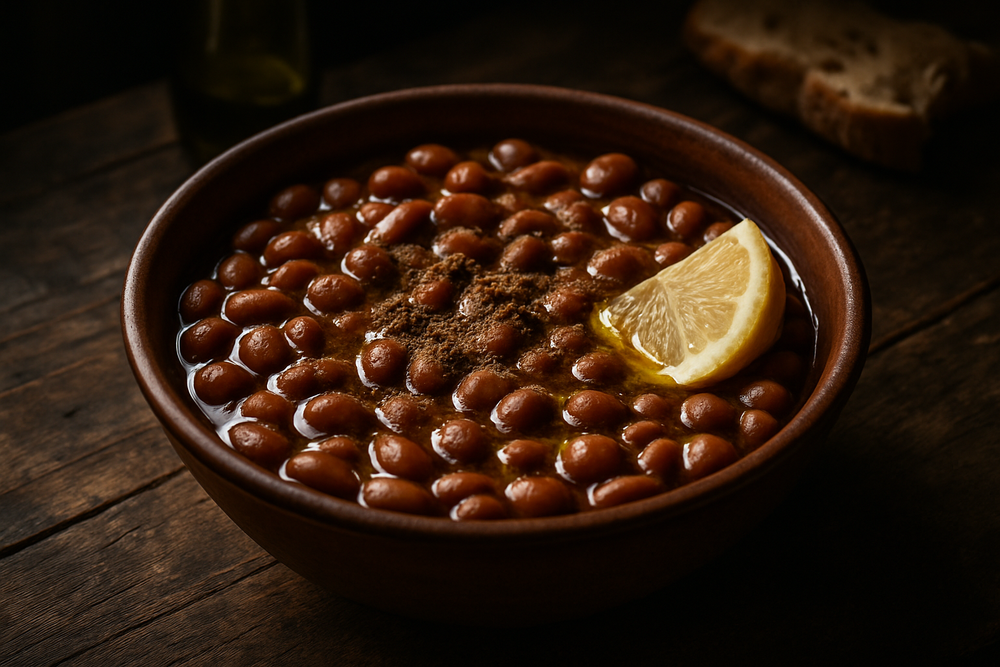
Prep Ideas
- — **Ful medames + whole grain flatbread (such as whole wheat pita or Egyptian *****aish baladi*****)** — The beans provide the protein and fiber; the bread adds complex carbohydrates and a small additional amino acid complement. This pairing is the traditional Egyptian breakfast and is nutritionally self-sufficient. The bread also gives you something to scoop with, reducing utensil dependence.
- — **Ful medames + sliced tomatoes and cucumber** — A classic mezze accompaniment that adds lycopene, vitamin C (further boosting iron absorption), and hydration. The freshness contrasts the earthy warmth of the beans beautifully. This combination fits a Mediterranean diet pattern with near-zero effort.
- — **Ful medames + a soft-boiled or poached egg (or silken tofu for full vegan)** — Adds a complete protein boost and additional B12 (egg) or calcium (tofu). This pairing suits people who need higher protein targets — athletes, older adults, or those recovering from illness — while keeping the dish recognizably Middle Eastern in feel.
Glossary
Shop This Ingredient
Stock your pantry with quality ful medames beans.
Buy on AmazonAs an Amazon Associate, Plantopedia earns from qualifying purchases. This costs you nothing extra and helps us keep the encyclopedia free.
Frequently Asked Questions
Most of the human evidence below comes from mixed-legume studies rather than fava-bean-specific trials. Because ful medames shares the macronutrient and fiber profile of well-studied pulses, researchers consider the findings reasonably applicable — but this is worth keeping in mind when weighing the evidence. Heart and Circulation Large observational studies and randomized dietary trials consistently associate regular legume intake with lower LDL cholesterol ("bad" cholesterol), improved overall cardiometabolic profiles, and reduced cardiovascular disease risk when legumes replace refined carbohydrates or animal protein in the diet. The mechanisms are well understood: soluble fiber in legumes binds bile acids in the gut, which pulls cholesterol away from circulation to replenish them; plant protein may modestly lower blood pressure; and potassium supports healthy vascular tone. At ≈380 mg of potassium per 100 g serving, fava beans make a meaningful contribution to a heart-healthy intake pattern. A practical note: the health benefits of ful medames can be partially offset by recipe additions. A heavy hand with salt (from canned beans or added during cooking) or excess oil can push sodium and saturated fat up. Home-prepared ful medames, cooked from dried beans with light seasoning, gives you full control. Digestive Health and Microbiome Evidence here is strong and consistent. Diets higher in legumes reliably increase total fiber intake and improve bowel regularity, stool bulk, and digestive comfort in most adults when intake is increased gradually. Ful medames contributes both insoluble fiber (adds bulk, supports motility) and soluble/fermentable fiber (feeds gut bacteria, generating SCFAs like butyrate that nourish the colon lining and may help regulate local immune responses). The catch: if you are not used to eating beans, jumping straight to a large bowl every morning can cause gas, bloating, or loose stools. This is a fermentation effect, not a sign of harm. Starting with ¼–½ cup and building up over 2–3 weeks, combined with thorough cooking (the beans should be completely soft and mashable), manages this well for most people. Blood Sugar and Metabolism Fava beans have a low glycemic load — meaning they raise blood sugar slowly and modestly compared with bread, white rice, or many cereals. This is driven by the combination of complex carbohydrates, substantial fiber, and protein, all of which slow gastric emptying and glucose absorption. Human trials on pulses as a group show that substituting beans for high-GI starches can improve post-meal blood sugar responses and, over weeks to months, modestly improve fasting glucose and insulin sensitivity in people with insulin resistance or type 2 diabetes. Starting breakfast with ful medames rather than refined grains may support sustained energy and reduce the mid-morning snack urge, indirectly supporting blood sugar patterns throughout the day. People using insulin or sulfonylureas (a class of diabetes medication) should monitor their glucose when significantly increasing legume intake, as improved insulin sensitivity can sometimes reduce medication requirements. Inflammation and Recovery Evidence at this level is emerging rather than established for fava beans specifically. Some human dietary intervention studies using mixed legumes report reductions in C-reactive protein (CRP), a blood marker of systemic inflammation, likely mediated by gut-derived SCFA production, better glycemic regulation, and weight stability. Polyphenols in fava beans may add an antioxidant contribution. These effects, if present, are modest and occur as part of an overall dietary pattern — ful medames is not an anti-inflammatory "treatment," but it fits well into an eating style that supports lower background inflammation.
Choosing the right form of fava beans affects convenience, sodium content, and overall nutrition. Dried small brown fava beans (the traditional choice) Best nutritional integrity and lowest sodium. Look for small, dark-skinned "ful medames" or "Egyptian fava beans" specifically — these are different from the larger, lighter-colored broad beans sold in Western supermarkets. Both are Vicia faba, but the smaller variety cooks into the classic creamy texture. Buy from shops with high turnover (Middle Eastern grocery stores are reliable). Old dried beans take much longer to cook and never fully soften. Soak 8–12 hours (or overnight), discard soaking water, and simmer 1.5–3 hours until completely tender. Canned fava beans Convenient and nutritionally comparable in protein and fiber to home-cooked. Check sodium: many brands contain 200–400 mg per serving. Rinsing under cold water for 30 seconds can reduce sodium by roughly 30–40%. Some canned "ful medames" products are sold pre-seasoned — read the label if you are watching sodium or added ingredients. Look for cans with short ingredient lists: fava beans, water, salt. Frozen fava beans Typically the large, green, fresh-season variety rather than the small brown dried type used for ful medames. Texture and flavor are different. Nutritionally sound, but they make a different dish — closer to a side vegetable than the classic stew. Label tip: For the most authentic ful medames, the label should say "small fava beans," "ful," or "ful medames." If you see only "broad beans" or "fava beans" without a size indication, check the photo or ask the retailer.
Most legume-focused clinical trials that show cardiometabolic benefits use approximately ½ to 1 cup (roughly 100–170 g) of cooked beans daily, consumed most days of the week. Traditional ful medames portions in Egypt run similar, roughly ½ to 1.5 cups per breakfast sitting. Practical starting guidance: If you are new to legumes: Start with ¼ cup cooked and eat it 2–3 times per week for the first 2 weeks to let your gut microbiome adapt. Gradually increase portion size and frequency. If you already eat legumes regularly: A full serving of 1 cup (≈170 g cooked, about 300 calories before additions) at breakfast 4–7 mornings per week is consistent with evidence-supported legume intake patterns. For higher protein needs (athletes, older adults, those on high-protein plant-based diets): Two servings (up to ≈300 g cooked) per meal is achievable, though watch sodium if using canned beans and monitor for digestive comfort. Upper practical limit: There is no established toxicological upper limit for legume consumption in healthy people without G6PD deficiency. Excess fiber from very large portions can cause gas and loose stools; this is the practical ceiling for most people. Exploring high-fiber plant-based breakfast ideas? See our High-Fiber Breakfast Goals Guide for how ful medames fits a whole-food plant-based morning routine.
Quick Answers
Common questions, answered in a line.
You should avoid eating fava beans if you have Glucose-6-Phosphate Dehydrogenase (G6PD) deficiency. The beans contain compounds called vicine and convicine that can trigger favism, a dangerous condition where red blood cells are destroyed in susceptible individuals.
Adding fresh lemon juice to ful medames provides vitamin C, which significantly boosts the absorption of the iron found in the beans. This simple addition helps maximize the nutritional value of the meal, especially for those looking to increase their mineral intake.
Fava beans are a natural dietary source of L-DOPA (levodopa), which is the precursor to the neurotransmitter dopamine. While this has sparked research interest regarding Parkinson’s disease, you should consult a neurologist before using them for this purpose as L-DOPA levels vary widely.
Nursing mothers of infants with G6PD deficiency should avoid eating fava beans because the risk of hemolysis can extend to the baby through breast milk. The oxidizing metabolites produced by the beans can be passed to the infant, potentially causing a serious blood crisis.
To prepare dried fava beans for ful medames, soak them overnight in cold water, then simmer them on low heat for 1.5 to 3 hours until they are soft and breaking down. Once cooked, season them with lemon juice, garlic, cumin, salt, and extra-virgin olive oil.
If you have IBS or a sensitive digestive system, start with very small portions of about 1/4 cup of cooked beans and increase your intake slowly. Ensure the beans are cooked until they are completely soft and mashable to make them easier to digest.
Pairing ful medames with whole grain flatbread like whole wheat pita or Egyptian aish baladi creates a nutritionally self-sufficient meal. The beans provide protein and fiber, while the bread adds complex carbohydrates and a complementary amino acid profile.
For Readers in the USA
Local context — sourcing, seasonality, and regional notes.
In the United States, fava beans are primarily grown in California and the Pacific Northwest, appearing in farmers markets from late March through June. While they are a cool-season crop typically harvested in spring, dried and canned versions for ful medames are available year-round nationwide.
You can find canned or dried fava beans at major U.S. retailers like Whole Foods, Trader Joe's, and Kroger, though Middle Eastern or Mediterranean specialty grocers offer the most authentic small brown varieties. Many American supermarkets stock them in the international aisle or near other canned legumes under brands like Goya or Ziyad.
The USDA Organic seal ensures that the fava beans were grown without synthetic pesticides or GMOs, which is a common preference for health-conscious consumers in the U.S. Additionally, the FDA requires food manufacturers to list major allergens, but fava beans are not currently classified as a "major allergen" despite their risks for those with G6PD deficiency.
While known globally as fava beans, in American culinary contexts they are sometimes referred to as broad beans or pigeon beans, especially in Southern or English-influenced regions. In U.S. health food circles, they are increasingly popular as a "plant-based protein" staple, often featured in Mediterranean-style grain bowls and breakfast scrambles.
AI Clinical Review
- Clearly explains ful medames as a high-fiber, plant-protein breakfast and accurately lists key nutrients (notably folate, iron, potassium) with realistic serving sizes.
- Aligns with strong evidence that regular legume intake can help lower LDL cholesterol, smooth post‑meal blood sugar, and improve bowel regularity when legumes replace refined carbs.
- Emphasizes the well‑established, non‑negotiable safety issue: people with G6PD deficiency must avoid fava beans; cooking does not remove the risk.
- Offers practical preparation tips (soaking, thorough cooking, gradual portion increases) and sensible sodium guidance for canned beans, including rinsing to lower sodium.
- Notes vitamin C from lemon can enhance absorption of plant (non‑heme) iron—an evidence‑based pairing.
- Many health claims are extrapolated from mixed‑legume studies; fava‑specific randomized trials are limited, so expected benefits are plausible but not uniquely proven for fava beans.
- Anti‑inflammatory effects (e.g., CRP reduction) appear modest and context‑dependent; they reflect overall dietary patterns rather than ful medames alone.
- L‑DOPA content in fava beans varies widely by variety and preparation; any Parkinson’s‑related benefit remains investigational and should not replace prescribed therapy.
- Microbiome benefits are likely but individualized; tolerance and glycemic responses can vary based on a person’s baseline diet and gut sensitivity.
- Safety: Absolute avoidance if you have G6PD deficiency; breastfeeding parents of G6PD‑deficient infants should also avoid fava beans. Seek care urgently for post‑ingestion signs of hemolysis (e.g., dark urine, jaundice, extreme fatigue).
- Medications: Monitor closely and speak with a clinician if you use insulin or sulfonylureas (glucose may improve with higher legume intake), take levodopa/carbidopa (potential interaction with dietary L‑DOPA), or use oxidant‑sensitive drugs (e.g., certain antimalarials, sulfonamides, nitrofurantoin).
- Practical intake: Evidence‑consistent ranges are about 1/2–1 cup cooked most days; newcomers can start with 1/4 cup and increase over 2–3 weeks to minimize gas/bloating.
- Form and sodium: Traditional ful uses small brown fava beans; larger green broad beans make a different dish. Canned beans are nutritionally comparable but watch sodium—rinsing typically lowers it substantially (around one‑third).
Not for anyone with G6PD deficiency (favism); cook thoroughly.
References
- USDA FoodData Central — Broadbeans (fava beans), mature seeds, cooked, boiled (batchbase.com.au)
- Harvard T.H. Chan School of Public Health — Legumes and Pulses nutrition overview (nutritionsource.hsph.harvard.edu)
- NIH LactMed — Fava Beans: drug and lactation database entry covering G6PD breastfeeding risk (ncbi.nlm.nih.gov)
- Cleveland Clinic — G6PD Deficiency: symptoms, causes, and treatment (my.clevelandclinic.org)
- PMC Review — Favism and Glucose-6-Phosphate Dehydrogenase Deficiency (mechanism and epidemiology) (pmc.ncbi.nlm.nih.gov)
- PMC Case series — Acute hemolysis and methemoglobinemia following fava bean ingestion in G6PD deficiency (pmc.ncbi.nlm.nih.gov)
- Springer European Journal of Pediatrics — Severe hemolysis and methemoglobinemia following fava beans in G6PD deficiency: case report and literature review (link.springer.com)
- ASH Publications — Deconstructing the Threat of the Fava Bean (hematology narrative review on vicine/convicine mechanism) (ashpublications.org)
- PMC — Syncope in the Emergency Department: A Rare Presentation of Favism (case report) (pmc.ncbi.nlm.nih.gov)
- ScienceDirect — Favism: toxicology of vicine and convicine in fava beans (sciencedirect.com)
Know Your Numbers
Eating healthy is a start. Now get to know your biomarkers.
Food changes bloodwork — inflammation, lipids, blood sugar and nutrient status all respond to what you eat. 59 markers from $59.
- Results in 7–10 days at 2,000+ Quest sites
- Licensed provider reviews every result
- One flat price, no membership, HSA/FSA eligible
Educational information only, not medical advice. Panels are ordered and reviewed through our licensed partner; Plantopedia may earn a commission.