Crowder Peas — health benefits and uses
A cornerstone of Southern soul-food cooking for generations.
The Short Answer
Crowder peas are a high-protein variety of cowpea known for their dense texture and earthy flavor. One cooked cup provides 20 grams of protein and 9 grams of fiber, making them an excellent plant-based source of iron and folate.
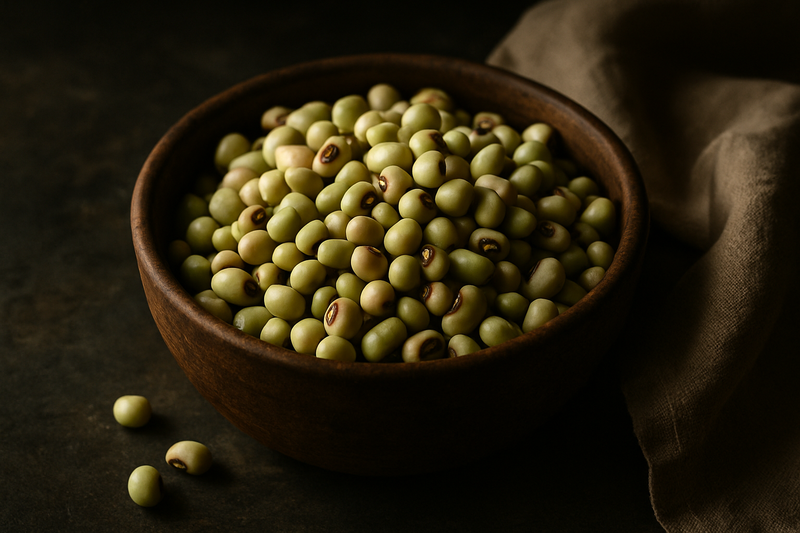
Crowder Peas · Photograph
Discover the crowder peas health benefits backed by nutrition science — from heart support and blood sugar balance to folate, iron, and gut health. Learn how to cook them Southern style, compare dried vs. canned vs. fresh field peas, and find out who should take caution.
Key Nutrients
% Daily Value based on 2,000 cal diet
Key active compounds in crowder peas
- Polyphenols (phenolic acids and flavonoids): Plant secondary metabolites — meaning compounds plants make for their own protection — that act as antioxidants in the body. Antioxidants are substances that neutralize unstable molecules called free radicals, which can damage cells over time. Early research suggests cowpea polyphenols may also have anti-inflammatory and blood-sugar-moderating effects.
- Bioactive peptides: Short protein fragments released when cowpea proteins are broken down during digestion or cooking. Some of these fragments can inhibit an enzyme called ACE (angiotensin-converting enzyme), which plays a role in raising blood pressure — suggesting a potential blood-pressure-supportive mechanism, though mostly shown in experimental models so far.
- Phytates (phytic acid): Phosphorus-containing compounds naturally present in seeds and legumes that can mildly reduce the absorption of minerals like iron and zinc. Soaking and thorough cooking reduce phytate levels. Phytates also have antioxidant properties and may have some protective roles in the body.
- Saponins: Surface-active glycosides (compounds with a sugar molecule attached) found in many legumes. They show cholesterol-lowering and immune-modulating effects in experimental studies, though crowder-pea-specific human data are limited.
- Resistant starch: A type of carbohydrate that escapes digestion in the small intestine and travels to the large intestine, where it feeds beneficial gut bacteria and produces compounds that support colon health.
Prep and pairing ideas
The classic Southern pot: Cover dried crowder peas with 3 inches of water, bring to a boil, reduce to a gentle simmer, and cook until completely tender (45–90 minutes depending on age of the peas). Season with onion, garlic, smoked paprika, and a bay leaf for a plant-based version. The dark, earthy broth — pot likker — is rich in B vitamins and minerals leached from the peas during cooking. Don't pour it down the drain. Use it as a sipping broth, a soup base, or a sauce for greens.
Common pairings that work nutritionally and culinarily:
- Crowder peas + collard greens: A Southern staple with nutritional logic behind it. Both are folate-rich, and the vitamin C in lightly cooked greens boosts absorption of the non-heme iron in the peas. The greens' calcium and magnesium complement the peas' mineral profile.
- Crowder peas + cornbread (whole-grain or stone-ground): The peas supply lysine, an amino acid that corn is low in; the corn contributes methionine, which legumes are lower in. Together they form a complementary amino acid profile — meaning you get a broader spread of the protein building blocks your body needs. (Note: you don't need to combine them at the same meal; overall daily variety in a plant-based diet is what matters most.)
- Crowder peas + tomatoes or peppers: The vitamin C in tomatoes and bell peppers significantly increases the absorption of non-heme iron from the peas. This pairing is also naturally anti-inflammatory, combining lycopene (from tomatoes) with cowpea polyphenols.
Quick weeknight ideas:
- Stir rinsed canned crowder peas into a spiced tomato sauce and serve over whole grains.
- Add cooked crowder peas to vegetable soups or stews in the last 10 minutes of cooking.
- Mash cooked crowder peas with roasted garlic, olive oil, and lemon juice for a high-protein dip.
- Toss fresh field peas (cooked and cooled) into a summer salad with corn, red onion, and vinaigrette.
Troubleshooting common crowder pea issues
Gas and bloating:
- Increase portions gradually over two to three weeks.
- Soak dried peas for 8–12 hours before cooking and discard the soak water.
- Cook peas thoroughly until completely soft — undercooked legumes ferment faster in the gut.
- Drink more water throughout the day to help fiber move smoothly.
- Most people's gut bacteria adapt within a few weeks of regular legume eating, and symptoms reduce.
Peas turning mushy:
- Older dried peas (stored for more than a year) absorb water unevenly and may turn to mush. Buy from stores with good turnover, and store dried peas in a cool, dry, airtight container. Use within one year of purchase for best texture.
Canned peas tasting too salty or soft:
- Rinse thoroughly under cold water before cooking.
- Add canned peas at the very end of cooking to prevent further softening.
- Choose no-salt-added canned versions when available.
Pot likker color — is it safe?
- Yes. The dark, reddish-brown or purplish color of the broth from crowder peas comes from the peas' natural pigments (including anthocyanins, a type of flavonoid). This is nutritious, not harmful.
Bottom line
Crowder peas are a nutritional heavyweight dressed in humble Southern tradition. They are among the most fiber-dense, folate-rich, and protein-packed whole foods you can put on a plate, and they do it all at low cost and with extraordinary versatility. The evidence base — strongest for digestive health, solid for heart and blood sugar support, and emerging for inflammation — supports making them a regular part of a plant-forward diet.
They are not a cure for anything, and they are not right in unlimited quantities for everyone — particularly people managing kidney disease or taking certain medications. But for most people, a pot of crowder peas simmering low and slow, filling the kitchen with that earthy, rich aroma, is one of the most evidence-aligned meals you can make.
Explore how crowder peas fit into your personal health goals at Plantopedia's goals hub.
How Crowder Peas Compares
| Compared with | What's different |
|---|---|
| Crowder Peas vs. Black-eyed Peas | Sweeter and milder with a creamy texture, while crowder peas are earthy and starchy. |
| Crowder Peas vs. Lady Peas | Smaller and more delicate; crowder peas are larger, denser, and produce a much darker broth. |
| Crowder Peas vs. Pinkeye Purple Hull Peas | Higher in fiber and starchier, whereas pinkeye peas have a softer skin and milder flavor. |
Health Benefits
Things to Know
Cook dried crowder peas thoroughly.: Undercooked dried cowpeas contain lectins — proteins that can cause digestive upset and, in large amounts, food poisoning. A full boil until completely tender eliminates this risk. Soaking beforehand and discarding the soak water also helps.
Increase portions gradually: if you are new to eating legumes regularly. Adding too much fiber too quickly commonly causes gas and bloating. Start with ½ cup cooked and work up over two to three weeks while drinking plenty of water.
People with chronic kidney disease (CKD): should be aware that crowder peas are high in both potassium and phosphorus. In advanced CKD, excess of either mineral can be dangerous. Discuss portion sizes with your nephrologist or renal dietitian.
People taking potassium-sparing diuretics or certain blood pressure medications: (like ACE inhibitors or ARBs) may need to monitor high-potassium foods. Talk with your clinician before substantially increasing crowder pea intake.
People using insulin, sulfonylureas, or other glucose-lowering medications: regularly eating more legumes can improve blood sugar control, which is generally good — but it may occasionally require a medication dose adjustment. Monitor your blood sugar closely when making significant dietary changes.
Iron supplement users: phytates in crowder peas can reduce non-heme iron absorption. Consider taking iron supplements between meals rather than alongside a legume-heavy dish to optimize absorption.
Legume allergy: though uncommon, cowpea allergy exists, and cross-reactivity with other legumes (including peanuts and other beans) is possible. People with a known legume or peanut allergy should seek advice from an allergist before adding crowder peas.
Pregnancy: crowder peas are an excellent folate source during pregnancy, but standard prenatal guidelines still recommend a dedicated folic acid supplement for the first trimester and preconception period in addition to dietary folate. Food folate and supplemental folic acid work together.
IBS (irritable bowel syndrome): crowder peas are high in fermentable carbohydrates (sometimes called FODMAPs — short for Fermentable Oligosaccharides, Disaccharides, Monosaccharides, and Polyols). Some people with IBS find that large servings worsen symptoms. A registered dietitian specializing in gut health can help you find your personal threshold.
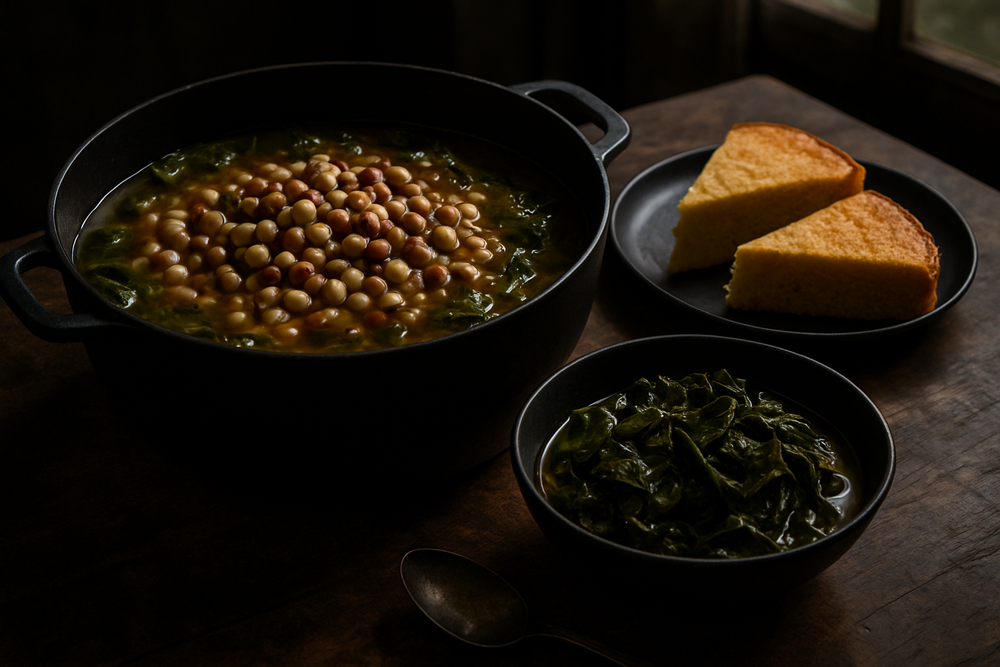
Prep Ideas
- — **Crowder peas + collard greens:** A Southern staple with nutritional logic behind it. Both are folate-rich, and the vitamin C in lightly cooked greens boosts absorption of the non-heme iron in the peas. The greens' calcium and magnesium complement the peas' mineral profile.
- — **Crowder peas + cornbread (whole-grain or stone-ground):** The peas supply lysine, an amino acid that corn is low in; the corn contributes methionine, which legumes are lower in. Together they form a complementary amino acid profile — meaning you get a broader spread of the protein building blocks your body needs. (Note: you don't need to combine them at the same meal; overall daily variety in a plant-based diet is what matters most.)
- — **Crowder peas + tomatoes or peppers:** The vitamin C in tomatoes and bell peppers significantly increases the absorption of non-heme iron from the peas. This pairing is also naturally anti-inflammatory, combining lycopene (from tomatoes) with cowpea polyphenols.
- — Stir rinsed canned crowder peas into a spiced tomato sauce and serve over whole grains.
- — Add cooked crowder peas to vegetable soups or stews in the last 10 minutes of cooking.
- — Mash cooked crowder peas with roasted garlic, olive oil, and lemon juice for a high-protein dip.
- — Toss fresh field peas (cooked and cooled) into a summer salad with corn, red onion, and vinaigrette.
Glossary
Shop This Ingredient
Stock your pantry with quality crowder peas.
Buy on AmazonAs an Amazon Associate, Plantopedia earns from qualifying purchases. This costs you nothing extra and helps us keep the encyclopedia free.
Frequently Asked Questions
Heart and circulation The crowder peas health benefits for cardiovascular health are supported by a solid body of legume research. Observational studies — studies that track people's diets over time — consistently link higher legume consumption to lower rates of heart disease, and clinical trials (where people are given specific foods to eat) using beans, lentils, and other pulses show modest but meaningful improvements in LDL cholesterol (often called "bad" cholesterol) and blood pressure when legumes replace refined carbohydrates or processed foods. Crowder peas specifically contribute several heart-supportive nutrients. Their soluble fiber (a type of fiber that dissolves in water and forms a gel-like material in the gut) can help reduce the amount of cholesterol your body reabsorbs from digestion. Their potassium and magnesium content supports healthy blood pressure. And their bioactive peptides, as noted above, show early evidence of ACE-inhibiting activity. Evidence is moderate overall, and most cowpea-specific data are still in early experimental phases. Digestive health and microbiome This is one of the strongest evidence areas for crowder peas and legumes generally. Dietary fiber — especially the mix of soluble and insoluble fiber in legumes — is a cornerstone of gut health. It adds bulk to stools, speeds transit time, and feeds beneficial bacteria in your large intestine, supporting what scientists call the gut microbiome (the community of trillions of microorganisms living in your digestive tract). Human studies consistently show that high-fiber legume diets support bowel regularity, reduce constipation, and improve microbiome diversity. A cooked cup of crowder peas provides roughly 11 grams of fiber — about 40% of the daily target for most adults in a single serving. A quick note: some people experience gas or bloating when they first increase legume intake. This is normal and usually improves within a few weeks. See the troubleshooting tips later on this page. Blood sugar and metabolism Crowder peas are a low-glycemic food, meaning they raise blood sugar more slowly and gently than refined carbohydrates like white rice or white bread. This is due to their combination of fiber, resistant starch, and protein, all of which slow carbohydrate digestion and blunt the blood sugar spike after a meal. Clinical feeding studies on beans and lentils show improved postprandial glucose (blood sugar after meals) and insulin response (the hormone that helps move sugar out of the bloodstream). Research also highlights the potential role of cowpea polyphenols in modulating glucose metabolism. Most of the cowpea-specific data are still mechanistic (explaining how it might work in cell and animal models) rather than from large human trials. For people with diabetes or prediabetes, crowder peas are a reasonable whole-food carbohydrate choice — but read the cautions section below about medication interactions. Inflammation and recovery Crowder peas' anti-inflammatory credentials come largely from their polyphenols and bioactive peptides, which have demonstrated the ability to reduce oxidative stress and dampen inflammatory signaling in lab studies. Oxidative stress refers to an imbalance between free radicals and the body's ability to neutralize them, and chronic inflammation is a background condition linked to heart disease, type 2 diabetes, and other long-term illnesses. The honest caveat here is that most of this evidence is classified as "emerging" — it comes from in vitro (cell culture) and animal studies. Large, controlled human trials measuring inflammatory blood markers after regular crowder pea consumption are still limited. Eating crowder peas regularly as part of an overall plant-rich diet is a reasonable, evidence-aligned choice; just don't expect them to act like a targeted anti-inflammatory drug. Folate and iron: standout micronutrient benefits Two micronutrients deserve special mention. Folate (vitamin B9) is critical for DNA synthesis, cell division, and the formation of red blood cells. Adequate folate before and during early pregnancy dramatically reduces the risk of neural tube defects, which are serious birth defects affecting the baby's brain and spine. Crowder peas are one of the richest whole-food folate sources you can find. Iron from plant foods is called non-heme iron, and it is absorbed somewhat less efficiently than the heme iron in meat. However, pairing iron-rich legumes with vitamin C-rich foods (like tomatoes, peppers, or a squeeze of lemon) significantly improves absorption. For people eating plant-based diets, crowder peas are a meaningful iron contributor.
Are canned and fresh crowder peas as healthy as dried? All three forms offer real nutritional value. Here is how they compare: Dried crowder peas (whole, cooked from scratch) are the gold standard nutritionally. They are unprocessed, have no added sodium, and provide the fullest fiber and micronutrient profile. The main trade-off is time: they need soaking (optional but helpful) and 45–90 minutes of simmering. This is the form used in most Southern pot likker traditions, and it is the form researchers most often study. Fresh field peas (shelled crowder/cowpeas) are immature crowder peas shelled directly from the pod, typically available at farmers markets and Southern grocery stores in summer. They cook faster than dried peas (no soaking needed, often 30–45 minutes), have a slightly softer, creamier texture, and a fresh, grassy sweetness. Their nutrient profile is similar to cooked dried peas for fiber and protein, with some variation in vitamins due to the fresh vs. mature seed difference. They must be cooked fully before eating — do not eat raw cowpeas in large amounts. Canned crowder peas are convenient and still nutritious, but check the sodium. Some cans contain up to 460 mg of sodium per half cup, which adds up quickly. Look for low-sodium or no-salt-added versions, or rinse regular canned peas under cold water before heating — this can reduce sodium content by up to 40%. Frozen crowder peas are typically blanched (briefly boiled, then rapidly chilled) before freezing, which locks in nutrients. They contain minimal added sodium and cook quickly from frozen. A solid choice for convenience without sacrificing much nutrition.
There is no single "correct" daily dose for crowder peas, and no clinical trials have tested a specific amount specifically for this variety. Here is what the broader evidence suggests as a practical framework: General legume targets: Major dietary guidelines and the Harvard T.H. Chan School of Public Health's Nutrition Source recommend eating several cups of cooked legumes per week as part of a health-promoting diet. Many studies showing cardiometabolic benefits used roughly 1 to 1.5 cups of cooked legumes per day as part of a controlled diet. A practical range for crowder peas specifically: Most nutrition researchers suggest ½ cup to 1½ cups cooked as a per-meal serving, roughly equivalent to 40–120 g of dry peas. At the 1-cup cooked mark, you are getting approximately 11 g of fiber, 13–15 g of protein, and substantial contributions toward daily iron, folate, magnesium, and potassium. If you are new to legumes: Start with ¼ to ½ cup cooked per meal, a few times per week, and increase gradually over two to three weeks while drinking adequate water. This gives your gut microbiome time to adapt and typically reduces gas and bloating. Not a set-it-and-forget-it number: How much crowder peas you eat should be part of a broader dietary pattern — including a variety of vegetables, whole grains, fruits, nuts, and seeds — rather than treated as a single therapeutic dose. If you have kidney disease, are pregnant, or are managing a chronic condition with medication, work with a registered dietitian to personalize your intake.
Quick Answers
Common questions, answered in a line.
To cook dried crowder peas, cover them with 3 inches of water, bring to a boil, and simmer for 45 to 90 minutes until tender. You can flavor the pot with onion, garlic, smoked paprika, and bay leaves. Be sure to save the "pot likker" broth, as it is rich in B vitamins and minerals.
Crowder peas contain resistant starch, a carbohydrate that feeds beneficial bacteria in the large intestine to support colon health. They are also very fiber-dense, which promotes overall digestive wellness. To avoid gas or bloating, increase your portion sizes gradually over two to three weeks.
Yes, the dark reddish-brown or purple liquid from cooked crowder peas, known as pot likker, is safe and highly nutritious. The color comes from natural pigments called anthocyanins, which are a type of antioxidant flavonoid. The broth also contains B vitamins and minerals leached from the peas.
Eating crowder peas with vitamin C-rich foods like tomatoes, bell peppers, or lightly cooked collard greens significantly increases the absorption of their non-heme iron. The phytates naturally found in legumes can otherwise mildly reduce mineral absorption. Pairing them with greens also provides a folate boost.
Crowder peas are an excellent source of folate, which is vital during pregnancy, but they should be eaten alongside a dedicated folic acid supplement as recommended by prenatal guidelines. Food-based folate and supplemental folic acid work together to support health during this period.
People with chronic kidney disease (CKD) should exercise caution because crowder peas are high in both potassium and phosphorus. Those taking certain blood pressure medications, like ACE inhibitors, or potassium-sparing diuretics should also consult a clinician before significantly increasing their intake.
Crowder peas provide lysine, an amino acid that corn lacks, while cornbread provides methionine, which is lower in legumes. Pairing these two foods creates a complementary amino acid profile, giving your body a broader range of necessary protein building blocks.
For Readers in the USA
Local context — sourcing, seasonality, and regional notes.
Crowder peas thrive in the heat of the American South and are typically harvested from July through September in USDA zones 7–10. While fresh peas are a summer staple at Southern farmers markets, they are available nationwide year-round in dried, canned, or frozen forms.
You can find canned or dried crowder peas at major US retailers like Walmart, Kroger, and Publix, often located in the "Southern" or "International" canned vegetable aisles. Specialty brands like Margaret Holmes are common in the Southeast, while heirloom dried varieties are frequently sold through US-based heritage seed and grain suppliers.
Crowder peas are a specific cultivar of the cowpea (Vigna unguiculata), distinguished by their blunt ends and the way they are "crowded" tightly together in the pod. In the US, they are part of the broader "field pea" category, which also includes black-eyed peas, silver hulled peas, and cream peas.
The USDA Organic seal ensures crowder peas were grown without synthetic fertilizers or prohibited pesticides, which is a popular choice for consumers looking to minimize chemical exposure. Additionally, the FDA recommends rinsing canned peas to reduce sodium content by up to 40%, supporting heart-healthy dietary guidelines.
AI Clinical Review
- Strongly supports crowder peas as a nutrient-dense legume: high fiber, meaningful plant protein, and standout folate and iron—consistent with broader legume literature.
- Accurately links regular legume intake with modest improvements in LDL cholesterol, blood pressure, post‑meal glucose, and gut microbiome diversity when legumes replace refined carbs.
- Practical guidance is useful: soaking/cooking tips, using pot likker, and watching sodium in canned products are all consumer-relevant.
- Pairing advice (e.g., with vitamin C–rich foods, whole grains, and greens) aligns with known strategies for improving non‑heme iron absorption and overall diet quality.
- Many claims are extrapolated from general legume or cowpea data; crowder‑pea–specific randomized human trials are limited, so effects should be viewed as probable rather than proven for this exact variety.
- Bioactive peptides (ACE‑inhibitory) and polyphenol‑driven anti‑inflammatory effects are promising but come largely from cell and animal models; clinical relevance and effective intakes in humans remain uncertain.
- Exact nutrient values (especially folate) vary by cultivar, maturity (fresh field peas vs. dried), storage, and cooking; expect a range rather than a single number.
- Preparation matters: cook dried peas thoroughly until tender (this deactivates lectins that can upset the gut). Canned options are fine—rinsing can substantially lower sodium—and frozen peas retain most nutrients.
- Amounts: a practical target is 1/2–1 cup cooked per serving, several times per week; increase gradually to limit gas and bloating while hydrating well.
- Check with a clinician if you have chronic kidney disease or take potassium‑sparing diuretics, ACE inhibitors, or ARBs, as these peas are relatively high in potassium (and phosphorus).
- If you use insulin or sulfonylureas, monitor glucose when you increase legumes. People with IBS may need smaller portions (legumes are high‑FODMAP), and anyone with known legume/peanut allergy should consult an allergist before adding crowder peas.
Cook fully; fresh field peas can also be shelled and cooked.
References
- USDA FoodData Central — Cowpeas (black-eyed, crowder, southern), mature seeds, raw (fdc.nal.usda.gov)
- Harvard T.H. Chan School of Public Health — The Nutrition Source: Legumes and Pulses (nutritionsource.hsph.harvard.edu)
- Bioactive polyphenols and peptides in cowpea and their health promoting properties: A review — ScienceDirect (sciencedirect.com)
- Cowpea as a strategic legume species for food security and health — Semantic Scholar (review) (pdfs.semanticscholar.org)
- University of Rochester Medical Center — Cowpeas (blackeyes, crowder, southern) nutrient reference (urmc.rochester.edu)
- Camellia Brand crowder peas — cooked serving nutrition facts (camelliabrand.com)
- Healthfully — Nutrition and fiber in crowder peas (healthfully.com)
- NIH National Center for Complementary and Integrative Health — Dietary Supplements and Nutrition overview (legume safety context) (nccih.nih.gov)
- McCall Farms crowder peas — product nutrition information (mccallfarms.com)
Know Your Numbers
Eating healthy is a start. Now get to know your biomarkers.
Food changes bloodwork — inflammation, lipids, blood sugar and nutrient status all respond to what you eat. 59 markers from $59.
- Results in 7–10 days at 2,000+ Quest sites
- Licensed provider reviews every result
- One flat price, no membership, HSA/FSA eligible
Educational information only, not medical advice. Panels are ordered and reviewed through our licensed partner; Plantopedia may earn a commission.