Pardina Lentils — health benefits and uses
A Spanish everyday lentil for rustic, warming stews.
The Short Answer
Pardina lentils are small, Spanish-origin legumes known for their firm texture and nutty flavor, providing 9 grams of protein and 181 mcg of folate per cooked cup.
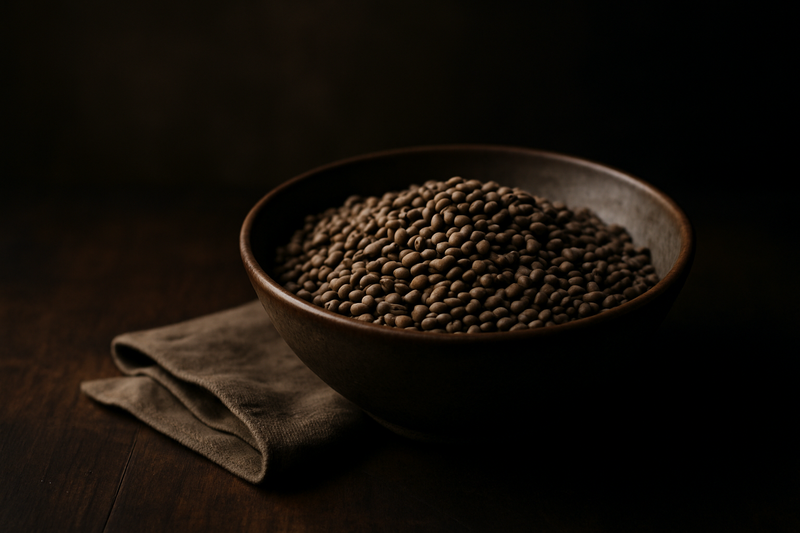
Pardina Lentils · Photograph
Discover the science-backed Pardina lentils health benefits — from heart support and blood sugar control to plant protein and folate. Learn nutrition facts, how to cook them so they hold their shape, safe daily amounts, and who should take extra care.
Key Nutrients
% Daily Value based on 2,000 cal diet
Key active compounds in Pardina lentils
The health properties of Pardina lentils come from a combination of macro- and micronutrients plus several plant chemicals that act in the body in different ways.
- Polyphenols (flavonoids and phenolic acids): Antioxidant plant compounds that help neutralize damaging molecules called free radicals and may modestly reduce inflammatory signaling. Human data are still emerging.
- Resistant starch: A type of starch that bypasses digestion in the small intestine and reaches the colon, where gut bacteria ferment it into short-chain fatty acids (SCFAs) — molecules that support colon lining health and may help improve insulin sensitivity (how well your cells respond to insulin).
- Soluble fiber: Dissolves in water to form a gel in the gut, slowing digestion and helping to lower LDL cholesterol by binding bile acids.
- Insoluble fiber: Adds bulk to stool and speeds intestinal transit, supporting regularity.
- Lectins (heat-labile proteins): Naturally present in raw legumes. In raw or undercooked form they can cause nausea and GI upset — but thorough boiling deactivates them completely. Heat-labile means destroyed by heat.
- Phytates (phytic acid): A phosphorus storage compound in plants that can modestly reduce mineral absorption. Soaking and cooking lower phytate levels; the antioxidant effects of phytates may also be beneficial.
- Saponins: Foaming plant compounds; early animal and lab data suggest possible cholesterol-lowering effects, but human evidence is limited.
Prep and pairing ideas
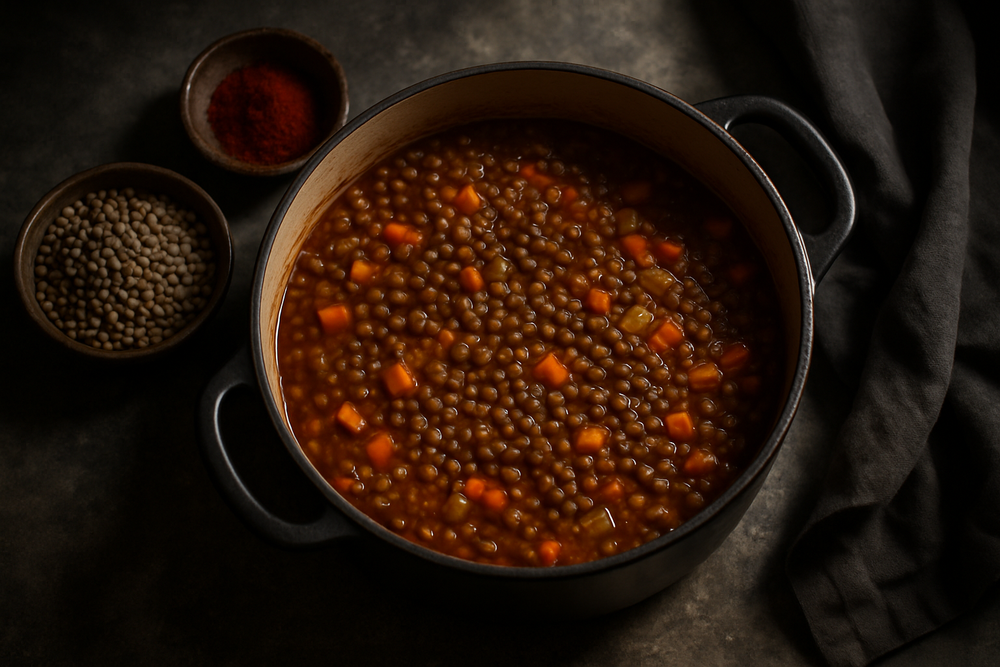
Classic Spanish lentejas: Simmer 1 cup dry Pardina lentils in 3 cups water or low-sodium vegetable broth with diced onion, carrot, celery, a bay leaf, and smoked paprika for 20–25 minutes. Add a splash of sherry vinegar at the end. The lentils hold their shape perfectly, making for a hearty, textured stew.
Common pairings:
- Pardina lentils + tomatoes or red bell pepper: The vitamin C in these vegetables significantly boosts absorption of the iron in lentils. Try a warm lentil salad with roasted red pepper and lemon vinaigrette.
- Pardina lentils + leafy greens (spinach, kale): Adds additional iron, calcium, and vitamins A and K while balancing the dense, earthy lentil with brightness. A Spanish-style lentil and spinach (espinacas con lentejas) is a traditional pairing for good reason.
- Pardina lentils + whole grains (brown rice, farro, or whole-grain bread): Lentils provide the amino acids (protein building blocks) that grains are lower in, and vice versa — together they form a complementary plant-protein pairing that covers all essential amino acids across the meal.
Storage: Cooked Pardina lentils keep in the fridge for up to 5 days in a sealed container, or freeze for up to 3 months. They reheat well in soups or with a splash of water in a skillet.
Bottom line
Pardina lentils are a small brown lentil with an outsized nutritional profile and a practical cooking advantage — no soaking needed, firm texture guaranteed. The human evidence for lentils and pulse consumption broadly is among the strongest available for any single whole plant food: multiple randomized controlled trials and meta-analyses show modest, real improvements in LDL cholesterol, post-meal blood sugar, and satiety. Their folate and iron content make them particularly valuable for anyone focused on pregnancy health, plant-based nutrition, or simply closing common nutrient gaps.
They will not fix a poor diet on their own, and they are not appropriate in large amounts for everyone (particularly those with advanced kidney disease or significant GI conditions). But for the vast majority of adults, eating Pardina lentils several times a week — in a classic lentejas, a warm grain bowl, or a simple vegetable soup — is a genuinely evidence-backed, affordable, and delicious step toward better long-term health.
How Pardina Lentils Compares
| Compared with | What's different |
|---|---|
| Pardina Lentils vs. Brown Lentils | Pardinas are smaller and hold their shape better during long cooking, whereas Brown lentils soften more. |
| Pardina Lentils vs. Puy Lentils | Pardinas have a nutty, earthy flavor, while Puy (French Green) lentils are more peppery and flinty. |
| Pardina Lentils vs. Red Lentils | Pardinas require about 20–25 minutes to cook, whereas Red lentils disintegrate into a puree in 15 minutes. |
Health Benefits
Things to Know
GI adjustment: Gas and bloating are common when you first increase lentil intake. Start with ¼ cup cooked per serving and build up gradually over 2–3 weeks.
Cook thoroughly: Never eat raw or undercooked lentils. Boil until fully tender to deactivate lectins and other heat-sensitive antinutrients.
IBS / FODMAP sensitivity: Lentils contain fermentable oligosaccharides (a type of FODMAP). Small servings (about 2–3 tablespoons cooked) are classified as low-FODMAP by Monash University; larger servings may trigger symptoms in sensitive individuals.
Kidney disease: Pardina lentils are rich in potassium and phosphorus. If you have advanced chronic kidney disease or are on dialysis, discuss portion sizes with a dietitian before eating lentils regularly.
Medication timing: High-fiber meals can slow absorption of certain oral medications — including some thyroid medications, tricyclic antidepressants, and antibiotics. Take these medications at least 2 hours away from a high-fiber meal.
Blood pressure medications and potassium: If you take ACE inhibitors, ARBs, or potassium-sparing diuretics, discuss total dietary potassium with your prescriber. Lentils contribute moderate potassium.
Diabetes medications: Improved blood sugar control from regular lentil eating may reduce medication needs over time. If you take insulin or insulin secretagogues, monitor blood sugar more closely and discuss any adjustments with your doctor.
Warfarin / anticoagulants: Lentils have modest vitamin K content. Consistency is more important than avoidance — keep your lentil intake roughly the same week to week.
Legume allergy: True lentil allergy is uncommon but exists, and cross-reactivity with other legumes (chickpeas, peanuts) is possible. If you have a known legume allergy, get guidance from a clinician before trying lentils.
Pregnancy: The high folate content makes Pardina lentils a valuable food in pregnancy and preconception — but folate from food does not replace a prenatal supplement containing folic acid, which is absorbed more reliably.
Prep Ideas
- — Pardina lentils + tomatoes or red bell pepper: The vitamin C in these vegetables significantly boosts absorption of the iron in lentils. Try a warm lentil salad with roasted red pepper and lemon vinaigrette.
- — Pardina lentils + leafy greens (spinach, kale): Adds additional iron, calcium, and vitamins A and K while balancing the dense, earthy lentil with brightness. A Spanish-style lentil and spinach (espinacas con lentejas) is a traditional pairing for good reason.
- — Pardina lentils + whole grains (brown rice, farro, or whole-grain bread): Lentils provide the amino acids (protein building blocks) that grains are lower in, and vice versa — together they form a complementary plant-protein pairing that covers all essential amino acids across the meal.
Shop This Ingredient
Stock your pantry with quality pardina lentils.
Buy on AmazonAs an Amazon Associate, Plantopedia earns from qualifying purchases. This costs you nothing extra and helps us keep the encyclopedia free.
Frequently Asked Questions
The evidence below draws on human trials and meta-analyses of lentils and mixed pulses. Where only broader pulse data are available, that context is noted. Heart and circulation Lentils support heart health through several overlapping pathways. Their soluble fiber binds bile acids in the gut — forcing the liver to pull more LDL cholesterol from the blood to make new bile, which lowers circulating LDL. A systematic review and meta-analysis of 26 randomized controlled trials found that a median intake of about 130 g of cooked pulses daily produced a statistically significant reduction in LDL cholesterol of approximately 0.17 mmol/L compared with control diets. A 12-week randomized clinical trial specifically using lentils found that daily lentil consumption lowered fasting total cholesterol and LDL in adults at elevated metabolic risk. Potassium and magnesium contribute to healthy blood pressure, and the near-zero sodium content of plain cooked Pardinas makes them naturally supportive of blood pressure goals. Replacing red or processed meat with lentils also removes saturated fat — an additional benefit for cardiovascular risk. Evidence is strongest when lentils are part of an overall dietary pattern rather than eaten in isolation. Digestive health and microbiome A single half-cup serving of Pardina lentils provides about 28% of your daily fiber target — a combination of soluble and insoluble fiber. Insoluble fiber bulks the stool and keeps transit times healthy. Soluble fiber and resistant starch serve as food (technically called prebiotics) for beneficial gut bacteria, which ferment them into SCFAs like butyrate. Butyrate is the preferred energy source for the cells lining the colon and may help maintain the gut's protective barrier. Some people experience gas and bloating when they start eating lentils — especially in larger amounts — because of fermentable carbohydrates called oligosaccharides. Gradual introduction (start with a quarter cup), thorough cooking, and rinsing dry lentils before cooking typically improve tolerance. Human microbiome trials specifically on Pardina lentils are absent, but broader legume data suggest favorable shifts in microbial diversity with regular intake. Blood sugar and metabolism Pardina lentils have a low glycemic index, meaning they cause a slower, more gradual rise in blood sugar compared with refined carbohydrates. This is largely because their fiber, resistant starch, and protein slow the digestion and absorption of carbohydrates. Multiple systematic reviews and meta-analyses of randomized controlled trials confirm that regular pulse consumption modestly lowers fasting blood glucose, reduces the spike in blood sugar after a meal (called postprandial glucose), and may improve insulin sensitivity over time — in both people with and without type 2 diabetes. The 12-week lentil trial mentioned above also recorded improved postprandial glucose responses. Benefits are most pronounced when lentils replace higher-glycemic carbohydrates (white rice, white bread, potatoes) rather than being piled on top of an already high-carb meal. Hormones and cycle health Lentils are not a concentrated source of phytoestrogens (plant compounds that loosely mimic estrogen) the way soy is, so dramatic hormonal effects are unlikely. However, Pardina lentils are an outstanding source of folate — providing about 45% of the daily value per serving — which plays an essential role in DNA synthesis, red blood cell production, and neural tube development in the first weeks of pregnancy. Major dietary guidelines consistently highlight lentils as a key food in preconception and pregnancy nutrition for this reason, alongside their iron and protein content. Iron is also relevant here: iron-deficiency anemia can disrupt menstrual cycles and energy levels. Pairing Pardina lentils with a source of vitamin C (tomatoes, bell peppers, lemon juice) significantly improves the absorption of their non-heme iron. Direct human trials on lentils and hormonal outcomes are scarce; hormone-related benefits should be considered nutrient-mediated and indirect rather than a standalone reason to eat Pardina lentils. Inflammation and recovery The 12-week randomized lentil trial found that daily lentil consumption reduced levels of the inflammatory cytokines (signaling proteins) IL-17 and IL-1β alongside improvements in cholesterol and glucose. Lentil polyphenols show antioxidant and anti-inflammatory effects in cell and animal models, and some systematic reviews of pulse intake in people with or at risk of diabetes report improvements in inflammatory markers. That said, inflammation outcomes are often secondary endpoints in these studies and results across trials are not fully consistent. The reductions seen may partly reflect downstream improvements in blood sugar and blood lipids rather than a direct anti-inflammatory effect.
Buying guide Dry Pardina lentils (whole, uncooked) are the gold-standard form. They retain full fiber, protein, and micronutrients, they are the form closest to what clinical trials use, and they are among the cheapest proteins per gram you can buy. Look for bags labeled "Pardina," "Spanish brown lentils," or simply "small brown lentils." They should be whole, uniformly brown-speckled, and free of broken pieces or debris. Canned brown or green lentils are a solid backup for busy days. The protein and fiber content is comparable to freshly cooked, but sodium can be significant — rinse canned lentils under cold water for 30 seconds to reduce sodium by roughly 40%. Pardina is rarely specified on can labels; standard "brown lentil" cans are nutritionally similar. Sprouted Pardina lentils have higher B vitamins and lower phytate content than unsprouted versions, making certain nutrients slightly more bioavailable. However, most clinical evidence for health benefits is based on cooked, unsprouted lentils, and sprouted lentils carry a slightly higher food safety risk if not handled properly. They work best added raw to salads. Label tips: For dry lentils, shorter ingredient lists are better — ideally just "lentils." For canned, choose "no added salt" versions when available, or low-sodium options under 140 mg per serving.
Clinical trials and public health guidelines converge on a consistent range for pulse intake: General health maintenance: Aim for ½ to 1 cup (100–200 g) cooked lentils in a sitting, three to five times per week. This aligns with major dietary guidelines recommending at least 3 cups of legumes per week. For more specific cardiometabolic support: The randomized trials showing LDL and blood sugar improvements typically used around 130 g of cooked pulses per day (roughly ¾ cup) over 8–12 weeks. That said, benefits accumulate gradually and consistency over weeks matters more than any single serving size. Starting out: If lentils are new to you, begin with ¼ cup cooked and build up over 2–3 weeks to allow your digestive system to adjust. Upper limit: There is no established upper intake limit for lentils in healthy adults. Eating a cup or more daily is common in parts of Spain, the Mediterranean, and South Asia with no documented harm. The main practical ceiling is individual GI tolerance. Replacing, not just adding: Benefits are strongest when lentils replace refined carbohydrates or processed meat rather than being added on top of an unchanged diet. Not sure where lentils fit into your health goals? Explore the Plantopedia goals guide to find eating patterns matched to what matters most to you.
Quick Answers
Common questions, answered in a line.
Pardina lentils are unique because they hold their shape perfectly during cooking and do not require soaking before use. These small brown lentils typically cook in 20–25 minutes and maintain a firm, hearty texture that makes them ideal for Spanish-style stews and salads.
To deactivate lectins and ensure safe digestion, you should boil Pardina lentils until they are completely tender. Raw or undercooked lentils contain heat-labile proteins that can cause nausea and GI upset, but thorough heat treatment completely deactivates these compounds.
You can improve iron absorption from Pardina lentils by pairing them with vitamin C-rich foods like tomatoes, red bell peppers, or lemon vinaigrette. This combination helps the body better utilize the non-heme iron found naturally in the lentils.
Pardina lentils help lower LDL cholesterol because they contain soluble fiber that forms a gel in the gut and binds to bile acids. Additionally, they contain saponins and resistant starch, which may further support heart health and improve insulin sensitivity.
If you are new to eating lentils, start with just 1/4 cup cooked per serving and gradually increase the amount over two to three weeks. This slow introduction helps your digestive system adjust and minimizes common side effects like gas and bloating.
Pardina lentils are an excellent source of plant-based protein, especially when paired with whole grains like brown rice or farro to provide all essential amino acids. They are also rich in folate, iron, and fiber, making them a nutrient-dense choice for plant-based diets.
You should take oral medications, such as thyroid treatments or antibiotics, at least two hours away from a high-fiber meal like Pardina lentils. The high fiber content can slow down the absorption of certain drugs, potentially reducing their effectiveness.
For Readers in the USA
Local context — sourcing, seasonality, and regional notes.
Pardina lentils are primarily grown in the Pacific Northwest, specifically the Palouse region of Washington and Idaho, where the climate mimics their native Spanish environment. While traditional Spanish Pardinas are imported, these U.S.-grown varieties are widely available and often marketed simply as "Spanish Brown" lentils.
You can find Pardina lentils at major U.S. retailers like Whole Foods Market, Gelson's, and specialty Mediterranean or Spanish grocers, as well as through large online platforms. While standard brown lentils are common in conventional stores like Kroger or Walmart, Pardinas are more likely to be found in the "gourmet" or bulk bins section.
When shopping in the U.S., look for the USDA Organic seal to ensure the lentils were grown without synthetic pesticides or fertilizers. Additionally, the FDA regulates labeling for pulses, ensuring that dried lentils meet specific quality grades and are free from harmful additives.
In American kitchens, Pardina lentils are prized for their "no-mush" quality, making them the preferred choice for cold picnic salads and modern grain bowls. Unlike the softer red or yellow lentils more common in Indian-inspired dal, Pardinas are frequently used in the U.S. as a meat substitute in tacos or bolognese due to their firm, peppery bite.
AI Clinical Review
- Strong nutrition snapshot: cooked Pardina lentils provide ~9 g protein, ~8 g fiber, and are an excellent folate source per 1/2-cup (100 g) serving, comparable to other brown/green lentils.
- Cardiometabolic benefits are framed appropriately: randomized trials and meta-analyses of pulses show modest LDL (“bad” cholesterol) reductions (about 0.17 mmol/L ≈ 6–7 mg/dL) and better post‑meal glucose when lentils replace refined carbs or processed meats.
- Practical guidance is on point: Pardinas cook quickly without soaking and hold their shape; pairing with vitamin C–rich foods can improve non‑heme iron absorption; canned options are reasonable if rinsed to lower sodium.
- Intake advice aligns with public health guidance: aiming for ~1/2 to 3/4 cup cooked most days (or several times weekly) reflects doses commonly used in studies.
- Variety-specific data are limited: most trials pool different pulses; few are lentil‑specific and essentially none isolate Pardina, so benefits are inferred from similar nutrient profiles.
- Inflammation findings (e.g., changes in cytokines like IL‑17 or IL‑1β) are inconsistent and often secondary outcomes; hard endpoints (cardiovascular events) haven’t been demonstrated for lentils alone.
- Microbiome and polyphenol/saponin effects are biologically plausible but largely supported by short‑term human studies or mechanistic models; responses likely vary by person and preparation.
- Glycemic index and glucose responses depend on cooking method, portion size, and what else is on the plate (fat, fiber, acid), so individual effects can differ.
- How much: if new to lentils, start around 1/4 cup cooked and build to ~1/2–1 cup as tolerated; benefits accrue when lentils replace refined starches or processed meat rather than simply adding calories.
- Digestive comfort and food safety: gas/bloating are common at first; thorough boiling deactivates lectins; sprouted lentils can be nutritious but carry a slightly higher food‑safety risk—buy fresh, keep refrigerated, and avoid if immunocompromised.
- Medical considerations: people with chronic kidney disease may need to limit potassium/phosphorus; those on ACE inhibitors/ARBs or potassium‑sparing diuretics should review total potassium with a clinician; high‑fiber meals can reduce absorption of certain meds (e.g., thyroid meds, some antibiotics)—separate dosing by ~2 hours; keep intake consistent if on warfarin.
- Diabetes management and convenience: lentils are low‑GI and can help smooth post‑meal glucose; if you use insulin or insulin secretagogues, monitor for dose adjustments with your care team. For canned lentils, choose low/no‑salt and rinse to meaningfully cut sodium.
Rinse and cook until tender.
References
- USDA FoodData Central — cooked lentil nutrition reference values (fdc.nal.usda.gov)
- Harvard T.H. Chan School of Public Health — Lentils feature page (nutritionsource.hsph.harvard.edu)
- Harvard T.H. Chan School of Public Health — Legumes and Pulses overview (nutritionsource.hsph.harvard.edu)
- Harvard T.H. Chan School of Public Health — Ask the Expert: Legumes and Resistant Starch (nutritionsource.hsph.harvard.edu)
- British Heart Foundation — Pulses: what they are and why they're good for you (bhf.org.uk)
- 12-week randomized trial: daily lentil consumption improves cholesterol and postprandial glucose (pubmed.ncbi.nlm.nih.gov)
- Meta-analysis of 26 RCTs: pulse intake and LDL cholesterol reduction (pubmed.ncbi.nlm.nih.gov)
- Systematic review and meta-analysis: pulses and glycemic control in people with and without diabetes (link.springer.com)
- Meta-analysis: pulse consumption, glycemic indices, and type 2 diabetes management (pmc.ncbi.nlm.nih.gov)
- Meta-analysis: dietary pulses, satiety, and food intake in acute feeding trials (onlinelibrary.wiley.com)
Know Your Numbers
Eating healthy is a start. Now get to know your biomarkers.
Food changes bloodwork — inflammation, lipids, blood sugar and nutrient status all respond to what you eat. 59 markers from $59.
- Results in 7–10 days at 2,000+ Quest sites
- Licensed provider reviews every result
- One flat price, no membership, HSA/FSA eligible
Educational information only, not medical advice. Panels are ordered and reviewed through our licensed partner; Plantopedia may earn a commission.