Yellow Peas (Whole Dried) — health benefits and uses
A Northern European winter staple for thick, warming pea soups.
The Short Answer
Yellow peas are a nutrient-dense legume providing 19g of protein and 23g of fiber per cooked cup. They are primarily used in slow-cooked soups, dahls, and stews due to their ability to soften into a thick, creamy consistency.
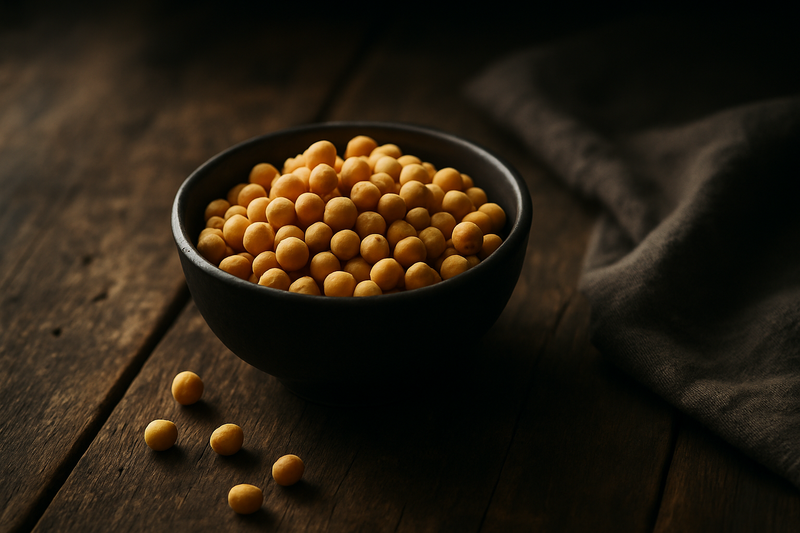
Yellow Peas (Whole Dried) · Photograph
Discover yellow peas nutrition and health benefits in this evidence-based guide. Learn how whole dried yellow peas support heart health, blood sugar, digestion, and plant-based protein intake — plus how to soak, cook, and enjoy them safely.
Key Nutrients
% Daily Value based on 2,000 cal diet
Key active compounds in yellow peas
- Resistant starch — a fraction of starch that bypasses digestion in the small intestine and is fermented by bacteria in the colon, producing short-chain fatty acids (SCFAs) like butyrate that nourish the gut lining and support immune function.
- Soluble and insoluble dietary fibre — soluble fibre slows glucose absorption and helps lower LDL cholesterol (the "bad" kind); insoluble fibre adds bulk to stool and supports bowel regularity.
- Polyphenols (flavonoids and phenolic acids) — plant compounds with antioxidant properties; antioxidants help neutralise free radicals (unstable molecules that can damage cells). Most evidence here comes from lab studies.
- Bioactive peptides — short protein fragments released when pea proteins are digested; early research suggests they may have antihypertensive (blood-pressure-lowering) and antioxidant effects, though human evidence is limited.
- Oligosaccharides (raffinose and stachyose) — short-chain carbohydrates that are not digested by human enzymes; they act as prebiotics (food for beneficial gut bacteria) but can also cause gas in sensitive people.
- Phytates — phosphorus-containing compounds that bind minerals like iron and zinc and reduce how much the body absorbs; soaking and cooking significantly reduce their effect.
Prep and pairing ideas
The simplest approach is a classic pea soup. Soak overnight, drain, cover with fresh water, and simmer with half an onion, a bay leaf, and a pinch of salt for about 60–90 minutes until the peas collapse into a thick, golden puree. That is the backbone of ärtsoppa. Swedish tradition adds a spoonful of strong mustard and a little thyme; it is one of the most comforting and satisfying things you can make for very little money.
Beyond soup, whole yellow peas work in:
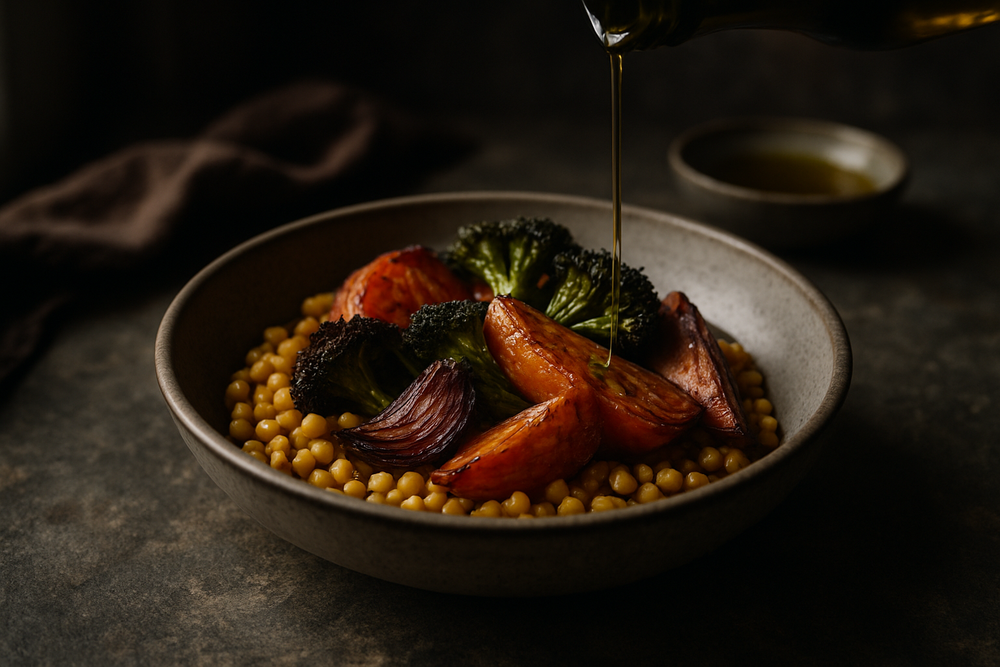
- Warm grain bowls — pureed yellow peas as a base layer under roasted vegetables and a drizzle of olive oil.
- Dhal-style dishes — yellow peas respond well to South Asian spicing (turmeric, cumin, coriander, ginger) and behave similarly to chana dhal.
- Hummus-style dip — blend well-cooked yellow peas with lemon juice, garlic, and a little tahini for a golden alternative to chickpea hummus.
Who benefits most from yellow peas
The budget-conscious plant-based eater
- Looking for an affordable, shelf-stable protein source
- Wants to hit high fibre targets without supplements
- Enjoys hearty, filling one-pot meals
The person managing blood sugar or metabolic health
- Seeking low-GI foods that replace refined carbohydrates
- Interested in a whole-food approach to appetite regulation
- Wants to increase legume intake in line with dietary guidelines
Bottom line
Whole dried yellow peas are an outstanding whole-food source of plant protein, fibre, folate, and iron, with a naturally low glycaemic index and a centuries-long track record in traditional cuisines. Research suggests they can support heart health, steady blood sugar, and a healthy gut microbiome, particularly when eaten regularly as part of a varied, plant-forward diet. Most of the clinical data come from studies using concentrated pea fibre or protein rather than whole cooked peas, so some caution is warranted when extrapolating exact benefits — but the overall picture is clearly positive.
The only real barriers to enjoying them are the soaking step and cooking time, both of which are simple once they become habit. Start with a small portion, cook them properly, and give your gut a few weeks to adapt. For the price of a bag of dried peas, you get one of the most nutrient-dense foods available.
Explore how yellow peas fit into your personal health goals at Plantopedia Goals.
How Yellow Peas (Whole Dried) Compares
| Compared with | What's different |
|---|---|
| Yellow Peas (Whole Dried) vs. Chickpeas | Yellow peas are starchier and earthier, while chickpeas hold their round shape better in salads. |
| Yellow Peas (Whole Dried) vs. Green Lentils | Yellow peas have a milder, more neutral flavor compared to the peppery, earthy taste of green lentils. |
| Yellow Peas (Whole Dried) vs. Yellow Split Peas | Yellow split peas cook much faster and dissolve into mush, whereas whole yellow peas require soaking. |
Health Benefits
Things to Know
Soak before cooking.: Dried whole yellow peas benefit from soaking for 8–12 hours (or overnight) in plenty of cold water. This softens them, reduces cooking time, and lowers levels of phytates and oligosaccharides that cause gas. Discard the soaking water and rinse before cooking.
Cook until completely soft.: Under-cooked peas are harder to digest and retain more anti-nutritional factors. When making puree or soup, aim for peas that mash easily between two fingers.
Introduce gradually if you are new to legumes.: Start with a small serving (¼ cup dry) and build up over several weeks to allow your gut microbiome to adapt.
IBS and FODMAP sensitivity.: Yellow peas contain fermentable oligosaccharides (a type of FODMAP), which can trigger symptoms in people with irritable bowel syndrome. Smaller portions, thorough cooking, and rinsing well after soaking can help, but some individuals may need to avoid them. A dietitian familiar with the low-FODMAP approach can advise.
Chronic kidney disease (CKD).: Yellow peas are high in potassium and phosphorus. People with advanced CKD are often advised to limit these minerals and should get personalised guidance before significantly increasing legume intake.
Legume or pea allergy.: Cross-reactivity exists between peas, peanuts, and lentils. If you have a known legume allergy, check with an allergist before trying yellow peas.
Medications.: High-fibre meals can slow gastric emptying and may affect how quickly oral medications are absorbed. A common precaution is to take medications 1–2 hours before or after a high-fibre meal. Improved glycaemic control from legumes may also interact functionally with glucose-lowering drugs — discuss any medication adjustments with your prescribing clinician.
Pregnancy.: The high folate content of yellow peas is genuinely useful during pregnancy. Ensure peas are thoroughly cooked to eliminate any food-safety risk.
Chewing difficulties.: Yellow peas cooked to a smooth puree are safe and easy to eat for people who have trouble chewing; whole or only partially softened peas present a choking risk.
Prep Ideas
- — **Warm grain bowls** — pureed yellow peas as a base layer under roasted vegetables and a drizzle of olive oil.
- — **Dhal-style dishes** — yellow peas respond well to South Asian spicing (turmeric, cumin, coriander, ginger) and behave similarly to chana dhal.
- — **Hummus-style dip** — blend well-cooked yellow peas with lemon juice, garlic, and a little tahini for a golden alternative to chickpea hummus.
- — Looking for an affordable, shelf-stable protein source
- — Wants to hit high fibre targets without supplements
- — Enjoys hearty, filling one-pot meals
- — Seeking low-GI foods that replace refined carbohydrates
- — Interested in a whole-food approach to appetite regulation
- — Wants to increase legume intake in line with dietary guidelines
Shop This Ingredient
Stock your pantry with quality yellow peas (whole dried).
Buy on AmazonAs an Amazon Associate, Plantopedia earns from qualifying purchases. This costs you nothing extra and helps us keep the encyclopedia free.
Frequently Asked Questions
Heart and circulation Evidence from large dietary studies and clinical trials consistently links higher legume intake to lower cardiovascular risk. The mechanisms are well understood: the soluble fibre in yellow peas binds bile acids in the gut, prompting the liver to pull LDL cholesterol out of the bloodstream to make more. Folate and magnesium both play roles in maintaining healthy blood vessels and normal blood pressure. In trials specifically using yellow pea fibre, participants showed modest improvements in fasting insulin levels and postprandial (after-meal) glucose tolerance — two markers that, when elevated, raise cardiovascular risk over time. It is worth noting that most of these studies used concentrated pea fibre supplements rather than whole cooked peas, so exact effect sizes may differ in everyday eating. Still, the overall direction of evidence supports yellow peas as a heart-friendly staple. Digestive health and microbiome Yellow peas supply roughly 23 g of fibre per 100 g dry weight — a genuinely high amount. That fibre feeds the microbiome (the community of bacteria living in your gut), stimulates the production of SCFAs like butyrate, and supports regular bowel movements. A pilot study in which participants ate yellow pea–based noodles daily reported favourable shifts in gut bacteria composition and SCFA profiles, which suggests the pea-fibre effect on the microbiome extends beyond a single meal. The flip side is that the same oligosaccharides and fibre that nourish good bacteria can cause gas and bloating, especially if you eat a large portion before your gut has adapted. Gradual introduction — starting with a small portion two or three times per week and building up — is the most reliable way to enjoy the benefits without the discomfort. Blood sugar and metabolism Yellow peas have a reported glycaemic index (GI) of around 32, placing them firmly in the low-GI category. GI is a scale from 0 to 100 measuring how quickly a food raises blood glucose compared with pure glucose. Slowly digestible starch, resistant starch, and high fibre all contribute to this slow release. Acute human studies confirm that adding yellow pea protein and fibre to a meal reduces the blood glucose spike compared with rapidly digestible carbohydrate meals. In overweight and obese adults, regular daily intake of yellow pea fibre (approximately 12–15 g per day for 12 weeks) was associated with improved postprandial glucose tolerance. For people managing blood sugar, replacing refined grains with yellow peas in soups and stews is a practical, evidence-aligned swap. However, anyone on glucose-lowering medication — such as insulin or sulfonylureas — should monitor their response when adding more legumes, as improved glycaemic control could theoretically alter medication requirements. Inflammation and recovery The evidence here is more preliminary. Laboratory and animal studies identify pea polyphenols and bioactive peptides as having anti-inflammatory and antioxidant effects. Modest improvements in metabolic markers seen in human trials may indirectly reduce low-grade chronic inflammation (a background state of immune activation linked to many chronic diseases), but direct measurements of inflammatory biomarkers from whole yellow pea intake are sparse in the human literature. Yellow peas fit well within anti-inflammatory dietary patterns, but specific anti-inflammatory dosing guidance cannot yet be drawn from the research.
Whole dried yellow peas (soaked and boiled) retain the full structural integrity of the legume — fibre, resistant starch, and protein are all still housed together, which produces a gentler and more sustained blood sugar and satiety response than more processed forms. Split yellow peas are hulled and halved; they cook faster and taste essentially the same, with a nutritional profile close to whole peas. The removal of the outer hull reduces some fibre slightly, but split peas remain a high-fibre food. Either form works well; whole peas simply take longer to cook. Yellow pea flour is finely milled and useful in baking, but the grinding process breaks down cell walls, which can slightly speed digestion compared with intact peas. Yellow pea protein concentrate or isolate delivers a high dose of protein efficiently and appears in many sports nutrition products. It is useful if your main goal is protein intake, but you lose most of the fibre and micronutrient complexity of the whole food. For everyday health, whole or split dried peas cooked from scratch offer the best combination of fibre, protein, micronutrients, and phytochemicals in the most affordable and least processed form.
There is no single target dose, but broad dietary guidelines suggest aiming for at least 3–4 servings of legumes per week as part of an overall healthy diet. One serving is typically ½ cup of cooked peas (which starts as roughly ¼ cup dry). Clinical trials studying yellow pea fibre often use 12–15 g of pea fibre per day — roughly equivalent to eating one generous cup of cooked yellow peas daily. Protein studies use 20–50 g of pea protein in test meals. These amounts are higher than many people eat habitually, and benefits appear to scale with consistent intake rather than single large doses. Practical starting guide: Week 1–2: ¼ cup dry (about ½ cup cooked) two to three times per week Week 3 onwards: Increase to ½ cup dry (about 1 cup cooked) three to five times per week if tolerating well Listen to your gut. If bloating or gas is significant, slow down the ramp-up or ensure soaking and cooking times are adequate. For people with specific health goals — such as managing diabetes or supporting kidney health — a registered dietitian can help tailor portion sizes to individual needs.
Quick Answers
Common questions, answered in a line.
To cook whole dried yellow peas, soak them for 8–12 hours, drain and rinse, then simmer in fresh water for 60–90 minutes until they are soft enough to mash easily. This process softens the peas, reduces cooking time, and lowers levels of compounds that can cause gas.
Yes, soaking yellow peas overnight is recommended to reduce phytates and oligosaccharides, which can interfere with mineral absorption and cause digestive gas. Discard the soaking water and rinse the peas thoroughly before cooking to make them easier to digest.
Whole dried yellow peas are an excellent source of plant-based protein, dietary fiber, folate, and iron. They also contain resistant starch and bioactive peptides that may support gut health and blood pressure management.
Yellow peas help regulate blood sugar because they have a naturally low glycemic index (GI) and contain soluble fiber that slows glucose absorption. This makes them a beneficial whole-food replacement for refined carbohydrates in a metabolic health diet.
Yellow peas can cause gas because they contain oligosaccharides, which are fermentable carbohydrates that are not digested by human enzymes. You can minimize this by soaking the peas overnight, rinsing them well, and introducing them into your diet gradually.
Yellow peas support heart health by providing soluble fiber, which helps lower LDL (bad) cholesterol, and bioactive peptides that may have blood-pressure-lowering effects. Their high fiber content also aids in overall cardiovascular maintenance.
People with Irritable Bowel Syndrome (IBS), chronic kidney disease, or legume allergies should exercise caution with yellow peas. The high fiber and FODMAP content can trigger IBS symptoms, while the potassium and phosphorus levels may be restricted for those with advanced kidney disease.
For Readers in the USA
Local context — sourcing, seasonality, and regional notes.
In the United States, yellow peas are primarily grown in the Palouse region of Washington and Idaho, as well as throughout North Dakota and Montana. These cool-season crops are typically planted in early spring and harvested in late summer, ensuring a fresh domestic supply hits store shelves by early autumn.
You can find dried yellow peas at most major US grocery chains like Kroger, Walmart, and Whole Foods, usually located in the dry bean or international aisle. They are also a staple in the bulk bins of natural food cooperatives and are widely available at South Asian grocery stores, where they may be labeled as vatana.
While yellow peas are a staple in Nordic and Indian cuisines, in the US they are most culturally recognized as the base for "Split Pea Soup," a traditional comfort food especially popular in the Northeast and Midwest. They are also increasingly used in domestic food manufacturing as a gluten-free flour alternative and a primary source for US-made plant-based protein powders.
Look for the USDA Organic seal to ensure the peas were grown without synthetic pesticides, and check the label for "Product of USA" to support domestic farmers. The FDA recognizes whole peas as a "heart-healthy" food due to their high fiber and low fat content, provided they are prepared without excessive added sodium.
AI Clinical Review
- Strong, accurate emphasis on fibre and protein: whole dried yellow peas do deliver high fibre and meaningful plant protein for very low cost.
- Cardiometabolic benefits are framed appropriately—soluble fibre can help lower LDL cholesterol and a low glycaemic index (GI ≈ how quickly a food raises blood sugar) supports steadier post‑meal glucose.
- Practical prep advice (soak, rinse, cook until very soft, introduce gradually) aligns with what helps most people tolerate legumes better.
- Clear acknowledgement that vitamin C boosts absorption of non‑heme iron and that cooking changes nutrient density per gram by adding water.
- Many cited benefits come from trials using pea fibre or protein isolates or pea‑enriched products; effects from regularly eating whole cooked peas may be smaller and need more direct, long‑term human studies.
- Anti‑inflammatory and antioxidant claims are promising but largely based on lab/animal work; human biomarker data with whole peas are limited.
- Reported GI values can vary with form and meal context (intact vs. puréed peas, added fat/protein, portion size), so a single number (e.g., ~32) should be viewed as approximate rather than absolute.
- Reasonable intake: starting with about ½ cup cooked per serving and building toward frequent weekly servings fits general legume guidance; consistency over weeks matters more than precise daily targets.
- Who should be cautious: people with IBS/FODMAP sensitivity (gas/bloating possible), advanced chronic kidney disease (potassium/phosphorus), and anyone with legume/pea, peanut, or lentil allergies due to potential cross‑reactivity—check with a clinician.
- Medications: high‑fibre meals can slow absorption of some oral drugs (common advice is to separate by 1–2 hours). Those on glucose‑lowering medication should monitor for improved control as intake increases.
- Form matters: whole or split peas retain fibre and micronutrients; flours digest a bit faster; protein isolates are useful for protein needs but lack fibre and most micronutrients. Thorough cooking improves digestibility for all forms.
Soak and cook until soft.
References
- USDA FoodData Central — whole yellow peas, dried (fdc.nal.usda.gov)
- Harvard T.H. Chan School of Public Health: Legumes and Pulses (nutritionsource.hsph.harvard.edu)
- USA Dry Peas overview — Pulses.org (pulses.org)
- RCT: Yellow pea fibre reduces energy intake and body fat in overweight adults (Baxter et al., 2016) (sciencedirect.com)
- Human trial: Yellow pea protein and fibre reduce short-term food intake and glycaemia (Marinangeli & Jones, 2012) (pubmed.ncbi.nlm.nih.gov)
- Pilot human study: Yellow pea noodles and intestinal environment (Food Science & Nutrition, 2023) (onlinelibrary.wiley.com)
- Review: Health benefits of peas — British Journal of Nutrition (cambridge.org)
- Comprehensive review: Chemical composition and health benefits of peas — PMC/NIH (pmc.ncbi.nlm.nih.gov)
- Norwegian Food Composition Table: Yellow peas, uncooked (matvaretabellen.no)
- Nutrition facts for whole yellow peas — MyFoodData (tools.myfooddata.com)
Know Your Numbers
Eating healthy is a start. Now get to know your biomarkers.
Food changes bloodwork — inflammation, lipids, blood sugar and nutrient status all respond to what you eat. 59 markers from $59.
- Results in 7–10 days at 2,000+ Quest sites
- Licensed provider reviews every result
- One flat price, no membership, HSA/FSA eligible
Educational information only, not medical advice. Panels are ordered and reviewed through our licensed partner; Plantopedia may earn a commission.