Chickpea Sprouts — health benefits and uses
A traditional Indian sprouted snack (chana) eaten for strength.
The Short Answer
Chickpea sprouts are highly nutritious, providing 8.9 grams of protein and 7.6 grams of fiber per cup. Sprouting reduces phytic acid, which improves the absorption of minerals like iron and magnesium while increasing antioxidant flavonoids.
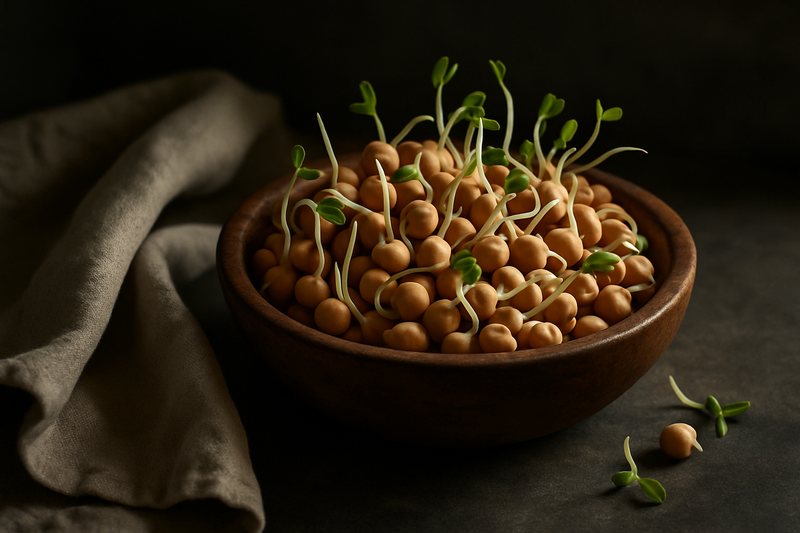
Chickpea Sprouts · Photograph
Discover the science-backed chickpea sprouts benefits, from plant protein and folate to gut health and blood sugar support. Learn sprouted chickpeas nutrition facts, safety tips for raw vs cooked, and easy ways to add them to salads and stir-fries.
Key Nutrients
% Daily Value based on 2,000 cal diet
Key active compounds
- Flavonoids — polyphenolic antioxidant molecules (e.g., quercetin-related compounds) that increase significantly during sprouting; linked in lab studies to reduced oxidative stress and potential anti-inflammatory effects.
- Phenolic acids and polyphenols — a broad family of plant secondary metabolites; levels rise during germination and contribute to chickpea sprouts' antioxidant density.
- Saponins — glycoside compounds (soap-like substances naturally found in legumes) that may support cholesterol metabolism and immune modulation; their exact behavior in sprouted chickpeas is still being characterized.
- Phytic acid (reduced) — present in lower amounts in sprouts than in dry chickpeas; its reduction is one of the key nutritional upgrades of sprouting, as it improves mineral bioavailability.
- Resistant starch and soluble fiber — fermentable carbohydrates that feed beneficial gut bacteria and contribute to slower glucose absorption.
Prep and pairing ideas
Chickpea sprouts are forgiving and take on seasoning well. Here are three practical pairings:
1. Chickpea sprouts + lemon + tahini (sesame paste) Toss lightly steamed sprouts with fresh lemon juice, a spoonful of tahini, and a pinch of cumin. The healthy fats in tahini help absorb fat-soluble phytochemicals, and the lemon's vitamin C boosts non-heme iron absorption — a meaningful upgrade for plant-based eaters.
2. Chickpea sprouts + leafy greens + pumpkin seeds Layer raw or steamed sprouts over spinach or arugula with a handful of pumpkin seeds. Pumpkin seeds add zinc and magnesium that complement the sprouts' mineral profile, and the varied fiber types feed a broader range of gut bacteria.
3. Chickpea sprouts + ginger + garlic stir-fry Add sprouts in the last 2 minutes of a stir-fry with ginger, garlic, and a splash of tamari. This light cooking hits the safety sweet spot — enough heat to reduce bacterial risk without turning sprouts mushy. Ginger and garlic also add their own anti-inflammatory compounds.
General prep tips:
- Rinse well under cold running water before use.
- Steam in a basket over boiling water for 2–3 minutes for a tender-crisp result.
- Store raw sprouts in the refrigerator in a container with ventilation; use within 3–5 days.
- Avoid leaving raw sprouts at room temperature for more than 2 hours.
Bottom line
Chickpea sprouts are a genuinely nutrient-dense whole food — high in plant protein, rich in fiber, and a standout source of folate and iron in a form that may be easier for your body to absorb than regular dried chickpeas. The health benefits of legumes broadly are among the best-supported in nutrition science, and sprouting appears to improve the nutritional profile further by increasing antioxidants and reducing mineral-blocking phytic acid. Human trials specifically on chickpea sprouts are still emerging, so direct benefit claims need to stay honest about where the evidence currently sits.
For most healthy adults, adding a half-cup of lightly steamed chickpea sprouts to salads, grain bowls, or stir-fries several times a week is a practical, evidence-aligned dietary upgrade. Those who are pregnant, elderly, or immunocompromised should always eat them cooked. And as with any dietary change, building up gradually gives your gut the best chance to adjust comfortably.
Looking for more ways to eat by body system or health goal? Explore Plantopedia's goals-based food guides to find ingredients that fit your priorities.
How Chickpea Sprouts Compares
| Compared with | What's different |
|---|---|
| Chickpea Sprouts vs. Cooked Chickpeas | Milder, sweeter flavor with a crunchier texture and higher folate levels than cooked beans. |
| Chickpea Sprouts vs. Alfalfa Sprouts | Significantly higher protein and fiber content per cup compared to the water-dense alfalfa. |
| Chickpea Sprouts vs. Mung Bean Sprouts | Larger, heartier texture that holds up better in stir-fries than delicate mung bean sprouts. |
Health Benefits
Things to Know
Foodborne risk: Raw sprouts carry a higher-than-average risk of bacterial contamination. Cook if you are pregnant, elderly, immunocompromised, or feeding young children.
GI adjustment: Chickpea sprouts contain FODMAPs — fermentable fibers that can cause gas or bloating in people with irritable bowel syndrome (IBS) or FODMAP sensitivity. Start with small amounts (2–3 tablespoons) and build up gradually.
Legume allergy: People with a chickpea or legume allergy can react to sprouts just as they would to cooked chickpeas. If you have a known allergy, avoid sprouts.
Kidney disease: Chickpea sprouts are relatively high in potassium and phosphorus. People on low-potassium or low-phosphorus diets prescribed for kidney disease should check with their dietitian before adding sprouts regularly.
Diabetes medications: Chickpea sprouts' blood-sugar-lowering potential may enhance the effect of glucose-lowering drugs. If you take insulin or oral diabetes medications, monitor your blood sugar when adding significant amounts of chickpea sprouts.
Anticoagulants (e.g., warfarin): Chickpea sprouts contain modest amounts of vitamin K. Levels are not high enough to cause major concern, but keeping your intake consistent is good practice to avoid fluctuating INR (a measure of blood clotting speed) readings.
Iron supplements: Chickpea sprouts contribute additional dietary iron. No harmful interaction with iron supplements is reported, but spacing high-fiber meals from iron supplements by an hour or two can optimize absorption of both.
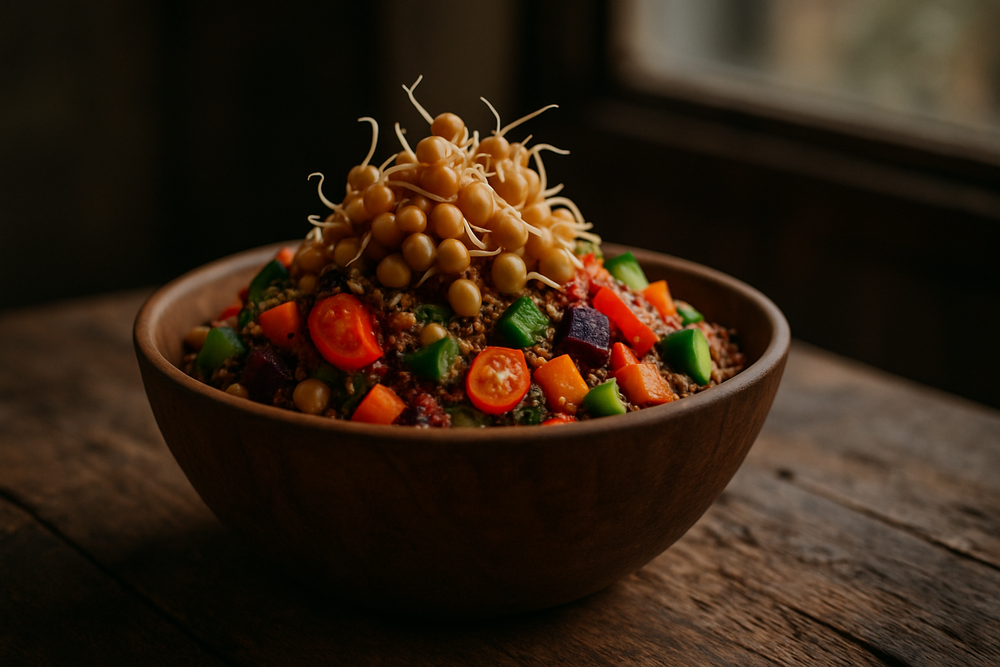
Prep Ideas
- — Rinse well under cold running water before use.
- — Steam in a basket over boiling water for 2–3 minutes for a tender-crisp result.
- — Store raw sprouts in the refrigerator in a container with ventilation; use within 3–5 days.
- — Avoid leaving raw sprouts at room temperature for more than 2 hours.
Shop This Ingredient
Stock your pantry with quality chickpea sprouts.
Buy on AmazonAs an Amazon Associate, Plantopedia earns from qualifying purchases. This costs you nothing extra and helps us keep the encyclopedia free.
Frequently Asked Questions
Heart and circulation Human studies on legume intake — including several trials using chickpeas in the form of cooked beans, flour, or hummus — consistently link regular consumption to better lipid profiles (cholesterol and triglyceride levels) and lower blood pressure. A 2025 scientific review published in Frontiers in Sustainable Food Systems ("Beyond hummus") noted that sprouting specifically increases antioxidant capacity and mineral bioavailability in chickpeas, which are plausible mechanisms for cardiovascular protection. However, direct randomized controlled trials using chickpea sprouts as the intervention and measuring outcomes like heart attack or stroke do not yet exist. Current evidence supports chickpea sprouts as part of a heart-friendly diet, not as a standalone treatment. Digestive health and gut microbiome A 100 g serving of chickpea sprouts provides about 7.6 g of dietary fiber — roughly 27% of the recommended daily intake. That fiber includes both soluble fractions (which form a gel in the gut and help slow digestion) and insoluble fractions (which add bulk and support bowel regularity). Human trials on legume intake generally show improved satiety and stool habits when legumes replace lower-fiber foods. Sprouting may also reduce FODMAPs (fermentable oligosaccharides, disaccharides, monosaccharides, and polyols — short-chain carbohydrates that can cause gas and bloating in sensitive people) to some degree, though this varies. For chickpea sprouts specifically, digestive benefits are largely inferred from fiber content and general legume research rather than sprout-specific trials. Blood sugar and metabolism Chickpeas are classified as a low-glycemic food, meaning they cause a slower, more gradual rise in blood glucose compared with refined carbohydrates. The combination of fiber, protein, and resistant starch slows digestion and buffers glucose absorption. Human trials using chickpeas in various forms support improved postprandial (after-meal) glucose and insulin responses. Sprouting further modifies carbohydrate fractions, which may enhance this effect — but glycemic trials specifically using sprouted chickpeas are still emerging. If you have diabetes or are monitoring blood sugar, adding chickpea sprouts in place of higher-glycemic foods like white rice or bread is a reasonable evidence-informed swap, discussed with your care team. Inflammation and recovery A pilot open-label trial (an early, exploratory study without a comparison group) in 50 patients with knee osteoarthritis found that daily chickpea broth consumed for 30 days significantly reduced pain and improved function. This is the strongest available human signal for chickpea-derived foods and inflammation, but it cannot be directly translated to sprouts, and the lack of a control group limits conclusions. Sprouting raises flavonoid and phenolic levels — compounds that show anti-inflammatory activity in lab studies — but in-the-body (in vivo) anti-inflammatory trials on chickpea sprouts specifically have not been published. Evidence here is promising but early. Hormones and cycle health Chickpea sprouts are an excellent dietary source of folate, providing 172 µg per 100 g — nearly half of the 400 µg daily target for adults, and important during the preconception period and early pregnancy when folate is critical for neural tube development. While there are no trials specifically evaluating chickpea sprouts for hormonal conditions such as PCOS or menopause, their folate density makes them a practical food for people of reproductive age. Sprouting also alters certain phytochemicals that have been studied in lab settings for potential endocrine effects, but this evidence has not translated to clinical trials yet.
The active plant-based eater Looking for whole-food protein sources beyond tofu and tempeh Wants variety in salads, grain bowls, and wraps May appreciate a raw or lightly cooked crunch without heavy seasoning The folate-focused individual Planning a pregnancy or in early pregnancy (always cook sprouts during pregnancy) Eating a diet low in leafy greens or fortified foods Managing cardiovascular risk, where homocysteine (an amino acid linked to heart disease when elevated) and methylation support matter
This is one of the most important questions about chickpea sprouts. The warm, moist conditions needed for sprouting are also ideal for bacterial growth — including Salmonella and E. coli. Raw sprouts of all kinds have been implicated in foodborne illness outbreaks globally. Practical guidance: Healthy adults can eat raw chickpea sprouts sourced from a reputable grower, but rinsing thoroughly and sourcing from a trusted supplier reduces (but does not eliminate) risk. Lightly steaming for 2 to 3 minutes kills surface bacteria, preserves the nutty crunch, and retains the vast majority of nutrients including protein, fiber, and most minerals. Pregnant people, elderly individuals, young children, and those with weakened immune systems should always eat chickpea sprouts cooked — not raw. This is a firm recommendation from public health authorities. If you're growing sprouts at home, rinse seeds and sprouts thoroughly with clean water at least twice a day, keep equipment sanitized, and refrigerate finished sprouts immediately.
There is no established clinical dose specifically for chickpea sprouts. Guidance is extrapolated from general legume research, which typically studies daily servings in the range of ½ to 1 cup of cooked legumes. Practical starting point: Beginners: 2–3 tablespoons (roughly 30 g) added to a meal, once or twice a week. This lets your gut adapt to the new fiber source without overwhelming it. Regular use: 50–100 g (about ½ to 1 cup loosely packed) per day as part of a varied whole-food diet appears consistent with the amounts studied in legume research. Maximum: No firm upper limit exists for healthy adults, but very large amounts eaten quickly may cause significant gas or bloating in anyone, not just those with IBS. If you experience persistent bloating or discomfort, try cooking sprouts more thoroughly, reducing the serving size, or soaking raw sprouts in fresh water for 30 minutes before cooking to wash away some of the fermentable carbohydrates.
Quick Answers
Common questions, answered in a line.
Sprouting chickpeas significantly increases levels of flavonoids, phenolic acids, and polyphenols, which are plant molecules that help reduce oxidative stress and inflammation. These antioxidant compounds rise during the germination process, making the sprouts more nutrient-dense than dry chickpeas.
Sprouting reduces phytic acid, a compound that can block mineral absorption, thereby making the iron and minerals in chickpeas more bioavailable for your body to use. Pairing them with vitamin C-rich lemon juice further boosts the absorption of non-heme iron.
Chickpea sprouts support digestive health through resistant starch and soluble fiber, which act as fermentable carbohydrates that feed beneficial gut bacteria. Because they contain FODMAPs, it is recommended to start with small amounts to allow your gut to adjust comfortably.
To maximize nutrition, you can steam sprouts for 2–3 minutes to ensure safety while maintaining a tender-crisp texture, or toss them with tahini to help absorb fat-soluble phytochemicals. Adding them to stir-fries with ginger and garlic provides a light cooking method that reduces bacterial risk.
People with kidney disease should consult a dietitian before eating chickpea sprouts because they are relatively high in potassium and phosphorus. Additionally, those taking diabetes medications should monitor their blood sugar, as the sprouts may enhance glucose-lowering effects.
Raw chickpea sprouts should be stored in the refrigerator in a ventilated container and consumed within 3 to 5 days. It is important to avoid leaving raw sprouts at room temperature for more than two hours to minimize the risk of bacterial growth.
For Readers in the USA
Local context — sourcing, seasonality, and regional notes.
In the United States, you can find chickpea sprouts at specialty health food stores like Whole Foods Market, local food cooperatives, and diverse farmers markets. While not as common as alfalfa or bean sprouts in conventional grocery chains, they are increasingly available in the refrigerated produce section alongside other microgreens and sprouted legumes.
While chickpeas are primarily grown in the Pacific Northwest and Northern Plains, chickpea sprouts are available year-round across the U.S. because they are typically cultivated in controlled indoor environments. This indoor "vertical farming" ensures a consistent supply regardless of the local growing season in states like Washington, Idaho, or Montana.
To ensure the highest safety and quality standards, look for the USDA Organic seal and check for FDA-compliant labeling that includes "keep refrigerated" instructions. The FDA provides specific guidance to commercial sprouters to minimize foodborne illness risks, so purchasing from reputable, certified US growers is generally safer than buying unlabelled bulk products.
In the U.S., chickpea sprouts are commonly used as a crunchy protein topper for California-style grain bowls, tucked into pita sandwiches (similar to falafel flavors), or added to Southwest-inspired salads. They have become a popular "superfood" addition in American plant-based culinary circles, often substituted for traditional sprouts in wraps and avocado toast.
AI Clinical Review
- Clear explanation of how sprouting changes chickpeas (lower phytic acid, higher polyphenols/folate) and why that could improve mineral absorption and antioxidant capacity.
- Practical, evidence-aligned nutrition snapshot: chickpea sprouts are a strong plant source of protein, fiber, and folate, with sensible notes about variability by sprouting time.
- Balanced framing of health outcomes—benefits are drawn largely from broader legume/chickpea research rather than overpromising sprout-specific effects.
- Sound food safety guidance: raw sprouts carry higher foodborne illness risk; brief steaming preserves texture/nutrients while lowering risk.
- Few randomized trials directly test chickpea sprouts; most human data use cooked chickpeas, flour, or hummus, so sprout-specific claims are provisional.
- Glycemic and cardiometabolic effects of sprouted chickpeas are plausible but not well quantified in clinical studies.
- Anti-inflammatory signals (e.g., small or uncontrolled studies with other chickpea forms) should be viewed as exploratory, not definitive for sprouts.
- The extent to which sprouting reduces FODMAPs and improves tolerance varies by method and duration; individual responses differ.
- Safety first: people who are pregnant, older adults, young children, and those immunocompromised should eat sprouts cooked, not raw; home sprouting requires strict hygiene and refrigeration.
- Portion guidance: easing in with 2–3 tablespoons and aiming for about 50–100 g per day fits with legume research and helps limit GI discomfort.
- Medication/condition cautions: monitor glucose if on insulin or oral diabetes meds; keep intake consistent if on warfarin (vitamin K); those with kidney disease should review potassium/phosphorus loads with a clinician.
- Allergy and tolerance: anyone with a chickpea/legume allergy should avoid sprouts; gas/bloating can occur—light cooking and gradual increases typically help.
Cook sprouts if immunocompromised, pregnant, or elderly to reduce foodborne risk.
References
- USDA FoodData Central — Chickpeas, mature seeds, sprouted (nutrition values): (fdc.nal.usda.gov)
- Harvard T.H. Chan School of Public Health — Legumes and Pulses overview (dietary context and health evidence): (nutritionsource.hsph.harvard.edu)
- Frontiers in Sustainable Food Systems 2025 — "Beyond hummus: an up-to-date scientific review of chickpeas and their health effects" (comprehensive review of chickpea health data including sprouting, cardiovascular, and anti-inflammatory evidence): (frontiersin.org)
- PMC / NCBI 2025 — "Study on Effect of Germination on Flavonoid Content and Nutritional Changes in Chickpeas" (peer-reviewed study on how sprouting changes phytochemical and nutritional composition): (pmc.ncbi.nlm.nih.gov)
- PubMed 2025 — "Unveiling sprouting-driven changes in chickpeas via targeted metabolomics" (metabolomics analysis of sprouting-driven compound changes): (pubmed.ncbi.nlm.nih.gov)
- Phytojournal 2019 — "Comparison between the compositions of sprouted chickpea and raw chickpea" (compositional analysis; protein, mineral, and antinutrient changes with sprouting): (phytojournal.com)
- Healthline — "7 Interesting Types of Bean Sprouts" (practical safety and nutrition overview for bean and legume sprouts including chickpeas): (healthline.com)
- NutritionValue.org — Sprouted Chickpeas by BIO-BUD (per-100g micronutrient breakdown): (nutritionvalue.org)
Know Your Numbers
Eating healthy is a start. Now get to know your biomarkers.
Food changes bloodwork — inflammation, lipids, blood sugar and nutrient status all respond to what you eat. 59 markers from $59.
- Results in 7–10 days at 2,000+ Quest sites
- Licensed provider reviews every result
- One flat price, no membership, HSA/FSA eligible
Educational information only, not medical advice. Panels are ordered and reviewed through our licensed partner; Plantopedia may earn a commission.