Fresh Pigeon Peas (Gandules) — health benefits and uses
A Caribbean and West African staple for celebratory rice dishes.
The Short Answer
Fresh pigeon peas (gandules) are nutrient-dense legumes providing 7.2g of protein and 456mcg of folate per cup. They are a staple in Caribbean cuisine, prized for their nutty flavor and high potassium content.
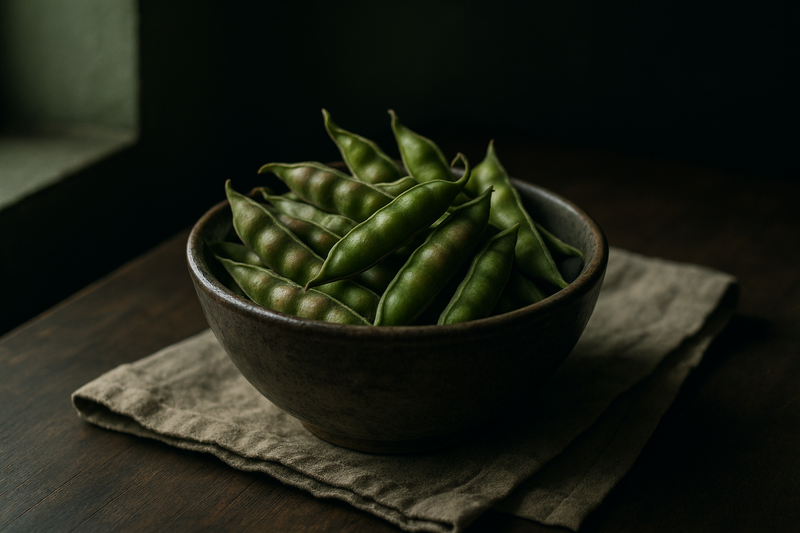
Fresh Pigeon Peas (Gandules) · Photograph
Discover the nutrition and health benefits of fresh pigeon peas (gandules): a Caribbean staple packed with plant protein, fiber, folate, and iron. Learn how this whole-food legume supports heart health, digestion, and blood sugar, plus how to cook it for arroz con gandules.
Key Nutrients
% Daily Value based on 2,000 cal diet
Key active compounds in fresh pigeon peas
Beyond basic macronutrients, pigeon peas contain a range of phytochemicals — biologically active plant compounds that may contribute to health beyond simple calorie or micronutrient value.
- Diosmetin — A flavone (a type of polyphenol, or plant-based antioxidant molecule) found in pigeon pea seeds. Lab and computational studies suggest it may inhibit DPP-4, an enzyme involved in blood glucose regulation, hinting at a role in glycemic (blood sugar) control. Evidence is currently in vitro (in test tubes or cells), not yet from human trials.
- Genistein — An isoflavone, which is a plant compound with mild estrogen-like activity. Genistein is also found in soy. In pigeon peas it may influence glucose metabolism and vascular (blood vessel) function. Most of the human evidence for genistein comes from soy studies; pigeon-pea-specific data are limited.
- Phenolic compounds (flavonoids and phenolic acids) — A broad family of antioxidant molecules that help plants defend themselves and, when consumed, may help protect human cells from oxidative stress (the cellular damage caused by unstable molecules called free radicals). Evidence in pigeon peas comes primarily from laboratory and animal studies.
- Isoflavones (general) — The broader class that includes genistein and related compounds. Pulse-focused reviews link isoflavone intake to possible support for bone health and menopausal symptom relief, though direct human studies on pigeon peas are scarce.
- Resistant starch and prebiotic fiber — Not a single compound but a structural food component. The fiber and resistant starch (starch that escapes digestion in the small intestine) in pigeon peas act as food for beneficial gut bacteria, supporting microbiome diversity.
- Antinutrients (context note) — Raw pigeon peas contain protease inhibitors (compounds that interfere with protein-digesting enzymes) and phytates (compounds that can bind minerals and reduce their absorption). Thorough cooking substantially reduces these, which is one reason cooking before eating is essential.
Prep and pairing ideas
Fresh pigeon peas are remarkably versatile for such a humble ingredient. Here's how to make the most of them:
Arroz con gandules (the classic): Sauté sofrito (a fragrant blend of onion, garlic, bell pepper, cilantro, and culantro), add fresh or canned gandules, tomato sauce, sazón seasoning, and rinsed white or brown rice, then simmer everything together in broth. The peas absorb the seasoned liquid and become meltingly tender. Brown rice adds extra fiber; fresh gandules add a green, slightly sweet note.
Simple sauté: Blanch fresh pigeon peas for 3–4 minutes, then toss with olive oil, garlic, smoked paprika, and a squeeze of lemon. Serve as a side or stir into grain bowls.
Pigeon pea soup: Simmer fresh gandules with diced sweet potato, tomatoes, onion, cumin, and vegetable broth for a naturally sweet, iron-rich soup. Add kale in the last few minutes for extra folate and vitamin C (which boosts iron absorption from both ingredients).
Three practical pairings and why:
- With vitamin C–rich tomatoes or lime juice — Enhances absorption of non-heme iron from the peas. This is already baked into most traditional gandule recipes, which is part of what makes them nutritionally smart.
- With brown rice or whole grains — Creates a complementary amino acid profile (plant proteins each contain some but not all essential amino acids; pairing different plant proteins throughout the day covers all bases) and boosts the meal's total fiber content.
- With leafy greens (spinach, kale, or recao/culantro) — Adds additional folate, vitamin K, and antioxidants that work synergistically with pigeon peas' own micronutrient profile.
Bottom line
Fresh pigeon peas (gandules) are a nutritionally dense whole-food legume that earn their place in a health-supporting diet. Their combination of plant protein, dietary fiber, folate, iron, magnesium, and potassium makes them one of the more well-rounded plant foods you can add to your weekly meals — and their role in Caribbean culinary traditions like arroz con gandules means eating them can be as culturally nourishing as it is physically nourishing.
The evidence base for legumes and pulses broadly is strong and consistently positive for heart health, digestive health, and blood sugar management. Pigeon-pea-specific research is growing, particularly around glycemic control, with some promising but still early human data. Fresh gandules have the softest evidence base of any pigeon pea form simply because they've been studied least — but their nutritional composition aligns well with the broader legume evidence.
Cook them thoroughly, pair them with vitamin C–rich foods for better iron absorption, build up portions gradually if you're new to regular legume eating, and talk to your healthcare provider if you have kidney disease, diabetes, or hormone-sensitive conditions. Done right, a bowl of arroz con gandules is genuinely one of the smarter things you can eat.
Exploring how whole foods like pigeon peas fit into your specific health goals? Browse Plantopedia's goals guides to see how legumes and other plant foods map to outcomes like heart health, energy, and digestive wellness.
How Fresh Pigeon Peas (Gandules) Compares
| Compared with | What's different |
|---|---|
| Fresh Pigeon Peas (Gandules) vs. Green Peas | Smaller, rounder, and starchier with a distinct nutty flavor compared to the sweet, soft green pea. |
| Fresh Pigeon Peas (Gandules) vs. Brown Lentils | Firm texture that holds up better in long stews, whereas lentils soften and dissolve more easily. |
Health Benefits
Things to Know
Always cook before eating.: Raw pigeon peas contain antinutrients that can cause digestive discomfort and impair nutrient absorption. Thorough cooking (simmering until tender) substantially reduces these.
Introduce gradually.: If legumes are new to your diet, starting with small portions (¼ cup cooked) and building up over 1–2 weeks helps your gut microbiome adapt and reduces gas and bloating.
Kidney disease caution.: Dried pigeon peas in particular are high in potassium and phosphorus. If you have advanced chronic kidney disease or are on a potassium- or phosphorus-restricted diet, discuss portion sizes with a renal dietitian before significantly increasing intake.
Diabetes medications.: Pigeon-pea-based foods — especially fermented or concentrated preparations — may modestly lower blood glucose. If you take insulin, sulfonylureas, or other glucose-lowering drugs, monitor your blood sugar and consult your provider if you're significantly increasing legume intake.
Legume allergy.: Those with known allergies to related legumes (peanuts, soy, lentils) should introduce pigeon peas cautiously, as cross-reactivity is possible.
IBS and sensitive digestion.: The fermentable carbohydrates (FODMAPs — short-chain sugars that can be poorly absorbed and fermented by gut bacteria) in pigeon peas may trigger symptoms in some people with irritable bowel syndrome. Smaller portions and thorough cooking may help.
Pregnancy and folate.: Pigeon peas are an excellent folate source, which is especially important before and during early pregnancy. However, total folate intake (from food and supplements combined) should be discussed with an obstetric provider.
Iron absorption tip.: The non-heme iron (the plant-based form of iron, which is less readily absorbed than the heme iron in animal foods) in pigeon peas is best absorbed alongside a vitamin C–rich food. A squeeze of lime over your arroz con gandules is both traditional and nutritionally smart.
Phytates and supplements.: If you take iron supplements, consider spacing them away from large legume-based meals, as phytates in pulses can mildly reduce iron absorption.
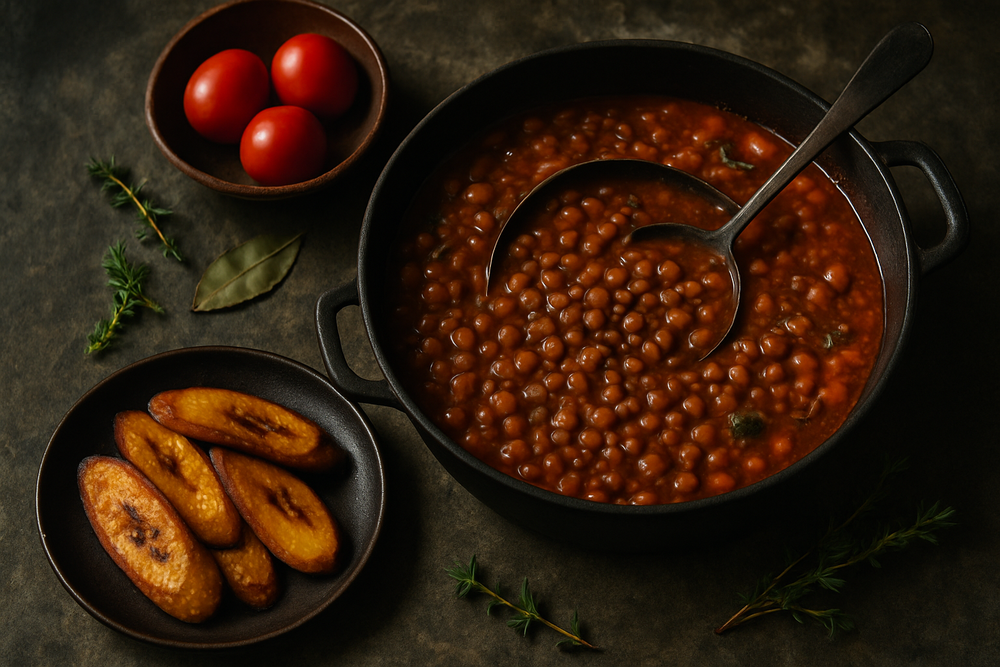
Prep Ideas
- — With vitamin C–rich tomatoes or lime juice — Enhances absorption of non-heme iron from the peas. This is already baked into most traditional gandule recipes, which is part of what makes them nutritionally smart.
- — With brown rice or whole grains — Creates a complementary amino acid profile (plant proteins each contain some but not all essential amino acids; pairing different plant proteins throughout the day covers all bases) and boosts the meal's total fiber content.
- — With leafy greens (spinach, kale, or recao/culantro) — Adds additional folate, vitamin K, and antioxidants that work synergistically with pigeon peas' own micronutrient profile.
Shop This Ingredient
Stock your pantry with quality fresh pigeon peas (gandules).
Buy on AmazonAs an Amazon Associate, Plantopedia earns from qualifying purchases. This costs you nothing extra and helps us keep the encyclopedia free.
Frequently Asked Questions
Heart and circulation Diets rich in legumes and pulses are consistently associated with lower LDL cholesterol (often called "bad" cholesterol) and a reduced risk of coronary heart disease. The mechanisms are well understood: the soluble fiber in pulses binds cholesterol in the digestive tract, the low saturated fat content makes them a cleaner protein source than many animal foods, and minerals like potassium, magnesium, and folate all play supporting roles in cardiovascular health. Pigeon peas share this profile. They are low in saturated fat, reasonably high in fiber, and contain potassium and magnesium at meaningful levels. Animal studies using pigeon-pea-based beverages have shown cholesterol-lowering and antioxidant effects — but large, well-controlled human trials isolating pigeon peas for cardiovascular outcomes are still limited. The most defensible statement today is that fresh pigeon peas, as part of a legume-rich dietary pattern, can support heart health consistent with what we know about pulses broadly. Digestive health and microbiome This is where the evidence base for legumes — including pigeon peas — is strongest. Dietary fiber promotes bowel regularity, increases stool bulk, supports healthy gut bacteria, and contributes to the feeling of fullness after a meal. Fresh pigeon peas provide both soluble and insoluble fiber plus resistant starch, all of which feed beneficial bacteria in the colon (the large intestine). Major health organizations including the Mayo Clinic and Harvard's Nutrition Source consistently highlight legumes as among the best dietary fiber sources available. The practical implication: if you're not currently eating many legumes and you add fresh gandules to your weekly rotation, you're likely to notice improvements in digestive regularity. The flip side — gradual introduction matters. Jumping from zero to large servings of any high-fiber legume can cause gas and bloating while your gut microbiome adjusts (more on that in the cautions section). Blood sugar and metabolism This is an active and genuinely interesting area for pigeon peas specifically. A literature review of eleven studies concluded that pigeon pea consumption showed a statistically significant hypoglycemic effect (blood-sugar-lowering effect) in both animal models and people with diabetes. One human study found that a pigeon-pea tempeh milk beverage mixed with ginger led to meaningful reductions in fasting blood glucose in people with diabetes. The proposed mechanisms include: the low glycemic index (a measure of how quickly a food raises blood sugar) of legumes generally; the fiber slowing glucose absorption; and specific compounds like diosmetin potentially inhibiting enzymes involved in glucose metabolism. Most of this research involves dried, germinated, or fermented pigeon pea preparations rather than fresh green peas as you'd find in arroz con gandules — so translating these findings directly to a bowl of rice and gandules requires some caution. Still, the direction of evidence is encouraging, and fresh pigeon peas in a balanced meal are unlikely to spike blood sugar the way refined carbohydrates do. Inflammation and recovery No robust human trials have directly tested fresh pigeon peas for inflammatory markers. Animal studies show that germinated pigeon peas and pigeon-pea beverages can reduce oxidative stress biomarkers (such as malondialdehyde, a marker of cellular damage from free radicals) and improve antioxidant status. The phenolic compounds and flavonoids in pigeon peas exhibit free-radical scavenging activity in lab settings. In the broader context of diet and inflammation, patterns that emphasize legumes, whole grains, fruits, and vegetables are consistently associated with lower chronic disease risk — which includes conditions with an inflammatory component. Pigeon peas' contribution to that pattern is real; isolating their anti-inflammatory effect specifically is where the science is still developing. Hormones and cycle health Pigeon peas contain isoflavones, including genistein, which are phytoestrogens — plant compounds that can weakly interact with estrogen receptors in the body. Pulse-focused nutrition reviews note that phytoestrogen-rich legumes may help reduce menopausal symptoms (such as hot flashes) and potentially support bone health, drawing largely on research into soy isoflavones. Direct human evidence for pigeon-pea-specific hormonal effects is essentially absent — so any hormone-related benefit should be understood as an extrapolation from the broader isoflavone and legume literature, not an established effect of gandules in particular. Individuals with hormone-sensitive conditions (such as estrogen-receptor-positive breast cancer) should discuss isoflavone-containing foods with their healthcare provider.
The honest answer: both are excellent, and they're suited to different uses. Fresh (immature) green pigeon peas have higher moisture content, which means the nutrient concentration per gram is lower than dried. They have a sweeter, more delicate flavor, cook in minutes rather than hours, and deliver their fiber, protein, and micronutrients in a way that works beautifully in dishes like arroz con gandules or light stews. Because they haven't fully matured, their antinutrient levels (particularly protease inhibitors and phytates) are somewhat lower than dried seeds — though cooking is still important. Dried mature pigeon peas are nutritionally denser per gram — higher protein, higher fiber, higher mineral concentrations. They're the form used in most of the clinical and functional food research on pigeon peas. They require soaking and significantly longer cooking, but they're shelf-stable, economical, and pack a substantial nutritional punch. Canned pigeon peas (often labeled "gandules" in Latin grocery stores) offer convenience with a nutritional profile close to cooked dried peas. Rinsing canned peas reduces sodium content meaningfully. Germinated or sprouted pigeon peas have shown enhanced antioxidant and blood-sugar-related properties in animal studies — but no human trials have evaluated this form specifically. Bottom line on form: For everyday cooking, fresh or canned gandules are practical and nutritious whole-food choices. For maximum nutrient density, dried and cooked peas edge ahead. If you're specifically looking at blood sugar support based on published research, fermented or germinated preparations have the most (though still limited) human evidence — but fresh peas as part of a balanced meal are still a sensible choice.
The plant-based meal planner looking for complete nutrition Fresh pigeon peas add substantial plant protein to dishes that might otherwise be low in this macronutrient. Their iron and folate content is particularly valuable for those avoiding animal-based iron and B-vitamin sources. The fiber supports the satiety and digestive regularity that can be harder to maintain on an all-plant diet. The home cook building Caribbean-inspired, budget-friendly meals Gandules are the heart of arroz con gandules and many other traditional dishes — cooking with them authentically connects culinary heritage to nutrient density. Fresh or canned pigeon peas require no overnight soaking and cook quickly, making them one of the most accessible legumes for weeknight dinners. Their mild sweetness pairs well with sofrito, tomatoes, and herbs, making it easy to build a satisfying, vegetable-forward plate.
There's no single universal target for pigeon peas specifically, but the guidance from major nutrition bodies is consistent: legumes and pulses should be eaten regularly and generously, ideally multiple times per week. Practical starting range: ½ cup cooked (approx. 75–90 g) is a comfortable starting portion for people new to regular legume eating. ¾ to 1 cup cooked (approx. 110–150 g) is a typical portion in traditional Caribbean cooking and aligns with the amounts used in most dietary pattern research showing benefits. The European dietary guidelines suggest consuming legumes at least 3–4 times per week. Harvard's Nutrition Source and the FAO both frame pulses as foods to eat regularly — not as an occasional side, but as a regular protein and fiber source. Start low, go slow: If you're significantly increasing your legume intake, begin with smaller portions and increase over 2–4 weeks. Stay well hydrated. Your gut microbiome will adapt, and the gas and bloating that some people experience at first tends to diminish with consistent eating. When counts matter: If you're using pigeon peas specifically to support iron or folate intake, getting ½–1 cup in several meals per week — ideally paired with vitamin C sources — meaningfully contributes to daily targets, especially on a plant-based diet.
Quick Answers
Common questions, answered in a line.
Raw pigeon peas contain antinutrients like protease inhibitors and phytates that can cause digestive discomfort and block nutrient absorption. Thoroughly simmering the peas until they are tender substantially reduces these compounds, making them safe and nutritious to eat.
Pigeon peas contain the flavone diosmetin and the isoflavone genistein, which may help regulate blood glucose and influence glucose metabolism. While human data is still emerging, lab studies suggest these compounds might inhibit enzymes involved in blood sugar regulation.
To maximize iron absorption from pigeon peas, pair them with vitamin C–rich foods like tomatoes, lime juice, or kale. Since pigeon peas contain non-heme iron, which is less readily absorbed by the body, the addition of vitamin C helps unlock this essential mineral.
Pigeon peas provide resistant starch and prebiotic fiber that act as food for beneficial gut bacteria, supporting a diverse microbiome. These structural components escape digestion in the small intestine to promote overall digestive wellness.
Pigeon peas contain isoflavones, including genistein, which are plant compounds that possess mild estrogen-like activity. General reviews of pulses suggest that isoflavone intake may support bone health and provide relief for menopausal symptoms.
Yes, individuals with allergies to related legumes like peanuts, soy, or lentils should introduce pigeon peas cautiously due to the possibility of cross-reactivity. It is always best to monitor for reactions when adding a new legume to your diet.
To make traditional arroz con gandules, sauté a sofrito of onion, garlic, peppers, and cilantro, then simmer the peas and rice together in broth with tomato sauce and sazón. This allows the fresh or canned gandules to become meltingly tender while flavoring the rice.
For Readers in the USA
Local context — sourcing, seasonality, and regional notes.
In the United States, fresh pigeon peas are most accessible at Caribbean or Latino grocery stores (often labeled as "gandules frescos") and major retailers like Publix or Walmart in Florida and the Northeast. You can typically find them year-round in the freezer aisle or canned, while truly fresh-in-the-pod peas are usually sold at specialty markets or farmers markets in tropical regions.
Fresh pigeon pea production in the U.S. is largely concentrated in Florida, Puerto Rico, and the U.S. Virgin Islands due to the crop's need for a frost-free, tropical climate. While they are a staple in Caribbean-American communities, they are increasingly grown in home gardens across USDA Hardiness Zones 9 through 11.
The peak season for fresh pigeon peas in the U.S. and Caribbean is generally from December through April, making them a traditional centerpiece for Christmas and New Year's meals. Outside of this winter-spring window, most U.S. consumers rely on high-quality frozen or canned varieties that retain much of the fresh nutritional profile.
In the U.S., pigeon peas are most commonly recognized by their Spanish name, "gandules," particularly within the Puerto Rican and Dominican communities where "arroz con gandules" is a cultural staple. They are also sometimes referred to as "congo peas" or "gunga peas" in regions with strong West Indian or Jamaican influences.
AI Clinical Review
- Clearly situates pigeon peas within the legume family and accurately highlights key nutrients (protein, fiber, folate, iron, magnesium, potassium) that align with established legume research.
- Emphasizes cooking to reduce antinutrients and offers practical vitamin C pairings to improve non‑heme iron absorption—useful, evidence‑based guidance.
- Appropriately links regular legume intake with cardiometabolic and digestive benefits (cholesterol, glycemic control, bowel regularity), reflecting consensus from major health organizations.
- Helpfully distinguishes forms (fresh vs dried vs canned/sprouted) and explains how texture, cooking time, and nutrient density differ in everyday use.
- Most data specific to pigeon peas—especially fresh, green peas—are limited; much of the cited benefit is extrapolated from broader legume research or from dried/fermented preparations.
- Hypoglycemic effects are promising but come largely from small human studies and animal/in‑vitro work; translating these effects to typical dishes (e.g., arroz con gandules) needs more clinical trials.
- Discussions of phytochemicals (e.g., diosmetin, genistein/phytoestrogens) are mechanistic; real‑world dosing, bioavailability, and clinical impact in humans remain uncertain.
- Portions: 1/2–1 cup cooked per serving is a practical range for most adults; increase gradually to minimize gas as your gut adapts.
- Kidney disease: Dried legumes can be high in potassium and phosphorus—people with moderate to advanced CKD should individualize portions with a renal dietitian; rinse canned peas to lower sodium.
- Diabetes: If you use insulin or sulfonylureas, monitor glucose when increasing legumes, as overall carbohydrate quality and meal composition can lower requirements.
- Sensitivities: Possible cross‑reactivity in those with legume allergies (peanut/soy/lentil). Some with IBS may react to FODMAPs—smaller portions and thorough cooking often help. Pregnant individuals can benefit from folate in pigeon peas but should coordinate total folate (food + supplements) with their clinician.
Cook before eating; fresh peas cook faster than dried.
References
- USDA FoodData Central — pigeon peas nutrient data (fdc.nal.usda.gov)
- Harvard T.H. Chan School of Public Health — Legumes and Pulses (Nutrition Source) (nutritionsource.hsph.harvard.edu)
- Food and Agriculture Organization (FAO) — Nutritional Benefits of Pulses factsheet (fao.org)
- Mayo Clinic — High-fiber foods including legumes (mayoclinic.org)
- Mayo Clinic — Meatless meals: plant-based protein (mayoclinic.org)
- European Commission Health Promotion Knowledge Gateway — Dietary recommendations for legumes and pulses (knowledge4policy.ec.europa.eu)
- Exploring Pigeon Pea (Cajanus cajan) as a Functional Food: Nutritional Profile, Bioactive Compounds, and Enzyme Inhibition for Glycemic Control — review (nrfhh.com)
- Hypoglycemic Effect of Pigeon Pea (Cajanus cajan) in Diabetes Mellitus — literature review of 11 studies including human data (jgp.poltekkes-mataram.ac.id)
- Role of Pigeon Pea (Cajanus cajan L.) in Human Nutrition and Health: A Review (academia.edu)
- DaVita Kidney Care — Legumes and kidney diet (davita.com)
Know Your Numbers
Eating healthy is a start. Now get to know your biomarkers.
Food changes bloodwork — inflammation, lipids, blood sugar and nutrient status all respond to what you eat. 59 markers from $59.
- Results in 7–10 days at 2,000+ Quest sites
- Licensed provider reviews every result
- One flat price, no membership, HSA/FSA eligible
Educational information only, not medical advice. Panels are ordered and reviewed through our licensed partner; Plantopedia may earn a commission.