Sea Island Red Peas — health benefits and uses
A Gullah-Geechee heritage pea central to Lowcountry foodways.
The Short Answer
Sea Island red peas are a nutrient-dense heirloom legume providing 10g of protein and 5g of fiber per 1/4 cup dry serving. They are known for supporting heart health and digestion through their high concentration of soluble fiber and antioxidant polyphenols.
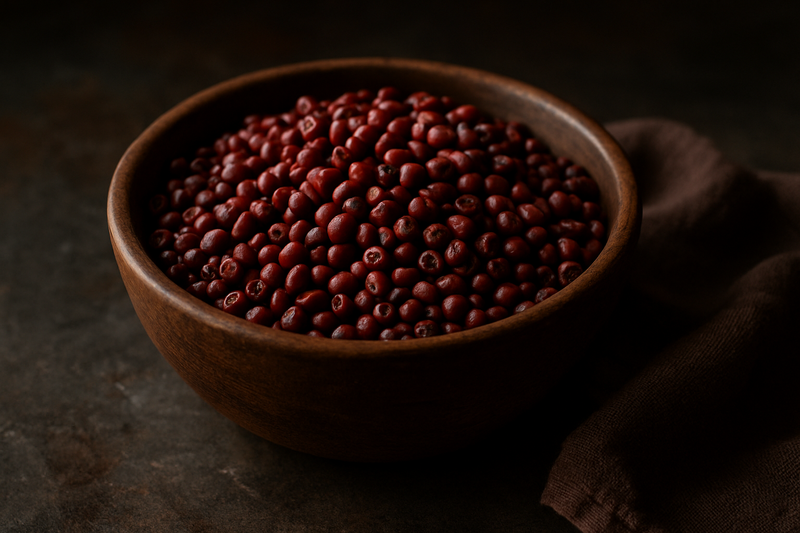
Sea Island Red Peas · Photograph
Discover the Sea Island red peas health benefits backed by legume research: heart-supportive fiber, plant protein, iron, and blood sugar-friendly slow carbs. Learn nutrition facts, how to cook them, and who should take caution.
Key Nutrients
% Daily Value based on 2,000 cal diet
Key active compounds
- Dietary fiber (soluble and insoluble): The pea's seed coat and flesh contain both types. Soluble fiber — the kind that dissolves in water — helps blunt cholesterol and blood glucose spikes. Insoluble fiber adds bulk to stool and feeds beneficial gut bacteria.
- Plant protein (globulins and albumins): Cowpea proteins have been shown in at least one clinical trial to reduce LDL cholesterol meaningfully (see Heart health section below). They supply most essential amino acids and pair well with grains to complete the amino acid profile.
- Polyphenols (flavonoids and phenolic acids): These are plant compounds with antioxidant properties — they help neutralize free radicals (unstable molecules that can damage cells). The deep-red pigment of the seed coat is partly a sign of these compounds.
- Non-heme iron: The form of iron found in plants. Less readily absorbed than the heme iron in meat, but still a meaningful contribution, especially when eaten with vitamin C-rich foods.
- Potassium and calcium: Electrolyte minerals that support blood pressure regulation, muscle function, and bone health.
- Phytates: Organic acids that bind to minerals like iron and zinc, modestly reducing their absorption. Soaking and cooking significantly lower phytate content, improving mineral bioavailability.
Are Sea Island red peas good for your health? Key benefits explained
Heart and circulation
The strongest direct evidence comes from a randomized, double-blind crossover trial of 38 adults with mildly elevated cholesterol. Over six weeks, participants consuming 25 g/day of cowpea protein isolate (a concentrated form, not whole peas) reduced total cholesterol by about 12%, LDL by about 19%, and apolipoprotein B — a marker of harmful cholesterol particles — by about 14%. HDL ("good") cholesterol nudged up slightly. This is notable, though the trial used an isolate, not whole Sea Island red peas.
Broader pulse research and expert dietary guidance from Harvard's Nutrition Source and similar bodies consistently link regular legume intake to better cardiovascular outcomes. The mechanisms include: soluble fiber binding to bile acids (which forces the liver to pull cholesterol from the blood to make more), a low saturated fat content, and meaningful potassium intake that may support healthy blood pressure when kidney function is normal.
Digestive health and microbiome
Both soluble and insoluble fiber in Sea Island red peas support gut health. The insoluble fiber adds bulk and speeds transit time, reducing constipation. The soluble fiber feeds beneficial gut bacteria — a process called fermentation — which produces short-chain fatty acids linked to reduced gut inflammation and improved gut lining integrity.
A ¼ cup dry serving provides about 5 g of fiber, roughly 18% of the recommended daily value. Eaten regularly several times per week, legumes are one of the most practical tools for reaching the 25–38 g/day fiber targets most health guidelines recommend.
Blood sugar and metabolism
Sea Island red peas are a low-glycemic food — meaning they raise blood glucose more slowly and steadily than refined carbohydrates like white bread or white rice. This is due to the combined effect of fiber slowing digestion, protein requiring more energy to process, and the physical structure of the whole bean resisting rapid breakdown.
Human dietary studies on mixed pulses consistently show improved post-meal blood glucose and better insulin sensitivity in people who eat legumes regularly. The macronutrient profile of Sea Island red peas (10 g protein, 5 g fiber, 26 g carbohydrate per ¼ cup dry, with minimal added sugars) aligns closely with pulses used in those trials. They do not replace diabetes medications, but they can be a useful dietary tool as part of a blood-sugar-friendly eating pattern.
Inflammation and recovery
The polyphenols in the deep-red seed coat have antioxidant and potentially anti-inflammatory properties in laboratory and animal studies. Evidence in humans is less direct — in the cowpea protein trial mentioned above, inflammation markers did not improve significantly despite favorable cholesterol changes. That said, observational studies linking regular pulse intake to lower cardiometabolic risk suggest some anti-inflammatory benefit may come from eating legumes as part of an overall plant-rich diet. This is an area where evidence is emerging rather than established.
Prep and pairing ideas
Sea Island red peas have a creamy, earthy flavor that is slightly earthier and nuttier than black-eyed peas. They hold their shape well when cooked but become meltingly tender with long, slow simmering.
Classic Hoppin' John: Sort and rinse 1 cup dry peas, soak overnight, drain. Simmer with onion, celery, garlic, and bay leaf until tender (about 60–90 minutes). Serve over long-grain rice with a splash of hot sauce and collard greens on the side. The pot liquor (cooking liquid) makes an excellent light gravy.
Red-pea gravy: Reserve extra pot liquor after cooking, mash a portion of the peas into the liquid, and season with smoked paprika and thyme. Spoon over grits, cornbread, or baked sweet potato for a deeply flavored, protein-rich sauce.
Pairing ideas for this ingredient:
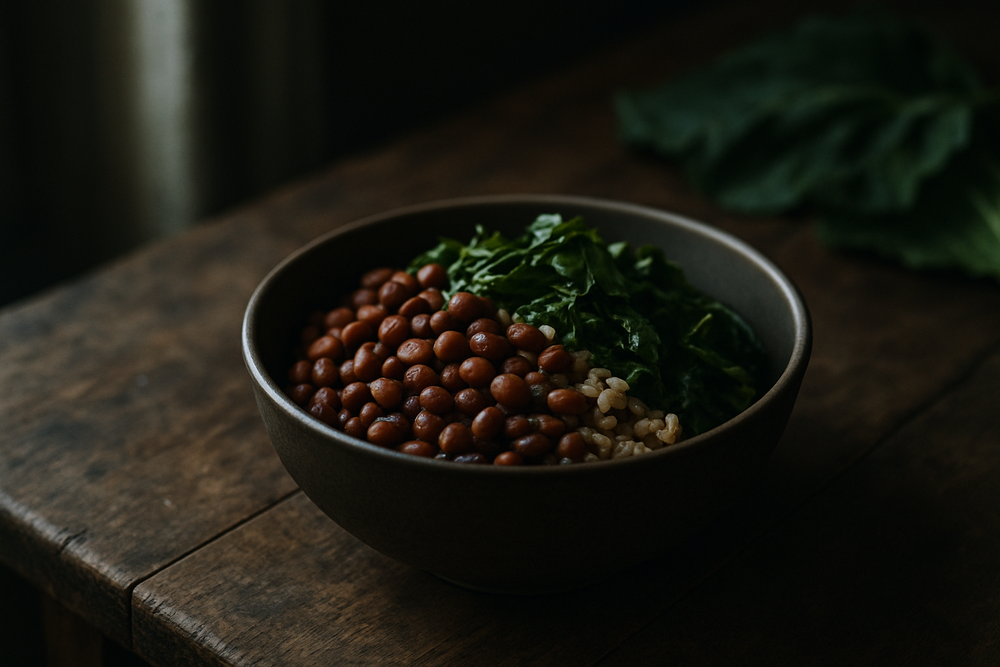
- Sea Island red peas + collard greens: A Lowcountry pairing with nutritional logic. The vitamin C in collards improves absorption of the non-heme iron in the peas. The fiber from both is additive and supports gut health.
- Sea Island red peas + brown rice: Completes the amino acid profile for a full plant protein. The combination lowers the overall glycemic load compared with white rice alone.
- Sea Island red peas + smoked paprika and apple cider vinegar: Acid brightens the earthy flavor and, anecdotally, can reduce some of the gas-producing compounds when added during cooking. Vinegar also adds depth without sodium.
Bottom line
Sea Island red peas are a genuine nutritional standout among heirloom legumes: high in plant protein, rich in dietary fiber, meaningfully iron- and potassium-dense, and backed by credible research — both in broader pulse science and in direct cowpea trials — for supporting heart health, blood sugar stability, and digestive regularity. They are not a miracle food, but they are exactly the kind of whole-food staple that shows up consistently in the dietary patterns associated with long-term health.
Their cultural heritage as a Lowcountry heirloom adds value beyond nutrition: cooking them is an act of culinary preservation. Whether you are making traditional Hoppin' John or a simple red-pea soup, you are reaching for one of the most intelligently designed foods a plant produces — a seed packed to sustain life.
Soak them overnight, cook them low and slow, use the pot liquor, and eat them a few times a week. That is genuinely most of what the evidence supports.
Explore more ways to build your plate around whole legumes and pulses at Plantopedia Goals.
How Sea Island Red Peas Compares
| Compared with | What's different |
|---|---|
| Sea Island Red Peas vs. Black-eyed Peas | Smaller and creamier with a richer, nutty flavor compared to the standard earthy black-eyed pea. |
| Sea Island Red Peas vs. Adzuki Beans | Slightly larger with a firmer texture that holds its shape better in long-simmered Gullah Geechee dishes. |
Health Benefits
Things to Know
Always soak and cook thoroughly.: Raw or undercooked cowpeas contain lectins and other compounds that can cause nausea, vomiting, and significant gastrointestinal distress. A minimum 6-hour soak followed by a full boil until completely tender is essential.
Kidney disease and potassium restriction.: Sea Island red peas supply ~470 mg potassium per ¼ cup dry. People with advanced chronic kidney disease (CKD) or those on a potassium-restricted diet should check portion sizes with a renal dietitian before eating them regularly.
Phosphorus content.: Like other pulses, Sea Island red peas contain phosphorus. This is generally beneficial, but people on phosphorus-restricted diets (often required in late-stage CKD) should factor legumes into their daily limits.
Legume or peanut allergy.: Cowpeas belong to the Fabaceae (legume) plant family. People with known legume or peanut allergies may have cross-reactive responses and should consult an allergist.
IBS and digestive sensitivity.: The fermentable fibers in cowpeas (oligosaccharides) are high-FODMAP, meaning they can trigger bloating, gas, and cramping in people with irritable bowel syndrome (IBS). Introducing them slowly in small portions — and ensuring thorough cooking — can help, but some individuals may not tolerate them well.
Diabetes medications.: High-fiber legume meals can modestly lower post-meal blood glucose. If you take insulin or sulfonylureas (a class of glucose-lowering drugs), monitor your blood sugar around meals and discuss any dietary changes with your care team.
Thyroid medications.: High-fiber meals can potentially slow absorption of some medications, including levothyroxine. The standard guidance is to take thyroid medication on an empty stomach, well separated from high-fiber meals.
Pregnancy.: Legumes are excellent sources of folate (important for early fetal development) and iron. Sea Island red peas are a reasonable part of a pregnancy diet, though precise folate values for this specific variety are not well characterized. Pair with vitamin C-rich foods to boost non-heme iron absorption.
Prep Ideas
- — **Sea Island red peas + collard greens:** A Lowcountry pairing with nutritional logic. The vitamin C in collards improves absorption of the non-heme iron in the peas. The fiber from both is additive and supports gut health.
- — **Sea Island red peas + brown rice:** Completes the amino acid profile for a full plant protein. The combination lowers the overall glycemic load compared with white rice alone.
- — **Sea Island red peas + smoked paprika and apple cider vinegar:** Acid brightens the earthy flavor and, anecdotally, can reduce some of the gas-producing compounds when added during cooking. Vinegar also adds depth without sodium.
Shop This Ingredient
Stock your pantry with quality sea island red peas.
Buy on AmazonAs an Amazon Associate, Plantopedia earns from qualifying purchases. This costs you nothing extra and helps us keep the encyclopedia free.
Frequently Asked Questions
Whole dry peas (the classic choice) Whole dry Sea Island red peas are the traditional and most nutritious form. Sorting, rinsing, soaking (6–12 hours), then simmering until tender retains the full fiber, protein, and mineral profile while significantly reducing phytates and gas-producing fermentable carbohydrates called oligosaccharides. This is the form used in Hoppin' John, red-pea gravy, soups, and stews. Cooked peas paired with grains Combining Sea Island red peas with rice or other grains — as in classic Hoppin' John — naturally creates a more complete amino acid profile. Plant proteins each lack one or more essential amino acids; legumes and grains have complementary gaps, so eating them together (even over the course of the same day, not necessarily in the same bite) covers the full range. Cowpea protein isolate This concentrated supplement form was used in the cholesterol trial but is not a traditional food and is not necessary to get the benefits. Whole peas, eaten regularly, supply the same proteins alongside fiber and micronutrients that an isolate strips away. Bottom line on form: Whole dry peas, properly soaked and cooked, are the best option for most people. They are affordable, widely available from specialty mills and online, and deliver the full nutritional package.
There is no established clinical dose for Sea Island red peas specifically, but guidance from multiple nutrition sources — including Harvard's Nutrition Source — suggests aiming for ½ to 1 cup of cooked legumes (roughly ¼ to ⅓ cup dry) per serving, consumed several times per week. In the cowpea protein trial, the effective amount was 25 g/day of cowpea protein isolate, which is roughly equivalent to what you'd find in about ½–1 cup of cooked peas. Practical starting advice: If you are new to legumes, start with ¼ cup cooked (about 2–3 tablespoons dry) and increase gradually over 2–4 weeks. This gives your gut microbiome time to adapt and reduces gas and bloating. Pair with plenty of water throughout the day — fiber absorbs water, and hydration helps it do its job. Frequency matters more than quantity in a single serving. Eating legumes 3–5 times per week appears to be where dietary pattern studies observe the most consistent health associations. There is no evidence that eating more than 1–2 cups cooked per day provides additional benefit, and large portions can increase digestive discomfort.
The plant-based athlete or active person Needs high-volume, affordable plant protein to support muscle maintenance and recovery. Sea Island red peas' 10 g protein per ¼ cup dry serving adds up quickly across multiple meals. The iron content supports oxygen transport — important for endurance and energy. Pairs naturally with whole grains to hit complete amino acid coverage without supplements. The heart-health-focused home cook Looking for practical, food-first ways to support cholesterol and blood pressure. Cowpea protein and soluble fiber have both demonstrated LDL-lowering effects in human trials. The low sodium, low saturated fat, and meaningful potassium content fits naturally into DASH- and Mediterranean-style eating patterns. The culinary tradition around these peas — slow-simmered with aromatics — encourages home cooking over processed foods.
Quick Answers
Common questions, answered in a line.
Sea Island red peas support heart health through soluble fiber, which binds to bile acids to help the liver remove cholesterol from the blood. A clinical trial using cowpea protein isolate showed significant reductions in total cholesterol, LDL, and apolipoprotein B.
Yes, Sea Island red peas are a low-glycemic food that raises blood glucose levels more slowly than refined carbohydrates. Their combination of fiber, plant protein, and complex structure helps improve post-meal blood sugar and insulin sensitivity.
Sea Island red peas are rich in both soluble and insoluble fiber, which promote regular bowel movements and reduce constipation. The soluble fiber also acts as a prebiotic, feeding beneficial gut bacteria to produce short-chain fatty acids that support the gut lining.
Sea Island red peas provide plant protein, dietary fiber, iron, potassium, calcium, and antioxidant polyphenols. A 1/4 cup dry serving delivers approximately 10 grams of protein and 5 grams of fiber, covering about 18% of the recommended daily fiber value.
You should always soak Sea Island red peas for at least six hours and boil them until completely tender before eating. Raw or undercooked peas contain lectins that can cause nausea, vomiting, and significant gastrointestinal distress.
To maximize iron absorption from Sea Island red peas, you should pair them with foods rich in vitamin C, such as collard greens. This helps the body better absorb the non-heme iron found in the peas, which is naturally less bioavailable than iron from meat.
People with advanced chronic kidney disease may need to limit Sea Island red peas due to their high potassium and phosphorus content. Additionally, individuals with IBS may experience bloating or gas because of the fermentable fibers (FODMAPs) found in the peas.
For Readers in the USA
Local context — sourcing, seasonality, and regional notes.
Sea Island red peas are primarily grown in the coastal Lowcountry regions of South Carolina and Georgia. This heirloom legume is a cornerstone of Gullah Geechee culinary traditions and is traditionally harvested in the late summer and early fall, though dried versions are available year-round.
You can buy Sea Island red peas from specialty retailers like Anson Mills, high-end grocery stores such as Whole Foods, or via online marketplaces specializing in Southern heirloom grains. While less common in standard supermarkets than black-eyed peas, they are frequently found at farmers markets throughout the Carolinas.
Sea Island red peas are the traditional, smaller legume used in authentic Lowcountry Hoppin' John, whereas the larger black-eyed pea became a more common substitute during the 20th century. Culinary historians and Southern chefs prefer the Sea Island variety for its richer, nuttier flavor and historical significance in the American South.
Look for the USDA Organic seal on packaging to ensure the peas were grown without synthetic pesticides or fertilizers. Because Sea Island red peas are an heirloom crop, many US producers also highlight 'non-GMO' status, as these seeds have been preserved through traditional agricultural practices for generations.
AI Clinical Review
- Clearly situates Sea Island red peas within the pulse family and provides realistic nutrition estimates per 1/4 cup dry, aligning with broader legume data on protein, fiber, and key minerals.
- Accurately reflects human research that regular legume intake supports heart and metabolic health, and appropriately distinguishes the cowpea protein isolate trial from whole-food use.
- Explains why soaking and thorough cooking matter for digestibility and mineral bioavailability, and offers practical tips like using the cooking liquid.
- Provides sensible intake guidance (about 1/2 to 1 cup cooked per serving, several times per week) rather than promoting large or supplemental doses.
- Most health claims are extrapolated from general pulse or cowpea research; direct trials on Sea Island red peas specifically are limited.
- The impressive LDL reductions reported with cowpea protein isolate may not translate one‑to‑one to whole cooked peas; dose equivalence is an estimate.
- Antioxidant and anti‑inflammatory benefits from polyphenols are supported mainly by lab and animal data; human outcome data remain limited.
- Exact values for minerals and glycemic impact can vary by cultivar, growing conditions, and preparation; reported numbers should be viewed as ranges.
- Safety first: soak 6–12 hours and cook thoroughly to inactivate lectins and reduce gas‑producing oligosaccharides; if new to legumes, increase portions gradually.
- Kidney considerations: these peas provide meaningful potassium and phosphorus; people with moderate to advanced chronic kidney disease or on potassium restrictions should confirm portions with their clinician or renal dietitian.
- Digestive sensitivity and allergies: cowpeas are high‑FODMAP and can aggravate IBS symptoms; those with legume or peanut allergy may have cross‑reactivity and should exercise caution.
- Medication timing: high‑fiber meals can impair absorption of thyroid medication (take separately), and legume meals can lower post‑meal glucose; individuals using insulin or sulfonylureas should monitor closely when making changes.
Soak and cook thoroughly before eating.
References
- USDA FoodData Central — Cowpeas and legume nutrition data (fdc.nal.usda.gov)
- Harvard T.H. Chan School of Public Health, The Nutrition Source — Legumes and Pulses (nutritionsource.hsph.harvard.edu)
- Randomized double-blind crossover trial: cowpea protein reduces LDL and ApoB in adults with moderate hypercholesterolemia (pubmed.ncbi.nlm.nih.gov)
- Harvard Health Publishing — Recipe for health: cheap, nutritious beans (health.harvard.edu)
- ZOE — What are legumes and why should you eat them? (zoe.com)
- Big Think — Americans are ignoring the one true "superfood": Pulses (bigthink.com)
- DaVita Kidney Diet Tips — Legumes: A plant-based protein powerhouse (davita.com)
- Eat This Much — Sea Island Red Peas nutrition facts (Geechie Boy Mill, 43 g dry) (eatthismuch.com)
- Nutribit — Sea Island Red Peas detailed nutrition profile (nutribit.app)
Know Your Numbers
Eating healthy is a start. Now get to know your biomarkers.
Food changes bloodwork — inflammation, lipids, blood sugar and nutrient status all respond to what you eat. 59 markers from $59.
- Results in 7–10 days at 2,000+ Quest sites
- Licensed provider reviews every result
- One flat price, no membership, HSA/FSA eligible
Educational information only, not medical advice. Panels are ordered and reviewed through our licensed partner; Plantopedia may earn a commission.