Cowpeas (Whole Dried) — health benefits and uses
A foundational West African legume tied to communal cooking and celebration.
The Short Answer
Cowpeas (often called black-eyed peas) are nutrient-dense legumes providing 6.6g of protein and 5.5g of fiber per 100g. They are excellent sources of folate and iron, supporting heart health and blood sugar management.
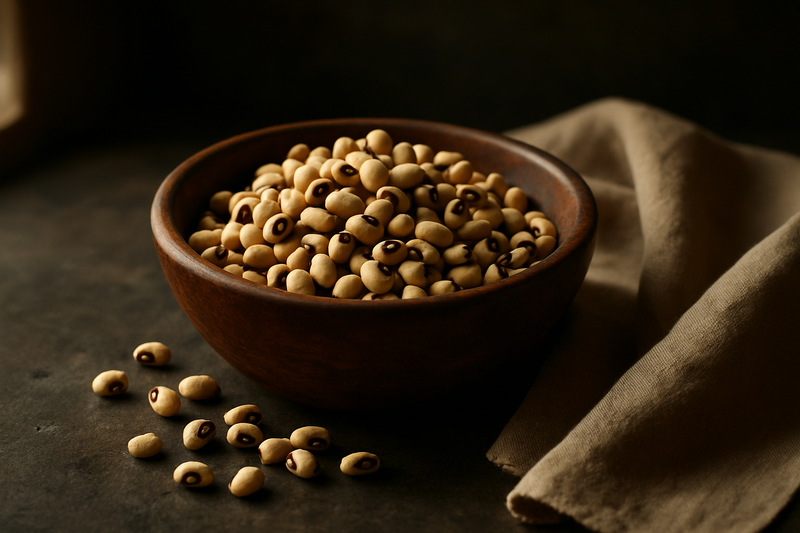
Cowpeas (Whole Dried) · Photograph
Discover the cowpeas health benefits and how to cook dried cowpeas safely — from soaking and peeling for akara fritters to supporting heart health, blood sugar, and iron intake on a plant-based diet.
Key Nutrients
% Daily Value based on 2,000 cal diet
Key active compounds
Cowpeas contain a range of plant compounds beyond vitamins and minerals. Here is what they are and why they matter:
- Isoflavones — Polyphenolic compounds structurally similar to the hormone oestrogen. They may modulate oestrogen receptors weakly, though a clinical trial using cowpea isoflavone powder found no significant hormonal benefit in postmenopausal women.
- Phenolic acids (including ferulic, caffeic, and gallic acids) — A class of antioxidant plant compounds. They may reduce oxidative stress (cellular damage from unstable molecules) and support blood vessel health; evidence in humans is mostly compositional rather than outcome-based.
- Flavonoids — A large family of plant polyphenols. They act as antioxidants and may influence inflammatory pathways, though human clinical significance in cowpeas specifically is still under investigation.
- Phytates (phytic acid) — Phosphorus-containing compounds that can bind minerals like iron and zinc, reducing how much your body absorbs. Soaking and cooking lower phytate levels significantly.
- Saponins — Surface-active glycosides that may modulate cholesterol metabolism and immune function in laboratory studies; direct human outcome data for cowpeas are lacking.
- Resistant starch — A type of carbohydrate that resists digestion in the small intestine and acts as prebiotic fibre (food for beneficial gut bacteria) in the large intestine.
Buying guide: what to look for at the store
Dried whole cowpeas: Look for bags that are sealed and uniform in colour — a pale cream with a distinctive black eye (hilum). Avoid bags with cracked, shrivelled, or mottled beans, which may indicate age or poor storage. Older beans take longer to cook and may not soften fully even after soaking.
Canned cowpeas / black-eyed peas: Check the sodium content on the label. Standard canned versions can contain 300–400 mg of sodium per half-cup; low-sodium or no-salt-added versions are widely available and worth seeking out. Drain and rinse regardless.
Cowpea flour: Choose flour labelled from whole or split cowpeas rather than highly processed blends where cowpea is a minor ingredient. Store in an airtight container; cowpea flour can go rancid faster than whole beans due to increased surface area.
Frozen cowpeas: Less common but a valid option. They are pre-cooked, so they skip soaking entirely and are useful for quick meals. Nutritional profile is close to home-cooked.
Prep and pairing ideas
How to soak, peel, and cook dried cowpeas
- Rinse dried cowpeas under cold water and pick out any debris.
- Cover with at least twice their volume of cold water and soak for 8–12 hours (or overnight).
- To peel (for akara or moin-moin): drain, then rub handfuls of beans between your palms under running water. The skins slip off easily. Float off loose skins in a bowl of water.
- To cook whole: drain soaking water (discards some oligosaccharides), cover with fresh water, bring to a boil, then simmer 45–60 minutes until completely tender. Season after cooking.
Three practical pairings
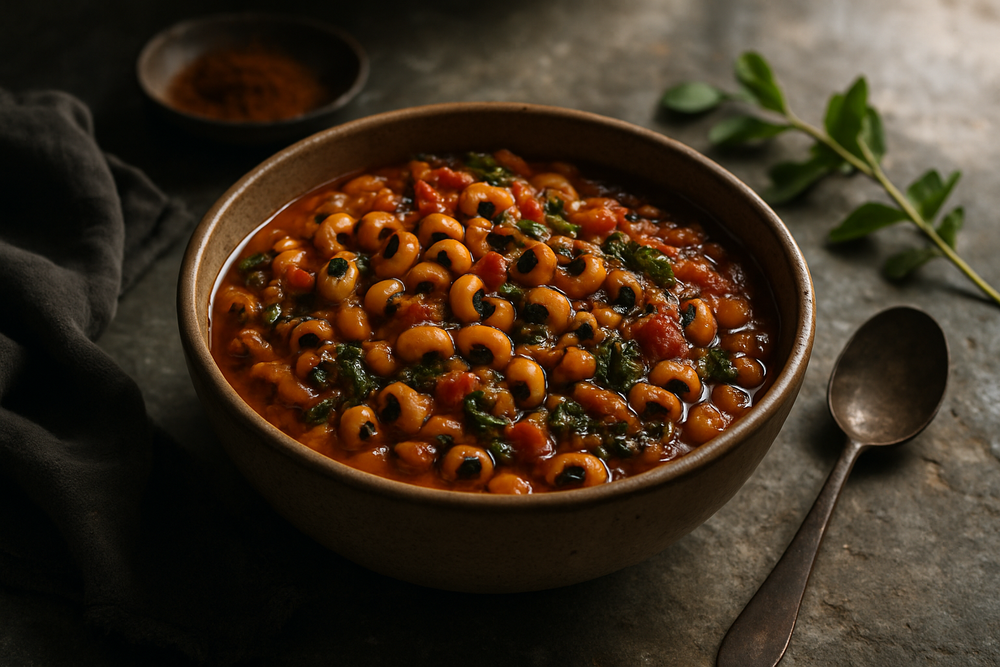
- Cowpeas + tomatoes and red onion (West African stew base): Tomatoes provide vitamin C, which significantly boosts iron absorption from the cowpeas. The combination is a classic for a reason — it is nutritionally complementary, not just flavourful.
- Cowpeas + brown rice or sorghum: Together they create a more complete amino acid profile. Cowpeas are rich in lysine (an amino acid low in grains), while grains supply methionine (lower in legumes). You do not need to eat them in the same mouthful — across the day is fine.
- Cowpeas + leafy greens and lemon (salad or grain bowl): Pairing with vitamin-C-rich lemon juice and iron-containing greens like kale creates a nutrient-dense meal that maximises mineral absorption and provides a range of phytochemicals from both food groups.
Bottom line
Dried cowpeas are one of the most nutrient-dense, affordable, and culturally significant legumes on the planet. They provide plant protein, fibre, folate, iron, magnesium, and potassium in a form that fits naturally into whole-food plant-based eating. The evidence supporting their role in blood sugar management is backed by a direct human trial; their broader benefits for heart health and digestion are strongly supported by legume-wide research and consistent with cowpea's nutrient profile.
The preparation step — soaking, optionally peeling, and cooking thoroughly — is non-negotiable for both safety and digestibility. Whether you are making a pot of spiced cowpea stew, a batch of steamed moin-moin, or simply adding cowpeas to a grain bowl, this is a food that rewards the effort put into it.
If you want to explore how cowpeas fit into a broader health goal — whether that is heart health, blood sugar support, or simply eating more plants — the goals section of Plantopedia can help you build a personalised roadmap.
How Cowpeas (Whole Dried) Compares
| Compared with | What's different |
|---|---|
| Cowpeas (Whole Dried) vs. Black Beans | Cowpeas are milder and creamier, whereas black beans are earthier and hold their shape better in salads. |
| Cowpeas (Whole Dried) vs. Chickpeas | Cowpeas cook faster and have a softer texture compared to the nuttier, firmer chickpea. |
Health Benefits
Things to Know
Always soak and cook thoroughly.: Raw or undercooked dried cowpeas contain higher levels of lectins (proteins that can irritate the gut lining) and phytates. Soaking overnight and boiling until soft eliminates this risk.
Introduce gradually.: High-fibre foods can cause bloating, gas, and abdominal discomfort if added in large amounts quickly. Start with ¼ cup cooked and build up over 2–3 weeks.
Kidney disease: Cowpeas are relatively high in potassium (around 500–600 mg per 100 g cooked) and phosphorus. People with chronic kidney disease (CKD) or on dialysis, or those prescribed low-potassium or low-phosphorus diets, should discuss serving sizes with a renal dietitian.
Medication interactions: Potassium-rich foods can elevate potassium levels in people taking ACE inhibitors, angiotensin receptor blockers (ARBs), or potassium-sparing diuretics. Ask your healthcare provider if this applies to you.
Iron absorption: Cowpeas contain non-heme iron (the plant form, less readily absorbed than meat iron). Eating cowpeas alongside a source of vitamin C (tomatoes, bell peppers, citrus juice) can meaningfully increase iron absorption. Phytates in undercooked cowpeas reduce absorption — another reason proper soaking and cooking matters.
Pregnancy: Cowpeas are a good folate source, and folate is critical in early pregnancy for neural tube development. However, food-based folate does not replace a prescribed prenatal supplement — speak with your midwife or doctor.
Legume or peanut allergy: Cross-reactive allergic responses are possible. Introduce cautiously and seek medical guidance if you have a known legume allergy.
Infants: Whole cooked cowpeas pose a choking risk for young children. Use cowpea flour or well-mashed cooked cowpeas in porridges and purees rather than whole beans.
Prep Ideas
- — Rinse dried cowpeas under cold water and pick out any debris.
- — Cover with at least twice their volume of cold water and soak for 8–12 hours (or overnight).
- — To peel (for akara or moin-moin): drain, then rub handfuls of beans between your palms under running water. The skins slip off easily. Float off loose skins in a bowl of water.
- — To cook whole: drain soaking water (discards some oligosaccharides), cover with fresh water, bring to a boil, then simmer 45–60 minutes until completely tender. Season after cooking.
- — **Cowpeas + tomatoes and red onion (West African stew base):** Tomatoes provide vitamin C, which significantly boosts iron absorption from the cowpeas. The combination is a classic for a reason — it is nutritionally complementary, not just flavourful.
- — **Cowpeas + brown rice or sorghum:** Together they create a more complete amino acid profile. Cowpeas are rich in lysine (an amino acid low in grains), while grains supply methionine (lower in legumes). You do not need to eat them in the same mouthful — across the day is fine.
- — **Cowpeas + leafy greens and lemon (salad or grain bowl):** Pairing with vitamin-C-rich lemon juice and iron-containing greens like kale creates a nutrient-dense meal that maximises mineral absorption and provides a range of phytochemicals from both food groups.
Shop This Ingredient
Stock your pantry with quality cowpeas (whole dried).
Buy on AmazonAs an Amazon Associate, Plantopedia earns from qualifying purchases. This costs you nothing extra and helps us keep the encyclopedia free.
Frequently Asked Questions
Heart and circulation Cowpeas are high in both soluble and insoluble fibre. Soluble fibre (the gel-forming kind) can help lower LDL cholesterol — sometimes called "bad" cholesterol — by binding to bile acids in the gut and preventing their reabsorption. Their potassium and magnesium content supports healthy blood pressure, and their negligible saturated fat and zero cholesterol fit well into both DASH and Mediterranean-style eating patterns. Evidence for cowpeas and heart health comes largely from legume-wide research: large observational studies and clinical trials consistently link higher pulse intake with lower LDL cholesterol, better blood pressure, and reduced risk of coronary heart disease and type 2 diabetes. Cowpea-specific trials targeting cardiovascular endpoints have not yet been published, so the benefit is probable based on shared nutrient profile rather than direct cowpea data. Digestive health and microbiome A half-cup of cooked cowpeas provides around 5–6 g of dietary fibre — about 20% of the daily target in one serving. This includes both soluble fibre that feeds beneficial gut bacteria (acting as a prebiotic) and insoluble fibre that adds bulk to stool and supports bowel regularity. Soaking and thoroughly cooking dried cowpeas is essential here. It degrades gas-forming oligosaccharides (short-chain carbohydrates that humans cannot digest but gut bacteria ferment, producing gas) and reduces antinutrients, making the beans gentler on digestion. If you are new to legumes or have a sensitive gut, start with small portions and build up gradually. Blood sugar and metabolism This is where cowpea-specific human evidence is strongest. A clinical trial confirmed that cowpea-based meals — whether made with standard or iron-biofortified cowpeas — produced a lower glycaemic index (a measure of how quickly a food raises blood glucose) and attenuated post-meal blood glucose spikes compared with control foods. The effect is consistent with what we know about legumes broadly: their slowly digestible starch, fibre, and plant protein slow carbohydrate absorption. Longer-term data on HbA1c (a three-month blood sugar average used to track diabetes) specifically for cowpeas have not yet been published, but the short-term evidence is encouraging for people managing blood sugar. Hormones and cycle health Cowpeas contain isoflavones, which are phytoestrogenic compounds — plant-derived molecules that can weakly bind to oestrogen receptors. In theory, this could influence hormone-related symptoms like hot flashes or vaginal changes in menopause. In practice, a clinical trial testing cowpea powder providing 67.5 mg of isoflavones in postmenopausal women found no significant improvement in vaginal tissue maturation compared with placebo. Hormonal effects of cowpeas should therefore be considered speculative; they are better framed as a nutritious food than a targeted hormonal remedy. Inflammation and recovery The one cowpea-specific human trial that looked at inflammation found only moderate effects on inflammation markers after a single cowpea-based meal. Laboratory studies show cowpea phenolics and flavonoids can reduce oxidative stress in cell models, but this is a long way from clinical outcomes. The anti-inflammatory case for cowpeas is early-stage and needs replication in longer trials.
The answer depends on your goal and cooking context: Whole dried cowpeas (soaked and boiled) are the most evidence-backed form. They retain all fibre, protein, and micronutrients. Use them in stews, soups, rice dishes, or spiced salads. Soaking for 8–12 hours then boiling until fully soft is the gold standard. Dehulled cowpea paste or batter — the foundation of akara fritters and moin-moin pudding — is made by soaking dried cowpeas, rubbing off the skins, and blending the white flesh. Dehulling lowers fibre slightly but preserves protein and most micronutrients. The key health variable is cooking method: steaming moin-moin is more aligned with whole-food plant-based guidance than deep-frying akara. Cowpea flour is used in complementary feeding blends and baked goods. It was the primary ingredient in a Malawian infant trial that found cowpea-containing food reduced growth faltering — compelling evidence for its role in nutrient-dense complementary feeding. Its glycaemic profile can vary depending on processing, but it broadly retains cowpea's nutritional advantages. Canned cowpeas (canned black-eyed peas) offer convenience with broadly similar protein and fibre content to home-cooked dried cowpeas. Choose low-sodium or no-salt-added varieties, and drain and rinse before using to reduce sodium further.
There is no single universal target, but the evidence base gives useful reference points: General healthy eating: Most legume research uses ½ to 1 cup cooked per day (roughly 85–180 g) as the benchmark dose showing benefits for blood sugar, cholesterol, and satiety. Eating cowpeas or other pulses several times per week at this portion is a practical goal. Clinical trials on cowpea-based meals typically use portions in the ½ to 1 cup range. The Malawian infant growth trial used daily cowpea flour servings equivalent to roughly 50–70 g cooked cowpeas. Start low: If you are new to legumes, begin with ¼ cup cooked (around 40–45 g) and increase gradually over 2–3 weeks as your digestive system adapts. No upper safety limit for whole food cowpeas has been established for healthy adults, but very large daily amounts may be impractical for digestion and could be relevant for potassium monitoring in kidney disease. Eating cowpeas as part of a varied, whole-food diet is more meaningful than hitting an exact daily gram target.
Quick Answers
Common questions, answered in a line.
To cook dried cowpeas, rinse them, soak them for 8–12 hours, then boil in fresh water for 45–60 minutes until tender. For traditional dishes like akara, you can peel the skins by rubbing the soaked beans between your palms under running water.
You should soak and boil cowpeas thoroughly to neutralize lectins and phytates, which can irritate the gut and block mineral absorption. Soaking overnight and boiling until soft ensures they are safe and easier to digest.
Cowpeas contain non-heme iron, which is best absorbed when eaten with vitamin C-rich foods like tomatoes, bell peppers, or lemon juice. This pairing is essential for maximizing the iron you get from a plant-based diet.
When buying dried cowpeas, look for sealed bags with uniform pale cream beans and distinctive black eyes. Avoid any packages containing cracked, shrivelled, or mottled beans, as these may be old and difficult to cook.
Cowpeas contain resistant starch, which acts as a prebiotic fiber to feed beneficial bacteria in the large intestine. They also provide significant amounts of fiber to support general digestive health.
People with chronic kidney disease or those taking medications like ACE inhibitors should consult a doctor before eating cowpeas due to their high potassium content. The beans contain roughly 500–600 mg of potassium per 100g serving.
To prevent gas and bloating, introduce cowpeas into your diet gradually, starting with just 1/4 cup cooked and increasing the amount over two to three weeks. Draining the soaking water before cooking also helps discard some gas-causing oligosaccharides.
For Readers in the USA
Local context — sourcing, seasonality, and regional notes.
In the United States, cowpeas are most commonly labeled and sold as black-eyed peas, especially in the American South. While "cowpea" is the botanical name, you will find them in the dried bean aisle of major retailers like Walmart, Kroger, and Publix primarily under the black-eyed pea name.
Cowpeas are primarily grown in the Southern United States, with Texas, California, and Arkansas being leading producers. While they are a heat-loving crop harvested in late summer and fall, they are available year-round in dried, canned, and frozen forms at almost every major US supermarket.
Eating black-eyed peas (cowpeas) on New Year's Day is a significant cultural tradition in the US, particularly in the South, where they symbolize luck and prosperity. They are most famously served in "Hoppin' John," a dish combining the peas with rice and often pork or greens.
Look for the USDA Organic seal on cowpea packaging to ensure the crop was grown without synthetic pesticides or GMOs. The FDA regulates cowpeas as a staple legume, recommending thorough cooking to neutralize lectins and ensuring that canned varieties meet standard safety guidelines for low-acid foods.
AI Clinical Review
- Strong, accurate emphasis on cowpeas as nutrient-dense legumes (protein, fiber, folate, iron, potassium, magnesium) that fit well into heart-healthy, plant-forward patterns like DASH and Mediterranean.
- Clear guidance on soaking and thorough cooking to improve digestibility and reduce antinutrients; the step-by-step prep section is practical and evidence-aligned.
- Appropriately cautious framing of health claims: cowpea-specific human data are strongest for post-meal blood sugar control, while broader cardiometabolic benefits are extrapolated from legume research.
- Helpful comparisons of forms (whole, dehulled paste/batter, flour, canned) with realistic notes on sodium, fiber changes, and cooking method (steaming vs deep-frying).
- Cardiovascular outcomes specific to cowpeas (LDL cholesterol, blood pressure, clinical events) lack dedicated trials; most support comes from legume-wide studies.
- Long-term glycemic outcomes (e.g., HbA1c over months), weight management, and appetite regulation with routine cowpea intake remain under-studied.
- Hormone-related effects from cowpea isoflavones are uncertain; one small trial did not show benefit, and optimal dose/form is unclear.
- Anti-inflammatory/antioxidant claims are largely based on composition and laboratory data; durable human clinical effects haven’t been established.
- Typical effective intake in research is about 1/2–1 cup cooked daily; if new to legumes, start around 1/4 cup and increase over 2–3 weeks. Always soak (or use canned/rinsed) and cook until very tender.
- Kidney disease: cowpeas provide meaningful potassium and phosphorus. People with CKD or on dialysis—and those taking ACE inhibitors, ARBs, or potassium‑sparing diuretics—should discuss portions with their clinician.
- Iron: cowpeas contain non‑heme iron; pairing with vitamin C–rich foods (tomatoes, citrus, peppers) improves absorption. Thorough cooking also helps by reducing phytates.
- Allergies and infants: introduce cautiously if you have legume or peanut allergy history; for young children, use mashed beans or flour to avoid choking. Cooking method matters—steamed dishes (e.g., moin‑moin) are lighter than deep‑fried options (e.g., akara).
Soak and cook thoroughly before eating.
References
- USDA FoodData Central — Cowpeas, mature seeds, cooked, boiled (fdc.nal.usda.gov)
- Harvard T.H. Chan School of Public Health, The Nutrition Source — Legumes and Pulses overview (nutritionsource.hsph.harvard.edu)
- Affrifah et al. 2022 — Cowpeas: nutritional profile, processing methods, and products (Legume Science review) (scribd.com)
- Human RCT: Glycaemic index and appetite response of iron-biofortified cowpea — Brazilian clinical trial (pubmed.ncbi.nlm.nih.gov)
- Human RCT: Complementary feeding with cowpea reduces growth faltering in Malawian infants (American Journal of Clinical Nutrition) (academic.oup.com)
- Clinical trial: Effect of cowpea isoflavone on vaginal maturation index in postmenopausal women (media.neliti.com)
- NIH ODS / USDA — Dietary iron content tables including cowpeas (ods.od.nih.gov)
- NIH ODS / USDA — Dietary magnesium content tables including cowpeas (ods.od.nih.gov)
- DaVita Kidney Diet Tips — Legumes: A Plant-Based Protein Powerhouse (davita.com)
- PubMed 26578308 — Legume consumption and cardiovascular risk (pubmed.ncbi.nlm.nih.gov)
Know Your Numbers
Eating healthy is a start. Now get to know your biomarkers.
Food changes bloodwork — inflammation, lipids, blood sugar and nutrient status all respond to what you eat. 59 markers from $59.
- Results in 7–10 days at 2,000+ Quest sites
- Licensed provider reviews every result
- One flat price, no membership, HSA/FSA eligible
Educational information only, not medical advice. Panels are ordered and reviewed through our licensed partner; Plantopedia may earn a commission.