Congo Peas (Whole Dried Pigeon Pea) — health benefits and uses
A tropical staple legume for filling, protein-rich family pots.
The Short Answer
Congo peas, or pigeon peas, are nutrient-dense legumes providing 11g of protein and 11g of fiber per cooked cup. They are exceptionally high in folate, meeting nearly half of the daily requirement to support heart health and cell repair.
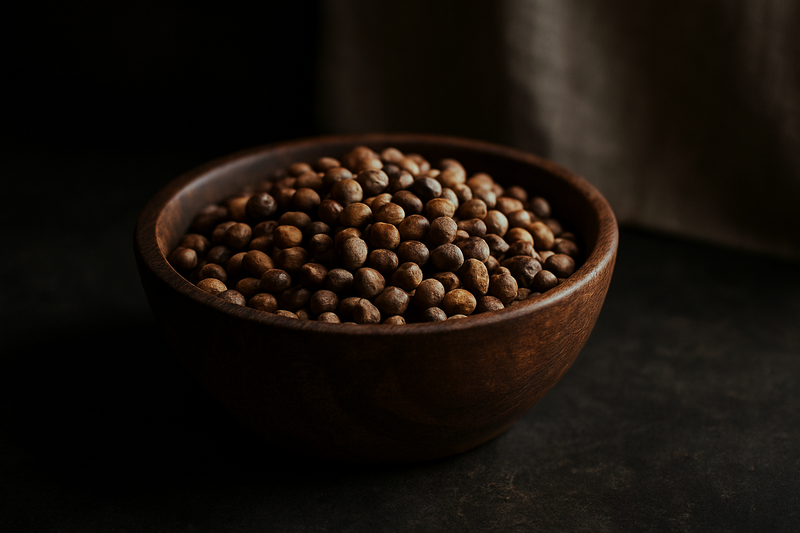
Congo Peas (Whole Dried Pigeon Pea) · Photograph
Discover the real pigeon peas health benefits — from heart and blood sugar support to digestion and plant protein. A complete Congo peas nutrition guide with evidence, prep tips, and safety notes.
Key Nutrients
% Daily Value based on 2,000 cal diet
Key active compounds in Congo peas
- Resistant starch — A type of starch that skips digestion in the small intestine and travels to the colon, where gut bacteria ferment it into short-chain fatty acids (SCFAs). SCFAs support colon cell health and may improve insulin sensitivity.
- Oligosaccharides (raffinose and stachyose) — Short-chain carbohydrates that humans cannot digest but beneficial gut bacteria love. They feed a healthy microbiome. They are also the main reason legumes cause gas in some people.
- Polyphenols (phenolic acids, flavonoids, tannins) — Antioxidant plant compounds concentrated in the seed coat. May help modulate oxidative stress and support vascular and gut health, though human data specific to pigeon peas are limited.
- Phytosterols — Plant compounds structurally similar to cholesterol. In small amounts, they can modestly reduce intestinal cholesterol absorption when part of a legume-rich diet.
- Folate (Vitamin B9) — Technically a vitamin rather than a phytochemical, but worth flagging here: pigeon peas are among the most folate-dense whole foods available, with about 186 mcg per cooked cup.
Prep and pairing ideas
Starting from dried: Rinse peas, then cover with three times their volume of cold water and soak 6–8 hours or overnight. Drain and rinse again. Boil in fresh water (no salt yet — salt can toughen the skins) until completely soft, about 60–90 minutes. Season at the end.
Classic Caribbean stew (rice and peas): Simmer cooked Congo peas with garlic, thyme, scotch bonnet, and coconut milk. Stir through brown rice for a complete meal. The combination of rice and pigeon peas provides all essential amino acids (the building blocks of protein) in one dish.
West African-inspired groundnut stew: Add cooked pigeon peas to a tomato-and-peanut-based stew with sweet potato, kale, and cumin. Serve with millet or sorghum for extra fiber and minerals.
Troubleshooting common issues:
Gas and bloating — Soak peas thoroughly and always discard the soak water. Cooking with a strip of kombu (dried seaweed) or a bay leaf may modestly help. Start with ¼ cup cooked if you are new to legumes, and increase gradually over two to three weeks. Most people find tolerance improves significantly as gut bacteria adapt.
Peas won't soften — Old dried peas are the most common culprit. Very hard water can also interfere. Try pressure cooking; add a pinch of baking soda to the boiling water (not the soak water). If peas still won't soften after two hours of boiling, they may be too old to use well.
Too bland — Pigeon peas absorb flavor readily. Season the cooking liquid with garlic, onion, and spices. Salt only after cooking — salting too early can keep the skins tough.
Bottom line
Congo peas are one of the most nutritionally efficient whole foods you can eat regularly. They deliver plant protein, high fiber, folate, copper, manganese, potassium, and magnesium in a single, affordable, shelf-stable package. The evidence base for legumes broadly — which directly applies to pigeon peas — supports benefits for heart health, blood sugar regulation, digestive health, and gut microbiome diversity.
The most important practical points: soak them, cook them thoroughly, introduce them gradually if you are new to high-fiber eating, and pair them with vitamin C-rich foods to boost iron absorption. For most people, adding ½ to 1 cup of cooked Congo peas several times a week is a genuinely simple way to shift the overall dietary pattern toward better health — without expensive supplements or complicated preparation.
If you have kidney disease, take glucose-lowering medications, or have a known legume sensitivity, speak with your healthcare team before significantly increasing your intake.
Looking for other ways to use plant protein and high-fiber foods to support your health? Explore the Plantopedia goals guide →
How Congo Peas (Whole Dried Pigeon Pea) Compares
| Compared with | What's different |
|---|---|
| Congo Peas (Whole Dried Pigeon Pea) vs. Green Peas | Nuttier, earthier flavor with a firmer texture that holds its shape better in long stews. |
| Congo Peas (Whole Dried Pigeon Pea) vs. Black-Eyed Peas | Significantly higher in folate and manganese, with a distinct rectangular or oval shape. |
| Congo Peas (Whole Dried Pigeon Pea) vs. Lentils | Denser texture and slightly higher fiber content per cup compared to brown or green lentils. |
Health Benefits
Things to Know
Always soak and fully cook.: Raw or undercooked pigeon peas contain lectins and other antinutritional factors common to legumes. Soak dried peas for at least 6–8 hours (or overnight), discard the soak water, rinse, then boil vigorously until completely soft throughout — typically 60–90 minutes on the stovetop, or 20–30 minutes in a pressure cooker. Canned pigeon peas are already cooked and safe to use once heated.
Kidney disease.: Pigeon peas are a significant source of potassium (645 mg/cup) and phosphorus (200 mg/cup). People with moderate to severe chronic kidney disease or on dialysis need to manage both minerals carefully — portion size and frequency should be discussed with a nephrologist or renal dietitian.
Legume allergy or cross-reactivity.: If you have known allergies to other legumes (lentils, chickpeas, peanuts, soy), talk to an allergist before introducing pigeon peas, as cross-reactive responses are possible.
IBS, low-FODMAP, and low-fiber diets.: The oligosaccharides in Congo peas are high-FODMAP (fermentable carbohydrates that trigger symptoms in some people with irritable bowel syndrome). People following a medically prescribed low-FODMAP or low-fiber diet should consult a dietitian before including whole pigeon peas regularly.
Medications to monitor:
Glucose-lowering drugs (insulin, sulfonylureas, GLP-1 agonists, SGLT2 inhibitors): improved glycemic control from increased legume intake can increase hypoglycemia risk if doses are not adjusted.
High-fiber meals and drug absorption: levothyroxine, some antibiotics, and certain antidepressants may absorb less effectively if taken at the same time as a large, high-fiber meal. Separating medications from high-legume meals by two or more hours is a common clinical precaution.
Potassium-affecting medications in kidney impairment (ACE inhibitors, ARBs, potassium-sparing diuretics): high pigeon pea intake combined with impaired kidney function and these drugs could contribute to elevated potassium levels (hyperkalemia). Monitor with your healthcare provider.
Pregnancy.: Congo peas are safe and beneficial during pregnancy — their folate content is a genuine advantage. Ensure they are thoroughly cooked. Continue prenatal supplementation as prescribed.
Young children.: Whole peas are a choking hazard for infants and toddlers. Serve well-cooked, mashed, or pureed pigeon peas to children under three.
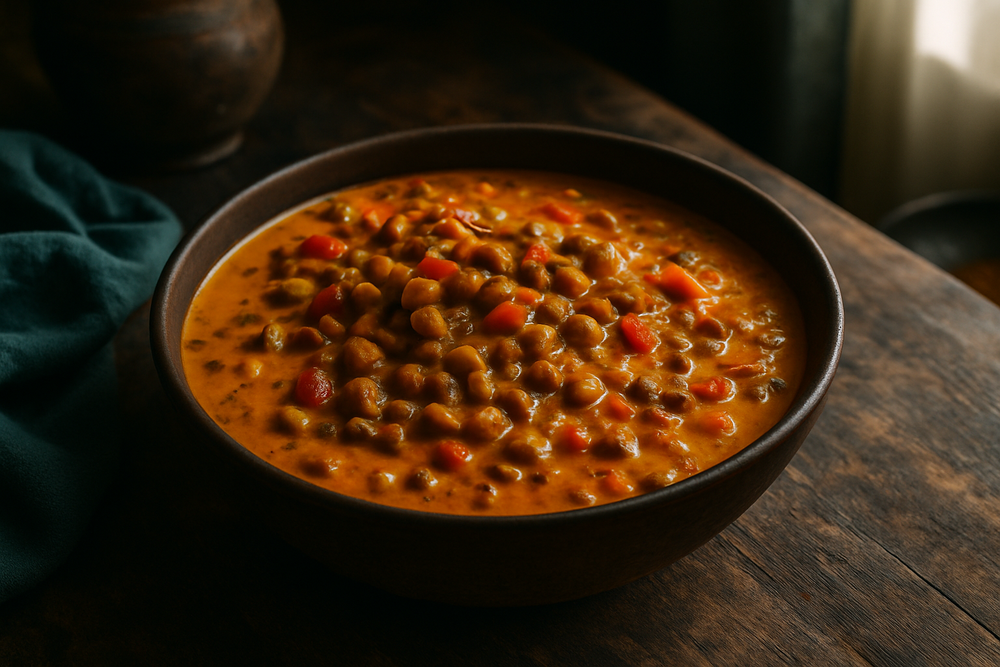
Shop This Ingredient
Stock your pantry with quality congo peas (whole dried pigeon pea).
Buy on AmazonAs an Amazon Associate, Plantopedia earns from qualifying purchases. This costs you nothing extra and helps us keep the encyclopedia free.
Frequently Asked Questions
Most of the human research on pigeon peas comes from studies on legumes and pulses as a category rather than from pigeon pea-specific trials. That is worth stating clearly. But because Congo peas share the nutritional fingerprint — high fiber, high protein, low glycemic load, rich in folate and minerals — the findings from legume research are directly relevant. Heart health and circulation Large observational studies and dietary guideline reviews consistently link higher legume intake with lower cardiovascular disease risk and better lipid profiles (the balance of fats in your blood). The mechanisms are well understood: soluble fiber from legumes helps lower LDL cholesterol (the "bad" kind), folate supports healthy blood vessel function, and potassium counters blood-pressure-raising effects of sodium. Research suggests that replacing red or processed meat with legumes like Congo peas — even a few times a week — meaningfully shifts the dietary pattern toward heart-healthy territory. This aligns with both the DASH (Dietary Approaches to Stop Hypertension) and Mediterranean dietary frameworks. Digestive health and gut microbiome Pigeon peas provide over 11 g of fiber per cooked cup — roughly 39–44% of the daily recommended intake in a single serving. This includes both soluble fiber (which forms a gel in the gut and slows digestion) and insoluble fiber (which adds bulk to stool and supports regular bowel movements). More importantly for long-term gut health: the resistant starch and oligosaccharides in Congo peas act as prebiotics — meaning they selectively feed beneficial gut bacteria. Human dietary studies on pulse consumption show that regular legume intake increases production of short-chain fatty acids in the colon, which support the gut lining and may reduce systemic inflammation. Gas and bloating are real, and we cover them in the Troubleshooting section below. The good news is that tolerance generally improves as the gut microbiome adapts over a few weeks. Blood sugar and metabolism A systematic review and meta-analysis of randomized controlled trials — the strongest type of human research — found that regular legume consumption over at least six weeks improved fasting blood glucose and HbA1c (a three-month blood sugar average) in people with type 2 diabetes, though the review noted that individual study quality varied. More recent research points to the gut microbiome as a key pathway: legume fibers alter the microbial environment in ways that improve the body's response to insulin. Congo peas are also low on the glycemic index — meaning they raise blood sugar slowly compared to refined carbohydrates — due to their high fiber content and slowly digested protein. People using insulin or glucose-lowering medications should monitor blood sugar when significantly increasing legume intake, as improved glycemic control could require medication adjustments. Inflammation and recovery Evidence here is emerging rather than definitive. Dietary patterns rich in legumes and other high-fiber plant foods are associated with lower C-reactive protein (CRP), a blood marker of systemic inflammation. Short-chain fatty acids produced when gut bacteria ferment legume fiber have shown anti-inflammatory effects in mechanistic and early human studies. No large trials have tested pigeon peas specifically for inflammatory markers. The honest framing: Congo peas contribute fermentable fiber and polyphenols that support anti-inflammatory pathways via the gut-immune axis, but any benefit is best understood as part of a broader shift toward a plant-forward dietary pattern rather than a standalone effect of pigeon peas alone. Folate, hormones, and reproductive health Congo peas are one of the richest whole-food folate sources available. Folate (Vitamin B9) is a B vitamin essential for DNA synthesis, healthy cell division, and the prevention of neural tube defects in early pregnancy. One cup of cooked Congo peas provides 186 mcg — nearly half the daily recommended intake for adults (400 mcg/day) and a meaningful portion of the higher 600 mcg/day target during pregnancy. For people planning a pregnancy or in the first trimester, regular legume consumption — including Congo peas — can be a practical way to support folate status through food, alongside a prenatal supplement as directed by a healthcare provider. More broadly, legumes support metabolic hormones like insulin and leptin through their effects on glycemic control and satiety, though hormone-specific claims require appropriate caution.
Buying guide: dried, canned, or pressure-cooked? Whole dried Congo peas (soaked and boiled) — The traditional choice and nutritionally the most versatile. Look for bags with a clear harvest date or best-by date; older dried peas can take much longer to soften and may never fully cook through. No additives, lowest sodium, best texture for slow-simmered stews. Pressure-cooked dried pigeon peas — Functionally the same nutritional profile as boiled, with significantly shorter cooking time (20–30 minutes under pressure vs. 60–90 minutes boiling). May further reduce heat-sensitive antinutrients and gas-forming oligosaccharides. A great option for weeknight cooking. Canned pigeon peas — Pre-cooked and convenient. Drain and rinse under cold water to reduce sodium by roughly 40% if packed in brine. Check the label: the best cans list only pigeon peas, water, and possibly salt. Ideal for adding to quick stews or rice dishes where long cooking time is not needed. Label tips: Avoid cans with added sugar or artificial preservatives. For dried peas, a uniform cream-and-tan or reddish-brown color without significant shriveling or discoloration usually indicates freshness. Bags labeled "Congo peas," "gungo peas," or "pigeon peas" are the same product — the name varies by region.
There is no single universal target, but here is what the research and major nutrition guidelines suggest: General health maintenance: Aim for roughly 3 cups of cooked legumes per week spread across several meals — about ½ to 1 cup per eating occasion. This aligns with recommendations from Harvard's Nutrition Source and is the intake range associated with meaningful cardiometabolic benefits in observational studies. Higher intakes studied in trials: Some structured dietary interventions for blood sugar management use up to approximately 1½ cups of cooked pulses daily. This is a therapeutic context and generally involves guidance from a dietitian. A practical starting point: If you are new to legumes, start with ¼ cup cooked per meal, two to three times a week, and gradually increase. This minimizes digestive discomfort while your gut microbiome adjusts. Protein perspective: One cup of cooked Congo peas provides about 11 g of protein. As part of a varied plant-based diet — especially when paired with grains — this contributes meaningfully toward daily protein needs. No upper limit is established for healthy adults consuming whole, properly cooked pigeon peas, but the exceptions noted in "Things to know before starting" apply. More is not always better if you have kidney disease, active IBS, or are on relevant medications.
Quick Answers
Common questions, answered in a line.
To prepare Congo peas from dried, rinse them, soak in water for 6–8 hours or overnight, drain, and then boil in fresh water for 60–90 minutes until soft. Do not add salt until the end of cooking, as salting too early can toughen the skins and prevent softening.
Congo peas contain resistant starch and oligosaccharides like raffinose, which act as prebiotics to feed beneficial gut bacteria and support a healthy microbiome. These compounds ferment in the colon to produce short-chain fatty acids that support colon cell health.
If your pigeon peas won't soften, the most common causes are using old dried peas or cooking with very hard water. You can try adding a pinch of baking soda to the boiling water or using a pressure cooker to help break down the tough skins.
To reduce gas from Congo peas, soak them thoroughly, discard the soak water, and cook them with a bay leaf or a strip of kombu. It is also helpful to start with small portions, like a quarter cup, and increase intake gradually over several weeks to let your gut adapt.
Congo peas are an excellent food for pregnancy because they are one of the most folate-dense whole foods available, providing about 186 mcg of Vitamin B9 per cooked cup. Folate is a critical nutrient for fetal development, though the peas must be thoroughly cooked to be safe.
Yes, pairing Congo peas with rice creates a complete meal that provides all essential amino acids, which are the building blocks of protein. This combination is a staple in Caribbean cuisine and is a nutritionally efficient way to consume plant-based protein.
People with kidney disease should consult a doctor before eating Congo peas because they are high in potassium (645 mg per cup) and phosphorus. Those taking glucose-lowering medications or blood pressure drugs like ACE inhibitors should also monitor their intake with a healthcare team.
For Readers in the USA
Local context — sourcing, seasonality, and regional notes.
In the U.S., you can find dried or canned Congo peas at major retailers like Walmart and Kroger, or at specialty Caribbean and Indian grocers where they are labeled as pigeon peas or Toor Dal. Look in the "International" or "Hispanic" aisles of your local supermarket, as brands like Goya are widely distributed across the country.
Pigeon peas grow best in USDA hardiness zones 9 through 11, including parts of Florida, Hawaii, Puerto Rico, and Southern California, where the warm climate allows them to thrive as perennials. While they are sensitive to frost, gardeners in more northern US states can grow them as annuals if planted during the peak heat of summer.
While the dried version is available year-round, fresh green pigeon peas are most commonly found in US specialty markets during the winter months, typically from December through February. This seasonality aligns with traditional holiday dishes in Caribbean-American communities, such as Puerto Rican Arroz con Gandules.
When buying Congo peas in the US, look for the USDA Organic seal to ensure they were grown without synthetic pesticides, or check for "Non-GMO Project Verified" labels if you are avoiding genetically modified crops. Most domestic and imported brands must also adhere to FDA guidelines regarding labeling for allergens and nutritional content.
AI Clinical Review
- Strong, practical overview of nutrition: a cooked cup of whole pigeon peas provides meaningful protein (~11 g), high fiber (~11 g), and substantial folate, with very little fat or sodium when prepared from dried beans.
- Health framing aligns with human data on legumes broadly—regular intake supports heart health, glycemic control, and a more diverse gut microbiome through fiber, resistant starch, and prebiotic oligosaccharides.
- Preparation guidance (soak, discard soak water, cook thoroughly; pressure-cook as a time-saver) is accurate and important for digestibility and safety.
- Sensible intake guidance (about 3 cups cooked legumes per week, increasing gradually) reflects typical evidence-based recommendations for most adults.
- Most outcomes cited for pigeon peas are extrapolated from legume research in general; pigeon pea–specific randomized trials are limited, so precise effect sizes are uncertain.
- Anti-inflammatory claims are plausible via short-chain fatty acids but remain based largely on observational and mechanistic studies rather than large clinical trials in pigeon peas.
- Glycemic benefits vary with meal context (portion size, cooking method, and carbohydrate pairing), so individual responses may differ from study averages.
- Polyphenols and phytosterols likely contribute modest effects; the clinical relevance of specific compounds in pigeon peas needs more targeted human research.
- Typical portions: 1/2–1 cup cooked per meal, aiming for ~3 cups of cooked legumes weekly; higher intakes (up to ~1.5 cups/day) are used therapeutically and are best individualized with a clinician or dietitian.
- Kidney disease: one cup contains notable potassium and phosphorus; those with moderate–severe CKD or on dialysis should review portions with a renal clinician. Medications that raise potassium warrant extra caution in this group.
- Medications and tolerance: monitor glucose if using insulin or oral hypoglycemics; separate high-fiber meals from levothyroxine and certain antibiotics by a couple of hours to avoid absorption issues; introduce gradually to reduce gas and bloating.
- Special populations and safety: possible cross-reactivity if allergic to other legumes; whole beans can be a choking hazard for young children (serve mashed/pureed); thoroughly cook to inactivate lectins; canned options are fine—rinse to lower sodium; pairing with vitamin C–rich foods can modestly enhance non‑heme iron absorption.
Soak and cook thoroughly before eating.
References
- USDA FoodData Central — Pigeon peas (red gram), mature seeds, cooked, boiled, without salt (fdc.nal.usda.gov)
- Harvard T.H. Chan School of Public Health, The Nutrition Source — Legumes and Pulses (nutritionsource.hsph.harvard.edu)
- Systematic review and meta-analysis: effects of legume consumption on glycaemic control markers in individuals with and without diabetes (pmc.ncbi.nlm.nih.gov)
- Frontiers in Nutrition — Legume intake, gut microbiome, and glycemia in type 2 diabetes (frontiersin.org)
- USDA NIFA — Pulse consumption, the gut microbiome, and human health: proof-of-concept investigation (portal.nifa.usda.gov)
- Medical News Today — Peas: Nutrition, benefits, types (pigeon peas section) (medicalnewstoday.com)
- Wikipedia — Pigeon pea: composition and nutritional profile overview (en.wikipedia.org)
- University of Rochester Medical Center — Pigeon peas (red gram), mature seeds, cooked — nutrient profile (urmc.rochester.edu)
- Today's Dietitian — Legumes: Pigeon Peas, nutritional overview and culinary uses (todaysdietitian.com)
Know Your Numbers
Eating healthy is a start. Now get to know your biomarkers.
Food changes bloodwork — inflammation, lipids, blood sugar and nutrient status all respond to what you eat. 59 markers from $59.
- Results in 7–10 days at 2,000+ Quest sites
- Licensed provider reviews every result
- One flat price, no membership, HSA/FSA eligible
Educational information only, not medical advice. Panels are ordered and reviewed through our licensed partner; Plantopedia may earn a commission.