Beluga Lentils — health benefits and uses
A modern small-seeded lentil valued like other whole pulses for steady energy.
The Short Answer
Beluga lentils are small, black legumes that provide 18g of protein and 15g of fiber per half-cup serving. They are unique for their high anthocyanin antioxidant content and ability to hold their shape during cooking without soaking.
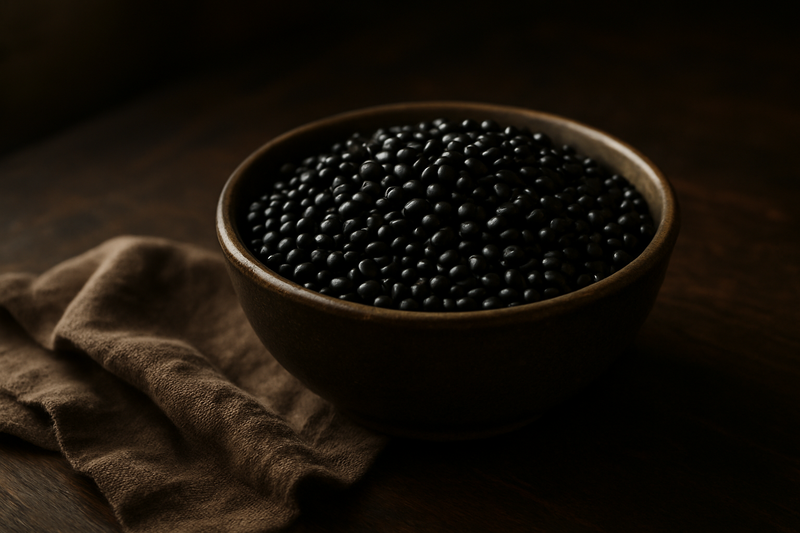
Beluga Lentils · Photograph
Discover beluga lentils health benefits and nutrition facts, from their impressive protein and fiber content to their unique anthocyanin antioxidants. Learn how these glossy black lentils support heart health, blood sugar balance, and digestion — plus how to cook and use them.
Key Nutrients
% Daily Value based on 2,000 cal diet
Key Active Compounds
Beluga lentils contain several biologically active plant compounds worth knowing about:
- Anthocyanins — Water-soluble flavonoid pigments (a subclass of polyphenols, or plant-based antioxidants) responsible for the black color. Similar to those in blueberries, they may help protect cells from oxidative stress (damage caused by unstable molecules called free radicals). Human data specific to beluga lentils are limited, but the broader evidence on anthocyanins is promising.
- Polyphenols (including tannins and flavonoids) — A wider family of plant compounds that can reduce oxidative stress and modulate inflammatory pathways. Found across all lentil varieties, with higher concentrations in darker-seeded types.
- Phytic acid (myo-inositol hexaphosphate) — A storage form of phosphorus in legumes that can partially bind minerals like iron and zinc, slightly reducing how much your body absorbs. Rinsing and thorough cooking reduces phytic acid content; pairing lentils with vitamin C-rich foods also helps.
- Saponins — Soap-like glycosides that may contribute to cholesterol-lowering effects in mechanistic studies, though direct human evidence specific to beluga lentils is limited.
- Resistant starch — A type of carbohydrate that bypasses digestion in the small intestine and feeds beneficial bacteria in the colon, supporting gut microbiome health.
Prep and Pairing Ideas
Beluga lentils are forgiving and fast — no soaking required, and they're ready in under 25 minutes. Here's how to get the most from them:
Basic method: Rinse under cold water until the water runs clear. Combine 1 cup dried lentils with 2.5 cups water or vegetable broth. Bring to a boil, reduce heat, and simmer for 20–25 minutes until just tender but still holding their shape. Drain any excess liquid. Season after cooking to keep skins intact.
Three practical pairings:
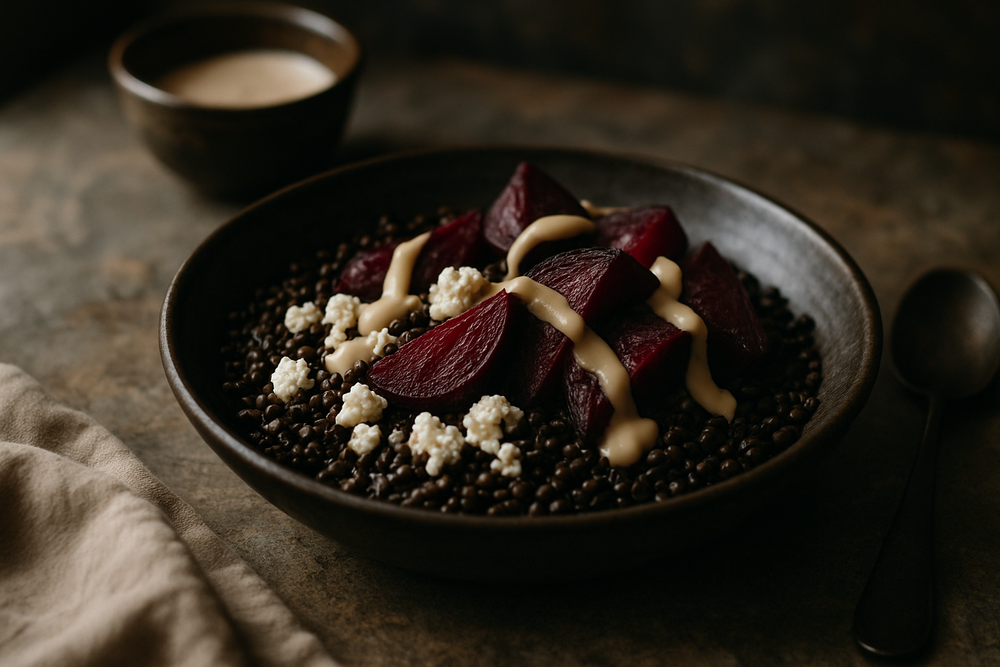
- Beluga lentils + roasted beets + goat cheese or tahini — Earthy sweetness from the beets complements the mineral richness of the lentils; the fat from goat cheese or tahini helps absorb fat-soluble nutrients and makes for a satisfying meal.
- Beluga lentils + orange segments + parsley — The vitamin C in orange juice dramatically boosts non-heme iron absorption from the lentils, while bright citrus flavor balances their slightly earthy taste. A classic and nutritionally strategic combination.
- Beluga lentils + roasted sweet potato + pumpkin seeds — Sweet potato adds beta-carotene and natural sweetness; pumpkin seeds contribute additional zinc and healthy fats. Together they create a nutrient-dense grain bowl base that keeps you full for hours.
Storage: Cooked beluga lentils keep in the fridge for up to five days in a sealed container, making them an excellent meal-prep ingredient.
Bottom Line
Beluga lentils earn their reputation as a nutritional powerhouse. They deliver impressive amounts of plant protein, fiber, iron, and folate in a relatively small package, and their unique anthocyanin content adds an antioxidant dimension that most other lentil varieties lack. The human evidence supporting lentils for heart health, blood sugar management, and digestive wellbeing is among the strongest available for any plant food — backed by multiple randomized controlled trials.
The honest caveat: most of that research is on lentils broadly, not beluga lentils specifically. Extrapolating the benefits is scientifically reasonable given their similar macronutrient profile, but beluga-specific clinical trials are still limited. For the vast majority of healthy adults, incorporating beluga lentils regularly is a low-risk, high-reward dietary choice — delicious, affordable, and backed by real evidence.
If you have kidney disease, IBS, or are managing a condition with medication, check with your healthcare provider before significantly increasing your lentil intake.
Want to explore more ways to eat for your health goals? Browse Plantopedia's ingredient guides by health goal to find evidence-backed foods that fit your specific needs.
How Beluga Lentils Compares
| Compared with | What's different |
|---|---|
| Beluga Lentils vs. Green Lentils | Beluga lentils hold their shape when cooked, while green lentils soften and become creamy. |
| Beluga Lentils vs. Red Lentils | Beluga lentils have a thicker skin and firmer bite, whereas red lentils disintegrate into a purée. |
Health Benefits
Things to Know
Gas and bloating: are the most common side effects when increasing lentil intake. Start with a small portion (¼ to ½ cup cooked) and build up gradually over two to three weeks while staying well hydrated.
Iron absorption: The iron in lentils is non-heme iron, which is less readily absorbed than heme iron from meat. Pairing lentils with vitamin C-rich foods (lemon juice, bell peppers, tomatoes) significantly boosts absorption. Avoid drinking tea or coffee with your lentil meal, as tannins can further inhibit iron uptake.
Phytic acid and mineral binding: Rinsing thoroughly before cooking is standard practice. Though soaking is not required for beluga lentils, a brief soak (2–4 hours) may reduce phytic acid slightly for those with mineral absorption concerns.
Kidney disease: Lentils provide moderate potassium and phosphorus. People with advanced chronic kidney disease (CKD) or those on potassium or phosphorus restrictions should discuss legume intake with their nephrologist or dietitian.
IBS and FODMAPs: Lentils contain fermentable carbohydrates (FODMAPs) that can trigger symptoms in people with irritable bowel syndrome (IBS). Smaller portions and thorough cooking may improve tolerance; a low-FODMAP dietitian can provide personalized guidance.
Medication interactions: High-fiber foods can affect the absorption of some oral medications. Space medications and high-fiber meals by at least 1–2 hours. People on ACE inhibitors, ARBs, or potassium-sparing diuretics should monitor total dietary potassium with their healthcare provider.
Legume allergy: Rare but possible. If you have a known allergy to lentils or other legumes, avoid beluga lentils or consult an allergist first.
Pregnancy: Beluga lentils are an excellent folate source during pregnancy, when folate needs increase significantly. They're a safe, nutritious choice — just ensure they're cooked thoroughly.
Prep Ideas
- — **Beluga lentils + roasted beets + goat cheese or tahini** — Earthy sweetness from the beets complements the mineral richness of the lentils; the fat from goat cheese or tahini helps absorb fat-soluble nutrients and makes for a satisfying meal.
- — **Beluga lentils + orange segments + parsley** — The vitamin C in orange juice dramatically boosts non-heme iron absorption from the lentils, while bright citrus flavor balances their slightly earthy taste. A classic and nutritionally strategic combination.
- — **Beluga lentils + roasted sweet potato + pumpkin seeds** — Sweet potato adds beta-carotene and natural sweetness; pumpkin seeds contribute additional zinc and healthy fats. Together they create a nutrient-dense grain bowl base that keeps you full for hours.
Glossary
Shop This Ingredient
Stock your pantry with quality beluga lentils.
Buy on AmazonAs an Amazon Associate, Plantopedia earns from qualifying purchases. This costs you nothing extra and helps us keep the encyclopedia free.
Frequently Asked Questions
Heart health and circulation Research on lentils and heart health is among the strongest in the legume literature. In a 12-week randomized controlled trial (a study where participants are randomly assigned to groups to compare outcomes), daily lentil consumption significantly lowered fasting LDL cholesterol (often called "bad" cholesterol) and total cholesterol compared with a control diet. Lentils' combination of soluble fiber, plant protein, and minimal saturated fat is thought to drive this effect — soluble fiber can bind cholesterol in the digestive tract and carry it out of the body. The anthocyanins in beluga lentils may add a further layer of cardiovascular protection by reducing oxidative damage to blood vessel walls, though this is currently based more on mechanistic data (lab and animal studies) than beluga-specific human trials. Larger dietary patterns rich in pulses — including Mediterranean and DASH-style diets — are also consistently associated with lower blood pressure and improved cardiometabolic profiles in observational research. Digestive health and microbiome Beluga lentils' fiber content is one of their standout features. At roughly 15 g per cooked cup, a single serving delivers more than half the recommended daily fiber intake for most adults. This fiber works two ways: insoluble fiber adds bulk to stools and supports bowel regularity, while soluble fiber and resistant starch act as prebiotics — food for the beneficial bacteria in your colon (microbiome). Fermentation of these fibers by gut bacteria produces short-chain fatty acids, compounds linked to reduced intestinal inflammation and a healthier gut lining. The 12-week daily lentil trial mentioned above reported good gastrointestinal tolerance in participants, with no significant GI stress, which is reassuring for those wondering about long-term digestibility. That said, a rapid increase in fiber intake from any source can cause temporary gas or bloating — introducing beluga lentils gradually and drinking plenty of water helps most people adapt comfortably. Blood sugar and metabolism Lentils have a low glycemic index (GI) — a measure of how quickly a food raises blood sugar compared to pure glucose. Their combination of fiber, protein, and resistant starch slows the digestion and absorption of carbohydrates, blunting the blood sugar spike that typically follows a meal. In the 12-week randomized controlled trial, daily lentil consumption significantly reduced postprandial (after-meal) blood glucose compared with the control diet. An ongoing multi-site study is evaluating whether eating three cups of cooked lentils per week for 12 weeks improves glucose tolerance and insulin sensitivity in adults with obesity and elevated LDL cholesterol — detailed results are still emerging. For people managing blood sugar or living with type 2 diabetes, replacing refined grains with beluga lentils in meals is a practical, evidence-supported strategy, though individual responses vary and medical guidance is important. Inflammation and recovery The same 12-week lentil trial found that daily lentil consumption reduced levels of IL-17 and IL-1β — inflammatory cytokines (signalling proteins that promote inflammation) — suggesting that regular lentil eating may help dial down low-grade systemic inflammation. This kind of chronic, low-level inflammation is increasingly recognized as a driver of cardiometabolic disease. Beluga lentils' anthocyanins and broader polyphenol content add to this picture: these compounds show antioxidant and anti-inflammatory activity in lab and animal studies. Human evidence specific to beluga lentils and inflammation remains sparse, so most of these benefits are reasonably inferred from general lentil research and phytochemical science rather than confirmed in beluga-specific trials.
People eating plant-based or vegan diets One of the richest plant-based sources of iron (80% DV per cup) — particularly valuable when red meat is excluded Provides folate at 75% DV per serving, supporting red blood cell production and DNA synthesis Delivers 18 g of protein per cup, helping meet daily protein needs without animal foods People managing heart health or blood sugar High soluble fiber content may help lower LDL cholesterol when lentils replace refined carbohydrates or processed foods Low glycemic index helps moderate post-meal blood sugar spikes Naturally low in sodium and saturated fat, aligning well with heart-healthy eating patterns
Buying guide: dried vs. pre-cooked vs. canned Dried whole beluga lentils are the gold standard for nutrition and texture. They're shelf-stable for up to a year in a sealed container, cook in about 20–25 minutes without soaking, and hold their shape better than any other form. Look for uniform, glossy black lentils without dust or broken pieces — a sign of freshness and careful processing. Pre-cooked or vacuum-packed beluga lentils (common in European supermarkets) offer genuine convenience and retain most of the nutrition of home-cooked lentils. They're ideal for weeknight grain bowls or salads. Check the label for added salt — some contain sodium. Canned lentils are a practical option, though beluga lentils in cans are less common than green or brown varieties. If you use them, rinse well to reduce sodium. Note that canned beluga lentils will be softer and less visually distinctive than home-cooked ones. Label tip: For dried beluga lentils, the ingredient list should contain one item: black or beluga lentils. Any added salt, oil, or preservatives are unnecessary.
There is no official recommended daily intake specifically for beluga lentils, but the research gives us useful guidance: Clinical trials showing cholesterol, blood sugar, and inflammation benefits typically used ½ to 1 cup of cooked lentils daily (approximately 100–200 g cooked) over 12 weeks. An ongoing functional food study uses 3 cups of cooked lentils per week as its intervention dose — roughly ½ cup most days — and is evaluating outcomes for glucose tolerance and cardiovascular risk. Population-level guidelines (including Harvard T.H. Chan School of Public Health) recommend legumes as a regular part of a healthy dietary pattern, with several servings per week as a practical minimum. Practical starting point: If you're new to lentils, begin with ¼ cup cooked (about 50 g) two or three times per week and gradually increase to ½ to 1 cup daily as your digestive system adapts. Most adults tolerate this range well. There's no known upper limit from food sources, and unlike supplements, whole lentils come with natural fiber and water that moderate digestion.
Quick Answers
Common questions, answered in a line.
Beluga lentils get their signature black color from anthocyanins, which are water-soluble flavonoid pigments and potent plant-based antioxidants. These compounds, also found in blueberries, help protect your cells from oxidative stress caused by unstable free radical molecules.
Beluga lentils do not require soaking and are typically ready to eat in about 20 to 25 minutes. To prepare them, rinse 1 cup of dried lentils, combine with 2.5 cups of liquid, bring to a boil, and then simmer until they are tender yet still hold their shape.
To maximize iron absorption from beluga lentils, you should pair them with foods high in vitamin C, such as orange segments, lemon juice, or bell peppers. This is important because the non-heme iron found in plants is absorbed more effectively when consumed alongside vitamin C.
Beluga lentils are a rich source of plant protein, fiber, iron, folate, and unique antioxidants called anthocyanins. They also contain resistant starch, which feeds beneficial gut bacteria, and polyphenols that may help modulate inflammatory pathways in the body.
You can prevent gas and bloating from lentils by starting with a small portion of ¼ to ½ cup and gradually increasing your intake over two to three weeks. It is also helpful to stay well-hydrated and ensure the lentils are thoroughly cooked to improve digestive tolerance.
Cooked beluga lentils can be stored in a sealed container in the refrigerator for up to five days. This makes them a convenient and nutritious ingredient for meal prepping throughout the work week.
People with advanced chronic kidney disease (CKD) or those on potassium and phosphorus restrictions should consult their doctor before eating beluga lentils. Additionally, individuals with IBS may need to limit portions due to fermentable carbohydrates (FODMAPs) that can trigger symptoms.
For Readers in the USA
Local context — sourcing, seasonality, and regional notes.
In the United States, beluga lentils are primarily grown in the Northern Plains, particularly in Montana and North Dakota, where the cool, dry climate is ideal for legume production. These domestic crops are typically harvested in late summer or early fall, though the dried lentils remain available year-round in stores nationwide.
You can find beluga lentils at major US grocery chains like Whole Foods Market and Sprouts Farmers Market, as well as in the bulk bins of local natural food cooperatives. If they aren't in the standard bean aisle, check the specialty grain section or look for brands like Bob's Red Mill or Goya.
Look for the USDA Organic seal to ensure your lentils were grown without synthetic pesticides or fertilizers, which is a common preference for US consumers shopping for legumes. While the FDA regulates lentils as a staple food, choosing certified organic varieties helps support US soil health and reduces exposure to glyphosate, which is sometimes used as a drying agent in conventional legume farming.
AI Clinical Review
- Beluga lentils are accurately presented as nutrient-dense, with high protein and fiber per cooked cup, supporting fullness, bowel regularity, and steadier post‑meal blood sugar.
- The summary of human trials on lentils (not specifically beluga) lowering LDL cholesterol and improving postprandial glucose over ~12 weeks reflects the current evidence.
- Anthocyanins are correctly identified as the pigments behind the black color and a plausible antioxidant contributor, without claiming proven extra benefit over other lentils.
- Practical guidance on cooking, storage, and pairing with vitamin C to boost non‑heme iron absorption is useful and evidence‑consistent.
- Most clinical findings cited are from studies on lentils generally; beluga‑specific human trials and head‑to‑head comparisons with lighter lentils are scarce.
- The added value of higher anthocyanin content for outcomes like A1c, LDL, or blood pressure hasn’t been confirmed in human trials.
- Microbiome and inflammation benefits are biologically plausible but rely partly on mechanistic or short‑duration data; long‑term outcomes (e.g., fewer cardiovascular events) are untested.
- The optimal “dose” and long‑term tolerability thresholds for sensitive individuals are not firmly established.
- Research protocols commonly use about 1/2–1 cup cooked lentils daily; if you’re new to legumes, ramp up gradually (starting around 1/4–1/2 cup) to reduce gas and bloating.
- Lentil iron is non‑heme; pair with vitamin C–rich foods and avoid tea/coffee with the meal to improve absorption, especially if you’re prone to iron deficiency.
- People with advanced chronic kidney disease or those on ACE inhibitors, ARBs, or potassium‑sparing diuretics should discuss potassium and phosphorus loads with a clinician.
- Individuals with IBS may need smaller portions due to FODMAPs; legume allergy, though uncommon, warrants avoidance. Canned or pre‑cooked products can be higher in sodium—rinsing helps.
Rinse and cook until tender; no soaking required.
References
- USDA FoodData Central — standard nutrient data for lentils (fdc.nal.usda.gov)
- Harvard T.H. Chan School of Public Health: Legumes and Pulses — dietary guidance and health evidence overview (nutritionsource.hsph.harvard.edu)
- PubMed: 12-week RCT — daily lentil consumption improves cholesterol, glycemia, and inflammatory responses — human trial evidence (pubmed.ncbi.nlm.nih.gov)
- PMC: Metabolizable energy of lentils in humans — crossover trial showing lentils provide ~16% fewer absorbable calories than standard estimates (pmc.ncbi.nlm.nih.gov)
- MedPath: Lentils as a functional food for glucose tolerance and cardiovascular risk — ongoing multi-site RCT listing (trial.medpath.com)
- Healthline: Lentils — nutrition, benefits, and how to cook them — accessible evidence summary (healthline.com)
- Merchant Gourmet: Everything you need to know about beluga lentils — anthocyanin content and culinary overview (merchant-gourmet.com)
- Matvaretabellen (Norwegian Food Composition Database): Black beluga lentils, uncooked — nutritional composition data (matvaretabellen.no)
Know Your Numbers
Eating healthy is a start. Now get to know your biomarkers.
Food changes bloodwork — inflammation, lipids, blood sugar and nutrient status all respond to what you eat. 59 markers from $59.
- Results in 7–10 days at 2,000+ Quest sites
- Licensed provider reviews every result
- One flat price, no membership, HSA/FSA eligible
Educational information only, not medical advice. Panels are ordered and reviewed through our licensed partner; Plantopedia may earn a commission.