Black Turtle Beans (Whole Dried) — health benefits and uses
A Mesoamerican staple bean eaten for grounding, sustained nourishment.
The Short Answer
Black turtle beans are nutrient-dense legumes providing 8.9g of protein and 8.7g of fiber per serving, along with high levels of anthocyanin antioxidants and folate. They must be soaked and boiled thoroughly to neutralize lectins and ensure digestibility.
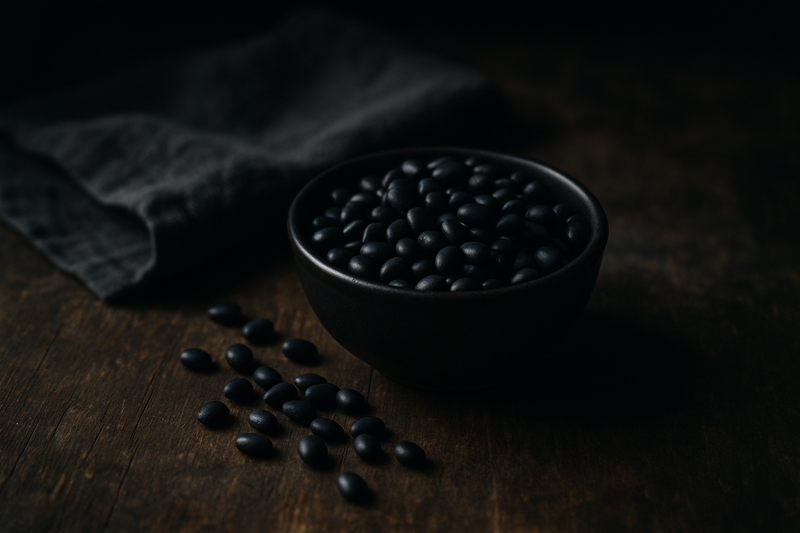
Black Turtle Beans (Whole Dried) · Photograph
Discover the science-backed black beans health benefits — from heart health and blood sugar control to gut support and plant protein. Includes black turtle beans nutrition data, how to cook dried beans for feijoada or Cuban-style black beans, and safety tips for everyday eating.
Key Nutrients
% Daily Value based on 2,000 cal diet
Key active compounds
Black turtle beans owe much of their health value to a range of phytochemicals (natural plant compounds) concentrated mainly in their seed coat and flesh:
- Anthocyanins — Water-soluble pigments that give the beans their deep purple-black colour. They act as antioxidants, may improve the flexibility of blood vessel walls, and can modulate cell signalling pathways linked to inflammation. Darker beans like black turtle beans show stronger acute vascular responses than lighter bean varieties in clinical comparisons.
- Phenolic acids — A class of plant polyphenols (pol-ee-FEE-nolz) including ferulic and caffeic acid, concentrated in the seed coat. They contribute to total antioxidant capacity and may help regulate glucose metabolism and reduce lipid oxidation.
- Flavonoids — Polyphenolic compounds such as catechins and quercetin. They provide antioxidant and anti-inflammatory effects, and may support vascular integrity and metabolic health by influencing signalling pathways in the liver, blood vessels, and fat tissue.
- Resistant starch — A fraction of starch that bypasses digestion in the small intestine and is fermented by bacteria in the colon. It acts as a prebiotic (food for beneficial gut bacteria), producing short-chain fatty acids that support gut barrier function, blood sugar regulation, and potentially anti-inflammatory effects.
- Lectins — Proteins naturally present in raw and undercooked beans that can cause severe gastrointestinal distress. Proper soaking and thorough boiling destroy nearly all lectin activity, making fully cooked beans safe.
Prep and pairing ideas
Cooking dried black turtle beans from scratch is simpler than most people expect, and the results justify the effort.
Basic method:
- Rinse 1 cup (≈ 200 g) dried black turtle beans under cold water. Pick out any shrivelled beans or debris.
- Soak in 3–4 cups of cold water for 8–12 hours (or quick-soak: bring to a boil for 2 minutes, remove from heat, cover, and rest 1 hour). Discard soaking water.
- Cover with fresh cold water by 5–7 cm. Bring to a boil, skim any foam, reduce to a gentle simmer.
- Cook uncovered for 60–90 minutes until completely tender. Salt only in the last 15 minutes — adding salt too early can toughen the skins.
- The cooking liquid becomes the "inky broth" prized in feijoada and Cuban-style preparations. Don't discard it.
Three practical pairings:
- Black beans + brown rice — A nutritional classic. Brown rice's complementary amino acid profile pairs with bean protein to create a more complete amino acid spectrum across the meal. The combination also balances the beans' hearty, earthy notes with a neutral grain base, and keeps the glycemic load low.
- Black beans + vitamin C–rich vegetables (bell pepper, tomato, lime) — Plant-based iron from black beans is non-haem iron, which is absorbed less efficiently than the haem iron in meat. Pairing beans with a vitamin C source at the same meal significantly enhances iron absorption. This is also the flavour base of Cuban-style black beans (sofrito) and most Latin preparations.
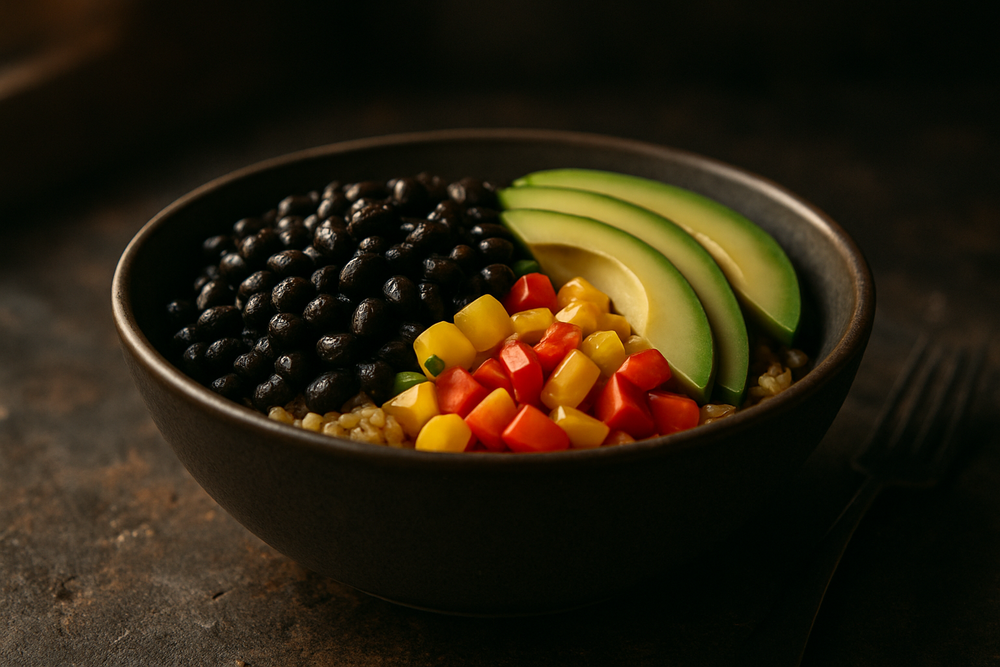
- Black beans + avocado — The beans' high fiber and protein content combined with avocado's monounsaturated fats creates a meal that's exceptionally filling and slows glucose absorption further. Works beautifully in grain bowls, tacos, or as a simple side with roasted sweet potato.
Bottom line
Black turtle beans cooked from whole dried beans are one of the most evidence-supported, nutrient-dense, and affordable whole foods available. The research base — spanning human clinical trials, population studies, and preclinical work — consistently points toward benefits for cardiovascular health, blood sugar regulation, digestive function, and antioxidant protection, with the bean's distinctive anthocyanin-rich seed coat adding an extra edge over lighter-coloured varieties.
They're not a cure or a supplement. They're a food — and a genuinely excellent one when prepared properly. Soak them, cook them thoroughly, start with modest portions if you're new to legumes, and build them into your regular rotation. Whether you're making a slow-simmered feijoada on a Sunday or a quick weeknight grain bowl, the whole dried black turtle bean is well worth the extra step over reaching for a can.
How Black Turtle Beans (Whole Dried) Compares
| Compared with | What's different |
|---|---|
| Black Turtle Beans (Whole Dried) vs. Kidney Beans | Higher in anthocyanin antioxidants with a denser, meatier texture when cooked. |
| Black Turtle Beans (Whole Dried) vs. Pinto Beans | Smaller with a milder, earthier flavor and an inky broth useful for soups. |
| Black Turtle Beans (Whole Dried) vs. Black-Eyed Peas | Higher fiber and protein content per serving compared to these lighter legumes. |
Health Benefits
Things to Know
Soak and cook thoroughly.: Raw or undercooked black beans contain lectins that can cause severe nausea, vomiting, and diarrhoea within hours of eating. Always soak dried beans for at least 4–8 hours (overnight is best), discard the soaking water, and boil in fresh water until completely soft — no crunch, no chalkiness.
Start low, go slow.: Rapidly increasing fiber intake can cause gas, bloating, and abdominal cramping. Begin with ¼ cup cooked and build up over 1–2 weeks to give gut bacteria time to adapt.
IBS and FODMAP sensitivity.: Black beans are high in fermentable carbohydrates (FODMAPs) — oligosaccharides that can trigger symptoms in people with irritable bowel syndrome (IBS) or small intestinal bacterial overgrowth (SIBO). Smaller portions and thorough cooking may help; a registered dietitian specialising in gut health can guide individual tolerance.
Chronic kidney disease (CKD).: Black beans are a meaningful source of potassium and phosphorus. People on potassium- or phosphorus-restricted diets due to impaired kidney function should discuss portion sizes with their nephrologist or renal dietitian before significantly increasing intake.
Kidney stones.: Legumes contribute to total dietary oxalate, which may be a consideration for people prone to calcium-oxalate kidney stones.
Medication interactions.: Regular consumption of high-fiber, low-GI foods like black beans can modestly improve blood sugar and blood pressure. If you take antidiabetic medications (insulin, sulfonylureas, GLP-1 agonists, SGLT2 inhibitors) or antihypertensives, speak with your prescriber — dose adjustments may become relevant over time. As a general practice, space medications and large bean-rich meals by at least 1–2 hours, as high fiber intake can theoretically affect drug absorption.
Pregnancy.: Black beans are an excellent source of folate, which supports fetal neural tube development. They're generally safe and encouraged during pregnancy as part of a varied diet; as always, cook thoroughly.
Prep Ideas
- — Rinse 1 cup (≈ 200 g) dried black turtle beans under cold water. Pick out any shrivelled beans or debris.
- — Soak in 3–4 cups of cold water for 8–12 hours (or quick-soak: bring to a boil for 2 minutes, remove from heat, cover, and rest 1 hour). Discard soaking water.
- — Cover with fresh cold water by 5–7 cm. Bring to a boil, skim any foam, reduce to a gentle simmer.
- — Cook uncovered for 60–90 minutes until completely tender. Salt only in the last 15 minutes — adding salt too early can toughen the skins.
- — The cooking liquid becomes the "inky broth" prized in feijoada and Cuban-style preparations. Don't discard it.
- — **Black beans + brown rice** — A nutritional classic. Brown rice's complementary amino acid profile pairs with bean protein to create a more complete amino acid spectrum across the meal. The combination also balances the beans' hearty, earthy notes with a neutral grain base, and keeps the glycemic load low.
- — **Black beans + vitamin C–rich vegetables (bell pepper, tomato, lime)** — Plant-based iron from black beans is non-haem iron, which is absorbed less efficiently than the haem iron in meat. Pairing beans with a vitamin C source at the same meal significantly enhances iron absorption. This is also the flavour base of Cuban-style black beans (sofrito) and most Latin preparations.
- — **Black beans + avocado** — The beans' high fiber and protein content combined with avocado's monounsaturated fats creates a meal that's exceptionally filling and slows glucose absorption further. Works beautifully in grain bowls, tacos, or as a simple side with roasted sweet potato.
Glossary
Shop This Ingredient
Stock your pantry with quality black turtle beans (whole dried).
Buy on AmazonAs an Amazon Associate, Plantopedia earns from qualifying purchases. This costs you nothing extra and helps us keep the encyclopedia free.
Frequently Asked Questions
Heart health and circulation Legumes as a category are consistently linked to lower LDL ("bad") cholesterol, reduced cardiovascular disease risk, and better vascular function in both observational studies and clinical trials. For black beans specifically, a randomised crossover trial in healthy adults found that meals containing black or red kidney beans improved vasorelaxation — the ability of blood vessels to relax and widen — and produced lower post-meal LDL cholesterol compared with a white rice control. A separate crossover study in adults with arterial stiffness (reduced flexibility of large blood vessels) found that bean-and-whole-wheat meals acutely improved vascular and heart-health measures compared with white rice. These effects are likely driven by a combination of soluble fiber (which binds cholesterol in the digestive tract), anthocyanins and other polyphenols, and the displacement of refined carbohydrates from the meal. Evidence for long-term heart outcomes specific to black turtle beans is still limited, but the acute findings are consistent with broader legume research. Digestive health and gut microbiome Each half-cup serving of cooked black turtle beans delivers nearly a third of the average adult's daily fiber target — a mix of soluble fiber, insoluble fiber, and resistant starch. Together, these fractions feed beneficial gut bacteria, add bulk to stool, and slow the pace of digestion, supporting bowel regularity and satiety. Preclinical (animal) research found that obese mice fed high-fat diets supplemented with cooked black beans showed favourable shifts in gut microbiota (the community of bacteria living in the gut), including increases in certain Clostridia-class bacteria associated with reduced inflammation and better insulin sensitivity. Markers of metabolic endotoxemia — a low-grade "leaky gut" state that can drive systemic inflammation — also improved. Human microbiome trials specific to black turtle beans are still limited, so these findings are promising but not yet confirmed in people. Blood sugar and metabolism Black turtle beans have a low glycemic index (GI) — a measure of how quickly a food raises blood glucose. A randomised controlled crossover pilot study in adults with metabolic syndrome (a cluster of risk factors including elevated blood sugar, excess waist fat, and high blood pressure) found that a Western-style meal containing black beans produced lower post-meal insulin concentrations than comparison meals matched for fiber or antioxidant content without beans. This suggests that something specific to the whole black bean — likely the combination of resistant starch, fiber, protein, and polyphenols — enhances insulin sensitivity at mealtime. Replacing refined starches such as white rice with black beans at a meal is one of the more practical, evidence-informed ways to blunt post-meal glucose and insulin spikes. Long-term data specifically on black turtle beans and diabetes prevention are still limited; the evidence base for legumes as a group in reducing type 2 diabetes risk is stronger. Inflammation and recovery Human trials with black beans have primarily measured metabolic and vascular endpoints rather than direct inflammatory markers. However, acute consumption has been shown to improve antioxidant capacity after meals, which may reduce oxidative stress — cellular damage caused by unstable molecules called free radicals — over time. Animal studies add more detail: obese mice on high-fat diets supplemented with cooked black beans showed reduced markers of systemic inflammation and improved gut barrier function. A rodent study using black bean protein concentrate also found reduced hepatic steatosis (fat accumulation in the liver), lower circulating triglycerides, and suppression of fat-producing genes. These mechanistic findings are encouraging, but direct anti-inflammatory evidence in humans from black beans alone remains an emerging area. Hormones and cycle health Evidence here is largely indirect and still emerging. In rodent studies, black bean–enriched diets were associated with lower circulating insulin and leptin (a hormone involved in hunger and fat storage), better glucose tolerance, and modulation of a gut hormone called glucose-dependent insulinotropic peptide (GIP). These findings suggest black beans may influence hormonal pathways tied to appetite and metabolism. Human evidence specific to black turtle beans and hormonal outcomes has not yet been established.
Whole dried black turtle beans (cook from scratch) This is the gold standard for nutrient retention, flavour, and anthocyanin content. Soaking overnight (8–12 hours), discarding the soaking water, and then simmering in fresh water for 60–90 minutes until completely tender destroys lectins, softens the seed coat, and develops the characteristic thick, inky broth essential for feijoada and Cuban-style preparations. The long, slow cook allows the beans' own starch and pigments to enrich the liquid, giving a depth of flavour impossible to achieve with canned beans. Canned cooked black beans Canned beans are a genuinely useful convenience option and retain a similar macronutrient profile to home-cooked beans. The main drawback is sodium: a standard can often contains 300–400 mg of sodium per half-cup serving. Draining and rinsing reduces sodium by roughly 40% and removes some surface oligosaccharides that contribute to gas. If time allows, look for low-sodium or no-added-salt canned options. Black bean flours and protein concentrates These are used mainly in food product development and preclinical research. They're not the same as eating whole beans; processing removes much of the fiber and can alter the polyphenol profile. For everyday health goals, stick with whole or minimally processed beans.
No single universal dose applies to everyone, and this is a food, not a supplement. That said, here's what the evidence suggests: General healthy adults: Human dietary trials typically use ½ to 1 cup cooked black beans (≈ 86–172 g) per eating occasion. Major nutrition bodies and the Harvard Nutrition Source recommend several servings of legumes per week; aiming for 3–5 servings of legumes weekly is consistent with dietary patterns associated with reduced cardiovascular and metabolic risk. Daily intake: Eating ½ to 1 cup of cooked black beans daily appears safe and beneficial for most healthy adults. Some traditional Latin American dietary patterns include beans at one or two meals per day with no documented adverse effects in populations eating them lifelong. Starting out: If you're new to beans, begin with ¼ cup cooked and increase gradually over 1–2 weeks to minimise gas and bloating. Special populations: People with CKD, IBS, or FODMAP sensitivity should individualise intake with professional guidance rather than following general recommendations. One ½-cup serving of cooked black turtle beans provides roughly 31% of your daily fiber target and 18% of your daily protein target — meaningful contributions that add up quickly across a day's meals.
Quick Answers
Common questions, answered in a line.
Black turtle beans are rich in anthocyanins, phenolic acids, and flavonoids, which provide potent antioxidant and anti-inflammatory effects. These compounds help improve blood vessel flexibility, regulate glucose metabolism, and protect against lipid oxidation.
To cook dried black turtle beans, rinse them, soak for 8–12 hours, then simmer in fresh water for 60–90 minutes until completely tender. Do not add salt until the last 15 minutes of cooking, as adding it too early can toughen the skins.
Raw or undercooked black beans contain lectins, which are proteins that can cause severe nausea, vomiting, and diarrhea. Thoroughly soaking and boiling the beans until they are completely soft destroys these lectins, making the beans safe to eat.
Pairing black beans with vitamin C-rich foods like bell peppers, tomatoes, or lime juice significantly enhances the absorption of their plant-based (non-haem) iron. This combination is a staple in Latin preparations like Cuban-style sofrito.
Black beans and brown rice are a nutritional classic because their amino acid profiles complement each other to create a more complete protein spectrum. This combination also provides a low glycemic load and balances hearty flavors with a neutral grain.
If you are new to high-fiber legumes, start with a 1/4 cup portion and increase your intake gradually over 1 to 2 weeks. This gives your gut bacteria time to adapt, helping to prevent gas, bloating, and abdominal cramping.
People with chronic kidney disease (CKD) should consult a doctor before increasing black bean intake because they are a significant source of potassium and phosphorus. Those prone to kidney stones should also note that legumes contribute to dietary oxalate levels.
For Readers in the USA
Local context — sourcing, seasonality, and regional notes.
Black turtle beans are primarily grown in the Upper Midwest and Great Plains, with Michigan and North Dakota leading U.S. production. These regions provide the well-drained soil and temperate climate necessary for the beans to mature during the summer months before being harvested in the fall.
You can find dried black turtle beans at nearly every major U.S. grocery chain, including Kroger, Walmart, and Whole Foods, as well as in the bulk bins of local food cooperatives. They are a staple in the "Goya" or "Hispanics Foods" aisle and are widely available as USDA Certified Organic through store brands like 365 or Simple Truth.
In the U.S., black beans are a cultural cornerstone of Florida's Cuban-American cuisine and the Southwestern Tex-Mex tradition. They are the primary ingredient in Florida-style "frijoles negros" and are a standard protein option for burritos and tacos across the United States.
While dried black beans are available year-round due to their long shelf life, the U.S. harvest typically occurs from late August through October. Buying recently harvested "new crop" beans from farmers markets during these months often results in shorter cooking times and a creamier texture.
AI Clinical Review
- Strong, practical emphasis on fiber and plant protein: about 9 g each per half-cup cooked supports fullness, bowel regularity, and steady energy.
- Accurate framing of black beans as low glycemic; swapping them for refined starches can blunt after-meal glucose and insulin rises.
- Clear explanation of anthocyanin-rich seed coats and their link to favorable, short-term vascular responses seen in small clinical crossover studies.
- Sensible kitchen guidance: soaking and thorough boiling to inactivate lectins; canned beans are comparable for macros, with rinsing to meaningfully lower sodium.
- Long-term outcomes specific to black turtle beans (heart events, diabetes incidence) are limited; most convincing data aggregate legumes as a group or show short-term effects.
- Human evidence on gut microbiome shifts and anti-inflammatory effects is preliminary; much of the mechanistic work is from animal models.
- Hormone and cycle health claims are not established in humans; rodent findings do not yet translate to clinical recommendations.
- Glycemic and vascular benefits come largely from small, acute studies; individual responses and meal context (what else is on the plate) can alter effects.
- Amounts: 1/2–1 cup cooked per day or 3–5 servings per week is reasonable for most adults; increase gradually from 1/4 cup to reduce gas and bloating.
- Safety and form: always cook dried beans thoroughly after soaking; never eat undercooked beans. Canned beans are convenient—choose low- or no-salt when possible and rinse to cut sodium notably.
- Who should check with a clinician first: people with chronic kidney disease (potassium and phosphorus), a history of calcium‑oxalate stones (dietary oxalate), or those taking diabetes or blood pressure medications (improving diet quality can change dose needs; consider spacing meds from high‑fiber meals by 1–2 hours).
- Digestive sensitivity: black beans are high in FODMAPs; smaller portions, thorough cooking, and regular (not occasional) intake may improve tolerance; a gut‑focused dietitian can help individualize.
Soak and cook thoroughly before eating.
References
- USDA FoodData Central — Cooked black beans, boiled without salt (fdc.nal.usda.gov)
- Harvard T.H. Chan School of Public Health Nutrition Source — Legumes and Pulses overview (nutritionsource.hsph.harvard.edu)
- Randomised crossover pilot trial: black bean meals and postprandial insulin in adults with metabolic syndrome (pmc.ncbi.nlm.nih.gov)
- Randomised crossover trial: black/red kidney beans vs. white rice for postprandial vascular responses in healthy adults (pubmed.ncbi.nlm.nih.gov)
- Pilot randomised crossover: wheat, black beans, and vascular responses in people with arterial stiffness (pubmed.ncbi.nlm.nih.gov)
- MDPI Nutrients: cooked black beans, gut microbiota, and insulin sensitivity in high-fat–fed mice (mdpi.com)
- USDA ARS research article: black beans, insulin resistance, and gut bacteria balance in obese mice (ars.usda.gov)
- RSC Food & Function: black bean protein concentrate, hepatic steatosis, and lipid metabolism in rats (pubs.rsc.org)
- DaVita Kidney Care — Legumes as plant-based protein and considerations in kidney disease (davita.com)
Know Your Numbers
Eating healthy is a start. Now get to know your biomarkers.
Food changes bloodwork — inflammation, lipids, blood sugar and nutrient status all respond to what you eat. 59 markers from $59.
- Results in 7–10 days at 2,000+ Quest sites
- Licensed provider reviews every result
- One flat price, no membership, HSA/FSA eligible
Educational information only, not medical advice. Panels are ordered and reviewed through our licensed partner; Plantopedia may earn a commission.