Barnyard Millet — health benefits and uses
Traditionally eaten during Hindu fasting periods as a grain-adjacent food.
The Short Answer
Barnyard millet is a gluten-free ancient grain containing 12.6g of fiber and 5mg of iron per 100g serving. It is primarily used as a low-glycemic substitute for rice and takes only 15–20 minutes to cook.

Barnyard Millet · Photograph
Discover barnyard millet benefits and nutrition in this evidence-based guide. Learn how this fast-cooking, naturally gluten-free grain compares to rice for blood sugar, digestion, and heart health — plus how much to eat and how to cook it.
Key Nutrients
% Daily Value based on 2,000 cal diet
Key active compounds in barnyard millet
- Phenolic acids and polyphenols — Plant-derived antioxidants (including ferulic acid and caffeic acid) concentrated in the bran layer. In laboratory and animal studies, these scavenge free radicals and may modulate inflammation and blood-sugar-regulating enzymes.
- Flavonoids — A subclass of polyphenols found in the outer grain layers. They contribute to antioxidant capacity and may support vascular health, though most evidence so far comes from cell and animal models.
- Dietary fiber (soluble and insoluble) — Unpolished barnyard millet contains approximately 12–14 g of total dietary fiber per 100 g. Soluble fiber forms a gel in the gut that slows glucose absorption; insoluble fiber adds bulk to stools and supports regularity.
- Resistant starch — A starch fraction that skips digestion in the small intestine and travels to the colon, where gut bacteria ferment it into short-chain fatty acids (compounds that may support gut lining integrity and metabolic health).
- Phytates and tannins — Naturally occurring antinutritional factors (compounds that can reduce the body's ability to absorb certain minerals) concentrated in the outer grain layers. They also carry antioxidant properties. Soaking, sprouting, or fermenting the grain before cooking significantly reduces their impact.
Prep and pairing ideas
Barnyard millet is genuinely quick and forgiving in the kitchen. Here is a basic cooking method, plus three practical pairings that make the most of its nutritional profile:
Basic cooking method:
- Rinse well under cold water (soaking 30–60 minutes is optional but reduces phytates and speeds cooking).
- Combine 1 part dry millet with 2.5 parts water or light vegetable broth.
- Bring to a boil, reduce to a simmer, cover, and cook 15–20 minutes until water is absorbed.
- Fluff with a fork and rest for 5 minutes.
Three smart pairings:
1. Barnyard millet + tomatoes or bell peppers The vitamin C in these vegetables converts non-heme iron (the plant form of iron) into a more absorbable form. A simple upma with diced tomatoes is one of the most practical ways to get more from the grain's 5 mg of iron.
2. Barnyard millet + lentils or legumes Millets provide lysine-limited protein; legumes supply what millets lack. Combined, they form a more complete amino acid profile — the traditional khichdi (millet-lentil porridge) is a nutritionally elegant example of this pairing.
3. Barnyard millet + yogurt or fermented accompaniments The lactic acid in yogurt and fermented condiments (like pickle or fermented chutney) can further reduce phytate activity and improve overall mineral bioavailability, while also adding gut-friendly probiotics to the meal.
Buying guide: choosing the right barnyard millet
Whole grain vs. polished: Always check the label. "Unpolished" or "whole grain" barnyard millet retains the bran and germ — where most of the fiber, minerals, and antioxidants live. Polished grain has a softer texture but notably lower nutritional value.
Flour: If buying barnyard millet flour (atta), look for "whole grain" on the label and check that the flour has not been blended with wheat flour if you need it to be gluten-free. Dedicated gluten-free brands will carry a certification mark.
Freshness: Millet flour and flakes go rancid faster than the whole grain because the fat-containing germ is exposed. Smell before buying, store in an airtight container in a cool, dark place, and use flour within 2–3 months. Whole grain keeps for 6–12 months stored properly.
Organic certification: Barnyard millet is often grown with minimal inputs as a traditional crop, but if pesticide residue is a concern, certified organic options are widely available in Indian grocery stores and online.
Bottom line
Barnyard millet is a nutritionally dense, fast-cooking whole grain with a genuinely low glycemic index, meaningful iron and magnesium content, and one of the highest fiber levels among common cereal grains. The strongest human evidence supports its role in blunting post-meal blood sugar spikes; its benefits for digestion, heart health, and inflammation are plausible and mechanistically supported but still need larger, longer clinical trials.
It is not a superfood cure-all — it is a smart swap. Replace a serving of white rice or refined wheat with unpolished barnyard millet, pair it thoughtfully, and it becomes one of the easiest evidence-consistent moves you can make toward a more nutrient-dense diet.
If you are managing blood sugar, looking to increase dietary fiber, or simply want to diversify beyond rice and wheat, barnyard millet earns a regular spot on your plate.
Explore more: Looking for other evidence-based ways to support steady blood sugar and digestive health? Browse Plantopedia's ingredient guides by health goal to find whole-food strategies that fit your needs.
How Barnyard Millet Compares
| Compared with | What's different |
|---|---|
| Barnyard Millet vs. White Rice | Barnyard millet has nearly 13g of fiber per 100g, significantly higher than white rice. |
| Barnyard Millet vs. Foxtail Millet | Barnyard millet is much smaller and cooks faster, with a softer, porridge-like texture. |
| Barnyard Millet vs. Quinoa | Barnyard millet contains 5mg of iron per serving, providing more than triple the iron of quinoa. |
Health Benefits
Things to Know
Gluten-free, but check for cross-contamination.: Barnyard millet is naturally gluten-free. People with celiac disease should buy from a certified gluten-free facility to avoid cross-contamination from shared equipment with wheat, barley, or rye.
Introduce slowly if you eat a low-fiber diet.: Starting with ¼ cup dry (about 45 g) and building up over a few weeks helps your digestive system adjust. Drink at least 8 oz of water per serving.
Kidney disease caution.: Barnyard millet contributes around 281 mg of phosphorus and 280 mg of potassium per 100 g. People on phosphorus- or potassium-restricted diets (common in chronic kidney disease) should check with their dietitian before increasing intake.
Diabetes medications.: Barnyard millet's low glycemic index may lower post-meal blood sugar. If you take insulin or oral hypoglycemic agents, make dietary changes with your doctor's awareness to avoid hypoglycemia (blood sugar dropping too low).
Mineral supplements.: Phytates in barnyard millet can modestly reduce absorption of iron, zinc, and calcium supplements. Space supplements at least 1–2 hours away from high-phytate meals, or choose soaked/fermented preparations.
Pregnancy and breastfeeding.: The grain is considered food-safe. Its folate, iron, and magnesium content is a positive. No specific contraindications are documented, but as with any significant dietary change, check with your midwife or OB.
Young children.: High-fiber whole grains are typically introduced gradually in children under two. The flour form or well-cooked porridge is easier to manage.
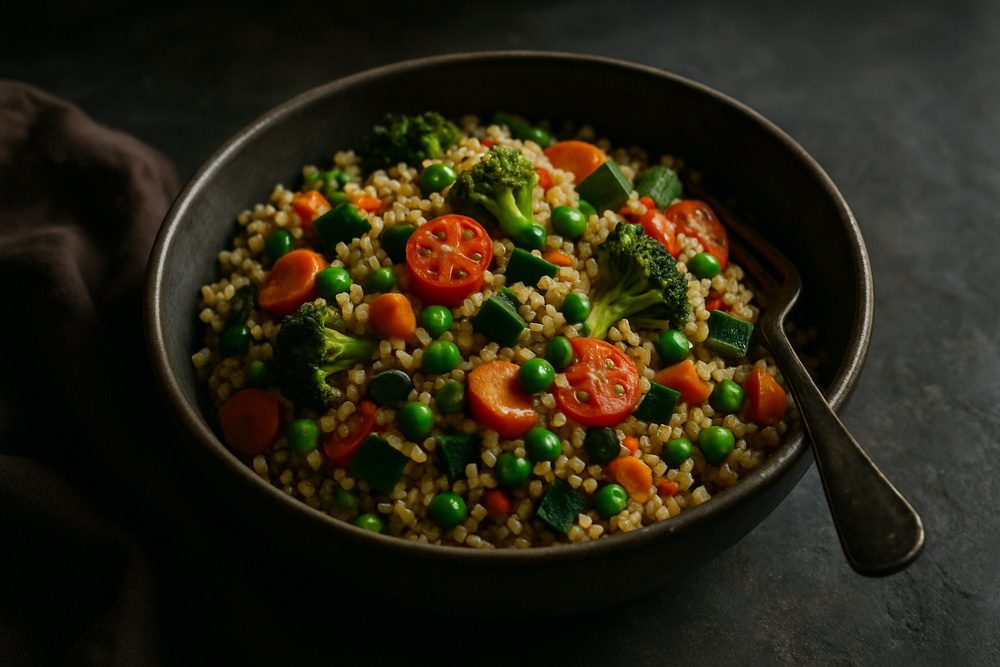
Prep Ideas
- — Rinse well under cold water (soaking 30–60 minutes is optional but reduces phytates and speeds cooking).
- — Combine 1 part dry millet with 2.5 parts water or light vegetable broth.
- — Bring to a boil, reduce to a simmer, cover, and cook 15–20 minutes until water is absorbed.
- — Fluff with a fork and rest for 5 minutes.
Shop This Ingredient
Stock your pantry with quality barnyard millet.
Buy on AmazonAs an Amazon Associate, Plantopedia earns from qualifying purchases. This costs you nothing extra and helps us keep the encyclopedia free.
Frequently Asked Questions
Blood sugar and metabolism This is the area where barnyard millet has the strongest human evidence. A clinical glycemic index study in healthy adults found it scored around 41 on the glycemic index (GI) scale — well within the "low GI" category (below 55) and significantly lower than white rice, which typically scores 70–80. The glycemic index is a measure of how quickly a food raises blood sugar compared to pure glucose. In that study, participants eating a portion of barnyard millet providing 50 g of available carbohydrate showed smaller blood sugar peaks after the meal compared with equivalent portions of refined cereals. Smaller human feeding studies in people with impaired glucose tolerance have reported similar improvements in post-meal glucose patterns when barnyard millet replaced rice-based meals. The mechanism is well-supported: its high fiber content (especially soluble fiber and resistant starch) physically slows carbohydrate breakdown and glucose absorption in the small intestine. Animal and laboratory studies also suggest it may inhibit alpha-amylase and alpha-glucosidase — enzymes that break carbohydrates into sugar — but this has yet to be confirmed in large human trials. Practical note: If you take insulin or oral diabetes medication, the glucose-lowering effect of switching from refined grains to barnyard millet is worth discussing with your doctor, since it may affect your medication needs. Digestive health and microbiome No large clinical trials have tested barnyard millet specifically for gut health outcomes, but its fiber profile makes it one of the more digestively supportive grains available. Unpolished barnyard millet provides approximately 12–14 g of total dietary fiber per 100 g — compared to roughly 1.8 g in cooked white rice. This includes both soluble fiber (which softens stools and feeds beneficial gut bacteria) and insoluble fiber (which adds bulk and speeds transit time through the colon). Laboratory analyses confirm that the resistant starch in barnyard millet acts as a prebiotic substrate — essentially food for beneficial gut bacteria. When those bacteria ferment resistant starch, they produce short-chain fatty acids like butyrate, which may help maintain the integrity of the gut lining. However, these microbiome effects have not yet been confirmed in controlled human studies specifically using barnyard millet. If you currently eat a low-fiber diet, introduce barnyard millet gradually (start with a quarter-cup dry serving) and drink plenty of water. A sudden large increase in fiber can cause temporary bloating and gas. Heart and circulation Barnyard millet's cardiovascular evidence is largely indirect. Large clinical trials specifically testing barnyard millet for cholesterol, blood pressure, or heart disease outcomes do not yet exist. What we do have is a plausible nutrient-based case: its fiber, magnesium, potassium, and antioxidant polyphenols are all mechanistically linked to healthier blood pressure and lipid profiles in the broader whole-grain literature. In small dietary intervention studies where barnyard millet replaced refined rice, improvements in overall diet quality were observed, suggesting cardiometabolic benefits from the substitution. In vitro and animal experiments show that barnyard millet phenolics can reduce oxidative stress and lipid peroxidation (damage to fats in the bloodstream), but larger, controlled human studies are needed to confirm these findings. The most evidence-supported heart-health action you can take right now: use barnyard millet to replace refined grain servings in your diet. Inflammation and recovery Direct human studies measuring inflammatory markers like CRP (C-reactive protein, a blood marker for inflammation) in response to barnyard millet are limited. Some small mixed-millet feeding studies have reported reductions in oxidative stress markers, but these do not isolate barnyard millet or test it against hard clinical outcomes. Laboratory and animal work is more robust: barnyard millet extracts rich in phenolic acids and flavonoids show strong antioxidant activity and demonstrate anti-inflammatory effects in cell culture and rodent models. These findings are promising but should be considered early-stage evidence until confirmed in human trials. Iron, micronutrients, and nutritional equity At approximately 5 mg of iron per 100 g, barnyard millet provides roughly 28% of the daily value — significantly more than white rice or wheat flour. This makes it especially relevant for populations with cereal-heavy diets, including many women of reproductive age and young children in South Asia. One important nuance: barnyard millet also contains phytates, which can reduce how much of that iron your body actually absorbs. Pairing barnyard millet dishes with vitamin C-rich foods (tomatoes, citrus, bell peppers) enhances non-heme iron absorption. Soaking the grain for several hours or overnight before cooking also reduces phytate levels meaningfully.
Unpolished (whole grain) is the clear winner for nutrition. Polishing removes the bran and germ, reducing total dietary fiber from approximately 14 g to 8.5 g per 100 g and stripping away a significant portion of polyphenols, B vitamins, and minerals. If you see barnyard millet at a health food store, look for the word "unpolished" or "whole grain" on the label. Here is how the common forms compare: | Form | Best use | Fiber level | Notes | | --- | --- | --- | --- | | Unpolished whole grain | Porridge, khichdi, upma, salads | Highest (14 g/100 g) | Best all-round nutritional choice | | Polished grain | Softer porridge, easier digestion | Moderate (8.5 g/100 g) | Lower nutrient density | | Flour (atta) | Rotis, pancakes, baked goods | Variable | Depends on whether whole or polished grain was milled | | Flakes or semolina | Quick-cooking porridge, upma | Moderate | Convenient; check label for bran retention | | Sprouted or fermented | Traditional fasting dishes, dosas | High + improved bioavailability | Reduces phytates; enhances mineral and B-vitamin absorption | For fasting dishes (vrat ka khana) commonly prepared during Hindu fasting occasions, barnyard millet is a traditional staple — light on the gut, low glycemic, and quick to prepare.
There is no officially established daily dose. Here is what the available evidence and traditional use suggest: Starting amount: ¼ cup dry (about 40–45 g) per meal. This yields roughly ¾ to 1 cup cooked and provides approximately 5–6 g fiber and about 175 calories. Typical intervention range: 50–100 g dry per day was used in millet-promotion dietary programs in India, generally replacing one or two refined cereal servings. Glycemic index testing: Human GI studies used portions providing 50 g of available carbohydrate (roughly 70–80 g dry grain) in a single sitting to test postprandial glucose. Practical ceiling: As a whole grain, barnyard millet can reasonably make up one to two grain servings per day as part of a varied diet. There is no evidence of harm from higher intakes in healthy adults, but very high fiber intakes should be increased gradually. Start low if you are new to high-fiber grains. A quarter-cup serving two to three times per week is a sensible starting point. Build to daily use over three to four weeks if your digestive system is comfortable.
Quick Answers
Common questions, answered in a line.
Barnyard millet is naturally gluten-free, making it a safe grain alternative for those with celiac disease or gluten sensitivity. However, to ensure safety, always check for a "certified gluten-free" label to avoid potential cross-contamination from equipment used for wheat, barley, or rye.
To cook barnyard millet, rinse the grain well and simmer 1 part dry millet in 2.5 parts water or broth for 15 to 20 minutes until the liquid is absorbed. For the best texture and lower antinutrient levels, soak the grain for 30 to 60 minutes before cooking and fluff with a fork before serving.
Barnyard millet has a low glycemic index and contains soluble fiber and resistant starch that help blunt post-meal blood sugar spikes. These components slow down glucose absorption, making the grain a smart evidence-based swap for white rice or refined wheat in a diabetic diet.
Unpolished barnyard millet contains approximately 12–14 g of total dietary fiber per 100 g, which supports regular digestion and metabolic health. This includes both soluble fiber, which slows glucose absorption, and insoluble fiber, which adds bulk to stools.
Barnyard millet can be safely eaten during pregnancy and breastfeeding, offering beneficial nutrients like folate, iron, and magnesium. While there are no specific contraindications, it is always recommended to consult with a midwife or doctor before making significant dietary changes.
Pairing barnyard millet with vitamin C-rich foods like tomatoes or bell peppers helps convert its plant-based iron into a more absorbable form. You can also pair it with lentils to create a complete protein profile or with yogurt to improve mineral bioavailability.
People with chronic kidney disease who are on phosphorus- or potassium-restricted diets should consult a dietitian before eating barnyard millet. This grain contains approximately 281 mg of phosphorus and 280 mg of potassium per 100 g serving.
Whole grain barnyard millet lasts 6–12 months when stored in an airtight container in a cool, dark place, while flour and flakes should be used within 2–3 months. Millet flour goes rancid faster because the fat-containing germ is exposed to air during the milling process.
For Readers in the USA
Local context — sourcing, seasonality, and regional notes.
In the United States, you can find barnyard millet at major specialty retailers like Whole Foods Market, local Indian grocery stores (Patel Brothers), and online via Amazon or Thrive Market. While less common in standard supermarkets like Kroger or Safeway, it is frequently stocked in the "international" or "natural foods" aisles of these chains under brand names like 24 Mantra or Bob's Red Mill.
Barnyard millet is typically sold in the US as "Sanwa" or "Shyama" in South Asian markets, and may also be labeled as Japanese Barnyard Millet or Oodalu. While it belongs to the same family as Proso or Foxtail millet, it is a distinct species (Echinochloa esculenta) favored for its quick cooking time and rice-like texture.
While most barnyard millet in the US is imported from India or East Asia, it can be grown in USDA Hardiness Zones 4 through 9, often reaching maturity in just 45 to 60 days. It is a highly drought-tolerant "short-season" crop, making it an experimental favorite for home gardeners in arid regions like the American Southwest or the Great Plains.
When shopping in the US, look for the USDA Organic seal to ensure the millet was grown without synthetic pesticides, and check for a "Certified Gluten-Free" logo if you have Celiac disease. The FDA regulates millet as a whole grain, meaning products labeled "whole grain barnyard millet" must contain the entire grain kernel including the bran, germ, and endosperm.
AI Clinical Review
- Barnyard millet is naturally gluten‑free and, when sourced from certified facilities, is generally safe for people with celiac disease.
- Its lower glycemic index (about 41) compared with white rice is supported by human feeding studies; the high fiber and resistant starch plausibly explain the gentler post‑meal glucose rise.
- Unpolished (whole) grain is nutritionally superior to polished forms, with higher fiber (≈12–14 g/100 g) and more polyphenols and minerals.
- Practical tips such as soaking/sprouting to reduce phytates and pairing with vitamin C–rich foods to enhance non‑heme iron absorption are evidence‑consistent.
- Most human data are short‑term trials focused on post‑prandial glucose; long‑duration randomized studies on cardiovascular risk, inflammation markers, weight change, and microbiome outcomes are limited.
- Reported glycemic index and nutrient values can vary by cultivar, degree of polishing, milling, and cooking method (and by what else is eaten with the grain), so individual responses may differ.
- Proposed mechanisms such as inhibition of carbohydrate‑digesting enzymes and antioxidant/anti‑inflammatory effects are largely from laboratory and animal models and need confirmation in well‑controlled human studies.
- Reasonable intake: start around 1/4 cup dry (40–45 g) per meal and build gradually; many programs substitute 50–100 g dry per day in place of refined grains. Increase fluids to reduce temporary bloating as fiber intake rises.
- If you use insulin or oral diabetes medications, monitor glucose when swapping refined grains for barnyard millet and discuss changes with your clinician to avoid hypoglycemia.
- People with chronic kidney disease or on potassium/phosphorus‑restricted diets should review portions (≈280 mg potassium and ≈281 mg phosphorus per 100 g dry unpolished grain) with a renal dietitian.
- It’s gluten‑free but cross‑contact can occur—choose certified products if you must avoid gluten. Natural phytates can diminish iron, zinc, and calcium absorption; soaking/fermenting or taking mineral supplements at a different time (by 1–2 hours) can help.
Naturally gluten-free and broadly tolerated.
References
- USDA FoodData Central — grain and millet nutrition data (fdc.nal.usda.gov)
- MyPlate Grains guidance — whole grain recommendations (myplate.gov)
- Nutritional advantages of barnyard millet: a peer-reviewed PMC review (pmc.ncbi.nlm.nih.gov)
- Barnyard millet for food and nutritional security: PMC review (pmc.ncbi.nlm.nih.gov)
- Glycemic index and barnyard millet in diabetes management: human trial, PMC (pmc.ncbi.nlm.nih.gov)
- Nutraceutical and antinutritional properties in small millets: PMC review (pmc.ncbi.nlm.nih.gov)
- Evaluation of nutritional and nutraceutical content of polished and unpolished barnyard millet: analytical study (foodandnutritionjournal.org)
- Barnyard millet review: nutritional, anti-nutritional and health-promoting properties (ScienceDirect) (sciencedirect.com)
- What is barnyard millet? Origins, nutrition, benefits — Science Insights overview (scienceinsights.org)
Know Your Numbers
Eating healthy is a start. Now get to know your biomarkers.
Food changes bloodwork — inflammation, lipids, blood sugar and nutrient status all respond to what you eat. 59 markers from $59.
- Results in 7–10 days at 2,000+ Quest sites
- Licensed provider reviews every result
- One flat price, no membership, HSA/FSA eligible
Educational information only, not medical advice. Panels are ordered and reviewed through our licensed partner; Plantopedia may earn a commission.