Chickpea Flour — health benefits and uses
A staple across Indian, Middle Eastern, and Mediterranean cooking for centuries.
The Short Answer
Chickpea flour is a nutrient-dense, gluten-free flour containing 21 grams of protein and 10 grams of fiber per cup. It is prized for its binding abilities in vegan omelets and its high folate content, providing over 100% of the daily value per serving.
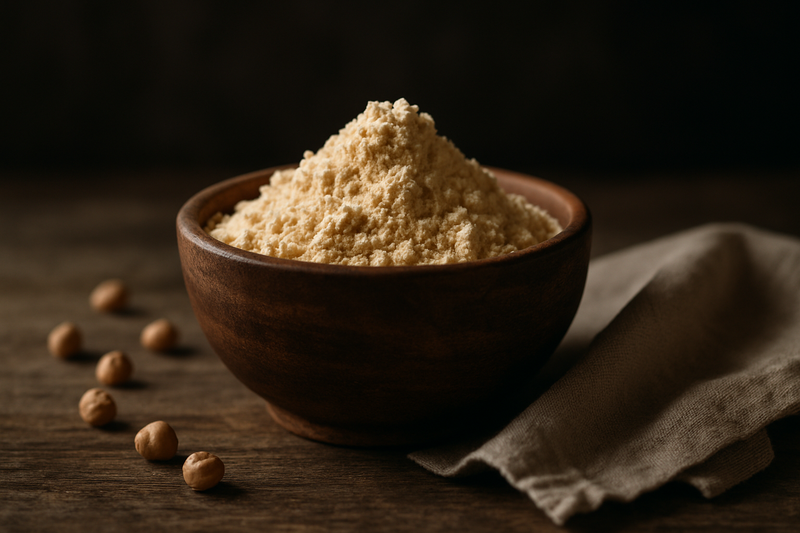
Chickpea Flour · Photograph
Discover chickpea flour benefits and how to use it for socca, pakora batter, vegan omelets, and more. This plain-English guide covers besan nutrition, blood sugar effects, gluten-free safety, digestion tips, and who should use caution — all backed by evidence.
Key Nutrients
% Daily Value based on 2,000 cal diet
Key active compounds
Chickpea flour's effects on health come from a combination of macronutrients, micronutrients, and plant compounds working together.
- Dietary fiber (~10 g per cup) — A mix of soluble and insoluble fiber that supports gut health, slows carbohydrate absorption, and promotes satiety (the feeling of fullness).
- Plant protein (~21 g per cup) — Provides essential amino acids (the building blocks of protein) and contributes to satiety and muscle support.
- Resistant starch — A type of starch that resists digestion in the small intestine and acts as food (a prebiotic) for beneficial gut bacteria.
- Folate (Vitamin B9) — A B vitamin critical for DNA synthesis and red blood cell formation, present in unusually high amounts.
- Phytic acid — A naturally occurring compound in legumes that acts as an antioxidant but can mildly reduce absorption of iron and zinc at very high intakes.
- Lectins — Carbohydrate-binding proteins found in most legumes. Largely inactivated by thorough cooking; raw chickpea flour should not be consumed in large amounts.
- Raffinose-family oligosaccharides — Fermentable carbohydrates (such as raffinose and stachyose) that feed gut bacteria but can cause gas and bloating, particularly in people with sensitive digestion.
- Protease and amylase inhibitors — Compounds that can slow protein and starch digestion when raw; significantly reduced by cooking.
Prep and pairing ideas
Chickpea flour is a genuinely flexible ingredient once you get a feel for its slightly nutty, savory flavor.
Classic socca (Niçoise chickpea flatbread): Whisk 1 cup chickpea flour with 1 cup water, 2 tablespoons olive oil, ½ teaspoon salt. Rest 30 minutes, pour into a hot cast-iron skillet, bake at 450°F (230°C) for 10–15 minutes until set and golden. Finish under the broiler for a crispy edge.
Pakora batter: Combine ½ cup chickpea flour with spices (cumin, coriander, turmeric, chili), water to a thick batter consistency, coat vegetables (onion rings, spinach leaves, cauliflower florets), and pan-fry or air-fry until fully cooked through and crispy.
Vegan chickpea flour omelet: Whisk 3–4 tablespoons chickpea flour with ½ cup water, a pinch of turmeric, black salt (kala namak, which adds an eggy sulfur note), and whatever vegetables or herbs you like. Cook in a non-stick pan over medium heat until set — about 3–4 minutes per side.
Flavor pairings that work especially well:
- Turmeric + cumin + black pepper — Complements chickpea flour's earthiness and adds anti-inflammatory compound synergies.
- Lemon + fresh herbs (parsley, coriander) — Brightens the slightly dense flavor in flatbreads and fritters.
- Nutritional yeast + garlic — Deepens umami (savory) flavor in egg-free omelets and savory crepes.
Bottom line
Chickpea flour is a nutritionally substantial, whole-food legume flour that earns its place in a plant-rich kitchen. Its combination of protein, fiber, folate, and key minerals — delivered in a naturally gluten-free package — makes it one of the most nutrient-dense flour options available. The strongest evidence supports its role in supporting a lower-glycemic eating pattern and boosting fiber and protein relative to refined flour alternatives; evidence for direct effects on heart health and inflammation is promising but thinner.
The practical rules are simple: always cook it thoroughly, introduce it gradually if your gut is sensitive, and treat it as one valuable ingredient in a varied diet rather than a cure-all. Whether you are making Sunday socca, a quick weeknight pakora batter, or an egg-free weekend omelet, besan is a genuinely useful tool in a whole-food, plant-based kitchen.
How Chickpea Flour Compares
| Compared with | What's different |
|---|---|
| Chickpea Flour vs. Wheat Flour | Higher in protein and fiber with an earthier, savory taste compared to neutral white flour. |
| Chickpea Flour vs. Almond Flour | Higher protein content (21g per cup) and better binding properties for vegan omelets or batters. |
| Chickpea Flour vs. Besan (Gram Flour) | Specifically made from hulled brown chickpeas; slightly finer texture than standard chickpea flour. |
Health Benefits
Things to Know
Always cook chickpea flour thoroughly.: Raw or undercooked chickpea flour contains lectins, amylase inhibitors, and other antinutrients that can cause nausea, gas, and abdominal pain. Batters must be cooked until set — not just warmed.
Legume allergy: Chickpea flour can trigger reactions in people allergic to chickpeas, peas, lentils, or other legumes. Reactions can range from skin symptoms to anaphylaxis (a severe, potentially life-threatening allergic reaction). Avoid it if you have a known legume allergy.
IBS and low-FODMAP diets: Chickpea flour contains raffinose-family oligosaccharides, which are classified as FODMAPs (fermentable short-chain carbohydrates that can aggravate IBS symptoms). People following a low-FODMAP diet should use chickpea flour cautiously and in small quantities.
Diabetes medications: Replacing refined flour with chickpea flour may modestly lower after-meal blood glucose. If you take insulin, sulfonylureas, or GLP-1 agonist medications, discuss any significant dietary changes with your healthcare provider as dosing may need review.
Iron and zinc absorption: Phytic acid in chickpea flour can mildly reduce the absorption of non-heme iron and zinc when consumed in large amounts. If you take iron or zinc supplements, consider spacing them apart from very high-legume meals rather than taking them at the same time.
Pregnancy: The very high folate content is actually a benefit during pregnancy, but pregnant individuals should still meet folate needs primarily through a varied diet and prescribed supplements as directed by their provider.
Celiac disease: Chickpea flour is naturally gluten-free but must be certified gluten-free for those with celiac disease to avoid cross-contamination during manufacturing.
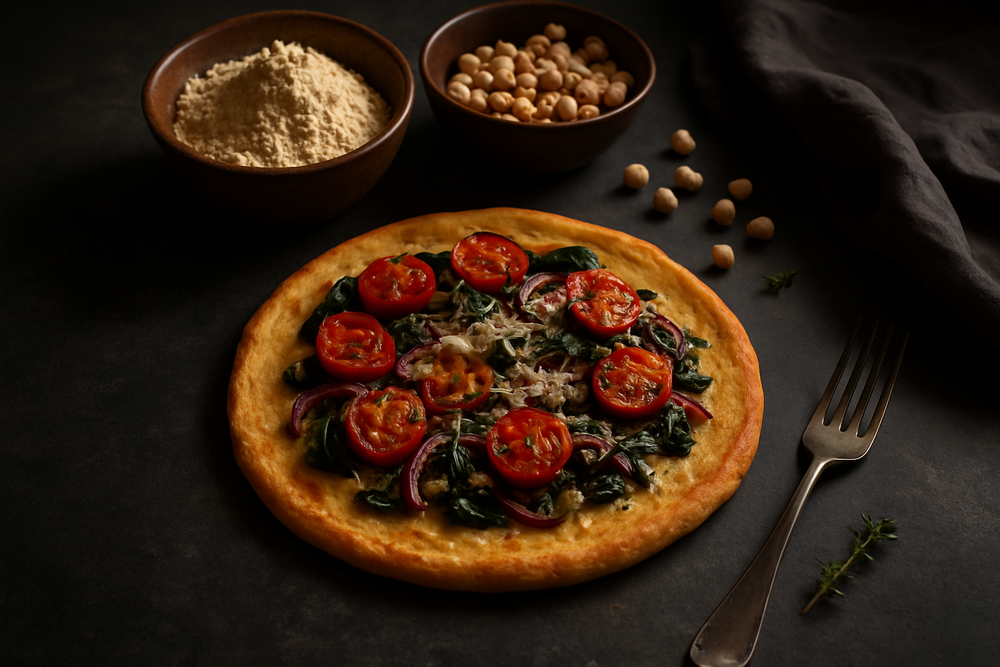
Prep Ideas
- — Turmeric + cumin + black pepper — Complements chickpea flour's earthiness and adds anti-inflammatory compound synergies.
- — Lemon + fresh herbs (parsley, coriander) — Brightens the slightly dense flavor in flatbreads and fritters.
- — Nutritional yeast + garlic — Deepens umami (savory) flavor in egg-free omelets and savory crepes.
Glossary
Shop This Ingredient
Stock your pantry with quality chickpea flour.
Buy on AmazonAs an Amazon Associate, Plantopedia earns from qualifying purchases. This costs you nothing extra and helps us keep the encyclopedia free.
Frequently Asked Questions
Heart and circulation Chickpea flour contributes several nutrients that population research links to cardiovascular health: fiber (which can help manage LDL cholesterol, the so-called "bad" cholesterol), folate (which helps break down homocysteine, an amino acid linked to heart risk at high levels), magnesium and potassium (which are associated with healthy blood pressure). However, most of this evidence comes from studies on whole legumes and legume-rich diets broadly — not from studies specifically testing chickpea flour as a food. Swapping chickpea flour for refined flour in baked goods and batters is a sensible way to increase fiber and micronutrients, but it should be seen as part of a heart-healthy diet pattern rather than a standalone strategy. Digestive health and microbiome The roughly 10 g of fiber per cup includes both soluble fiber (which forms a gel in the gut and feeds beneficial bacteria) and insoluble fiber (which adds bulk to stool). The resistant starch and raffinose-family oligosaccharides also act as prebiotics — substrates that nourish beneficial gut bacteria, potentially supporting a healthy microbiome. That said, these same fermentable compounds are the reason chickpea flour can cause gas and bloating, especially if you increase your intake quickly or have irritable bowel syndrome (IBS). Starting with small amounts — a tablespoon or two in a recipe — and building up gradually gives your gut time to adapt. Blood sugar and metabolism This is where chickpea flour has the most tangible, if still modest, evidence base. Its combination of protein, fiber, and resistant starch slows the digestion and absorption of carbohydrates, resulting in a more gradual rise in blood glucose (blood sugar) after eating compared with refined wheat flour. Small human studies on chickpea-based foods report lower postprandial (after-meal) glucose and insulin responses versus comparable wheat-flour products, though most trials are short-term and involve modest numbers of participants. The practical takeaway: using chickpea flour in place of refined flour is a reasonable strategy for a lower-glycemic eating pattern, but people with diabetes should still count total carbohydrates and monitor their individual response — chickpea flour is not a treatment for diabetes. Inflammation and recovery No strong clinical trials exist specifically testing chickpea flour against inflammatory markers like C-reactive protein (CRP). Broader legume-rich dietary patterns have been associated with improved inflammatory profiles in some observational studies, and the fiber and resistant starch in chickpea flour may indirectly support a healthier gut environment, which in turn can influence whole-body inflammation. But these effects are speculative for chickpea flour specifically. Think of it as one beneficial component of an overall anti-inflammatory diet, not a targeted anti-inflammatory therapy.
Buying guide: what to look for Raw chickpea flour (besan / gram flour): The standard form sold in South Asian, Middle Eastern, and health food stores. Fine grind is best for batters and flatbreads; coarser grind works well for coatings. Look for a pale yellow color and a fresh, slightly nutty smell — flour that smells musty or off has likely gone stale. Roasted chickpea flour: Slightly nuttier in flavor with reduced raw bitterness. The roasting process also further reduces antinutrients. A good option for flatbreads and dry-mix applications. Certified gluten-free labeling: If you have celiac disease or non-celiac gluten sensitivity, choose a product specifically labeled "certified gluten-free" to ensure it was processed in a facility free from cross-contact with wheat, barley, or rye. Organic vs. conventional: Either is nutritionally similar. Prioritize freshness and appropriate storage over organic certification if budget is a consideration. Storage tip: Keep in an airtight container in a cool, dry place (or refrigerator in warm climates). Chickpea flour can go rancid within 3–6 months if stored in a warm, humid spot due to its fat content.
There is no established therapeutic daily dose for chickpea flour. Most people use it as a cooking ingredient rather than a supplement, so amounts vary widely by recipe. Practical ranges: Light use (2–4 tablespoons / 15–30 g per meal): A reasonable starting point for most people, providing around 3–5 g protein and 2–3 g fiber per serving. Suitable for those new to chickpea flour or with digestive sensitivity. Moderate use (½ cup / 46 g per meal): Common in flatbread and omelet recipes. Delivers roughly 10 g protein and 5 g fiber — a meaningful nutritional contribution. Higher use (1 cup / 92 g per meal): Appropriate in batch baking. Provides the full nutritional profile above but may increase gas or bloating for sensitive individuals. Start low, go slow is the practical rule, especially if you are not used to eating many legumes. Give your digestive system two to four weeks to adapt before increasing portions. There is no evidence that very high daily intake offers additional benefit, and large amounts increase the chance of digestive discomfort.
Quick Answers
Common questions, answered in a line.
Chickpea flour is a nutrient-dense, gluten-free flour containing approximately 21 grams of protein and 10 grams of fiber per cup. It is particularly rich in folate (Vitamin B9) and contains resistant starch, which acts as a prebiotic to support beneficial gut bacteria.
No, you should never consume raw chickpea flour because it contains lectins and enzyme inhibitors that can cause nausea, gas, and abdominal pain. These compounds are largely inactivated by thorough cooking, so always ensure batters are fully set before eating.
Chickpea flour may cause gas, bloating, or abdominal discomfort in people with sensitive digestion due to its raffinose-family oligosaccharides. These fermentable carbohydrates, or FODMAPs, can be difficult to digest for those with IBS or general legume sensitivities.
Yes, chickpea flour is a popular vegan egg substitute for omelets when whisked with water, turmeric, and black salt (kala namak). The black salt provides a characteristic sulfurous, eggy flavor while the flour creates a satisfying, protein-rich texture.
Chickpea flour supports blood sugar management by providing a lower-glycemic alternative to refined flours, thanks to its high fiber and protein content. These nutrients slow down carbohydrate absorption, which may lead to more stable after-meal blood glucose levels.
Chickpea flour is naturally gluten-free, but individuals with celiac disease should only use products that are certified gluten-free. This certification ensures the flour has not been cross-contaminated with wheat or other gluten-containing grains during manufacturing.
To make a basic chickpea flour batter for socca or flatbreads, whisk equal parts flour and water with a small amount of olive oil and salt. For a savory pakora batter, combine the flour with water and spices like cumin, coriander, and turmeric until it reaches a thick consistency.
For Readers in the USA
Local context — sourcing, seasonality, and regional notes.
You can find chickpea flour at major US retailers like Whole Foods, Trader Joe’s (often labeled as Garbanzo Bean Flour), and Kroger, as well as in the international aisle of Walmart. Specialty Indian grocery stores are also excellent sources, where it is typically sold under the name "besan."
In the US, chickpea flour is commonly sold as "Garbanzo Bean Flour" in health food sections, while "Besan" refers to flour made from split brown chickpeas (chana dal) found in ethnic markets. While they behave similarly, besan is often finer and requires slightly less water than the standard garbanzo flour found in American supermarkets.
The United States is a leading global producer of chickpeas, with the majority of the crop grown in the Pacific Northwest (Washington and Idaho) and the Northern Plains (Montana and North Dakota). Most domestic chickpeas are harvested in late summer, ensuring a fresh supply of milled flour throughout the year.
To ensure chickpea flour is truly gluten-free in the US, look for the "Certified Gluten-Free" seal or a third-party certification label. Because some facilities process wheat and legumes on the same equipment, checking for FDA-compliant gluten-free labeling is essential for those with Celiac disease or severe sensitivities.
AI Clinical Review
- Chickpea flour is nutritionally dense compared with refined wheat flour, offering notably more protein, fiber, folate, and key minerals per equal volume.
- Its lower glycemic impact versus refined flour is explained well: protein, fiber, and resistant starch slow carbohydrate absorption, which can help smooth post‑meal blood sugar rises.
- It is naturally gluten‑free, and the advice for people with celiac disease to choose certified gluten‑free products (to avoid cross‑contact) is clinically sound.
- The safety note to fully cook chickpea flour (to inactivate lectins and enzyme inhibitors) and to introduce it gradually for digestive tolerance aligns with best practice.
- Most cardiometabolic and anti‑inflammatory benefits are inferred from studies on whole legumes or legume‑rich diets; there are few robust trials isolating chickpea flour as the main intervention.
- Glycemic advantages are supported by small, short‑term human studies; individual responses vary, and recipe context (fat, fiber, portion size, cooking method) meaningfully influences outcomes.
- Prebiotic/microbiome benefits are plausible due to resistant starch and oligosaccharides, but optimal amounts and clinically meaningful endpoints for chickpea flour specifically remain uncertain.
- Allergies: Anyone with known chickpea, pea, lentil, or broader legume allergy should avoid chickpea flour; reactions can be severe.
- Celiac disease: Choose products labeled certified gluten‑free to reduce cross‑contact risk during milling and packaging.
- Digestive sensitivity/IBS (low‑FODMAP): Gas and bloating are common at higher intakes. Start with about 1–2 tablespoons (15–30 g) per meal and increase gradually; thorough cooking helps but won’t remove all FODMAPs.
- Medications and minerals: If you use insulin, sulfonylureas, or GLP‑1 therapies, monitor glucose when swapping for refined flour. High‑legume meals can modestly reduce non‑heme iron or zinc absorption—consider separating those supplements by a few hours.
Naturally gluten-free; cook thoroughly, as raw chickpea flour can taste bitter and cause gas.
References
- USDA FoodData Central — Chickpea flour (besan) nutrient profile (fdc.nal.usda.gov)
- MyPlate — Eat Healthy: Grains (U.S. dietary guidelines context for legume flours) (myplate.gov)
- Healthline — 9 Benefits of Chickpea Flour (healthline.com)
- TuaSaude — Chickpea Flour: Health Benefits, Nutrition Facts and Recipes (tuasaude.com)
- Diet-Health Foundation — Chickpea flour (raw, organic): antinutritional factors and safety (diet-health.info)
- FatSecret / USDA-derived — Chickpea flour (besan) calories and nutrient breakdown (foods.fatsecret.com?portionid=37745&portionamount=1.000)
- DietCompass — Chickpea flour nutrition facts and analysis (dietcompass.org)
- Healthline/Dr. Axe — Chickpea flour glycemic and metabolic properties (draxe.com)
Know Your Numbers
Eating healthy is a start. Now get to know your biomarkers.
Food changes bloodwork — inflammation, lipids, blood sugar and nutrient status all respond to what you eat. 59 markers from $59.
- Results in 7–10 days at 2,000+ Quest sites
- Licensed provider reviews every result
- One flat price, no membership, HSA/FSA eligible
Educational information only, not medical advice. Panels are ordered and reviewed through our licensed partner; Plantopedia may earn a commission.