Pearl Millet — health benefits and uses
A drought-hardy grain that has sustained the Sahel and South Asia for millennia.
The Short Answer
Pearl millet (bajra) is a gluten-free ancient grain containing 11.6g of protein and 8mg of iron per 100g serving. It is best prepared by soaking whole grains overnight to improve mineral absorption or by using stone-ground flour for traditional flatbreads.
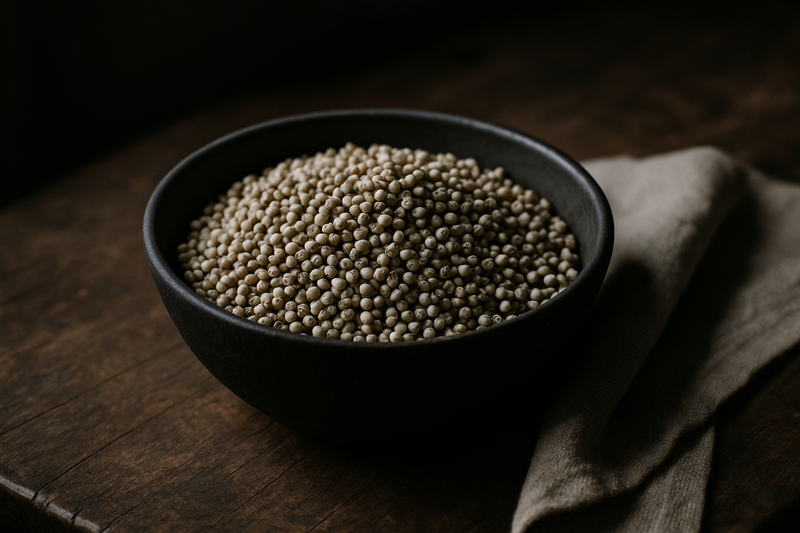
Pearl Millet · Photograph
Discover pearl millet (bajra) nutrition and health benefits, from blood sugar support and iron content to gut health and gluten-free cooking. Learn how to use bajra flour for rotis, porridge, and more — with evidence-based guidance on daily amounts, prep tips, and safety considerations.
Key Nutrients
% Daily Value based on 2,000 cal diet
Key active compounds in pearl millet
- Ferulic acid — A phenolic acid (plant antioxidant) found in the bran layer of the grain. It helps neutralize free radicals and may support vascular and metabolic health.
- p-Coumaric acid — A hydroxycinnamic acid with antioxidant and potential anti-inflammatory properties; released during digestion in the gut.
- Resistant starch — Starch that bypasses digestion in the small intestine and is fermented by gut bacteria, producing short-chain fatty acids like butyrate that feed the gut lining and help moderate blood sugar.
- Dietary fiber (insoluble and soluble fractions) — Insoluble fiber adds bulk to stool and supports bowel regularity; soluble fiber helps slow glucose absorption and can modulate cholesterol levels.
- Phytates (phytic acid) — Phosphorus-containing compounds that bind minerals like iron and zinc and reduce how much the body absorbs. This is a reason to soak, ferment, or sprout bajra before cooking — these processes meaningfully cut phytate levels.
Buying guide: choosing the best bajra
Whole grain vs. flour: Whole uncooked grains last longest (up to 12 months sealed and cool). Bajra flour goes rancid faster than wheat flour because of its higher oil content — buy in smaller quantities and store in an airtight container in a cool, dark spot or the freezer.
Label tips to look for:
- "Stone-ground" or "whole grain bajra flour" — indicates minimal processing and bran retention.
- "Certified gluten-free" — essential for celiac disease; important for non-celiac gluten sensitivity.
- Single ingredient (pearl millet only) — especially relevant if buying flour; avoid blends with added refined starch unless you have read the full ingredient list.
Fresh vs. packaged: Both are fine. Indian grocery stores and African food markets often carry fresher stock with faster turnover than mainstream supermarkets, which is worth seeking out for flour especially.
Organic vs. conventional: Pearl millet is not in the Environmental Working Group's "Dirty Dozen" list, so organic is a personal choice rather than a food safety necessity.
Prep and pairing ideas
Classic bajra roti: Mix whole-grain bajra flour with warm water and a pinch of salt. Rest the dough 20 minutes (or ferment overnight for better digestibility). Roll into thick rounds — bajra dough is less elastic than wheat dough, so keep rotis on the thicker side. Cook on a dry tawa (flat pan) over medium-high heat until charred spots appear. Finish directly on the flame for 10–15 seconds per side for an authentic smoky crust.
Bajra porridge (khichdi or congee-style): Rinse whole pearl millet grains, soak overnight, drain, then simmer in 3× water with a pinch of salt for 20–25 minutes until thick. Top with a drizzle of ghee or olive oil, a squeeze of lemon, and chopped greens for an iron-absorption boost.
Three practical pairings:
- Bajra roti + mung dal: The amino acids in lentils complement bajra's protein profile, making this a complete-protein combination. The dal's vitamin C (from added tomato) also helps with iron absorption from the roti.
- Bajra porridge + yogurt (or plant-based curd): Lactic acid in yogurt can help reduce phytates further and adds protein and probiotics. A natural flavor bridge between the earthiness of bajra and tangy dairy or coconut yogurt.
- Bajra flour in multigrain flatbread with chickpea flour (besan): A 50/50 blend softens bajra's density and adds lysine (an amino acid that bajra is relatively low in), improving overall protein quality of the flatbread.
Bottom line
Pearl millet (bajra) is a nutritionally dense, naturally gluten-free whole grain that earns its place in a health-supporting diet on the basis of real nutrient density: meaningful iron, zinc, magnesium, fiber, and B vitamins in every serving. The human evidence for its benefits on blood sugar control, heart health markers, and gut regularity is genuinely encouraging, though most of it reflects millet-pattern eating rather than bajra in isolation.
The practical takeaway is simple: swap refined-grain rotis or porridges for whole-grain bajra versions, soak or ferment the flour when you can, pair it with legumes and vitamin C–rich foods, and eat it as part of a varied diet. You do not need to eat it every meal — but making it a regular rotation in your grain choices is one of the more evidence-grounded food decisions you can make.
How Pearl Millet Compares
| Compared with | What's different |
|---|---|
| Pearl Millet vs. Finger Millet (Ragi) | Higher in iron (8mg) and protein (11.6g) with a slightly nuttier, earthy flavor. |
| Pearl Millet vs. Sorghum (Jowar) | Smaller, rounder grain that cooks faster than sorghum and has a higher fiber content. |
| Pearl Millet vs. Whole Wheat | Contains 11.4g of fiber and is naturally gluten-free, whereas wheat contains gluten. |
Health Benefits
Things to Know
Gluten-free, but check the label: Pearl millet itself contains no gluten, but cross-contamination during milling or packaging is common. For celiac disease, only use certified gluten-free bajra products.
Phytates and mineral absorption: The grain's phytic acid content can reduce absorption of iron, zinc, and calcium. Soak whole grains for 8–24 hours, ferment flour dough overnight, or sprout grains to meaningfully reduce phytates. Pairing bajra with vitamin C–rich foods (tomatoes, lemon juice, bell peppers) also enhances iron absorption.
Kidney disease: Pearl millet is high in phosphorus and contains meaningful potassium. People on a phosphorus- or potassium-restricted diet (e.g., those with chronic kidney disease) should discuss portion sizing with their dietitian.
Thyroid conditions: In populations with severe iodine deficiency, high consumption of certain millets has been associated with goiter risk. This is unlikely to be relevant with a varied diet and adequate iodine intake, but people with existing thyroid disorders should mention bajra to their doctor if they plan to eat it daily in large amounts.
Medication timing: High-fiber meals can slow the absorption of some oral medications. If you take levothyroxine (thyroid hormone), certain antibiotics, or diabetes medications, space them a couple of hours away from large bajra meals and follow your pharmacist's guidance.
Blood sugar medications: If you are on glucose-lowering drugs and shift significantly toward bajra-based meals, your doctor may need to adjust your dose — a good problem to have, but one to monitor.
Digestive ramp-up: If you are not used to high-fiber whole grains, start with one serving per day and increase gradually. Bloating and gas are common when fiber intake rises quickly; fermented preparations help.
Pregnancy: Bajra is a useful source of folate, iron, and B vitamins during pregnancy, but also contains phytates that can limit mineral absorption. A registered dietitian can help optimize preparation to maximize nutrient availability.
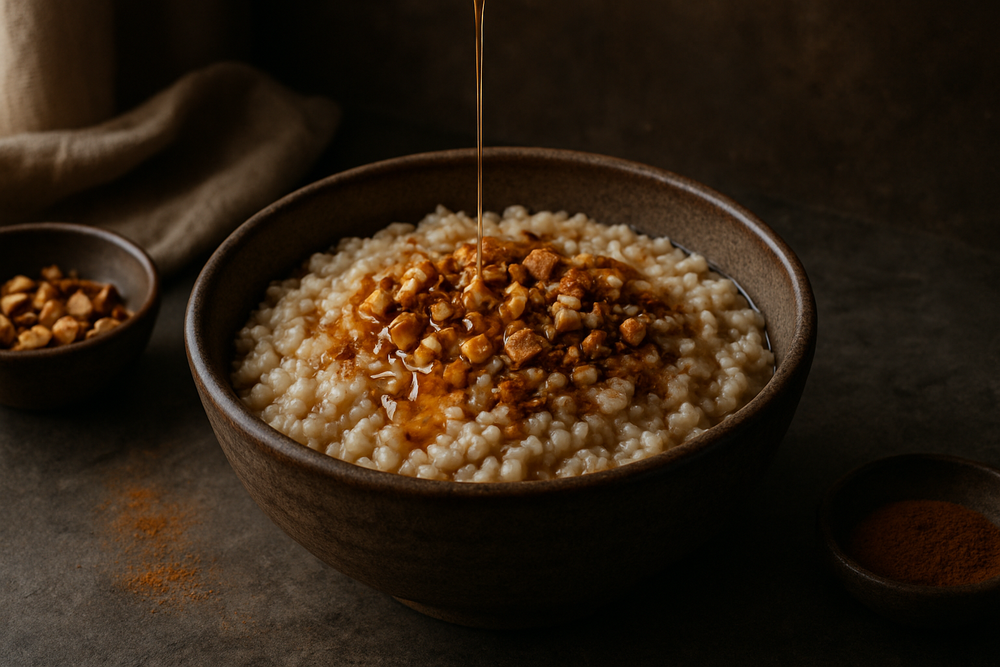
Prep Ideas
- — Bajra roti + mung dal: The amino acids in lentils complement bajra's protein profile, making this a complete-protein combination. The dal's vitamin C (from added tomato) also helps with iron absorption from the roti.
- — Bajra porridge + yogurt (or plant-based curd): Lactic acid in yogurt can help reduce phytates further and adds protein and probiotics. A natural flavor bridge between the earthiness of bajra and tangy dairy or coconut yogurt.
- — Bajra flour in multigrain flatbread with chickpea flour (besan): A 50/50 blend softens bajra's density and adds lysine (an amino acid that bajra is relatively low in), improving overall protein quality of the flatbread.
Glossary
Shop This Ingredient
Stock your pantry with quality pearl millet.
Buy on AmazonAs an Amazon Associate, Plantopedia earns from qualifying purchases. This costs you nothing extra and helps us keep the encyclopedia free.
Frequently Asked Questions
Heart and circulation Human dietary interventions that replace refined grains with whole millets (including pearl millet) consistently report modest improvements in total cholesterol, triglycerides, and blood pressure. Bajra contributes here through several overlapping pathways: magnesium and potassium support healthy blood vessel tone; soluble fiber can modestly lower LDL ("bad") cholesterol; and phenolic antioxidants like ferulic acid may protect against oxidative damage to blood vessel walls. The honest caveat is that most trials use mixed millet diets rather than pearl millet alone, and sample sizes tend to be small. The effects should be viewed as consistent with — and likely explained by — the broader body of evidence linking whole-grain intake to reduced cardiovascular risk, rather than as bajra-specific proof. For heart health, it is probably most useful to think of bajra as the whole-grain alternative to refined wheat in your daily roti, not as a standalone heart supplement. Digestive health and gut microbiome Pearl millet's combination of insoluble fiber and resistant starch supports bowel regularity and feeds beneficial gut bacteria. When gut bacteria ferment resistant starch, they produce short-chain fatty acids — particularly butyrate — that nourish the cells lining the colon and may help maintain gut barrier integrity. Human evidence for pearl-millet-specific digestive benefits is mostly indirect: it comes from studies showing that higher whole-grain and fiber intakes generally reduce constipation risk and improve gut microbiome diversity. Bajra contributes meaningfully to both. Traditional fermented preparations (such as sour bajra porridge or fermented flatbread batters) have an added advantage: fermentation reduces phytate levels and increases mineral bioaccessibility, while also introducing beneficial microorganisms that can further support gut tolerance. Blood sugar and metabolism This is arguably the area with the most direct human evidence. Several studies and systematic reviews on millet-based diets report that replacing refined wheat or white rice with millet-based foods can improve fasting blood glucose, lower post-meal blood sugar spikes (postprandial glycemia), and reduce HbA1c — a three-month average of blood sugar control — in people with type 2 diabetes or prediabetes. The mechanisms make sense: pearl millet has a lower glycemic index than white bread or white rice, contains resistant starch that slows glucose release, and provides fiber that blunts the speed at which carbohydrates enter the bloodstream. Traditional bajra roti paired with a legume dal is a particularly good combination because the protein and fiber from both foods work together to further slow glucose absorption. The important qualification: most trials use mixed millet types, not pearl millet in isolation, so the evidence reflects a millet-pattern effect more than bajra-specific magic. Still, for people managing blood sugar through diet, swapping refined-grain rotis for bajra rotis is one of the better-supported food switches in this literature. Inflammation and recovery Direct human studies measuring inflammatory markers like C-reactive protein (CRP) specifically in people eating pearl millet are limited. What exists is a body of evidence suggesting that high-fiber, whole-grain diets reduce low-grade chronic inflammation over time — and bajra fits that profile well. Its phenolic compounds (ferulic and p-coumaric acids) show antioxidant activity in laboratory studies, and resistant starch may dampen inflammation indirectly by improving gut barrier function and short-chain fatty acid production. This is an emerging area. The anti-inflammatory potential of pearl millet is plausible and mechanistically grounded, but it would be an overreach to position bajra as an "anti-inflammatory superfood" based on current human data. Hormones and cycle health Evidence here is preliminary. Some studies embedded within broader millet or glycemic research suggest that replacing refined grains with bajra may support healthier insulin dynamics — which can be relevant for people with insulin resistance or polycystic ovary syndrome (PCOS). Fiber-rich meals also influence satiety hormones, potentially reducing appetite between meals. One caution worth noting: epidemiological observations from regions with very high millet consumption and concurrent iodine deficiency have suggested a possible interaction with thyroid function. This appears to be a concern primarily in severe iodine deficiency contexts, not for people eating a varied diet with adequate iodine, but anyone with an existing thyroid condition should discuss dietary changes with their doctor.
The refined-grain swapper You currently eat mostly white rice or refined wheat rotis and want to diversify your grain intake. You are interested in better blood sugar control through food rather than supplements. Bajra roti with a lentil dal is a practical, traditional, evidence-informed swap that requires no major lifestyle change. The gluten-free eater looking for whole-grain options Most gluten-free products are made from refined starchy flours (white rice, tapioca) and are low in fiber and minerals. Bajra flour offers a genuinely whole-grain, high-fiber, high-mineral alternative that makes gluten-free rotis and porridges nutritionally competitive with whole wheat. Look for certified gluten-free bajra flour if you have celiac disease, as cross-contamination in processing facilities is a real risk with generic millet products.
Whole cooked grain (porridge or steamed): The most nutritionally intact form. Cooking whole grains retains fiber and resistant starch with a lower glycemic impact than finely milled flour. Good for breakfast porridges and grain bowls. Stone-ground bajra flour (bajra atta) for rotis and bhakri: The most widely used form and the backbone of traditional Indian and West African cooking. Coarse grinding retains more bran and germ than commercial fine milling, preserving fiber and micronutrients. Look for the words "whole grain" or "stone-ground" on the label; avoid highly refined bajra flour if nutrition is the goal. Fermented batters and doughs: Traditional fermented preparations lower phytate levels, improve iron and zinc bioaccessibility, and tend to be gentler on digestion. If you experience bloating from fresh bajra roti, try fermenting the dough for 8–12 hours before cooking — this is the most impactful single preparation step you can take. Multigrain blends (bajra + legume or other millets): The format used in most human studies showing blood sugar and cholesterol benefits. Combining bajra with a pulse (lentils, chickpeas, mung beans) improves overall protein quality and slows glucose absorption further. Sprouted or puffed millet: Traditional snack formats. Sprouting improves mineral availability; puffing can lower fiber density compared with the whole grain. Both are fine as part of a varied diet but are less nutritionally concentrated than whole or flour forms. For most people, whole-grain bajra flour for rotis or whole cooked grain in porridge covers the bases well. The key upgrade is soaking or fermenting whenever possible.
Most human dietary studies and traditional eating patterns position pearl millet at 1–2 servings per day, roughly 50–100 g of dry grain (yielding about 1–2 cups cooked). Two bajra rotis (each made from 30–40 g flour) is a reasonable daily amount for most adults seeking the nutritional benefits without overloading on any single grain. There is no established "therapeutic dose" for bajra — it works best as a staple that replaces refined grains rather than as a supplement with a precise milligram count. For people managing blood sugar or cholesterol through diet, the evidence suggests that substituting bajra for refined wheat or white rice at one to two meals per day is where the signal for benefit is strongest. Start low, especially for fiber: If your current diet is low in whole grains, begin with one small serving per day and increase over two to three weeks. This gives your gut microbiome time to adapt and minimizes bloating. Context matters: The benefits observed in research are consistently linked to bajra within balanced, varied meals — paired with vegetables, legumes, and a range of other whole foods — not as a single-ingredient diet. If you are managing a specific health condition, a registered dietitian can help you work out a realistic and personalized serving approach. Looking to connect bajra to a specific health goal? Browse our goal-based food guides to find evidence-informed meal patterns that put grains like bajra to work alongside other ingredients.
Quick Answers
Common questions, answered in a line.
Pearl millet is naturally gluten-free, making it safe for those with gluten sensitivities or celiac disease. However, you should always check for a "certified gluten-free" label, as cross-contamination can occur during milling or packaging.
To lower phytates and improve mineral absorption, soak whole grains for 8 to 24 hours, ferment dough overnight, or sprout the grains before cooking. Pairing pearl millet with vitamin C-rich foods like lemon or tomatoes also helps your body absorb more iron.
Pearl millet flour should be stored in an airtight container in a cool, dark spot or the freezer because its high oil content makes it go rancid faster than wheat flour. Whole uncooked grains are more shelf-stable and can last up to 12 months when sealed and kept cool.
People with chronic kidney disease should consult a dietitian before eating pearl millet because it is high in phosphorus and contains significant amounts of potassium. Additionally, those with thyroid disorders or iodine deficiencies should discuss large daily intakes with a doctor.
Yes, pearl millet contains resistant starch and soluble fiber that help slow glucose absorption and moderate blood sugar levels. If you are taking glucose-lowering medications, consult your doctor as they may need to adjust your dosage when you increase your bajra intake.
You can make traditional bajra roti by mixing flour with warm water, resting the dough for 20 minutes, and cooking thick rounds on a flat pan until charred. It can also be prepared as a porridge (khichdi) by simmering soaked grains in water until thick.
Pairing bajra with mung dal or chickpea flour creates a complete protein profile by providing essential amino acids like lysine that the millet lacks. Adding yogurt or plant-based curd further reduces phytates and adds beneficial probiotics to the meal.
For Readers in the USA
Local context — sourcing, seasonality, and regional notes.
You can find pearl millet at major U.S. retailers like Whole Foods Market and Sprouts Farmers Market, or at specialized Indian (Desi) and African grocery stores. Online retailers like Amazon and Thrive Market also stock various organic and gluten-free certified brands.
In the U.S., pearl millet is primarily grown in the Great Plains and Southeast, with peak harvests typically occurring in late summer and early fall. States like Kansas, Nebraska, and Georgia are top producers, though much of the domestic crop is used for forage or birdseed.
Look for the USDA Organic seal to ensure the millet was grown without synthetic pesticides, and check for the "Certified Gluten-Free" label if you have celiac disease. These labels provide third-party verification that meets strict U.S. food safety and labeling standards.
Pearl millet is gaining popularity in the U.S. as a sustainable, drought-tolerant "ancient grain" often featured in gluten-free flour blends and artisanal porridges. While historically less common than corn or wheat, it is now embraced by health-conscious consumers and the farm-to-table movement.
AI Clinical Review
- Clearly explains that pearl millet (bajra) is a naturally gluten‑free, nutrient-dense whole grain with meaningful fiber, iron, magnesium, and zinc compared with refined grains.
- Accurately frames the health evidence: most human studies examine millet-based diets and show modest improvements in post‑meal glucose, HbA1c, and some cardio‑metabolic markers when millets replace refined grains.
- Highlights practical preparation steps (soaking, fermenting, sprouting) that reduce phytates and can improve mineral absorption and digestive tolerance.
- Offers realistic meal pairings (e.g., with legumes and vitamin C–rich foods) that support protein quality and iron uptake.
- Most trials pool different millets and use small samples; pearl‑millet‑specific randomized studies are limited, so effects should be viewed as pattern‑based and modest rather than bajra‑specific.
- Glycemic impact varies with milling fineness, fermentation, cooking method, and meal composition; a fixed “low GI” should not be assumed in all contexts.
- High iron content does not guarantee high absorption—non‑heme iron bioavailability is preparation‑ and meal‑dependent, and individual responses vary.
- Thyroid concerns relate mainly to very high millet intake in the setting of iodine deficiency; data are observational and not definitive for diverse, iodine‑adequate diets.
- Practical intake: 1–2 servings per day (about 50–100 g dry grain or two rotis) as a swap for refined grains; increase gradually to limit gas/bloating.
- If you have celiac disease, choose certified gluten‑free products due to common cross‑contact during milling and packaging.
- People with chronic kidney disease should review portions because bajra contributes notable phosphorus (and some potassium); individualized guidance is best.
- Medications and conditions: separate high‑fiber bajra meals from levothyroxine and certain antibiotics; if you use glucose‑lowering drugs, monitor for dose needs as you increase millet. Those with thyroid disorders or pregnancy-related iron needs should discuss preparation (e.g., fermentation, vitamin C pairing) and portions with a clinician.
Naturally gluten-free; soak or ferment the flour for best digestibility.
References
- USDA FoodData Central — Pearl Millet Nutritional Data (fdc.nal.usda.gov)
- MyPlate: Grains Food Group — U.S. dietary guidance on whole grain intake (myplate.gov)
- Pearl Millet: A Climate-Resilient Nutricereal for Mitigating Hidden Hunger — PMC review (pmc.ncbi.nlm.nih.gov)
- Pearl Millet Minerals: Effect of Processing on Bioaccessibility — PMC review on soaking, fermenting, and sprouting (pmc.ncbi.nlm.nih.gov)
- The Nutritional Use of Millet Grain for Food and Feed — PMC review (pmc.ncbi.nlm.nih.gov)
- Millets: Ancient Grains for Modern Nutrition — PMC review covering human dietary studies (pmc.ncbi.nlm.nih.gov)
- Nutritional and Functional Exploration of Pearl Millet and Its Products — ScienceDirect review (sciencedirect.com)
- Fact About Pearl Millet (Pennisetum glaucum): A Review — IREJ Journals (irejournals.com)
- Health Benefits of Bajra — WebMD overview (webmd.com)
- What Is Pearl Millet? Nutrition, Uses, and Health Effects — Science Insights (scienceinsights.org)
Know Your Numbers
Eating healthy is a start. Now get to know your biomarkers.
Food changes bloodwork — inflammation, lipids, blood sugar and nutrient status all respond to what you eat. 59 markers from $59.
- Results in 7–10 days at 2,000+ Quest sites
- Licensed provider reviews every result
- One flat price, no membership, HSA/FSA eligible
Educational information only, not medical advice. Panels are ordered and reviewed through our licensed partner; Plantopedia may earn a commission.