Buckwheat Groats — health benefits and uses
A staple of Eastern European and Russian peasant cooking, valued as warming and grounding.
The Short Answer
Buckwheat groats are gluten-free seeds rich in rutin and fiber that support heart health and blood sugar management. One cup of cooked groats provides 6.7 grams of complete protein and 86 mg of magnesium.
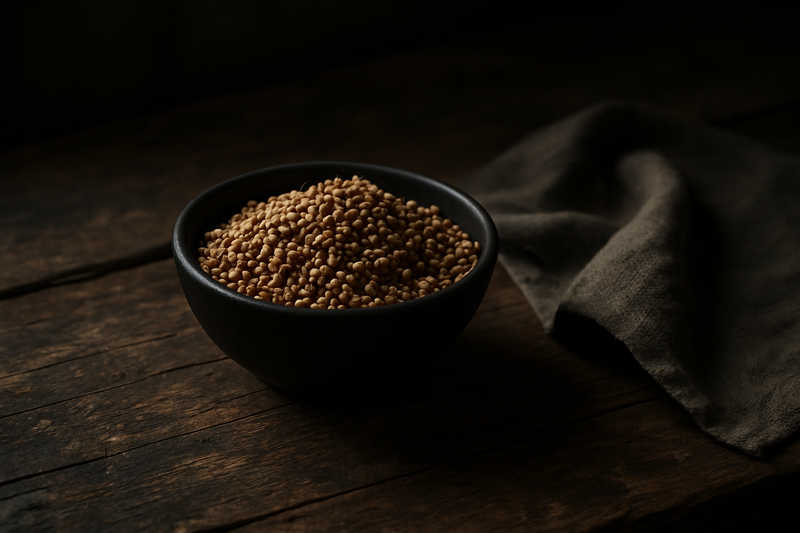
Buckwheat Groats · Photograph
Discover the buckwheat groats health benefits backed by research — from heart and blood sugar support to gluten-free nutrition. Learn nutrition facts, how to cook porridge or toasted kasha, safe daily amounts, and who should take caution.
Key Nutrients
% Daily Value based on 2,000 cal diet
Key active compounds in buckwheat groats
- Rutin — A flavonol glycoside (a type of plant polyphenol bonded to a sugar molecule) found in high concentrations in buckwheat, especially tartary buckwheat. Acts as an antioxidant and supports blood vessel integrity. Human trials link rutin-rich buckwheat foods to lower oxidative stress markers and modest reductions in inflammation.
- Quercetin and related flavonoids — Structurally related to rutin; contribute antioxidant and anti-inflammatory activity. Most evidence is from lab and animal studies, with emerging support from human trials.
- Fagopyritols (D-chiro-inositol–containing compounds) — Unique to buckwheat. D-chiro-inositol is a type of sugar alcohol involved in how cells respond to insulin. Animal and in vitro (test-tube) data suggest fagopyritols may improve insulin signalling and glucose disposal; direct human evidence is still building.
- Phenolic acids and tannins — Found in the seed coat; contribute to total antioxidant capacity and may slow starch digestion, supporting a lower post-meal blood sugar rise.
- High-quality plant protein — Buckwheat contains all nine essential amino acids, with lysine levels higher than in most cereal grains — important for people who eat little or no animal protein.
Buying guide: what to look for
Optional module — chosen because buckwheat labelling is genuinely confusing for new buyers.
Raw groats vs. kasha: Bags are not always clearly labelled. Raw groats are pale; kasha is visibly darker and has a toasty smell. Check both colour and ingredient list — kasha should list "toasted" or "roasted" buckwheat.
Certified gluten-free: Buckwheat is naturally gluten-free, but it is often processed in facilities that also handle wheat, barley, or rye. If you have coeliac disease or serious gluten sensitivity, look for a certified gluten-free seal.
Common vs. tartary buckwheat: Most groats sold in Western supermarkets are common buckwheat (F. esculentum). Tartary buckwheat (F. tataricum) is less widely available but contains significantly more rutin. It's worth seeking out if you specifically want the higher-antioxidant variety, but common buckwheat delivers most of the studied benefits.
Whole groat vs. buckwheat flour vs. flakes: Whole groats are the least processed and deliver the most intact fiber and nutrients. Flour and flakes are more convenient for baking and quick porridges but have a slightly higher glycaemic impact. Both are still whole-food choices if the only ingredient listed is "buckwheat."
Storage tip: Buckwheat groats can go rancid more quickly than some grains because of their fat content. Buy in quantities you'll use within two to three months, or store in an airtight container in the freezer.
Prep and pairing ideas
Buckwheat porridge (raw groats): Rinse 1 cup raw groats, then simmer in 2 cups water or plant-based milk for 15–20 minutes until soft and creamy. Top with fresh or frozen berries (vitamin C boosts iron absorption from the buckwheat), a drizzle of nut butter for extra protein, and a pinch of cinnamon.
Kasha pilaf: Toast dry groats in a hot pan for 2–3 minutes, stirring constantly, until fragrant (or use pre-toasted kasha). Add 2 cups vegetable broth, bring to a boil, then simmer covered for 12–15 minutes. Fluff with a fork and stir in sautéed onion, mushrooms, and fresh herbs.
Cold buckwheat salad: Cook and cool groats, then toss with cucumber, cherry tomatoes, fresh parsley, lemon juice, and olive oil. Works well as a meal-prep grain base for the week.
Common pairings and why they work:
- Buckwheat + lentils — Together they cover all essential amino acids and combine two different fiber types, supporting longer satiety and gut microbiome diversity.
- Buckwheat + citrus or bell pepper — Vitamin C from these foods significantly increases absorption of the non-heme (plant-based) iron in buckwheat — a practical upgrade for plant-based eaters.
- Buckwheat + mushrooms and fresh herbs (in kasha pilaf) — Mushrooms add umami depth that complements kasha's nuttiness, and herbs such as dill or parsley provide additional polyphenols and flavour with no added sodium.
Bottom line
Buckwheat groats are one of the more nutritionally interesting gluten-free grain options available. They offer a relatively complete plant protein, a standout antioxidant compound (rutin), meaningful magnesium and manganese, and consistent — if modest — human trial evidence for improvements in cholesterol, blood glucose, and some inflammatory markers. As raw groats or toasted kasha, they are versatile, satisfying, and genuinely whole-food.
They are not a superfood cure-all. The effect sizes seen in clinical trials are small. But as an everyday replacement for refined grains in porridges, pilafs, and grain bowls, buckwheat groats earn their place in a whole-food, plant-based diet with solid evidence behind them — and an impressive culinary range to boot.
Looking to connect buckwheat to a specific health goal? Explore the Plantopedia goals hub to see how whole grains like buckwheat fit into broader dietary strategies.
How Buckwheat Groats Compares
| Compared with | What's different |
|---|---|
| Buckwheat Groats vs. Brown Rice | Nuttier, firmer texture with higher protein and more rutin antioxidants. |
| Buckwheat Groats vs. Steel-Cut Oats | Creamier when cooked with a milder flavor; buckwheat is a seed, not a grain. |
| Buckwheat Groats vs. Quinoa | Higher in fiber and contains unique D-chiro-inositol for blood sugar support. |
Health Benefits
Things to Know
Buckwheat allergy is uncommon but can be serious.: Documented cases include hives (urticaria), asthma, and anaphylaxis (a life-threatening allergic reaction). People with known atopy (a tendency toward allergic conditions like eczema, hay fever, or asthma) or known reactions to other seeds should introduce buckwheat cautiously — start with a very small amount and wait 30–60 minutes before eating more.
Coeliac disease / gluten sensitivity: Buckwheat itself contains no gluten, but cross-contamination in processing is common. Only eat certified gluten-free groats if this is a concern.
Diabetes medications (insulin, metformin, sulfonylureas): Buckwheat can modestly lower fasting glucose and improve insulin sensitivity. Eating larger daily amounts while taking glucose-lowering drugs could increase the risk of hypoglycaemia (low blood sugar). Monitor closely and consult your provider before making buckwheat a daily staple.
Lipid-lowering drugs (statins, fibrates): Buckwheat may augment the cholesterol-lowering effect of medications. Worth mentioning to your doctor if you're making a substantial dietary shift.
Blood pressure medications: The combination of a high-fiber, potassium-containing whole-grain diet (which buckwheat contributes to) can have small additive effects on blood pressure.
Anticoagulants and antiplatelets (warfarin, DOACs, aspirin, clopidogrel): Rutin and related flavonoids have antiplatelet effects in lab studies. At typical food intake levels this is unlikely to be clinically significant, but very high supplemental intakes of rutin-rich tartary buckwheat products deserve caution.
Pregnancy and breastfeeding: Regular food amounts of buckwheat groats are widely eaten during pregnancy and are not a known concern. High-dose tartary buckwheat concentrates or isolated rutin supplements lack sufficient human safety data for these groups — stick to food amounts.
Starting low-fiber: If your current diet is low in fiber, increase buckwheat portions gradually and drink plenty of water to minimise gas and bloating.
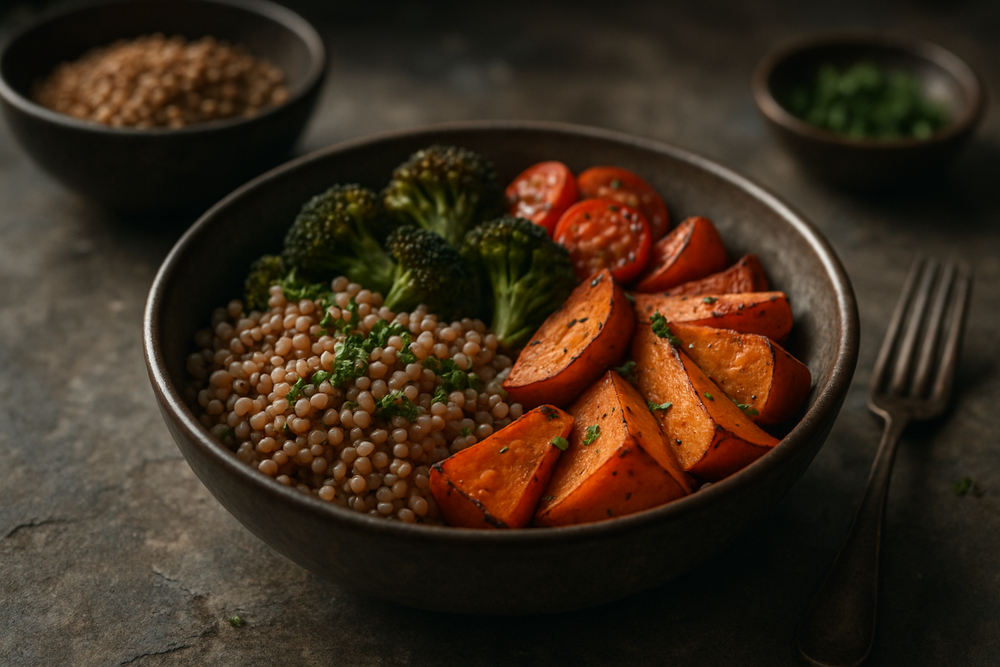
Prep Ideas
- — Buckwheat + lentils — Together they cover all essential amino acids and combine two different fiber types, supporting longer satiety and gut microbiome diversity.
- — Buckwheat + citrus or bell pepper — Vitamin C from these foods significantly increases absorption of the non-heme (plant-based) iron in buckwheat — a practical upgrade for plant-based eaters.
- — Buckwheat + mushrooms and fresh herbs (in kasha pilaf) — Mushrooms add umami depth that complements kasha's nuttiness, and herbs such as dill or parsley provide additional polyphenols and flavour with no added sodium.
Shop This Ingredient
Stock your pantry with quality buckwheat groats.
Buy on AmazonAs an Amazon Associate, Plantopedia earns from qualifying purchases. This costs you nothing extra and helps us keep the encyclopedia free.
Frequently Asked Questions
Research suggests several areas where regular buckwheat groat consumption may be beneficial. Keep in mind that most studies use buckwheat flours, porridges, or noodles rather than plain cooked groats — but groats are nutritionally equivalent when eaten as the main grain portion of a meal. Heart and circulation Multiple systematic reviews and meta-analyses of buckwheat intervention studies (two to twelve weeks) report modest reductions in total cholesterol (around 0.50 mmol/L on average) and triglycerides (around 0.25 mmol/L), with effects on LDL ("bad") and HDL ("good") cholesterol being smaller and less consistent. One randomised single-blind crossover trial found that replacing usual grain products with buckwheat-enriched foods for several weeks reduced total cholesterol by about 4.7%, LDL-cholesterol by about 8.5%, and triglycerides by about 15% from baseline — alongside drops in fasting glucose and insulin. A separate randomised trial in people with mild-to-moderate hypercholesterolaemia (elevated blood cholesterol) found that a buckwheat-enriched instant porridge improved lipid profiles and reduced inflammatory markers compared with a control porridge. Observational data from populations consuming roughly 100 g/day of buckwheat as a staple grain also link higher buckwheat intake with lower total and LDL cholesterol and a healthier HDL-to-total cholesterol ratio. Bottom line for heart health: Evidence is encouraging but effect sizes are modest. Buckwheat groats for heart health work best as part of a broader whole-food dietary pattern, not as a stand-alone fix. Digestive health and microbiome A cooked cup of buckwheat groats delivers about 4–5 g of dietary fiber, a meaningful step toward the 25–38 g recommended daily. Buckwheat contains both soluble and insoluble fibers, as well as resistant starch and slowly digestible carbohydrates — all of which serve as food (fermentable substrates) for the beneficial bacteria living in your colon, potentially increasing production of short-chain fatty acids that support gut-lining health. Randomised trials looking specifically at buckwheat's effect on constipation or gut microbiome composition in humans are limited, so digestive benefits are mainly inferred from its whole-grain and fiber profile. What is well established: replacing refined grains with intact groats slows digestion, supports satiety, and tends to produce a gentler rise in blood sugar after meals. If you're transitioning from a low-fiber diet, start with a small portion (½ cup cooked) and increase gradually — rapid increases in high-fiber foods often cause temporary gas or bloating. Blood sugar and metabolism A systematic review and meta-analysis reported that buckwheat-based foods led to a statistically significant reduction in fasting blood glucose compared with control diets (weighted mean difference of about −0.85 mmol/L). In one intervention trial, participants eating more than around 110 g/day of tartary buckwheat for four weeks showed lower fasting insulin and improved insulin resistance indices compared with controls. A separate clinical study using buckwheat-flour–enriched chapati and other products in people with dysglycaemia (blood sugar that is higher than normal but not yet at diabetes levels) reported significant improvements in HbA1c (a three-month average blood sugar marker) and lipids in the buckwheat-chapati group. These results suggest that buckwheat groats for blood sugar management are a sensible choice when substituted for refined carbohydrates — but buckwheat should not replace prescribed diabetes treatments. Inflammation and recovery Small human trials show promising signals. A randomised controlled trial found that buckwheat-enriched instant porridge reduced inflammatory markers alongside improving lipid profiles. A crossover trial among female participants found that daily tartary buckwheat cookies reduced circulating myeloperoxidase (an enzyme released by white blood cells during inflammation and oxidative stress) compared with common buckwheat cookies. A twelve-week double-blind trial providing 500 mg/day of rutin from tartary buckwheat products also reduced TBARS (thiobarbituric acid-reactive substances — a marker of damage caused by unstable molecules called free radicals) and modestly improved body composition. These effects are attributed mainly to rutin and related flavonoids. Sample sizes in these trials are small, and the markers measured are intermediate steps rather than hard clinical events (like a heart attack), so interpret the inflammation findings with appropriate caution. Hormones and cycle health Human clinical work directly linking buckwheat consumption to changes in sex hormones, thyroid function, or cortisol is very limited. What some studies do show is improved fasting insulin and insulin resistance when tartary buckwheat replaces refined grains — relevant because chronically high insulin is associated with hormonal disruptions such as polycystic ovary syndrome (PCOS). The fagopyritol compounds unique to buckwheat are thought to enhance insulin receptor signalling, and animal data show that rutin-rich buckwheat increases GLP-1 (a gut hormone that stimulates insulin release and reduces appetite) in diabetic mice. These are mechanistic possibilities, not established clinical effects in humans. Until larger trials are done, hormone-related benefits of buckwheat should be considered preliminary.
Both forms are nutritionally very similar. The main differences are culinary. Raw buckwheat groats are ivory-coloured with a mild, slightly earthy flavour. They absorb liquid readily, making them ideal for creamy porridges, overnight soaks, and grain salads. Soaking for four to eight hours before cooking shortens cook time and may slightly improve digestibility. Kasha (toasted buckwheat groats) are pre-roasted, producing a deeper golden colour and a distinctly nutty, more robust flavour. They hold their shape better during cooking, making them ideal for pilafs, stuffings, soups, and side dishes. The toasting process causes minor changes in moisture content and flavour compounds but does not significantly alter fiber, mineral, or protein content. From a health standpoint, choose the form you will actually eat regularly. If you love warm, comforting porridges, go raw. If you prefer a savoury side dish with some texture, go kasha. A note on buckwheat flour, noodles, and commercial porridges: most of the human trial data come from these processed forms rather than plain cooked groats. They are still wholesome choices — just watch for added sodium or sugar in commercial products.
Most human trials used roughly 40–110 g per day of buckwheat-based foods, delivered as the main grain at one or more meals over two to twelve weeks. Observational data associating buckwheat intake with better cholesterol profiles often involve around 100 g/day as a staple grain. For practical everyday use, 60–150 g cooked buckwheat groats per meal (about ½ to 1 cup cooked) is a sensible starting range. This aligns with whole-grain intake recommendations and delivers a meaningful fiber contribution without overshooting typical calorie needs. If you're new to high-fiber grains, start with ½ cup cooked (about 85 g) once a day, and build up over one to two weeks as your digestive system adjusts. There is no established upper limit for buckwheat as a food. People on diabetes or lipid-lowering medications should check in with their healthcare provider before making it a large daily staple, given its modest glucose- and cholesterol-lowering potential.
Quick Answers
Common questions, answered in a line.
Buckwheat is naturally gluten-free, but it is often processed in facilities that also handle wheat, barley, or rye. If you have coeliac disease or serious gluten sensitivity, you should only consume products that carry a certified gluten-free seal.
Buckwheat contains rutin and fagopyritols, which are compounds that may support blood vessel integrity and improve how cells respond to insulin. Human trials and animal data suggest these components can help lower oxidative stress and improve glucose disposal.
Buckwheat is a high-quality plant protein source containing all nine essential amino acids. It is particularly noted for having higher levels of lysine than most cereal grains, making it a valuable staple for those who eat little or no animal protein.
Pairing buckwheat with vitamin C sources like citrus, bell peppers, or berries significantly increases the absorption of its non-heme (plant-based) iron. Additionally, combining buckwheat with lentils provides a complete amino acid profile and diverse fiber types.
To cook raw groats, rinse 1 cup of buckwheat and simmer it in 2 cups of water or plant-based milk for 15–20 minutes until creamy. For a savory pilaf, toast the groats in a pan first to enhance their nutty flavor before simmering in broth for 12–15 minutes.
Buckwheat may modestly lower fasting glucose and improve insulin sensitivity, which could increase the risk of hypoglycemia if you take insulin or metformin. You should monitor your levels closely and consult a healthcare provider before making it a daily staple.
Raw groats are pale in color, whereas kasha is visibly darker with a distinct toasty smell because it has been roasted. When shopping, check the ingredient list to see if the buckwheat is labeled as "toasted" or "roasted" to distinguish between the two.
Because of their fat content, buckwheat groats can go rancid more quickly than other grains. You should buy them in quantities you can use within two to three months or store them in an airtight container in the freezer for longevity.
For Readers in the USA
Local context — sourcing, seasonality, and regional notes.
You can find buckwheat groats at major U.S. retailers like Whole Foods Market, Kroger, and Sprouts, or in the "Bob's Red Mill" section of most regional supermarkets. Specialty Eastern European markets often stock "kasha" in bulk bags, which is typically more affordable than the pre-packaged boxes found in mainstream aisles.
In the United States, common buckwheat is primarily grown in northern states like North Dakota, Minnesota, and Washington, with harvests typically occurring in late summer and early fall. While the peak harvest is in September and October, dried groats are shelf-stable and available year-round at grocery stores nationwide.
For a product to be labeled "Organic Buckwheat" in the US, it must meet USDA National Organic Program standards, which prohibit the use of synthetic fertilizers and most synthetic pesticides. Additionally, because buckwheat is gluten-free, look for the "Certified Gluten-Free" seal from organizations like GFCO to ensure no cross-contamination occurred during US processing.
Buckwheat is a staple in American health-food culture as a gluten-free flour alternative for pancakes and as "kasha" in traditional Ashkenazi Jewish cuisine, such as Kasha Varnishkes. While often treated like a grain in US kitchens, it is actually a pseudo-cereal related to rhubarb, making it a popular choice for those following Paleo or grain-free diets.
AI Clinical Review
- Clearly explains that buckwheat is a gluten‑free pseudocereal with a relatively complete amino acid profile (notably higher in lysine than most grains), which is accurate and useful for plant‑forward eaters.
- Summarizes human research appropriately: trials and meta‑analyses show modest improvements in total cholesterol, triglycerides, and fasting glucose when buckwheat foods replace refined grains; effect sizes are small and time frames short.
- Highlights rutin and related flavonoids (plant polyphenols) as key compounds with antioxidant/anti‑inflammatory activity, reflecting current evidence from small human trials.
- Provides practical nutrition context (fiber, magnesium, manganese) and sensible cooking guidance; noting raw groats vs. toasted kasha as mainly a culinary difference is correct.
- Anti‑inflammatory and oxidative stress findings (e.g., changes in myeloperoxidase and TBARS—blood biomarkers of inflammation/oxidative damage) come from small, short studies; real‑world clinical impact remains uncertain.
- Hormone and cycle health claims are preliminary. Mechanisms (insulin sensitivity, D‑chiro‑inositol/fagopyritols, GLP‑1) are plausible but not yet confirmed in larger, longer human trials.
- Gut microbiome and constipation benefits are largely inferred from fiber content; few controlled human studies directly test buckwheat groats for these outcomes.
- Many interventions used flours, noodles, or enriched products rather than intact groats, so translating dose and effects to everyday groat portions requires caution.
- Allergy is uncommon but can be severe (including anaphylaxis). Those with a history of food allergies, asthma, or eczema should introduce buckwheat cautiously and seek care for any reaction.
- For coeliac disease or strict gluten sensitivity, choose certified gluten‑free products to avoid cross‑contamination during processing.
- If you use glucose‑lowering medicines (insulin, metformin, sulfonylureas), monitor for low blood sugar when increasing buckwheat intake; discuss changes with your clinician. Similar “additive” effects may occur alongside lipid‑lowering drugs.
- Flavonoids like rutin have laboratory antiplatelet activity; typical food amounts are unlikely to matter, but those on anticoagulants/antiplatelets or who are pregnant/breastfeeding should stick to food‑level intakes and avoid high‑dose concentrates. A practical food range is about ½–1 cup cooked groats per meal, increasing gradually if your diet is currently low in fiber.
Naturally gluten-free; rare buckwheat allergy exists, so introduce cautiously.
References
- USDA FoodData Central — Buckwheat groats (cooked), FDC ID 170686 (fdc.nal.usda.gov) — primary nutrition data source
- MyPlate whole-grain guidance (myplate.gov) — dietary context for grain servings
- Systematic review and meta-analysis: buckwheat and CVD risk markers (pmc.ncbi.nlm.nih.gov) — pooled evidence on cholesterol and blood glucose
- MDPI review: buckwheat, rutin, and cardiometabolic health (2022) (mdpi.com) — comprehensive review of human and mechanistic evidence
- Randomised crossover trial: buckwheat products and cardiovascular risk profile (longdom.org) — human trial, lipid and glucose outcomes
- Randomised trial: tartary buckwheat intake, insulin resistance and lipids (sciencedirect.com) — human trial, glycaemic and lipid markers
- Randomised trial: buckwheat-enriched instant porridge and hypercholesterolaemia (academia.edu) — lipid and inflammation outcomes
- Randomised double-blind trial: rutin-rich tartary buckwheat and body composition (naturalhealthresearch.org) — oxidative stress and body composition
- WebMD monograph: Buckwheat — uses, side effects, and more (webmd.com) — safety, allergy, and general-use summary
- Tohoku Journal of Experimental Medicine: buckwheat cookies, rutin, and myeloperoxidase (jstage.jst.go.jp) — human crossover trial, inflammatory markers
Know Your Numbers
Eating healthy is a start. Now get to know your biomarkers.
Food changes bloodwork — inflammation, lipids, blood sugar and nutrient status all respond to what you eat. 59 markers from $59.
- Results in 7–10 days at 2,000+ Quest sites
- Licensed provider reviews every result
- One flat price, no membership, HSA/FSA eligible
Educational information only, not medical advice. Panels are ordered and reviewed through our licensed partner; Plantopedia may earn a commission.