Red Quinoa — health benefits and uses
Revered by the Inca as chisaya mama, the mother of all grains.
The Short Answer
Red quinoa is a complete plant protein providing 8 grams of protein and 5 grams of fiber per cooked cup. It contains more antioxidant polyphenols than white quinoa and maintains a firmer, chewier texture after cooking.

Red Quinoa · Photograph
Discover red quinoa health benefits and nutrition facts, including complete protein, fiber, and heart-supporting minerals. Learn how it differs from white quinoa, how to cook it for salads, and what the research actually says.
Key Nutrients
% Daily Value based on 2,000 cal diet
Key active compounds in red quinoa
- Polyphenols — A broad family of plant compounds with antioxidant activity. Red quinoa's color signals a higher polyphenol concentration than white quinoa; these compounds may help reduce oxidative stress (cell damage caused by unstable molecules called free radicals).
- Flavonoids — A sub-group of polyphenols that contribute to pigment and may support anti-inflammatory pathways in early lab and animal research.
- Saponins — Bitter, soap-like surface compounds naturally present on quinoa seeds. They have shown cholesterol-modifying effects in lab models, but they can irritate the digestive tract if seeds are not rinsed. Rinsing removes the vast majority.
- Bioactive peptides — Short protein fragments released when quinoa is digested. Early research links them to antihypertensive (blood-pressure-lowering) and antioxidant effects, though most evidence is from cell cultures and animals, not human trials.
- Pigment-associated antioxidants — The compounds behind the red color. Comparative analyses show these raise red quinoa's antioxidant capacity above that of white quinoa, though which specific molecules are responsible is still being identified.
Prep and pairing ideas
Basic stovetop method for salads Use a 1:2 ratio (1 cup dry red quinoa to 2 cups water or broth). Rinse, combine with liquid, bring to a boil, reduce heat to a low simmer, cover, and cook for 15–18 minutes until the liquid is absorbed. Spread cooked quinoa on a baking sheet for 5 minutes to steam off excess moisture — this step is the secret to grains that stay distinct when refrigerated overnight.
Common pairings
- Roasted sweet potato + red quinoa + tahini-lemon dressing. Sweet potato's natural sweetness balances red quinoa's earthiness; vitamin C in lemon juice boosts iron absorption from both foods; tahini adds additional plant protein and healthy fats.
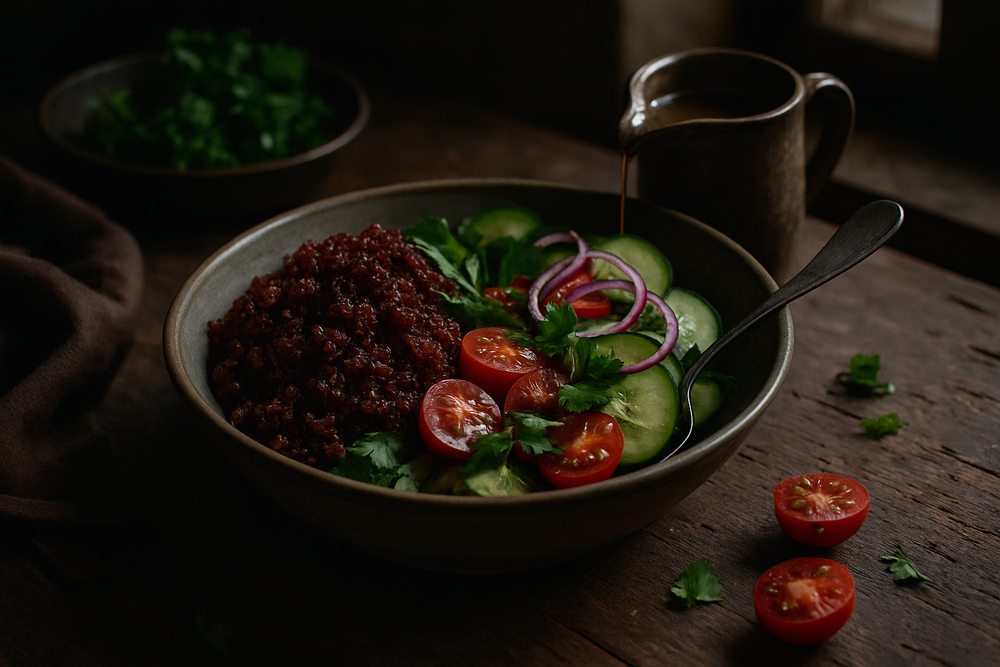
- Chickpeas + red quinoa + cucumber + fresh herbs. A classic tabbouleh-inspired bowl. Chickpeas amplify the protein further; cucumber adds hydration and crunch; parsley delivers vitamin K and additional polyphenols.
- Roasted beets + red quinoa + walnuts + balsamic. Beets share red quinoa's earthy pigment story and add folate and nitrates (compounds linked to blood flow); walnuts provide omega-3 fats; balsamic vinegar brings polyphenols from grapes.
Bottom line
Red quinoa earns its reputation as one of the most nutritionally complete plant foods available. It is a complete protein, a meaningful fiber source, and a standout supplier of manganese, magnesium, and phosphorus — all in a naturally gluten-free package. Its firm texture makes it the practical choice for cold salads and meal-prep containers.
The clinical evidence, while not specific to the red variety, is more substantial than for many "superfood" ingredients: a year-long human trial shows real improvements in blood sugar, blood lipids, and blood pressure when quinoa replaces refined grains daily. Its higher antioxidant content compared with white quinoa is a promising differentiator, but direct human outcomes from red quinoa specifically need more research.
The bottom line for most people: rinse it, cook it, eat it regularly as your main grain, and the research suggests your heart, gut, and blood sugar may all benefit.
Looking to build meals around ingredients with strong evidence? Explore Plantopedia's goals-based guides to find patterns that match your health focus.
How Red Quinoa Compares
| Compared with | What's different |
|---|---|
| Red Quinoa vs. White Quinoa | Softer, fluffier texture that bleeds less color and cooks 3-5 minutes faster than red varieties. |
| Red Quinoa vs. Black Quinoa | Chewier texture and earthier flavor with higher antioxidant concentrations in the seed coat. |
| Red Quinoa vs. Couscous | A cereal grain with a softer, porridge-like consistency and lower protein content per cup. |
Health Benefits
Things to Know
Rinse thoroughly.: Always wash red quinoa before cooking to remove bitter saponins. Even "pre-washed" commercial quinoa benefits from a quick rinse.
Celiac disease and gluten sensitivity.: Red quinoa is naturally gluten-free, but cross-contamination during milling or packaging is possible. Look for a certified gluten-free label if you have celiac disease.
Fiber transition.: Adding large amounts of high-fiber quinoa quickly can cause temporary bloating, gas, or loose stools. Start with half a cup cooked and increase gradually over one to two weeks. Drink adequate water.
Kidney disease.: Red quinoa contains moderate amounts of potassium and phosphorus. If you manage advanced chronic kidney disease with dietary restrictions on these minerals, discuss portion sizes with your dietitian.
Blood sugar medications.: Daily quinoa consumption has been shown to improve glucose tolerance and lower HbA1c. If you take insulin or oral diabetes medications, tell your doctor if you are making quinoa a regular staple — dose adjustments may be warranted.
Blood pressure medications.: The same human trial showed modest reductions in blood pressure with daily quinoa intake. Monitor for dizziness or low blood pressure symptoms if you already take antihypertensives.
Medication timing.: Quinoa's fiber content can, in principle, slow absorption of certain medications (such as some thyroid drugs, bisphosphonates, or certain antibiotics) if taken at exactly the same time. A general precaution is to take time-sensitive medications 1–2 hours before or after a high-fiber meal.
Rare allergy.: Quinoa protein allergies have been reported, though they are uncommon. If you experience hives, swelling, or digestive distress after eating quinoa, discontinue and consult an allergist.
Pregnancy.: Quinoa is a nutritious source of folate, iron, and protein relevant to pregnancy. No safety concerns are documented at normal food amounts. Always discuss significant dietary shifts with your obstetric care team.
Prep Ideas
- — Roasted sweet potato + red quinoa + tahini-lemon dressing. Sweet potato's natural sweetness balances red quinoa's earthiness; vitamin C in lemon juice boosts iron absorption from both foods; tahini adds additional plant protein and healthy fats.
- — Chickpeas + red quinoa + cucumber + fresh herbs. A classic tabbouleh-inspired bowl. Chickpeas amplify the protein further; cucumber adds hydration and crunch; parsley delivers vitamin K and additional polyphenols.
- — Roasted beets + red quinoa + walnuts + balsamic. Beets share red quinoa's earthy pigment story and add folate and nitrates (compounds linked to blood flow); walnuts provide omega-3 fats; balsamic vinegar brings polyphenols from grapes.
Glossary
Shop This Ingredient
Stock your pantry with quality red quinoa.
Buy on AmazonAs an Amazon Associate, Plantopedia earns from qualifying purchases. This costs you nothing extra and helps us keep the encyclopedia free.
Frequently Asked Questions
Heart and circulation A year-long randomized trial in adults with impaired glucose tolerance found that replacing 100 g of refined rice or wheat daily with the same amount of quinoa produced significant improvements in total cholesterol, LDL cholesterol (often called "bad" cholesterol), and both systolic and diastolic blood pressure. A separate crossover trial in older adults who ate quinoa-based biscuits daily also recorded modest reductions in body weight, BMI (body mass index, a weight-to-height ratio), and circulating cholesterol. These are encouraging signals for red quinoa benefits for heart health, but most studies used quinoa in general rather than the red variety specifically. The evidence supports quinoa as a heart-friendly grain replacement — especially over refined grains — rather than a stand-alone treatment. Digestive health and microbiome One cup of cooked red quinoa supplies about 5 g of dietary fiber, contributing meaningfully to the 25–38 g per day recommended for adults. Fiber adds bulk to stools, supports bowel regularity, and feeds beneficial gut bacteria (the microbiome). Laboratory and animal research suggests quinoa polysaccharides (complex carbohydrate chains) may actively modulate gut bacteria composition, but human trials specifically measuring microbiome outcomes are limited. For red quinoa for weight loss and digestion, fiber is the key mechanism: it slows gastric emptying, extends the feeling of fullness, and may help reduce overall calorie intake. Gradual increases in fiber intake — rather than jumping straight to large daily portions — are advisable to minimize temporary bloating. Blood sugar and metabolism The same year-long trial noted above is the strongest human evidence here: participants who swapped refined grains for quinoa daily showed significantly lower two-hour post-meal blood glucose, HbA1c (a three-month average blood sugar marker), and insulin resistance index compared with the control group. This makes red quinoa benefits for blood sugar control one of the better-supported claims in the literature. The mechanism likely involves the combined effect of fiber, protein, and a lower glycemic impact (how fast a food raises blood sugar) compared with refined grains — but it is worth noting that quinoa still contains carbohydrates, so portion size matters. Inflammation and recovery Human data on quinoa's direct effect on inflammatory biomarkers (measurable proteins in blood that signal inflammation) is limited. Existing trials mostly measured cardiometabolic markers rather than inflammation directly. Cell and animal studies describe anti-inflammatory activity from quinoa's bioactive peptides, polyphenols, and the absence of gluten — which provokes an intestinal inflammatory response in people with celiac disease. This area is promising but still early-stage for human evidence. Hormones and metabolic signaling The year-long glucose trial recorded improvements in the insulin resistance index, which reflects how efficiently the body uses insulin. That is an indirect but meaningful metabolic hormone signal. Studies have not yet measured other hormonal markers (such as sex hormones or thyroid hormones) in relation to quinoa intake, so no claims in this area are well-supported by human data.
For most everyday cooking purposes, all three quinoa colors — white, red, and black — are nutritionally similar. The practical differences matter more than the nutritional ones: White quinoa cooks slightly faster, has a milder flavor, and becomes fluffier. Best for hot side dishes or porridge-style preparations. Red quinoa has a firmer bite, an earthier and slightly nuttier taste, and resists mushiness after cooking and refrigeration. This is the top choice for how to cook red quinoa for salads and cold grain bowls. Black quinoa is the firmest and most intensely flavored of the three; it can take slightly longer to cook. For functional compounds, comparative analyses suggest red quinoa edges out white on total antioxidant content, likely due to its pigment-associated phenolics. The gap is real but modest, and both colors are nutritionally excellent choices. Rinsing is non-negotiable regardless of color. Run the dry grains under cold water in a fine-mesh sieve for 30–60 seconds until the water runs clear. This strips surface saponins that cause bitterness and can irritate the gut lining.
Active plant-based eaters building complete meals Provides all nine essential amino acids in one ingredient, removing the need to combine multiple protein sources at every meal. The 8 g of protein per cooked cup supports muscle repair and satiety. High manganese and magnesium contribute to energy metabolism and post-exercise recovery. People managing blood sugar or heart risk with diet Replaces refined grains in meals without sacrificing satisfaction, potentially improving post-meal glucose response. Fiber and protein slow digestion, blunting sharp blood sugar spikes. Human trial data link daily quinoa consumption to modest improvements in LDL cholesterol and blood pressure over time.
Typical culinary serving: ½ to 1 cup cooked (roughly 90–185 g), providing 4–8 g of protein and 3–5 g of fiber. This fits comfortably within a balanced plate as a grain component. In clinical research: The most robust human trial used a daily intake of 100 g of quinoa (as a like-for-like replacement for refined rice or wheat staples) over one year and recorded improvements in blood glucose, HbA1c, cholesterol, and blood pressure. This is a meaningful intake — roughly half a cup dry — incorporated as the main grain in meals. Practical guidance: If quinoa is new to you, start with ½ cup cooked (about 90 g) two to three times per week. Gradually increase toward a daily serving if your digestion tolerates it well. Quinoa counts toward the whole-grain target recommended by MyPlate and similar dietary guidelines (at least half your daily grains from whole sources). More is not automatically better. A varied grain rotation (red quinoa, oats, barley, farro, etc.) provides a broader range of fiber types and phytochemicals than any single grain alone. There is no established upper safe limit for dietary quinoa, but the fiber content is a practical natural regulator for most people.
Quick Answers
Common questions, answered in a line.
Red quinoa contains polyphenols, flavonoids, saponins, bioactive peptides, and pigment-associated antioxidants. These compounds are linked to antioxidant activity, anti-inflammatory pathways, and cholesterol-modifying effects in laboratory and animal research.
To prevent mushy red quinoa, spread the cooked grains on a baking sheet for five minutes after simmering to steam off excess moisture. This secret step ensures the grains stay distinct and firm, making them ideal for refrigerated salads or meal prep.
You should rinse red quinoa before cooking to remove saponins, which are bitter, soap-like surface compounds. While these compounds may have cholesterol-modifying effects in labs, they can irritate the digestive tract if the seeds are not washed thoroughly.
Red quinoa is a nutritionally complete plant food that provides a complete protein, fiber, manganese, magnesium, and phosphorus. It also contains pigment-associated antioxidants that offer higher antioxidant capacity than white quinoa varieties.
Red quinoa is naturally gluten-free, but individuals with celiac disease should look for a certified gluten-free label to avoid potential cross-contamination. This ensures the product remained untainted during the milling or packaging process.
Daily quinoa consumption has been shown to improve glucose tolerance and lower HbA1c in human trials. Because of these effects, people taking insulin or oral diabetes medications should consult their doctor when making quinoa a dietary staple.
If you take time-sensitive medications like thyroid drugs or antibiotics, you should generally wait one to two hours before or after eating a high-fiber meal like red quinoa. The fiber content in the grain can potentially slow the absorption of certain medications.
For Readers in the USA
Local context — sourcing, seasonality, and regional notes.
In the U.S., you can find red quinoa at major grocery chains like Whole Foods, Trader Joe’s, Kroger, and Walmart, typically in the rice and grain aisle or the bulk foods section. Many stores offer it under their private labels or as part of organic brands like Bob's Red Mill and Ancient Harvest.
While most red quinoa in the U.S. is imported from the Andean region, some farmers in the Pacific Northwest and the Rocky Mountains are successfully growing it domestically during the cool summer months. Domestic production is increasing to meet demand for locally sourced ancient grains, though South American imports remain the primary source.
Look for the USDA Organic seal on red quinoa packaging to ensure it was produced without synthetic fertilizers or pesticides and is non-GMO. Because quinoa is an imported crop, the USDA Organic certification provides a standardized way for American consumers to verify that international farming practices meet U.S. organic standards.
AI Clinical Review
- Accurately describes red quinoa as a gluten-free pseudocereal that provides complete protein plus meaningful fiber, magnesium, manganese, phosphorus, and non‑heme iron.
- Clearly explains the practical cooking advantage: red quinoa’s firmer texture holds up in cold salads and meal‑prep.
- Summarizes human research appropriately: when quinoa replaces refined grains, trials show improvements in post‑meal glucose, HbA1c, LDL cholesterol, and blood pressure.
- Emphasizes rinsing to remove saponins, which can otherwise cause bitterness and GI irritation.
- Offers sensible serving ranges and notes that pairing with vitamin C can improve plant‑based iron absorption.
- Most clinical data evaluate “quinoa” broadly; head‑to‑head human outcomes comparing red vs. white/black quinoa are limited. The antioxidant edge for red is compositional and not yet tied to distinct clinical benefits.
- Microbiome, anti‑inflammatory, and bioactive‑peptide effects are supported mainly by lab or animal studies; human trials with these endpoints are few and small.
- Weight‑related benefits appear modest and depend on overall diet quality and portions; quinoa is better viewed as a healthier grain swap than a stand‑alone weight‑loss tool.
- Beyond insulin sensitivity, effects on other hormone systems (e.g., thyroid or sex hormones) have not been tested in robust human studies.
- Typical serving: ½–1 cup cooked. Research showing benefits often used about 1 cup cooked daily as a refined‑grain replacement. It still contributes carbohydrates, so portions matter for those managing blood sugar.
- Celiac disease: quinoa is naturally gluten‑free but cross‑contact can occur—choose certified gluten‑free products and prepare away from wheat, barley, or rye. Always rinse to reduce saponins.
- Medication/condition cautions: high‑fiber meals can affect absorption of certain drugs (e.g., some thyroid meds, bisphosphonates, select antibiotics). Those on diabetes or blood‑pressure medications should monitor for lower readings as intake becomes regular.
- Chronic kidney disease: quinoa contains moderate potassium and phosphorus; discuss portions with your renal dietitian or clinician.
Rinse to remove bitter saponins; naturally gluten-free.
References
- USDA FoodData Central — quinoa nutritional data (fdc.nal.usda.gov)
- MyPlate.gov — Grains Group guidance (myplate.gov)
- Harvard T.H. Chan School of Public Health — Quinoa overview (nutritionsource.hsph.harvard.edu)
- Comparative analysis of white, red, and black quinoa (antioxidant and bioactive profiles) — PubMed (pubmed.ncbi.nlm.nih.gov)
- Harnessing the potential of quinoa: nutritional profiling, bioactive compounds, and health benefits — PMC review (pmc.ncbi.nlm.nih.gov)
- Glucolipid metabolism improvement in impaired glucose tolerance subjects consuming quinoa daily — randomized parallel clinical trial, Frontiers in Physiology (frontiersin.org)
- Modest improvement in CVD risk markers in older adults following quinoa consumption — randomized crossover trial, PubMed (pubmed.ncbi.nlm.nih.gov)
- Physiological effects associated with quinoa consumption: a review — PubMed (pubmed.ncbi.nlm.nih.gov)
- Functional ingredients of quinoa and physiological effects: a review — Food Frontiers (onlinelibrary.wiley.com)
- Healthline — Red quinoa nutrition, benefits, and how to cook it (healthline.com)
Know Your Numbers
Eating healthy is a start. Now get to know your biomarkers.
Food changes bloodwork — inflammation, lipids, blood sugar and nutrient status all respond to what you eat. 59 markers from $59.
- Results in 7–10 days at 2,000+ Quest sites
- Licensed provider reviews every result
- One flat price, no membership, HSA/FSA eligible
Educational information only, not medical advice. Panels are ordered and reviewed through our licensed partner; Plantopedia may earn a commission.