Buckwheat Flour — health benefits and uses
Traditional in French Breton galettes and Japanese soba making.
The Short Answer
Buckwheat flour is a nutrient-dense, gluten-free flour made from ground buckwheat groats, providing 12.6g of protein and 10g of fiber per cup. It is prized for its earthy flavor in soba noodles and pancakes and contains rutin, an antioxidant that supports
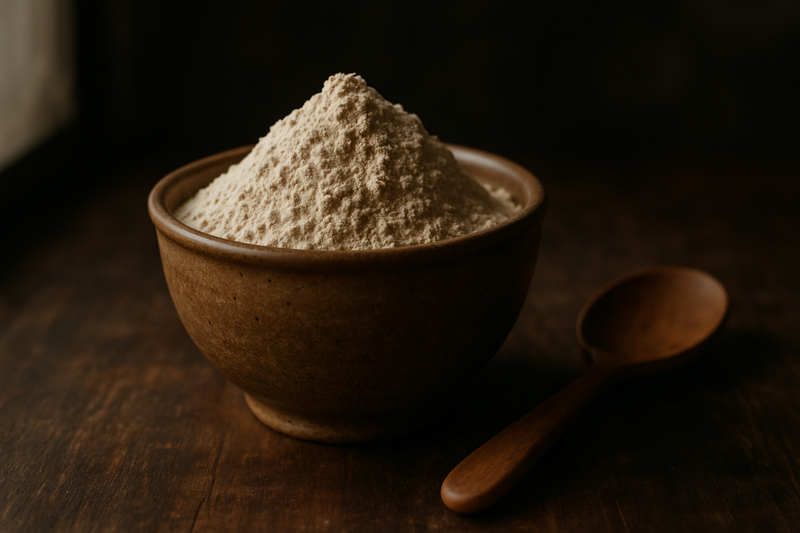
Buckwheat Flour · Photograph
Discover the buckwheat flour health benefits backed by research — from blood sugar support and heart health to high fiber and complete plant protein. Learn buckwheat flour nutrition facts, how much to use daily, and whether it's safe for celiac disease.
Key Nutrients
% Daily Value based on 2,000 cal diet
Key active compounds in buckwheat flour
- Rutin — A flavonoid (quercetin-3-rutinoside) found in high concentrations in buckwheat seeds and husks. Acts as an antioxidant and may strengthen capillary walls, support circulation, and modulate inflammation. Most clinical data use concentrated rutin extracts; flour amounts are lower.
- Quercetin — A polyphenolic flavonol also present in onions and apples. Has antioxidant and anti-inflammatory effects in cell and animal studies; flour-specific human data are limited.
- D-chiro-inositol — An inositol isomer (a type of sugar alcohol involved in cell signaling) found in buckwheat. Proposed to improve insulin sensitivity; evidence largely comes from isolated compound research, not flour itself.
- Resistant starch and fermentable fibers — Starch and fiber fractions that pass through the small intestine undigested, then ferment in the colon, potentially feeding beneficial gut bacteria and blunting post-meal blood sugar spikes.
- Other phenolic acids — Additional polyphenols that contribute to buckwheat's total antioxidant capacity, primarily demonstrated in cell and animal models.
Prep and pairing ideas
Buckwheat flour shines in recipes where its earthy flavor is an asset, not a liability. A few practical starting points:
Buckwheat pancakes or galettes: Replace 50–100% of the flour in a standard pancake recipe with whole-groat buckwheat flour. For authentic Breton galettes (savory buckwheat crepes), 100% buckwheat flour is traditional. The batter may need slightly more liquid than all-purpose flour batter.
Soba-style noodles: Traditional soba is 40–80% buckwheat flour, with the remainder being wheat. For a gluten-free version, use buckwheat flour alone with a binding agent. Soba noodles cook in 4–6 minutes and pair well with miso broth, sesame oil, and scallions.
Baked goods: Start by substituting 25–30% of all-purpose flour with buckwheat flour in muffins, cookies, or quick breads. This keeps texture manageable while adding fiber and minerals.
Buying guide
Whole-groat vs. light buckwheat flour: Whole-groat is darker, earthier, and more nutritious. Light buckwheat is milder and easier to blend into delicate baked goods. For health purposes, whole-groat is the better choice.
Certified gluten-free label: Essential if you have celiac disease or non-celiac gluten sensitivity. Look for a certification logo from a recognized body (e.g., GFFS, NSF, or country-specific equivalents) rather than just the words "gluten-free" on packaging.
Check the ingredient list: Single-ingredient buckwheat flour is best. Some "buckwheat flour" blends contain wheat flour or additives — read the label.
Fresh vs. stored: Buckwheat flour contains natural oils that can go rancid. Store in an airtight container in the refrigerator or freezer and use within 3–6 months of opening. Smell it before use — rancid buckwheat flour has a noticeably bitter, paint-like odor.
Soba noodles: Traditional soba contains both buckwheat and wheat. For gluten-free soba, look for 100% buckwheat soba with a certified gluten-free label — they exist but are less common.
Bottom line
Buckwheat flour is one of the more nutritionally compelling flour alternatives available — high in fiber, rich in minerals like magnesium and manganese, a near-complete plant protein, and loaded with antioxidant flavonoids including rutin that most grain flours lack. Human trials provide modest but meaningful support for its role in improving post-meal blood sugar and cholesterol, particularly when it replaces refined grains in an everyday diet.
It is not a cure or a treatment for any condition, and most of its more exciting potential benefits — anti-inflammatory action, gut microbiome improvements, hormonal support — are still being established in human research. But as a whole-food, gluten-free flour that makes genuinely delicious pancakes, galettes, and noodles, buckwheat flour earns its place in a health-conscious kitchen.
If you are interested in building meals around ingredients with this level of nutritional density, explore the Plantopedia goals guide for practical food-first frameworks.
How Buckwheat Flour Compares
| Compared with | What's different |
|---|---|
| Buckwheat Flour vs. Whole Wheat Flour | Buckwheat is a gluten-free seed (pseudocereal) with more fiber and a bold, nutty flavor. |
| Buckwheat Flour vs. Rice Flour | Buckwheat has a darker color, earthier taste, and higher protein content than white rice flour. |
Health Benefits
Things to Know
Buckwheat allergy is rare but can be serious.: It is more common in Japan, Korea, and parts of Europe where buckwheat is a dietary staple. Reactions can range from hives to anaphylaxis (a severe, potentially life-threatening allergic reaction). If you have a history of food allergies or atopic (allergy-prone) conditions, introduce buckwheat cautiously.
Celiac disease and gluten sensitivity: Use only certified gluten-free buckwheat flour to avoid cross-contamination with gluten-containing grains.
Diabetes medications: Buckwheat foods may modestly enhance blood sugar control, which could amplify the effect of insulin, metformin, sulfonylureas, or other glucose-lowering drugs and increase hypoglycemia risk. Monitor your blood sugar if you significantly increase buckwheat intake.
Antihypertensive medications: Rutin and related flavonoids may have mild vasodilatory (blood vessel–widening) effects. Large amounts of buckwheat or concentrated buckwheat supplements could theoretically interact with blood pressure medications; evidence at flour amounts is minimal.
Anticoagulants and antiplatelet drugs (e.g., warfarin, aspirin, clopidogrel): Rutin can influence platelet aggregation (clotting) in experimental settings. High-dose buckwheat extracts could theoretically alter bleeding risk, though this is not well established for culinary flour. Let your prescriber know if you use buckwheat regularly and take one of these drugs.
Pregnancy and breastfeeding: Normal culinary use is generally regarded as safe. High-dose buckwheat extract supplements have limited safety data in pregnancy; stick to food-form use.
Asthma and rhinitis: People with these conditions who use buckwheat-husk pillows or process buckwheat flour regularly may be at higher risk of sensitization and respiratory reactions.
High-fiber transition: Introducing any high-fiber flour quickly can cause gas, bloating, or loose stools. Start with a few tablespoons per day and build up.

Glossary
Shop This Ingredient
Stock your pantry with quality buckwheat flour.
Buy on AmazonAs an Amazon Associate, Plantopedia earns from qualifying purchases. This costs you nothing extra and helps us keep the encyclopedia free.
Frequently Asked Questions
Heart and circulation This is the area with the most human trial data, though effects are modest. A randomized crossover trial replaced participants' usual cereal products with buckwheat-enriched foods (bread, pasta, crackers) for 8 weeks and reported reductions in total cholesterol (–4.7%), LDL cholesterol (–8.5%), and triglycerides (–15%), alongside improvements in fasting glucose and insulin. A systematic review and meta-analysis of 13 randomized controlled trials similarly found buckwheat interventions associated with significant reductions in blood glucose, total cholesterol, and triglycerides compared with controls. A more recent meta-analysis offered a note of caution: overall reductions in cholesterol and glucose were modest and not always statistically significant across all studies, and most trials used buckwheat flour mixed with wheat flour rather than pure buckwheat alone, making it hard to isolate the effect. Research suggests buckwheat's heart-relevant mechanisms include its soluble fiber (which can bind bile acids and lower circulating cholesterol), its magnesium content (linked to blood pressure regulation), rutin (which may protect capillary walls and reduce oxidative stress on LDL cholesterol), and resistant starch (which blunts post-meal glucose and insulin spikes). These mechanisms are plausible but not fully confirmed at culinary flour doses in large long-term human cohorts. Digestive health and microbiome Whole-groat buckwheat flour provides about 10 g of dietary fiber per 100 g — a meaningful contribution toward the 25–38 g daily target most adults fall short of. This includes both insoluble fiber (which adds bulk and supports regular bowel movements) and some soluble and fermentable fiber fractions that feed beneficial bacteria in the colon. Animal and early mechanistic research suggests buckwheat's fermentable fibers and resistant starch may increase production of short-chain fatty acids — molecules that help nourish the gut lining and dampen inflammation — but direct human trials specifically measuring microbiome or bowel function outcomes with buckwheat flour are limited. Most digestive claims extrapolate from its fiber content and general whole-grain literature. If you are new to high-fiber foods, start with smaller amounts of buckwheat flour and increase gradually to minimize gas or bloating. Blood sugar and metabolism This is another area with meaningful human data. In several crossover trials, buckwheat-based breakfasts and breads lowered post-meal blood glucose responses compared with refined wheat. One pseudocereal breakfast study showed a significantly lower incremental area under the curve (IAUC) — a measure of how high and for how long blood sugar rises after a meal — in both healthy adults and people with type 2 diabetes (T2D). Another trial found significantly lower postprandial (after-meal) blood glucose at 30 and 45 minutes when bread was made with 50% buckwheat flour. A meta-analysis of nine clinical studies estimated that buckwheat-supplemented meals were associated with roughly a 0.85 mmol/L reduction in post-meal blood glucose compared with control meals. However, results were not consistent across all populations — in one trial, individuals with T2D did not see a significant benefit from 50% buckwheat bread — suggesting that product formulation and individual response both matter. The likely mechanisms include fiber slowing digestion, resistant starch reducing glucose absorption, and D-chiro-inositol supporting insulin signaling. These are plausible but mainly confirmed in cell and animal work. Inflammation and recovery Buckwheat's rutin and quercetin content give it a stronger antioxidant profile than most grain flours. In experimental settings, these compounds reduce markers of oxidative stress (cellular damage caused by unstable molecules called free radicals) and modulate inflammatory pathways. One buckwheat replacement diet trial in high-cardiovascular-risk adults noted reductions in markers of oxidative damage alongside the lipid and glucose improvements. That said, most evidence for anti-inflammatory benefits from buckwheat flour specifically — rather than isolated rutin or high-dose extracts — comes from cell culture and animal studies. Human trials tend to measure cardiometabolic outcomes rather than direct inflammatory cytokines (proteins that signal inflammation). Evidence here is emerging. Hormones and cycle health Buckwheat contains D-chiro-inositol, which is involved in insulin signaling and has been studied in polycystic ovary syndrome (PCOS) — a condition where insulin resistance and hormonal imbalance are closely linked. Reviews describe potential mechanisms for improved insulin sensitivity and, indirectly, improved hormonal regulation. However, existing clinical evidence for D-chiro-inositol in PCOS uses purified, pharmacologic-dose supplements rather than culinary buckwheat flour. The amount of D-chiro-inositol obtained from typical flour intake is far lower than those supplement doses. Any hormonal benefit from buckwheat flour is likely indirect — through better blood sugar and insulin control — rather than a direct hormonal effect. Do not treat buckwheat flour as a substitute for evidence-based PCOS therapy.
Whole-groat buckwheat flour is the strongest nutritional choice. Stone-ground from whole raw or roasted buckwheat groats, it retains the bran and germ — and therefore the majority of fiber, minerals, and phytochemicals. It has a deeper, earthier flavor that suits galettes, blinis, and noodles well. Light or refined buckwheat flour is more finely milled and partially dehulled. It is paler, milder in flavor, and easier to blend into baked goods, but delivers less fiber and fewer micronutrients than whole-groat flour. Buckwheat-enriched products (bread, pasta) where buckwheat replaces 25–50% of wheat flour are the most common format in clinical trials. They are practical for easing into buckwheat's flavor, but if you are buying for health reasons, check that buckwheat flour is listed early in the ingredient list — not just a token addition. For celiac disease or gluten sensitivity: always choose products labeled "certified gluten-free." Buckwheat is inherently gluten-free, but cross-contamination during milling is common in facilities that also process wheat, barley, or rye.
The whole-food plant-based cook looking for protein diversity Most plant protein sources are incomplete (missing one or more essential amino acids). Buckwheat flour's near-complete amino acid profile adds real nutritional depth to a WFPB diet. Useful in combination with legumes, seeds, or other plant proteins to further round out amino acid intake. High magnesium and iron content supports common micronutrient gaps in plant-based eating. Someone managing blood sugar or cholesterol through food Multiple small trials suggest buckwheat flour modestly blunts post-meal blood sugar and improves lipid markers when it replaces refined-grain products. A practical, food-first option to increase fiber and whole-pseudocereal intake without dramatic dietary changes. Remember: these are supportive food choices, not a replacement for prescribed medications or medical monitoring.
Human trials typically used 30–80 g of buckwheat flour per day, incorporated into breads, breakfast meals, or mixed dishes over 8 weeks or more. Everyday culinary use commonly ranges from a few tablespoons (15–30 g) up to about 1 cup (roughly 100–120 g), depending on whether you are making a single pancake serving or a full noodle portion. There is no established official daily recommended amount specifically for buckwheat flour. General guidance from nutrition and chronic disease research supports increasing whole-grain and whole-pseudocereal intake broadly, aiming for at least half of your grain choices to be minimally refined. In that context, one to two buckwheat-based meals per day — pancakes at breakfast or a small noodle portion at lunch — is a practical, evidence-informed pattern. Starting low is sensible. If you are new to high-fiber foods or have a sensitive gut, begin with 2–4 tablespoons per day and increase over one to two weeks. If you have diabetes or take blood sugar–lowering medications, monitor your glucose when making a significant dietary shift and discuss any changes with your care team.
Quick Answers
Common questions, answered in a line.
Buckwheat flour contains several key active compounds, including the antioxidant rutin, the polyphenolic flavonol quercetin, and D-chiro-inositol. It is also rich in resistant starch and fermentable fibers that support gut health and minerals like magnesium and manganese.
Yes, pure buckwheat is naturally gluten-free, but people with celiac disease must look for a "certified gluten-free" label to ensure there is no cross-contamination. You should also check the ingredient list to confirm the product is not a blend containing wheat flour.
To use buckwheat flour in baking, start by substituting 25–30% of the all-purpose flour in recipes for muffins, cookies, or quick breads. For pancakes or traditional Breton galettes, you can replace 50% to 100% of the flour, though you may need to add slightly more liquid.
Buckwheat flour contains natural oils that can go rancid, so it should be stored in an airtight container in the refrigerator or freezer. It is best to use the flour within 3–6 months of opening; if it has a bitter, paint-like odor, it has likely gone bad.
Buckwheat flour may interact with diabetes medications like insulin or metformin by modestly enhancing blood sugar control, which could increase the risk of hypoglycemia. It may also theoretically interact with blood pressure medications and anticoagulants like warfarin or aspirin.
Buckwheat flour can support digestive health because it contains resistant starch and fermentable fibers that feed beneficial gut bacteria. These fibers pass through the small intestine undigested and ferment in the colon, though you should introduce them slowly to avoid gas.
Whole-groat buckwheat flour is generally considered the better choice for health because it is more nutritious than light varieties. It is darker and earthier, containing more of the fiber and minerals found in the seeds and husks.
For Readers in the USA
Local context — sourcing, seasonality, and regional notes.
In the United States, you can find buckwheat flour at major grocery chains like Whole Foods Market, Kroger, and Publix, or at specialty health food stores and Asian markets. Many consumers also purchase high-quality stone-ground varieties online from regional mills like Bob’s Red Mill or King Arthur Baking.
Most buckwheat grown in the U.S. is harvested in late summer through fall, primarily in northern states like Washington, Minnesota, North Dakota, and New York. While the flour is available year-round, domestic crops are typically planted in early summer and reach maturity within 10 to 12 weeks.
Look for the USDA Organic seal and the "Certified Gluten-Free" logo to ensure the flour meets federal standards for organic production and strict FDA gluten limits. Because buckwheat is often processed in facilities that handle wheat, these third-party certifications are the most reliable way to avoid cross-contamination in the U.S. market.
AI Clinical Review
- Buckwheat is a gluten-free pseudocereal; choosing certified gluten-free products is essential for people with celiac disease.
- Nutritionally, whole-groat buckwheat flour is rich in fiber, magnesium, and manganese and has a near-complete essential amino acid profile compared with refined wheat flours.
- Human trials and meta-analyses suggest modest improvements in post-meal blood sugar and some lipid markers when buckwheat foods replace refined grains.
- The piece accurately frames rutin and other polyphenols as promising but not proven at typical food doses, and offers practical use ranges consistent with research amounts.
- Antioxidant and vascular benefits attributed to rutin/quercetin are largely from cell, animal, or extract studies; evidence at normal culinary intakes in humans remains limited.
- Microbiome and short-chain fatty acid effects are inferred from fiber content and early models; few trials directly test buckwheat flour’s impact on gut outcomes in humans.
- D-chiro-inositol research in PCOS uses purified supplements; flour provides much lower amounts, so direct hormonal effects from food are uncertain.
- Cardiometabolic results vary by product formulation (often mixed with wheat), dose, population, and duration; more studies with 100% buckwheat flour would clarify magnitude.
- Allergy to buckwheat is uncommon but can be severe; those with atopic conditions or occupational/household exposure to buckwheat husk dust (e.g., pillows) should be cautious.
- For gluten-related disorders, look for certified gluten-free flour and verify soba is 100% buckwheat, as many noodles include wheat.
- If you use insulin or glucose-lowering medications, monitor for lower readings when increasing buckwheat intake; people on anticoagulants/antiplatelets or multiple antihypertensives should discuss regular use and avoid high-dose extracts.
- Typical research doses are ~30–80 g/day; everyday cooking may provide ~60–120 g when buckwheat replaces other flours. Increase gradually to limit gas or bloating.
Naturally gluten-free; rare buckwheat allergy exists.
References
- USDA FoodData Central — Buckwheat flour, whole-groat (nutrition data): (fdc.nal.usda.gov)
- USDA FoodData Central via Batchbase — per 100 g values used in nutrition table: (batchbase.com.au)
- WebMD Vitamins — Buckwheat safety, interactions, and dosing overview: (webmd.com)
- Harvard Health Publishing — Grain of the month: Buckwheat (heart health overview): (health.harvard.edu)
- Randomized crossover trial — Buckwheat products and cardiovascular risk profile (LDL, cholesterol, triglycerides, glucose): (longdom.org)
- Systematic review and meta-analysis — Buckwheat and CVD risk markers (13 RCTs): (pmc.ncbi.nlm.nih.gov)
- Systematic review and meta-analysis — Buckwheat and cardiometabolic health (modest, mixed effects): (mdpi.com)
- Clinical trial — In-vivo efficacy of buckwheat flour foods on blood glucose and lipids: (biotech-asia.org)
- RCT — Pseudocereal-based breakfast and first/second meal glycemic response: (pmc.ncbi.nlm.nih.gov)
- Review — Nutritional and bioactive characteristics of buckwheat and suitability for celiac patients: (pmc.ncbi.nlm.nih.gov)
- NHS Health Research Authority — Buckfood study: buckwheat beverage and postprandial glucose in T2D: (hra.nhs.uk)
Know Your Numbers
Eating healthy is a start. Now get to know your biomarkers.
Food changes bloodwork — inflammation, lipids, blood sugar and nutrient status all respond to what you eat. 59 markers from $59.
- Results in 7–10 days at 2,000+ Quest sites
- Licensed provider reviews every result
- One flat price, no membership, HSA/FSA eligible
Educational information only, not medical advice. Panels are ordered and reviewed through our licensed partner; Plantopedia may earn a commission.