Popped Amaranth — health benefits and uses
Sacred to the Aztecs, who mixed popped amaranth into ceremonial foods.
The Short Answer
Popped amaranth is a nutrient-dense, gluten-free ancient grain that provides 2.3g of complete protein and 1.5mg of iron per cup. It is prized for its high manganese content and heart-healthy squalene, offering a nutty crunch to yogurts and salads.
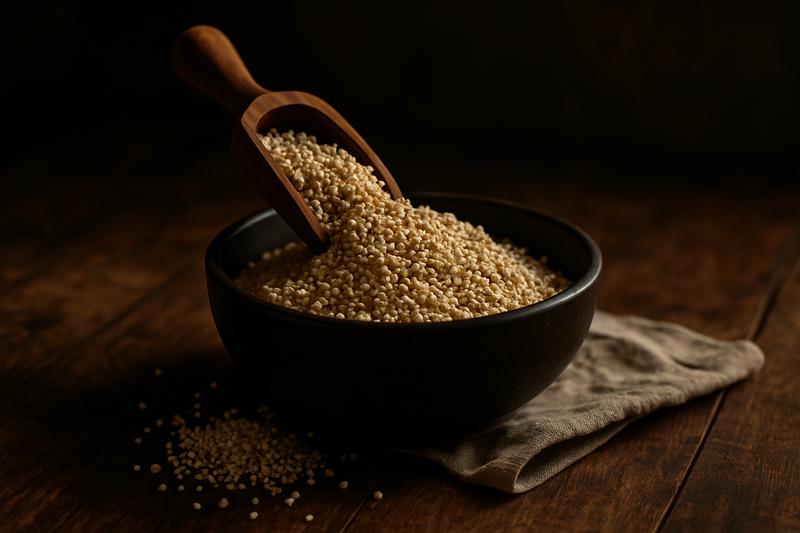
Popped Amaranth · Photograph
Discover the popped amaranth health benefits backed by research — from heart and digestive support to complete plant protein and gluten-free nutrition. Learn how much to eat, how to use it as a crunchy topping, and who should take care.
Key Nutrients
% Daily Value based on 2,000 cal diet
Key active compounds in popped amaranth
- Bioactive peptides (including lunasin-like peptides): Short protein fragments released during digestion. In laboratory and animal studies, these have shown cholesterol-lowering, anti-inflammatory, and antioxidant activity. Human clinical evidence is still early but promising.
- Phenolic acids and flavonoids: Plant polyphenols (a broad class of protective plant compounds) that act as antioxidants, helping to neutralize free radicals — unstable molecules that can damage cells over time.
- Squalene and phytosterols: Lipid-soluble (fat-friendly) compounds concentrated in amaranth's oil fraction. Phytosterols are plant-based structures that resemble cholesterol and may compete with it during absorption in the gut.
- Tocopherols (vitamin E family): Fat-soluble antioxidants present in the grain's germ that help protect cell membranes from oxidative damage.
- Resistant starch and dietary fiber: Support the gut microbiome — the community of bacteria in the large intestine — by providing fermentable fuel that produces beneficial short-chain fatty acids.
Prep and pairing ideas
Popped amaranth's neutral-nutty flavor makes it a flexible topper or mix-in. Here are three practical pairings and the reasoning behind each:
1. Popped amaranth + Greek yogurt or plant-based yogurt The creamy texture of yogurt gives the crunchy amaranth somewhere to land, and the combination of yogurt's protein and probiotics with amaranth's fiber and minerals makes for a genuinely satisfying, gut-friendly breakfast. Adding a handful of berries brings vitamin C, which enhances iron absorption from the amaranth — a useful bonus.
2. Popped amaranth + avocado toast Scatter a tablespoon or two over mashed avocado on whole-grain bread. The healthy fats in avocado improve absorption of fat-soluble antioxidants (tocopherols, squalene) in the amaranth. The combination is also very filling thanks to fiber from both ingredients.
3. Popped amaranth + warm grain bowls or soups Sprinkled on just before serving, popped amaranth adds crunch without the sodium overload of croutons. In a legume-based soup, the lysine-rich amaranth complements the legume's own amino acid profile, improving overall meal protein quality — relevant especially for vegan diets.
Bottom line
Popped amaranth is a small but genuinely impressive whole food. Its nutrient density — complete plant protein, standout manganese and magnesium, meaningful iron and calcium — is preserved through the simple, additive-free popping process. Research on amaranth as a food group supports modest benefits for heart health, blood sugar management, digestion, and inflammation, with the strongest evidence currently pointing toward cardiovascular markers. The popped form specifically hasn't been the subject of many isolated clinical trials, but its nutritional profile is essentially identical to raw whole amaranth per gram.
It is naturally gluten-free, broadly tolerated, easy to make at home, and versatile enough to fit into almost any meal without changing the recipe. For plant-based eaters, gluten-free eaters, or anyone looking to add more micronutrient variety to their diet without effort, it earns a quiet but confident place in the pantry.
If you're looking to build meals around whole, functional ingredients like popped amaranth, browse our ingredient-led goal guides for practical, food-first ideas.
How Popped Amaranth Compares
| Compared with | What's different |
|---|---|
| Popped Amaranth vs. Popcorn | Amaranth is a complete protein with 2.3g per cup; popcorn is higher in fiber but lacks specific amino acids. |
| Popped Amaranth vs. Puffed Quinoa | Amaranth has a smaller, sand-like texture and higher mineral content, specifically iron and magnesium. |
| Popped Amaranth vs. Puffed Rice | Amaranth is significantly higher in manganese and iron per serving compared to puffed rice. |
Health Benefits
Things to Know
Celiac disease and gluten sensitivity: Amaranth is naturally gluten-free, but cross-contamination during growing, transport, or processing is a real risk. Always choose products certified or labeled gluten-free if you have celiac disease.
Introducing fiber gradually: If your current diet is low in fiber, adding even modest amounts of popped amaranth too quickly can cause gas, bloating, or looser stools. Start with 1–2 tablespoons per day and increase slowly over 1–2 weeks.
Kidney disease and oxalate sensitivity: Amaranth contains moderate oxalates (naturally occurring plant compounds that can contribute to certain kidney stones). People with a history of calcium-oxalate kidney stones or chronic kidney disease should check with their healthcare provider before making it a daily staple.
Diabetes and blood sugar management: Count the carbohydrates (approximately 10 g per 1/4 cup) and monitor your glucose response, especially when adjusting portions significantly.
Medication interactions: As with other high-fiber foods, large amounts of amaranth may slightly reduce absorption of certain oral medications, including levothyroxine (thyroid medication), some antibiotics, and iron supplements. A practical precaution: separate high-fiber meals from these medications by 1–2 hours.
Pregnancy: Amaranth is a whole food and generally fine during pregnancy; its folate content is a modest positive. However, follow your prenatal care team's dietary guidance.
Rare allergy: True amaranth grain allergy is uncommon but possible. New users with known seed or grain allergies should introduce it cautiously and be alert to hives, swelling, or breathing difficulty.

Glossary
Shop This Ingredient
Stock your pantry with quality popped amaranth.
Buy on AmazonAs an Amazon Associate, Plantopedia earns from qualifying purchases. This costs you nothing extra and helps us keep the encyclopedia free.
Frequently Asked Questions
The research base for amaranth health benefits draws primarily from studies using cooked whole grain, flour, and amaranth oil. Popped amaranth is nutritionally very similar per gram of dry seed, so the findings are generally applicable — but keep in mind that most people use it in smaller topping portions (15–30 g/day), not as a primary grain. Effects at these amounts are likely complementary to an overall healthy diet rather than dramatic on their own. Heart and circulation Several small human studies and reviews report that regular amaranth intake — roughly 30–50 g of grain or 15–30 mL of oil per day — was associated with modest reductions in total and LDL cholesterol (the "lousy" type linked to arterial plaque) and better blood pressure markers. A 2012 comprehensive review in Food Chemistry concluded that amaranth grain and oil show meaningful cardioprotective potential, though it noted that trials are small and often involve mixed dietary changes rather than amaranth alone. The likely mechanisms include viscous dietary fiber slowing cholesterol reabsorption in the gut, phytosterols competing with cholesterol at absorption sites, and bioactive peptides that may support vasodilation (widening of blood vessels). Using popped amaranth to replace a refined, salty snack food is a realistic way to nudge these factors in a useful direction. Digestive health and microbiome Amaranth is a fiber-containing whole grain, and higher-fiber diets are consistently associated with better bowel regularity, improved stool bulk, and a more diverse gut microbiome. Because popped amaranth is airy and light, a small 15 g portion provides roughly 1 g of fiber — meaningful, but less than a dense bowl of cooked grain. Gradually increasing your daily amount helps the microbiome adjust without causing gas or bloating, which are common complaints when adding any high-fiber food too quickly. Blood sugar and metabolism Amaranth has a relatively low-to-moderate glycemic impact compared with many refined grains, and its combination of fiber and protein is expected to slow carbohydrate absorption and smooth out blood glucose spikes after eating (postprandial glucose response). The 2012 review noted some reports of reduced blood glucose levels in amaranth-consuming populations, but large, well-controlled human trials are still limited. Popped amaranth is still a carbohydrate-containing food — about 10 g per 1/4 cup — so people managing diabetes or insulin resistance should count it and monitor their own glucose responses. Used as a replacement for sugary granola or refined cereal, it may support steadier energy levels as part of a whole-food eating pattern. Inflammation and recovery Preclinical (laboratory and animal) research on amaranth's bioactive peptides and polyphenols shows anti-inflammatory and antioxidant activity. Direct human clinical evidence measuring inflammatory biomarkers after amaranth intake is sparse as of 2024. What we can say with reasonable confidence is that swapping refined, ultra-processed snack foods for a whole-grain option like popped amaranth fits within overall dietary patterns consistently linked with lower chronic inflammation. Bone health and micronutrient density This area deserves its own mention. Amaranth provides more calcium and magnesium per calorie than most common grains — meaningful for plant-based eaters who may not consume dairy. Calcium and magnesium work together in bone mineralization, and magnesium is also a cofactor (helper molecule) in hundreds of enzyme reactions including energy metabolism and blood pressure regulation. Manganese, at 39% DV per small serving, contributes to antioxidant enzymes and bone formation. These are not dramatic doses in isolation, but they add up meaningfully across meals.
Popped amaranth is one of the simplest ingredients to make at home, and homemade typically means no added sugar, oil, or sodium. To pop at home: Heat a small, dry, heavy-bottomed pan (cast iron works well) over high heat until a drop of water evaporates instantly. Add a scant tablespoon of dry raw amaranth seeds, cover immediately, and swirl. Within 10–15 seconds, you'll hear the tiny pops. Remove from heat before the seeds burn — they go from perfect to scorched quickly. Repeat in small batches. Cool, store in an airtight jar. Ready-to-buy options: Look for popped or puffed amaranth sold in natural food stores or online, often in bags labeled "organic puffed amaranth." Check the ingredient list — ideally it reads: amaranth. Nothing else. Products labeled gluten-free have been tested to below 20 ppm (parts per million, the accepted safety threshold for celiac disease). Alegría and commercial bars: Traditional alegría is a delicious way to enjoy popped amaranth, but be aware that it is also a confection — often bound with honey, piloncillo (unrefined cane sugar), or syrup. Enjoy it as an occasional treat rather than a daily health food. Similarly, scan the labels of commercial granola bars or cereals containing popped amaranth; the amaranth may be nutritious while the rest of the product carries a significant sugar load.
The plant-based eater focused on protein quality Getting enough lysine — an essential amino acid (one the body can't make itself) that many plant proteins are low in — is a common challenge on vegan and vegetarian diets. Popped amaranth delivers a more complete amino acid profile than most grains, making it a useful complement to beans, lentils, and tofu. Its calcium and magnesium content helps fill micronutrient gaps that can arise when dairy is excluded. The gluten-free grain explorer People with celiac disease often rely heavily on refined gluten-free starches (white rice flour, tapioca) that provide calories but little nutritional value. Popped amaranth is a whole-grain alternative that brings fiber, minerals, and protein — a meaningful nutritional upgrade. Its versatility as a topping means it can be added to existing gluten-free meals without changing the recipe.
There is no established official recommended daily amount specifically for popped amaranth. The following guidance is based on culinary norms and the amounts used in research: As a topping or mix-in: 2–4 tablespoons (about 15–30 g) per day is a practical, well-tolerated range for most people. This is roughly 60–120 calories and represents the portion commonly used in smoothie bowls, yogurt, and salad toppings. As a primary grain substitute: Human studies on amaranth's cardiovascular and metabolic effects typically used 30–50 g per day of cooked grain. Popped amaranth is equivalent by dry weight, though the airy volume will look larger. Start low: If amaranth is new to your diet, start with 1 tablespoon daily for the first week and increase gradually to let your digestive system adjust to the added fiber. Context matters: A daily sprinkling of popped amaranth over breakfast is a smart add — not a cure-all. The benefits described in research are most meaningful when amaranth is part of a broadly whole-food, plant-rich diet.
Quick Answers
Common questions, answered in a line.
Popped amaranth is a complete plant protein that contains all nine essential amino acids, including the lysine often missing in other grains. This nutritional profile helps improve the overall protein quality of meals, particularly when combined with legumes in vegan diets.
Popped amaranth is naturally gluten-free, but individuals with celiac disease should only purchase products specifically labeled or certified gluten-free. This is because cross-contamination can occur during the growing, transport, or processing phases of production.
The best way to eat popped amaranth is as a crunchy topping for Greek yogurt, avocado toast, or warm grain bowls and soups. Pairing it with vitamin C-rich berries enhances iron absorption, while the healthy fats in avocado help you absorb its fat-soluble antioxidants like vitamin E.
Popped amaranth provides heart health benefits by containing phytosterols and bioactive peptides that may help lower cholesterol and reduce inflammation. Research suggests these compounds compete with cholesterol during gut absorption and offer antioxidant protection for cell membranes.
Popped amaranth supports digestion by providing dietary fiber and resistant starch, which act as fuel for beneficial bacteria in the gut microbiome. This fermentation process produces short-chain fatty acids that promote a healthy digestive environment.
People with a history of calcium-oxalate kidney stones should be cautious with popped amaranth because it contains moderate levels of oxalates. It is recommended to consult a healthcare provider before making it a daily staple if you have kidney concerns.
You should separate high-fiber foods like popped amaranth from medications such as levothyroxine or certain antibiotics by 1–2 hours. Large amounts of fiber can potentially reduce the absorption of these oral medications and iron supplements.
For Readers in the USA
Local context — sourcing, seasonality, and regional notes.
You can find popped amaranth at major U.S. health food chains like Whole Foods Market, Sprouts Farmers Market, and many local food cooperatives. It is often located in the cereal aisle as "puffed amaranth" or in the international section near Mexican specialty foods.
In the U.S., amaranth is primarily grown as a summer crop in the Great Plains, particularly in Nebraska, Kansas, and Colorado. Commercial harvesting typically occurs in late autumn after the first frost, making fresh domestic grain most available in the winter months.
Look for the USDA Organic seal to ensure the amaranth was grown without synthetic pesticides or fertilizers, which is common for this ancient grain in the U.S. market. Additionally, ensure the packaging specifies it was processed in a certified gluten-free facility if you have Celiac disease.
In Mexican-American communities, popped amaranth is the star ingredient in "alegría," a traditional candy made by binding the grain with honey or molasses. These bars are widely available in Hispanic grocery stores across the U.S. and represent a significant cultural use of the grain.
AI Clinical Review
- Clearly explains that popped amaranth is a whole, gluten‑free pseudocereal that keeps its fiber, minerals, and protein after popping.
- Accurately highlights amaranth’s lysine‑rich amino acid profile; helpful for plant‑based eaters even though a topping portion provides modest total protein.
- Provides realistic nutrient figures (notably manganese and magnesium) for a 1/4‑cup (~15 g) portion.
- Appropriately frames potential heart and blood‑sugar benefits as modest and based on studies of amaranth grain/oil, not the popped form alone.
- Most human data assess cooked grain or amaranth oil; there’s little direct research on popped amaranth or on the smaller “topping” doses people typically use, so effects are likely incremental.
- Cardiometabolic findings come from small or mixed‑diet trials; longer, well‑controlled studies are needed to confirm cholesterol, blood pressure, and glycemic impacts.
- Anti‑inflammatory and antioxidant claims rely largely on preclinical work (lab/animal); translation to meaningful human outcomes remains uncertain.
- Typical topping portions of 2–4 Tbsp (15–30 g) provide ~60–120 kcal, ~2–5 g protein, and ~1–2 g fiber—useful, but not a standalone protein or fiber source.
- Naturally gluten‑free, but cross‑contamination can occur; choose certified gluten‑free products if you have celiac disease, and check labels of bars/cereals for added sugars.
- Contains moderate oxalates; those with a history of calcium‑oxalate kidney stones or chronic kidney disease should discuss routine use with a clinician. Introduce gradually to minimize gas/bloating.
- High‑fiber meals can interfere with absorption of some medicines (e.g., levothyroxine, certain antibiotics, iron); separate dosing by 1–2 hours. People with diabetes should count the ~10 g carbs per 1/4 cup and monitor personal glucose responses.
Naturally gluten-free and highly nutritious; broadly tolerated.
References
- USDA FoodData Central — nutrition data for puffed and raw amaranth grain (fdc.nal.usda.gov)
- USDA MyPlate — grains group guidance including whole-grain pseudocereals (myplate.gov)
- Venskutonis & Kraujalis, Comprehensive Reviews in Food Science and Food Safety (2013) — state of knowledge on amaranth grain: human evidence on cholesterol and blood pressure (pubmed.ncbi.nlm.nih.gov)
- PMC 2024 review — amaranth and buckwheat: nutritional profile and health-promoting properties including bioactive peptides and antioxidants (pmc.ncbi.nlm.nih.gov)
- Healthline — amaranth health benefits overview with mineral and protein data (healthline.com)
- Verywell Health — amaranth grain health effects, gluten-free use, and cautions (verywellhealth.com)
- Medical News Today — amaranth nutrition facts, benefits, and preparation (medicalnewstoday.com)
- Precision Nutrition — amaranth recipe and nutrition encyclopedia entry (precisionnutrition.com)
- EatThisMuch — popped amaranth nutrition label reference (eatthismuch.com)
- AdvancedHealth clinical nutrition handout — amaranth health benefits and preparation guidance (advancedhealth.com)
Know Your Numbers
Eating healthy is a start. Now get to know your biomarkers.
Food changes bloodwork — inflammation, lipids, blood sugar and nutrient status all respond to what you eat. 59 markers from $59.
- Results in 7–10 days at 2,000+ Quest sites
- Licensed provider reviews every result
- One flat price, no membership, HSA/FSA eligible
Educational information only, not medical advice. Panels are ordered and reviewed through our licensed partner; Plantopedia may earn a commission.