Fava Beans — health benefits and uses
Protein + fiber leverage; batch-cook, meal-prep, and satiety angle
The Short Answer
Fava beans provide 13g of protein and 9g of fiber per cooked cup, along with 44% of your daily folate. They are unique for containing L-DOPA, a precursor to dopamine, and high levels of copper and manganese.

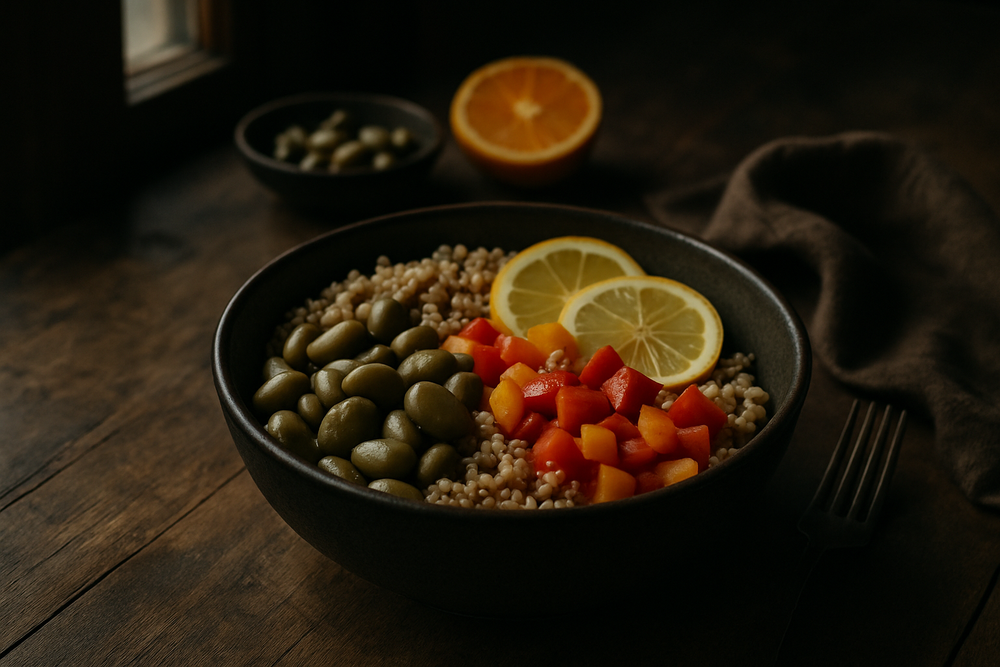
Fava Beans · Photograph
Fava beans — also called broad beans, field beans, or faba beans, and known scientifically as Vicia faba — are one of the oldest cultivated crops on the planet, grown across the Mediterranean, Middle East, East Africa, and parts of Asia for thousands of years. Today they are gaining fresh attention as a high-protein, high-fiber legume that fits neatly into whole-food, plant-based cooking without a lot of fuss.
Key Nutrients
% Daily Value based on 2,000 cal diet
Key active compounds
- L-DOPA (L-3,4-dihydroxyphenylalanine): A non-protein amino acid and direct chemical precursor to the neurotransmitter dopamine. Found naturally in fava beans at levels higher than most foods; relevant both to potential neurological interest and to a critical drug interaction (see cautions section).
- GABA (γ-aminobutyric acid): A non-protein amino acid that acts as an inhibitory (calming) neurotransmitter in the brain. Present in fava beans; human data on dietary GABA from beans specifically are limited.
- Phenolic compounds (including tannins and flavonoids): Plant secondary metabolites — meaning compounds plants make for their own purposes — that also act as antioxidants in the human body. Fava bean phenolics show anti-inflammatory and cardioprotective properties in cell and animal studies.
- Bioactive peptides: Short protein fragments released during digestion that can have physiological effects beyond basic nutrition. Fava bean peptides have shown antihypertensive (blood-pressure-lowering), antidiabetic, and anti-inflammatory activity in laboratory research.
- Resistant starch: A type of starch that escapes digestion in the small intestine and reaches the colon, where gut bacteria ferment it, producing beneficial short-chain fatty acids. Levels increase when cooked fava beans are cooled before eating.
- Vicine and convicine: Glycosides (sugar-bound plant compounds) naturally present in fava beans that are responsible for favism reactions in people with G6PD deficiency (explained in the cautions section).
How Fava Beans Compares
| Compared with | What's different |
|---|---|
| Fava Beans vs. Lima Beans | Larger, flatter shape with a buttery texture and a thick skin that is often peeled. |
| Fava Beans vs. Edamame | Higher in folate and protein per cup, with a distinct grassy and nutty flavor profile. |
| Fava Beans vs. Chickpeas | Starchier texture and milder taste; fava beans contain L-DOPA and more folate. |
Health Benefits
Things to Know
G6PD deficiency and favism (serious): If you have glucose-6-phosphate dehydrogenase (G6PD) deficiency — a genetic condition affecting red blood cell enzymes — eating fava beans can trigger favism, an acute hemolytic anemia (red blood cell destruction). Symptoms include sudden fatigue, shortness of breath, rapid heart rate, jaundice, and dark urine. This reaction can be severe, especially in young children. If you do not know your G6PD status and live in or have family background from a region where it is common (Mediterranean, Middle East, sub-Saharan Africa, Southeast Asia), ask your doctor before regularly eating fava beans.
Parkinson's disease medications: Fava beans naturally contain L-DOPA. If you are taking levodopa/carbidopa or similar dopaminergic medications, adding fava beans could unpredictably alter the effective dose, increasing the risk of side effects like dyskinesia (involuntary movements). Do not use fava beans therapeutically for Parkinson's without specialist guidance.
IBS and FODMAP sensitivity: Fava beans are relatively high in fermentable carbohydrates. If you have irritable bowel syndrome or a sensitive gut, introduce them slowly — start with 2–3 tablespoons cooked and increase gradually over several weeks.
Raw beans — never: Dried fava beans must be soaked and fully cooked. Raw or undercooked beans can cause digestive distress and may worsen G6PD-related risk.
Legume allergy: Fava bean allergy is uncommon but possible, including cross-reactivity in people allergic to other leg
Shop This Ingredient
Stock your pantry with quality fava beans.
Buy on AmazonAs an Amazon Associate, Plantopedia earns from qualifying purchases. This costs you nothing extra and helps us keep the encyclopedia free.
Frequently Asked Questions
The research landscape here is a mix of strong legume-wide evidence and more preliminary fava-specific findings. Where data are limited to cell or animal studies, that is called out clearly. Heart and circulation Fava beans are low in fat, naturally sodium-free, and provide viscous (gel-forming) fiber, resistant starch, potassium, and magnesium — all of which are associated with cardiovascular protection. Most human evidence comes from broader legume research, where higher legume intake is consistently linked to lower LDL cholesterol (the type associated with arterial plaque) and reduced cardiovascular risk. Mechanistic studies on fava bean protein peptides show they may inhibit ACE (angiotensin-converting enzyme) — the same target as a common class of blood pressure medications — and improve lipid metabolism in laboratory models. These findings are promising but not yet confirmed in large human trials specific to fava beans. The take-home: eating fava beans as part of a legume-rich diet is a well-supported strategy for heart health; isolating fava beans as a specific heart therapy is getting ahead of the current evidence. Digestive health and gut microbiome This is one of the stronger areas. Fava beans are rich in both soluble and insoluble fiber. Human research on legume fiber consistently shows improvements in stool regularity, transit time, and satiety (how full you feel after eating). The resistant starch in fava beans feeds beneficial gut bacteria — a process called prebiotic fermentation — producing short-chain fatty acids that support the gut lining and may reduce inflammation. One honest caveat: this fermentation is also why beans cause gas. This is normal, not harmful, and typically improves as your gut adapts over a few weeks of regular intake. Blood sugar and metabolic health Fava beans have a low glycemic index — meaning they cause a slower, lower rise in blood sugar compared with refined carbohydrates like white bread or white rice. This is due to their combination of fiber, resistant starch, and protein, all of which slow the digestion and absorption of glucose. In human studies on mixed legume intake, replacing refined carbs or processed meat with beans improves blood sugar control and insulin sensitivity — measures relevant to both type 2 diabetes prevention and management. Fava-bean-specific human trials are limited, but the nutrient profile strongly aligns with these established mechanisms. If you have diabetes or prediabetes, check with your care team before making significant dietary changes. Inflammation and recovery Human data specific to fava beans and inflammation are limited. In cell and animal models, fava bean phenolic compounds and bioactive peptides show anti-inflammatory and antioxidant activity, and faba bean protein hydrolysates have demonstrated potential to protect against inflammation-driven muscle loss. These findings are interesting but should be considered early-stage evidence — they support the plausibility of benefits rather than confirming them in clinical trials. As part of an overall plant-forward dietary pattern, fava beans likely contribute meaningfully to lower-grade inflammation through their fiber, polyphenols, and replacement of more inflammatory foods, but they are not a standalone anti-inflammatory treatment. Hormones, neurotransmitters, and metabolism Fava beans contain two compounds with direct neurological relevance: L-DOPA and GABA. L-DOPA is the same compound used as a pharmaceutical treatment for Parkinson's disease, and small human studies have used fava beans as a natural L-DOPA source, reporting increases in blood L-DOPA levels and some short-term motor symptom improvement. However, dosing from whole beans is unpredictable, and this use must only be explored under close medical supervision. In metabolic terms, faba bean peptides have been shown in cell models to stimulate GLP-1 and CCK — two gut hormones that regulate appetite and insulin secretion. These findings are mechanistic and have not been confirmed in human clinical trials with whole beans. They do, however, support the observation that beans genuinely help with satiety.
Dried (soaked and home-cooked) The most nutritionally complete and economical form. Dried beans must be soaked for 8–12 hours, with the soaking water discarded, then boiled in fresh water until completely soft. This process inactivates antinutritional factors (compounds that interfere with digestion or mineral absorption), reduces gas-causing oligosaccharides (types of short-chain carbohydrates), and improves digestibility. Never eat dried beans raw or undercooked. Fresh or frozen young fava beans Immature green fava beans — the kind you see in spring markets — are more tender, slightly lower in starch, and quicker to prepare. Pods are shelled; for older beans, the individual beans are also peeled after blanching to remove the waxy outer skin. Still require cooking; raw consumption is not recommended. Canned cooked fava beans The most convenient option. Drain and rinse to reduce sodium content. Canned beans are fully cooked and ready to heat through. Nutritionally comparable to home-cooked beans; texture is typically softer. Good for quick weeknight meals and consistent portioning. Fava bean flour Milled from dried beans; used in baking, as a thickener, or in grain-free pasta. Always used in cooked applications. Combining with cereal flours (like wheat or oat) creates a complementary amino acid profile that improves overall protein quality. Fava bean protein concentrate or isolate A processed ingredient extracted from fava beans, offering a high protein content (typically 70–90% protein by weight) and a well-balanced amino acid profile. Used in plant-based meat alternatives, protein powders, and functional foods. Useful if you need protein without the full carbohydrate load of whole beans, but lacks the fiber and phytochemical content of the whole bean. Practical tip: The best form is whichever one you will actually use. Canned beans used five times a week deliver more benefit than dried beans cooked once a month.
The plant-based athlete or active person building muscle on a budget Fava beans deliver 13 g protein per cup at very low cost per gram Resistant starch and fiber support sustained energy and gut health during training Pair with whole grains and vitamin C-rich vegetables to cover amino acid gaps and improve iron absorption Easy to batch-cook and portion for the week The busy adult managing blood sugar, cholesterol, or weight Low glycemic index makes them a practical swap for refined carbs at lunch and dinner High fiber and protein drive satiety, which can reduce overall calorie intake without strict restriction Potassium and viscous fiber support blood pressure and LDL cholesterol in the context of a legume-rich eating pattern Canned or pre-cooked fava beans mean no complicated prep is required
Quick Answers
Common questions, answered in a line.
Fava beans should never be eaten raw or undercooked because they can cause digestive distress and potentially worsen risks related to G6PD deficiency. Dried fava beans must be soaked and fully cooked before consumption to ensure they are safe for the digestive system.
Fava beans are naturally high in L-DOPA, a chemical precursor to dopamine that can interfere with Parkinson's disease medications like levodopa/carbidopa. Consuming these beans while on such medication may unpredictably alter the effective dose and increase the risk of side effects like involuntary movements.
Favism is a serious condition triggered by eating fava beans in individuals with a genetic G6PD deficiency, leading to the destruction of red blood cells. Symptoms of this acute hemolytic anemia include sudden fatigue, shortness of breath, jaundice, and dark urine.
Fava beans contain high levels of L-DOPA, a precursor to dopamine, and GABA, a calming neurotransmitter, both of which are of significant neurological interest. Additionally, the beans provide phenolic compounds and bioactive peptides that show anti-inflammatory and brain-health potential in research.
Fava beans contain resistant starch, which escapes digestion in the small intestine to reach the colon, where gut bacteria ferment it into beneficial short-chain fatty acids. To maximize these digestive health benefits, allow cooked fava beans to cool before eating them.
Fava beans are high in fermentable carbohydrates, which can trigger symptoms in people with Irritable Bowel Syndrome (IBS) or sensitive guts. It is recommended to introduce them slowly, starting with just 2–3 tablespoons cooked and gradually increasing the amount over several weeks.
For Readers in the USA
Local context — sourcing, seasonality, and regional notes.
Fresh fava beans are typically available in the United States from late March through May, primarily appearing in farmers markets and specialty grocers. While most of the U.S. crop is grown in California, they can be found seasonally in the Pacific Northwest and Northeastern states during early summer.
In the U.S., you can find dried or canned fava beans year-round at major retailers like Whole Foods, Trader Joe's, and Safeway, often labeled as "Broad Beans." Middle Eastern and Mediterranean specialty markets are the most reliable source for high-quality dried varieties and fresh pods.
The USDA National Organic Program regulates fava beans labeled as "organic," ensuring they are grown without synthetic fertilizers or prohibited pesticides. American consumers may also see them used as a "cover crop" in sustainable farming to naturally restore nitrogen to the soil.
In the United States, fava beans are gaining popularity in "farm-to-table" cuisine, often served in spring salads, substituted for chickpeas in hummus, or mashed on sourdough toast. They are also a staple in Egyptian-American communities, where they are used to make ful medames.
AI Clinical Review
- Strongly reflects the broader evidence that regular legume intake supports heart and metabolic health; fava beans fit this pattern with high fiber, plant protein, folate, potassium, and very little saturated fat.
- Explains blood‑sugar and satiety benefits well: the fiber, protein, and resistant starch in fava beans slow glucose absorption and help you feel full.
- Accurately highlights gut health effects (prebiotic fermentation and normal, adapting gas) and notes that cooling cooked beans increases resistant starch.
- Clearly flags key safety issues: G6PD deficiency (favism risk), interactions with Parkinson’s medications due to natural L‑DOPA, and the need to cook beans thoroughly. Practical forms (dried, fresh/frozen, canned) are presented realistically.
- Many fava‑specific benefits (ACE‑inhibitory peptides, lipid effects, anti‑inflammatory activity) come from lab or animal studies; robust human trials isolating fava beans are limited.
- L‑DOPA content varies by bean variety and preparation; small studies in Parkinson’s show short‑term effects but dosing from whole foods is unpredictable and not a substitute for prescribed therapy.
- GABA in fava beans and peptide‑driven effects on gut hormones (GLP‑1, CCK) are mechanistic; clinical outcomes from typical dietary intakes remain uncertain.
- Portion guidance: a practical serving is about 1/2–1 cup cooked. If you’re new to beans, start smaller and increase over 2–4 weeks to reduce GI symptoms.
- Potassium awareness: fava beans are potassium‑rich; people with chronic kidney disease or on potassium‑restricted diets should confirm appropriate portions with their clinician.
- Blood sugar: despite a low glycemic index, they still provide carbohydrates; those using insulin or sulfonylureas may want to monitor glucose when adding larger portions.
- IBS/FODMAP sensitivity: some individuals tolerate smaller servings better; well‑rinsed canned beans may be easier on the gut for certain people.
Mention soaking/cooking tolerance tips where relevant; avoid raw legume prep errors.
References
- PMC, National Library of Medicine — Underutilized but Sustainable: The Case for Fava Beans in the Iberian Peninsula (pmc.ncbi.nlm.nih.gov)
- PubMed — Nutritional and antinutritional composition of fava bean (Vicia faba L., var. minor) cultivars (pubmed.ncbi.nlm.nih.gov)
- PubMed — From ancient crop to modern superfood: Exploring the history, diversity, characteristics, technological applications, and culinary uses of Peruvian fava beans (pubmed.ncbi.nlm.nih.gov)
- PMC, National Library of Medicine — Faba Bean: An Untapped Source of Quality Plant Proteins and Bioactives (pmc.ncbi.nlm.nih.gov)
- PMC, National Library of Medicine — Faba Bean: Unlocking nutritional potential and agricultural sustainability (pmc.ncbi.nlm.nih.gov)
Know Your Numbers
Eating healthy is a start. Now get to know your biomarkers.
Food changes bloodwork — inflammation, lipids, blood sugar and nutrient status all respond to what you eat. 59 markers from $59.
- Results in 7–10 days at 2,000+ Quest sites
- Licensed provider reviews every result
- One flat price, no membership, HSA/FSA eligible
Educational information only, not medical advice. Panels are ordered and reviewed through our licensed partner; Plantopedia may earn a commission.