Pigeon Peas — health benefits and uses
Protein + fiber leverage; batch-cook, meal-prep, and satiety angle
The Short Answer
Pigeon peas are a high-protein legume providing 11g of protein and 60% of the Daily Value for folate per cooked cup. Also known as toor dal or gandules, they are prized for their nutty flavor and high fiber content in Caribbean and Indian cuisines.
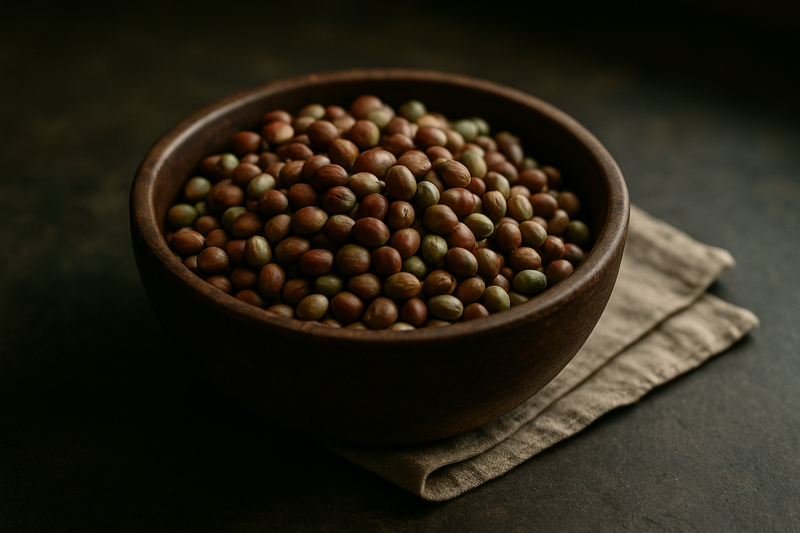
Pigeon Peas · Photograph
Pigeon peas (Cajanus cajan) have been quietly feeding billions of people for centuries — from a steaming bowl of toor dal in Mumbai to a Sunday pot of arroz con gandules in Puerto Rico. Known by many names (toor dal, gandules, Congo peas, red gram), they are one of the most widely grown and eaten legumes on the planet, and for good reason: they pack serious protein and fiber into a cheap, shelf-stable, endlessly versatile package.
Key Nutrients
% Daily Value based on 2,000 cal diet
Key active compounds
Pigeon peas deliver more than just macronutrients. The following plant compounds contribute to their broader health profile:
- Phenolic compounds (polyphenols): A broad class of plant chemicals found in the seed coat, leaves, and pods. In lab and animal studies these show antioxidant, anti-inflammatory, and antidiabetic activity. Human clinical data are limited for pigeon peas specifically, but polyphenol-rich diets are consistently linked to lower chronic disease risk.
- Flavonoids (a subset of polyphenols): Plant pigments that help neutralize free radicals and may influence cell-signalling pathways tied to inflammation and blood vessel function. Evidence in pigeon peas is mostly preclinical.
- Dietary fiber (soluble and insoluble): The indigestible part of plant cell walls. Soluble fiber dissolves in water and can help lower LDL cholesterol (the "bad" kind); insoluble fiber adds bulk to stool and speeds transit. Both types feed beneficial gut bacteria.
- Unsaturated fatty acids: Present in small amounts. These "good fats" support cell membrane health and contribute modestly to a heart-friendly lipid profile.
How Pigeon Peas Compares
| Compared with | What's different |
|---|---|
| Pigeon Peas vs. Yellow Split Peas | Smaller, nuttier, and hold their shape better during cooking than creamy yellow split peas. |
| Pigeon Peas vs. Green Peas | Smaller with a more earthy flavor; green peas have a higher sugar content and softer texture. |
Health Benefits
Things to Know
Raw or undercooked pigeon peas are not safe to eat.: Like all dry legumes, they contain antinutritional factors (compounds that interfere with digestion and nutrient absorption) that are inactivated only by thorough cooking. Always boil until completely tender.
Soak dried whole peas: for 2–8 hours or overnight. Discard the soak water and cook in fresh water. This reduces gas-forming oligosaccharides and shortens cooking time.
Introduce gradually: if you are new to high-fiber eating. Starting with a small portion (¼ cup cooked) and building up over a few weeks helps your gut adapt without bloating.
Kidney disease: Pigeon peas are high in potassium. If you have advanced chronic kidney disease (CKD) or are on a potassium-restricted diet, check with your healthcare provider before eating them regularly.
Legume allergy or cross-reactivity: If you have known allergies to peas, lentils, chickpeas, peanuts, or soy, use caution — cross-reactivity with pigeon peas is possible, though documented cases are rare.
IBS or SIBO: The fermentable carbohydrates in all legumes can trigger symptoms. Consider smaller portions and very thorough cooking; a registered dietitian can help you navigate this.
Medications — blood sugar: Large increases in legume intake can meaningfully improve insulin sensitivity. If you take insulin or an insulin secretagogue (a medication that tells your pancreas to make more insulin), your dose may need adjustment — check with your doctor.
Medications — blood pressure: The potassium and magnesium in pigeon peas support healthy blood pressure. If you take antihypertensive drugs (blood pressure medications), monitor for any unexpected drops and let your clinician know about significant dietary changes.
Phytate and mineral supplements: Pigeon peas, like all legumes, contain phytate — a compound that can slightly reduce the absorption of iron, zinc, and magnesium. Soaking and cooking reduce phytate levels. If you take high-dose mineral supplements, consider spacing them away from
Shop This Ingredient
Stock your pantry with quality pigeon peas.
Buy on AmazonAs an Amazon Associate, Plantopedia earns from qualifying purchases. This costs you nothing extra and helps us keep the encyclopedia free.
Frequently Asked Questions
Most controlled human trials on these benefits have studied legumes as a category (beans, lentils, peas). Pigeon peas share the same nutrient fingerprint, so the findings are reasonably applicable — but pigeon pea–specific clinical trials are still limited. Where that matters, it's flagged below. Heart health and circulation Pigeon peas are rich in three nutrients that human and population research consistently links to cardiovascular health: potassium (a vasodilator — meaning it helps relax blood vessel walls and supports healthier blood pressure), magnesium (involved in regulating both blood pressure and heart rhythm), and dietary fiber (which can help reduce LDL cholesterol by binding bile acids in the gut). Human intervention studies on mixed legume and pulse diets — including beans, lentils, and peas — show measurable improvements in LDL cholesterol, blood pressure, and broader cardiometabolic risk markers when legumes replace red meat or refined carbohydrates. Pigeon peas provide comparable macronutrients and fiber, so they reasonably fit within this pattern. Evidence specific to pigeon peas and cardiovascular outcomes is an emerging research area. Digestive health and gut microbiome The fiber in pigeon peas feeds the microbiome — the community of beneficial bacteria living in your large intestine. Soluble fiber acts as a prebiotic (food for gut bacteria), while insoluble fiber keeps things moving and adds bulk to stool, reducing the risk of constipation. That said, the same fermentable carbohydrates (specifically oligosaccharides — short sugar chains that gut bacteria ferment rapidly) that feed good bacteria can also cause gas and bloating, especially in people who are new to high-fiber eating or who have sensitive guts. The fix is straightforward: soak dried peas, discard the soak water, cook thoroughly, and increase portions gradually. People with IBS (irritable bowel syndrome) or SIBO (small intestinal bacterial overgrowth) may need extra care. Blood sugar and metabolism Pigeon peas have a low glycemic index — a measure of how quickly a food raises blood sugar. Their fiber slows the movement of food through the stomach, and their protein blunts the insulin response after eating. Together, these effects mean a gentler, more gradual rise in blood glucose compared with white rice, white bread, or other refined carbohydrates. No large randomized trials have tested pigeon peas alone for blood sugar control in humans, but multiple trials on mixed pulses show improved post-meal glucose and insulin responses. Pigeon peas can reasonably be expected to behave similarly. If you take insulin or blood-sugar-lowering medication, check with your doctor before dramatically increasing legume intake — you may need a dose adjustment. Inflammation and recovery The polyphenols and flavonoids in pigeon peas show antioxidant and anti-inflammatory activity in cell and animal studies. These compounds can help neutralize free radicals — unstable molecules that contribute to oxidative stress and cellular damage — and may modulate inflammatory pathways. However, human intervention data for pigeon peas specifically are not yet available. The practical takeaway: position pigeon peas as a nutrient-dense legume whose polyphenols likely contribute to the overall anti-inflammatory effect of eating a plant-forward diet, rather than as a standalone anti-inflammatory supplement. Plant protein, satiety, and weight management Compared gram-for-gram with common green peas, pigeon peas deliver notably more protein and fiber. The protein-plus-fiber combination is well-established for promoting satiety (the feeling of fullness), which can naturally reduce total calorie intake over a day. Human studies on legume-rich dietary patterns consistently show associations with better body weight and waist circumference management, particularly when legumes replace processed meats or refined starches. Folate and micronutrient support Folate is essential during pregnancy to prevent neural tube defects (serious birth defects affecting the baby's brain and spine), and pigeon peas are a meaningful source. Iron and copper support red blood cell production and help prevent anemia. Magnesium, phosphorus, and calcium contribute to bone health. These micronutrients work best as part of a varied whole-food diet — not as a reason to eat pigeon peas exclusively.
Each form has a real-life use case. Here's a plain-English buying and prep guide: Dried whole pigeon peas The most unprocessed option. The seed coat is intact, meaning you get the most fiber and phenolic compounds. Requires rinsing, soaking (2–8 hours or overnight), and boiling in fresh water for 30–60 minutes until fully tender. Best for stews, soups, curries, and rice-and-peas dishes. Look for: a uniform, dust-free batch without cracked or shrivelled seeds. Older dried legumes take longer to cook. Split pigeon peas (toor dal) Dehulled and split seeds. Removing the hull speeds up cooking (20–30 minutes) and improves digestibility. A small amount of fiber and seed-coat polyphenols is lost, but the protein and mineral content remain strong. The standard base for South Asian dal. Look for: pale yellow, uniformly split seeds; avoid yellowed or musty-smelling packets. Canned pigeon peas Pre-cooked and ready to eat — just rinse under cold water to remove excess sodium, then add to any dish. Nutrient profile is broadly similar to home-cooked. Sodium can be high if not rinsed. Look for: "no added salt" or "low sodium" options on the label; check that the only ingredients are pigeon peas, water, and perhaps salt. Fresh green pigeon peas Immature seeds eaten like fresh or frozen green peas. Seasonal and regional. Slightly different carbohydrate and moisture content compared to dried. Can be boiled, steamed, or stir-fried. Still need to be fully cooked before eating. Label tip for all forms: The shorter the ingredient list, the better. Pigeon peas, water, and (optionally) salt is all you need.
Quick Answers
Common questions, answered in a line.
Pigeon peas are high in dietary fiber, which supports digestion by adding bulk to stool and feeding beneficial gut bacteria. The insoluble fiber helps speed up transit in the digestive tract, while soluble fiber can assist in lowering LDL cholesterol levels.
Pigeon peas should never be eaten raw or undercooked because they contain antinutritional factors that interfere with nutrient absorption. These compounds are only inactivated by thorough boiling until the peas are completely tender.
People with advanced chronic kidney disease (CKD) should consult a doctor before eating pigeon peas because they are naturally high in potassium. Individuals on potassium-restricted diets must monitor their intake of these legumes carefully.
To reduce gas when eating pigeon peas, soak the dried whole peas for 2 to 8 hours or overnight and discard the soaking water before cooking. This process helps remove gas-forming oligosaccharides that lead to bloating.
Pigeon peas can support heart health because they contain soluble fiber, which helps lower "bad" LDL cholesterol, and unsaturated fatty acids. They also provide potassium and magnesium, minerals that help maintain healthy blood pressure levels.
Pigeon peas contain phenolic compounds and flavonoids, which are plant chemicals that have shown antioxidant and anti-inflammatory activity in laboratory studies. These compounds help neutralize free radicals and may influence pathways related to blood vessel function.
For Readers in the USA
Local context — sourcing, seasonality, and regional notes.
In the United States, you can find pigeon peas at major retailers like Walmart and Kroger (often in the Goya aisle), as well as at Indian grocers under the name 'toor dal' and Caribbean markets as 'gandules.' Most mainstream supermarkets carry them in canned or dried forms year-round.
In the continental United States, pigeon peas are primarily grown as a summer cover crop in the Southeast, particularly Florida, while they are a staple commercial crop in Hawaii and Puerto Rico due to the tropical climate. They require long, warm growing seasons and are sensitive to frost.
In U.S. supermarkets, you will typically find pigeon peas sold as 'gandules' to cater to Caribbean cooking or 'toor dal' for Indian cuisine. While green pigeon peas are popular in Puerto Rican rice dishes, the split yellow variety is the standard for American-made Indian dals.
Pigeon peas sold in the U.S. are regulated by the FDA as a legume, and those labeled 'USDA Organic' must meet specific federal standards regarding synthetic pesticides and fertilizers. Look for the USDA Organic seal if you want to ensure the peas were produced following these sustainable practices.
AI Clinical Review
- Accurately presents pigeon peas as a nutrient-dense pulse high in protein and fiber, with folate, magnesium, potassium, and iron that support heart, blood, and metabolic health.
- Correctly frames most health benefits as consistent with broader legume research (improved LDL cholesterol, blood pressure, satiety, and post-meal glucose when legumes replace refined carbs or red/processed meat).
- Practical cooking advice is sound: soak, discard soak water, and cook thoroughly to improve digestibility and reduce gas-forming compounds; split (dehulled) forms cook faster with only minor nutrient trade-offs.
- Sensible comparison of forms (dried, split, canned, fresh), including a useful reminder to watch sodium in canned options and to keep ingredient lists short.
- Human trials testing pigeon peas specifically are limited; most conclusions are extrapolated from mixed-pulse studies, so effect sizes for pigeon peas alone are not firmly established.
- Antioxidant and anti-inflammatory claims for pigeon pea polyphenols come largely from lab/animal work; real-world bioavailability and clinically meaningful doses in humans remain uncertain.
- Glycemic impact likely varies with preparation (whole vs split, degree of cooking, pressure-cooking, meal composition), and standardized glycemic index data for pigeon peas are sparse.
- Portion guidance: many studies on pulses use about 1/2–1 cup cooked per day; increase gradually to minimize gas and bloating, and consider split/dehulled forms if you’re sensitive.
- Kidney disease or potassium restriction: pigeon peas are potassium-rich; discuss portions with your clinician. Rinsing canned peas lowers sodium, and cooking in excess water then draining can modestly reduce potassium.
- Medications: larger increases in legumes can lower blood glucose and blood pressure; if you use insulin or antihypertensives, monitor and coordinate any needed dose adjustments with your care team.
- Allergy and cross-reactivity: reactions to other legumes (peanut, soy, chickpea, lentil) may predict risk; seek medical advice if you’ve had prior legume allergies.
Mention soaking/cooking tolerance tips where relevant; avoid raw legume prep errors.
References
- PubMed — Nutritional evaluation of pigeon pea meal (pubmed.ncbi.nlm.nih.gov)
- PMC, National Library of Medicine — The Dietary Use of Pigeon Pea for Human and Animal Diets (pmc.ncbi.nlm.nih.gov)
- PubMed — Pigeonpea as an important food source (pubmed.ncbi.nlm.nih.gov)
- PMC, National Library of Medicine — Nutritional and phytochemical compositions and their interrelationship in succulent pods of pigeonpea (Cajanus cajan [L.] Millsp.) (pmc.ncbi.nlm.nih.gov)
- PubMed — The composition of pigeon peas (Cajanus cajan (L.) Millsp.) grown in Botswana (pubmed.ncbi.nlm.nih.gov)
- Wiley Online Library — Leg3.233 (onlinelibrary.wiley.com)
Know Your Numbers
Eating healthy is a start. Now get to know your biomarkers.
Food changes bloodwork — inflammation, lipids, blood sugar and nutrient status all respond to what you eat. 59 markers from $59.
- Results in 7–10 days at 2,000+ Quest sites
- Licensed provider reviews every result
- One flat price, no membership, HSA/FSA eligible
Educational information only, not medical advice. Panels are ordered and reviewed through our licensed partner; Plantopedia may earn a commission.